Best Ways to Monetize a YouTube Channel
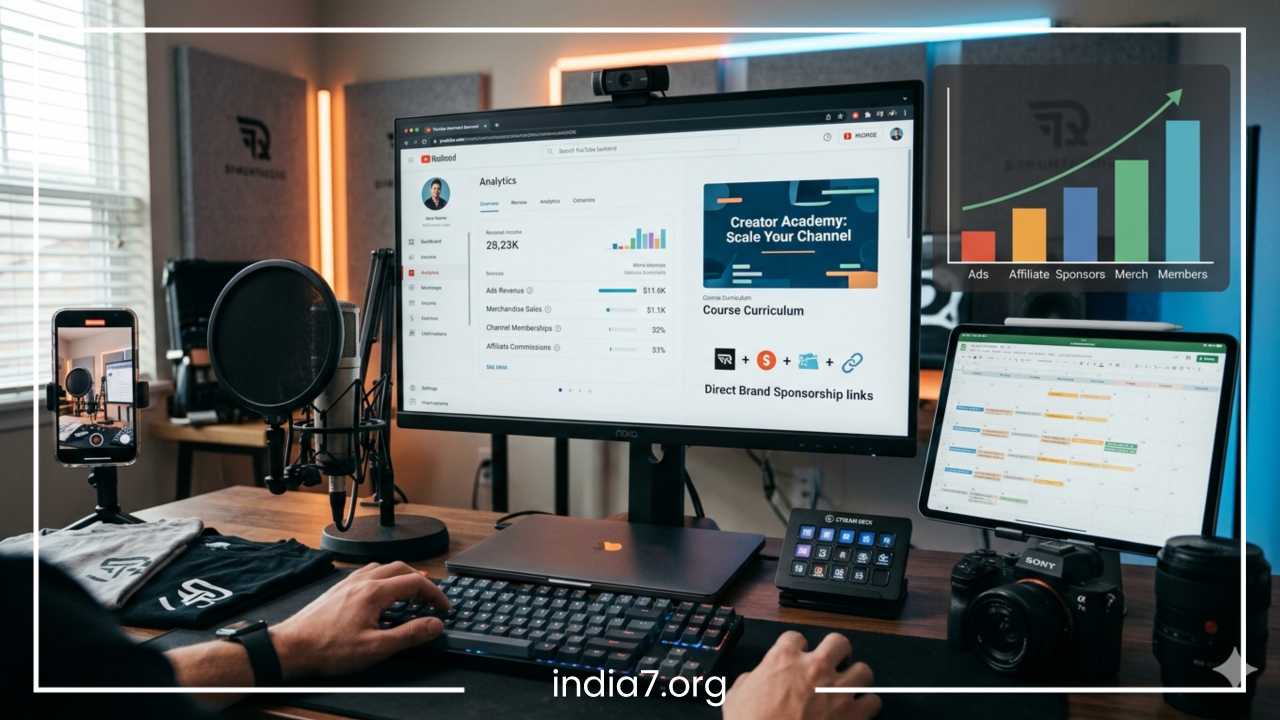
How to Monetize Your YouTube Channel: Top 7 Proven Strategies
The creator economy has transformed from a niche hobbyist space into a multi-billion-dollar industry where YouTube stands as the central pillar. For many, the dream of becoming a full-time creator is no longer a far-fetched fantasy but a tangible career path. YouTube has evolved from a simple video-sharing site into a sophisticated business platform that offers diverse avenues for income. While the platform began with a focus on shared advertising revenue, the modern landscape allows creators to build sustainable businesses by combining multiple income streams.
Success on YouTube is rarely about a single viral hit. Instead, it is about building a loyal audience and implementing a strategic approach to revenue. Whether you are a beginner looking to earn your first dollar or a growing channel seeking to scale, understanding the mechanics of monetization is essential. By diversifying how you earn, you protect yourself from platform fluctuations and maximize the value of your content. This guide provides a comprehensive roadmap to the most effective strategies for turning your channel into a profitable venture.
Read: How to Expand Your Restaurant Business?
Understanding YouTube Monetization
Monetization on YouTube is the process of earning revenue from the videos you upload. While many people equate this solely with the ads that play before a video starts, it encompasses a much broader ecosystem. To truly master the business of YouTube, you must first understand the gateway to official platform monetization: the YouTube Partner Program (YPP).
The YouTube Partner Program is the foundational layer for most creators. To be eligible, you currently need to meet specific milestones that prove your channel provides value and maintains a consistent audience. These requirements generally include reaching 1,000 subscribers and either 4,000 valid public watch hours within the past 12 months or 10 million valid public Shorts views within the past 90 days. These benchmarks ensure that creators have a baseline level of engagement and adhere to the platform’s community guidelines.
Beyond eligibility, it is crucial to understand how earnings are measured. Two key metrics you will encounter in your analytics are CPM (Cost Per Mille) and RPM (Revenue Per Mille). CPM represents how much advertisers pay for every 1,000 ad impressions, while RPM represents how much you actually earn per 1,000 views after YouTube takes its share and accounts for other revenue sources like memberships.
The niche you choose plays a massive role in your earning potential. Advertisers are willing to pay more to reach audiences interested in high-value topics. For example, finance, technology, education, and business tutorials often see much higher CPMs than general entertainment or vlog channels. This is because the viewers in these niches are often looking for specific products or professional solutions, making them more valuable to advertisers.
Best niches for monetization
If you are in the planning stages of a channel, consider these high-CPM categories:
-
Finance: Investing, credit cards, and personal accounting.
-
Tech: Software reviews, coding tutorials, and hardware benchmarks.
-
Education: Professional skill development and academic tutoring.
-
Business: Entrepreneurship, marketing, and e-commerce growth.
-
Real Estate: Market analysis and property investment strategies.
Read: How to Make an Impact at a Conference With Name Badges?
Earn Through YouTube Ad Revenue
Ad revenue is the most traditional and automated way to make money on the platform. Once you are accepted into the YPP, YouTube handles the heavy lifting of finding advertisers and placing ads on your content. There are several types of ads that can appear on your videos, including skippable and non-skippable video ads, display ads, and mid-roll ads.
Mid-roll ads are particularly important for creators because they allow for multiple ad breaks within a single video. To utilize mid-rolls, your video must be at least eight minutes long. This encourages longer-form content that keeps viewers on the platform while increasing the creator’s earning potential. For creators focusing on YouTube Shorts, the revenue model is slightly different, involving a revenue-sharing pool based on your share of total Shorts views.
The amount you earn from ads depends heavily on your audience’s demographics. For instance, views from countries with high purchasing power typically command higher CPMs. Additionally, seasonality affects earnings; advertisers often spend more during the fourth quarter of the year due to holiday shopping, leading to a spike in creator revenue.
Tips to increase ad revenue
-
Create Longer Videos: Producing content over 8 minutes allows you to manually place mid-roll ads, potentially doubling your revenue on a single video.
-
Optimize for Audience Retention: The longer people watch, the more ads they are likely to see. Use “hooks” in the first 30 seconds to keep viewers engaged.
-
Target High-CPM Topics: Occasionally create content around “expensive” keywords like “insurance,” “loans,” or “software” if they fit your niche.
-
Consistent Uploads: A steady stream of content keeps the algorithm serving your videos, maintaining a consistent flow of ad impressions.
Read: Cool Gadgets for Entrepreneurs
Affiliate Marketing
Affiliate marketing is often the highest-paying method for small to mid-sized channels. It involves promoting a product or service in your video and providing a unique link in the description. When a viewer clicks that link and makes a purchase, you earn a commission at no extra cost to them.
The beauty of affiliate marketing is that you do not need 1,000 subscribers to start. As long as you have a handful of viewers who trust your recommendations, you can begin earning. This method works best when the products you promote are a natural fit for your content. For example, a photography channel might link to the cameras and lenses used in a shoot, while a software reviewer might link to the productivity tools they use.
Best affiliate products for YouTube
-
Software and SaaS: Tools like video editors, SEO plugins, or VPNs often offer high recurring commissions.
-
Gadgets and Tech: Cameras, microphones, and computer hardware are staples for tech creators.
-
Online Courses: Promoting educational platforms or specific masterclasses.
-
Amazon Associates: A versatile option for physical goods, from kitchen gadgets to books.
Best practices for affiliate links
To succeed, transparency is key. You should always disclose that you are using affiliate links. Not only is this a legal requirement in many regions, but it also builds trust with your audience. Placing these links in the pinned comment or mentioning them directly in the video increases the likelihood of clicks. Always promote products you actually use or believe in; recommending poor products for a quick commission will destroy your long-term credibility.
Brand Sponsorships and Paid Deals
Brand sponsorships are direct deals between a creator and a company. Unlike ad revenue, where YouTube takes a significant cut, sponsorships usually allow you to keep the full amount negotiated. Brands are increasingly looking for creators with smaller but highly engaged and specific audiences because their recommendations often carry more weight than those of massive celebrities.
To attract sponsors, you need more than just views; you need a clear brand identity and a professional approach. Creating a media kit is a vital step. This document should include your channel statistics, audience demographics, and examples of your best work. Professional outreach involves contacting companies that align with your niche and explaining exactly how your audience can benefit their brand.
Types of sponsorship content
-
Product Reviews: A full video dedicated to testing and evaluating a brand’s product.
-
Integrations: A 60-to-90-second segment within a video where you mention the sponsor.
-
Dedicated Videos: The entire video revolves around the sponsor’s campaign or message.
-
Social Mentions: Cross-promoting the sponsor on your Community tab or other social media.
When negotiating, consider factors like the amount of work required, the exclusivity period (if any), and the usage rights the brand wants for your content. Pricing should reflect not just your views, but the time spent on production and the value of your endorsement.
Sell Digital Products or Online Courses
Selling digital products is an excellent way for creators with specific expertise to generate passive income. Because there are no physical manufacturing or shipping costs, digital products offer incredibly high profit margins. Once the product is created, it can be sold an infinite number of times.
Common digital products include e-books, specialized templates (such as Notion setups or Excel sheets), Lightroom presets for photos, or comprehensive online courses. If you have taught your audience a skill through your videos, they are often willing to pay for a structured, deep-dive version of that knowledge.
Why digital products are profitable
-
Scalability: You create it once and sell it to thousands.
-
Control: You own the platform and the customer data.
-
Higher Margins: No middleman taking a 45% cut like YouTube Ads.
-
Direct Value: It solves a specific problem for your most dedicated fans.
Use your YouTube channel as a “top-of-funnel” marketing tool. Provide free, high-quality information in your videos that leaves viewers wanting more. At the end of the video, offer your paid course or template as the logical next step for those who want to achieve results faster.
Channel Memberships and Fan Funding
Channel memberships and fan funding allow your most loyal viewers to support you directly. YouTube Memberships allow fans to pay a monthly fee in exchange for perks like custom badges, exclusive emojis, and access to “members-only” content or livestreams.
Other forms of fan funding include Super Chats and Super Thanks. These are one-time tips given during livestreams or on uploaded videos. This strategy is particularly effective for creators who have built a tight-knit community. It shifts the focus from reaching the masses to deepening the relationship with your “true fans.”
Content for memberships
-
Exclusive Livestreams: Q&A sessions where you answer member questions directly.
-
Behind-the-Scenes: Photos or short clips of your setup and production process.
-
Early Access: Letting members see your main videos 24 hours before everyone else.
-
Discord Access: A private community where fans can interact with you and each other.
The goal is to make your supporters feel like they are part of an inner circle that is helping to sustain the channel they love. This direct support can provide a stable monthly income that is less dependent on fluctuating ad rates.
Sell Merchandise
Selling physical merchandise is a classic way to monetize a brand. If your channel has catchy catchphrases, a recognizable logo, or a unique visual style, your audience may want to wear your brand. Common items include t-shirts, hoodies, hats, and stickers.
You don’t need to manage a warehouse to sell merch. Print-on-demand services integrate directly with YouTube, allowing you to display your products right below your videos. When someone buys a shirt, the service prints and ships it for you, and you take a portion of the profit. This removes the financial risk of holding inventory that might not sell.
Merchandise ideas for creators
-
Apparel: Branded t-shirts, hoodies, and caps.
-
Lifestyle: Mugs, water bottles, and tote bags.
-
Stationery: Stickers, journals, and posters.
-
Digital Merch: Phone wallpapers or digital art.
Merchandise works best when it feels like an extension of the channel’s culture. Instead of just putting a logo on a shirt, try to create designs that resonate with the inside jokes or shared values of your community.
License Your Content and Repurpose Content
Content licensing is a frequently overlooked strategy. If you capture a viral moment—such as a unique weather event, a funny pet clip, or a breaking news story—media outlets may want to pay you to use that footage. Licensing agencies can help you manage these rights and ensure you are compensated when your clips appear on TV or major news sites.
Additionally, you can maximize your income by repurposing your YouTube content for other platforms. A single long-form video can be cut into several Shorts, TikToks, and Instagram Reels. This increases your overall reach and opens up monetization opportunities on those platforms as well.
Why content repurposing increases income
-
Efficiency: You get 10 pieces of content from one filming session.
-
Platform Diversification: You aren’t reliant on just one algorithm.
-
Multiple Ad Pools: Earn from YouTube Ads, Facebook Reels, and TikTok Creator Funds simultaneously.
-
Reach: Find new audiences who prefer short-form content and funnel them back to your main channel.
You can even turn the audio from your videos into a podcast or transcribe the content into a blog post for AdSense revenue. This multi-platform approach ensures that your hard work reaches the widest possible audience and generates revenue from every possible angle.
Common Monetization Mistakes
Even with great content, certain pitfalls can hinder your ability to make money. Identifying these early can save you months of frustration.
One of the most common mistakes is inconsistent uploading. YouTube’s algorithm favors channels that provide a steady stream of content, and advertisers prefer to align with reliable creators. Without a schedule, your audience engagement may drop, which directly impacts your revenue.
Another mistake is ignoring SEO. If people can’t find your videos, they can’t watch them, and you can’t get paid. This involves more than just a good title; it requires strategic use of keywords in your description and tags, as well as creating thumbnails that encourage clicks without being misleading.
Over-monetizing too early can also be detrimental. If a new viewer finds your channel and is immediately met with five ad breaks and three different product pitches, they are likely to leave and never return. Focus on providing immense value first. Once you have a loyal base, they will be much more receptive to your monetization efforts.
Finally, copyright issues are a major roadblock. Using copyrighted music or movie clips without permission can lead to your video being demonetized or your channel receiving a strike. Always use royalty-free music libraries or ensure you have the proper licenses for any third-party content.
Final Tips to Grow Revenue Faster
Monetizing a YouTube channel is a marathon, not a sprint. The creators who find long-term success are those who view their channel as a business and their viewers as a community. While ad revenue is a great starting point, the real wealth in the creator economy comes from diversification. By combining affiliate marketing, sponsorships, and your own products, you create a stable financial foundation that can withstand changes in the digital landscape.
To accelerate your growth, stay focused on your analytics. Look at your “Top Earning Videos” and “Audience Retention” charts to understand what your viewers value most. Build an email list to ensure you have a direct line to your audience that doesn’t depend on the YouTube algorithm. This list is a goldmine for launching digital products or announcing new merchandise.
Always prioritize evergreen content. While trending topics can bring a quick spike in views, videos that remain relevant for years will provide a consistent “passive” income stream. Whether you are explaining a complex topic or sharing a timeless tutorial, evergreen videos are the building blocks of a profitable channel.
Stay focused on your audience’s needs, keep refining your craft, and never lose sight of the human element. Trust is the most valuable currency on the internet. If you consistently provide value, be it through entertainment, education, or inspiration, the revenue will naturally follow. Start with one or two strategies that fit your niche, master them, and then gradually expand your income streams as your audience grows. With persistence and a strategic mindset, your YouTube channel can become a powerful vehicle for financial independence and creative freedom.
Frequently Asked Questions About YouTube Monetization
To help you navigate the complexities of earning on the platform, here are answers to some of the most common questions creators ask when trying to scale their revenue.
How much does YouTube pay for 1 million views?
On average, YouTube pays between $2,500 and $5,000 for 1 million views on long-form videos. However, this figure is highly dependent on your niche’s RPM. Finance and tech channels can earn as much as $15,000 to $40,000 per million views, while gaming or entertainment channels might see lower ends of the spectrum. For YouTube Shorts, the payout is typically lower, ranging from $50 to $200 per million views.
Can I monetize my YouTube channel without 1,000 subscribers?
Yes, you can start earning money before hitting the 1,000-subscriber milestone required for the YouTube Partner Program. While you won’t have access to ad revenue, you can implement affiliate marketing, sell digital products, or use fan-funding platforms like Patreon. Many creators earn their first $100 through affiliate commissions long before they qualify for ads.
Do YouTube Shorts watch hours count toward the 4,000 hours?
No, public watch hours from the Shorts feed do not count toward the 4,000-hour requirement for long-form video monetization. However, YouTube offers a separate path: you can qualify for the Partner Program if you reach 1,000 subscribers and 10 million valid public Shorts views within a 90-day period.
How long does it take for YouTube to approve monetization?
Once you meet the eligibility requirements and submit your application, the review process typically takes about 30 days. YouTube’s team manually reviews your channel to ensure your content is original and follows all advertiser-friendly guidelines. Some channels are approved in as little as a week, while others may take longer if their content falls into a “borderline” category.
Why was my YouTube monetization application rejected?
The most common reasons for rejection include reused content (uploading content from other sources without adding significant original value) and copyright strikes. YouTube also strictly enforces its “Advertiser-Friendly Content Guidelines.” If your channel focuses on controversial topics or uses excessive profanity, it may be deemed ineligible for ads.