The Interconnected Web of Health: Understanding the Difference Between Food, Diet, and Nutrition
In the modern era of wellness influencers, trending health apps, and conflicting medical advice, the terms food, diet, and nutrition are often used interchangeably. We hear people say they are “watching their diet,” “eating better food,” or “focusing on their nutrition.” While these concepts are deeply intertwined, they are not the same thing. Mistaking one for the other can lead to confusion, frustration in weight management, and a general sense of being overwhelmed by the simple act of eating.
The confusion stems from the fact that all three contribute to our physical well-being. However, they operate on different levels: the physical, the habitual, and the biological. Food is the tangible substance we consume; diet is the structured pattern of that consumption; and nutrition is the complex internal process by which our bodies transform those substances into life-sustaining energy and cellular repair.
Understanding these distinctions is more than just a linguistic exercise. It is a foundational step toward taking control of your health. When you can differentiate between what you put in your mouth, how you schedule your meals, and what your body actually absorbs, you move away from “quick fix” mentalities and toward a sustainable lifestyle. This article explores these three pillars in depth, providing a roadmap for anyone looking to improve their energy, manage their weight, and achieve long-term vitality through a balanced approach to eating.
At its most basic level, food is any substance consumed to provide nutritional support for an organism. It is usually of plant or dairy origin and contains essential nutrients such as carbohydrates, fats, proteins, vitamins, or minerals. For humans, food is the fuel that keeps the engine running. It provides the energy necessary for every heartbeat, every breath, and every movement of our muscles.
Types of Food Groups
To understand food, we must look at the primary groups that make up a human intake without focusing on specific dietary labels.
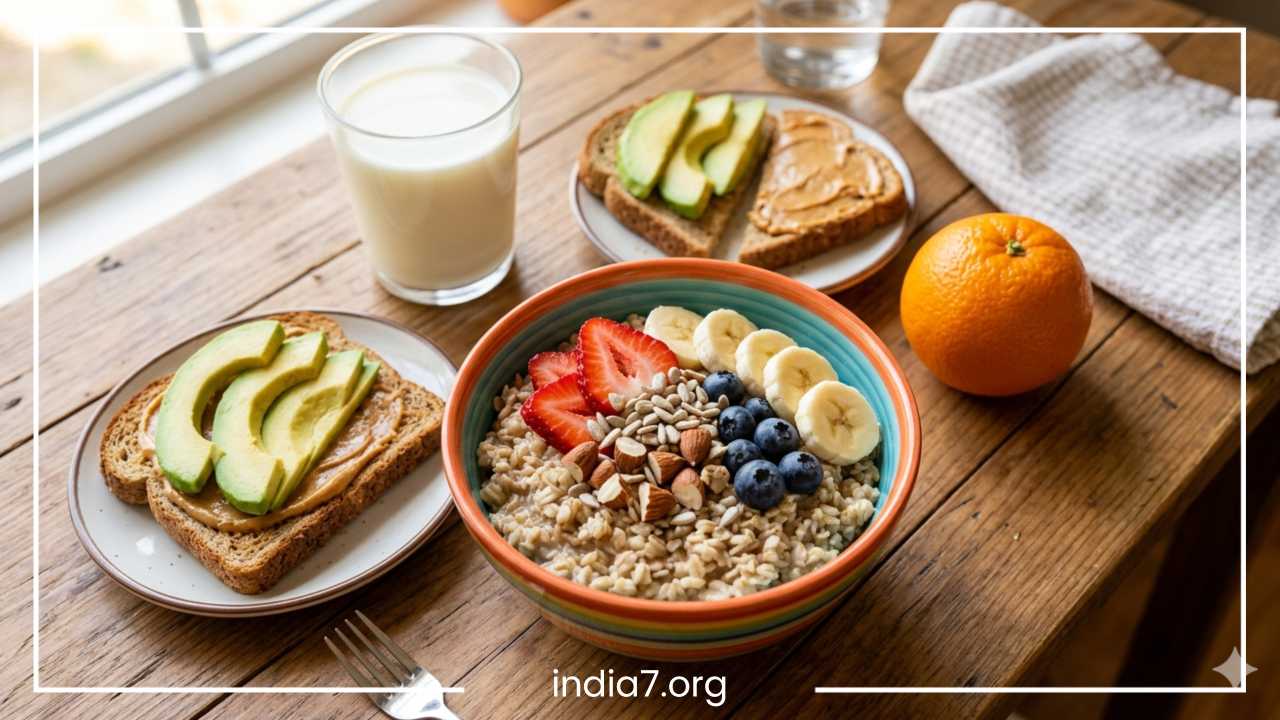
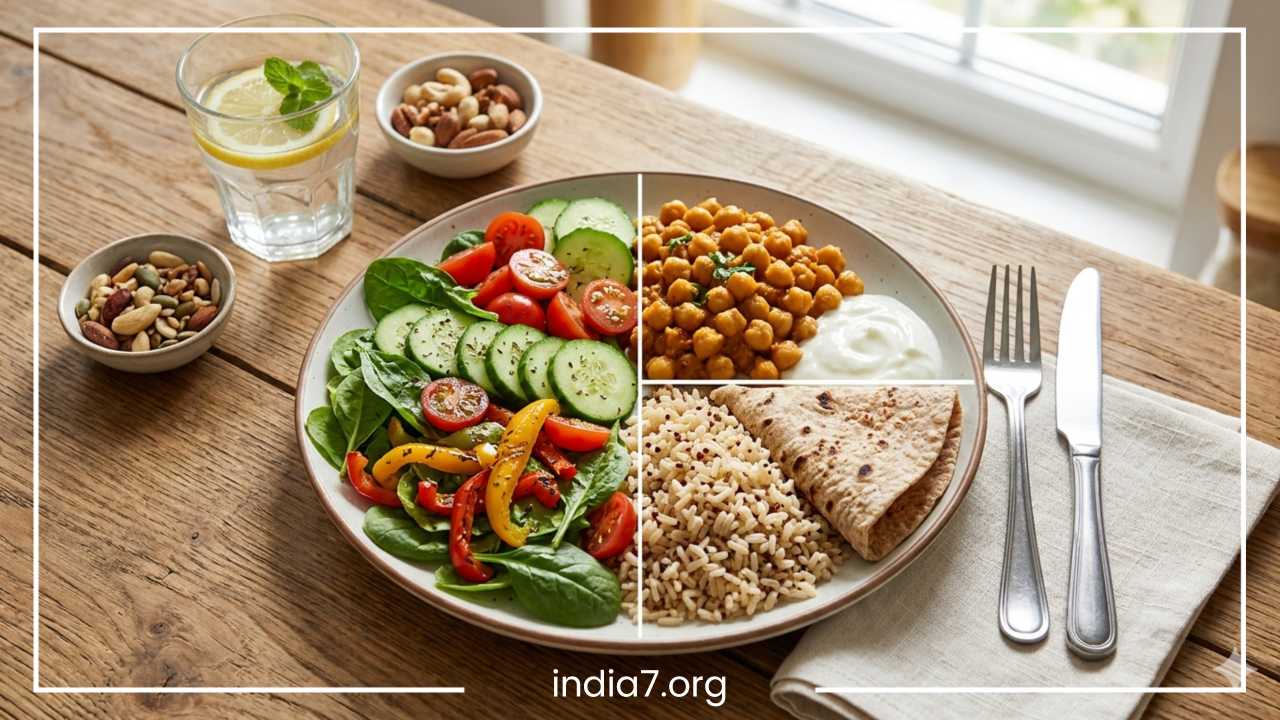
Grains and Cereals: These are the primary energy providers. Whole grains like oats, barley, quinoa, and brown rice provide complex carbohydrates that release energy slowly throughout the day.
Fruits and Vegetables: Often referred to as “nature’s multivitamins,” these are packed with fiber, antioxidants, and essential micronutrients. They provide the color and variety necessary for a healthy system.
Dairy and Alternatives: This group provides calcium and protein. Milk, yogurt, and cheese, or their fortified alternatives (like soy or almond varieties), contribute to bone health and muscle maintenance.
Nuts, Seeds, and Legumes: These are powerhouse foods. Beans, lentils, chickpeas, almonds, and sunflower seeds offer a combination of protein, healthy fats, and fiber.
The Role of Food in Daily Life
Food serves three primary purposes in our lives:
Energy Source: The calories in food are units of energy. Without them, the body cannot function.
Growth and Repair: Food provides the raw materials—the building blocks—needed to grow new tissue and repair damage.
Emotional Satisfaction: Unlike a car that only needs gasoline, humans have a psychological relationship with food. It is central to culture, celebration, and comfort.
The Common Misunderstanding: “All Food is Equal”
A significant misconception is that if a substance is edible and provides energy, its health impact is the same as any other food. This is far from the truth. While two different items may have the same number of calories, one might be “nutrient-dense” (packed with vitamins and fiber), while the other might be “calorie-dense” but “nutrient-poor” (high in sugar and unhealthy fats). Recognizing that food is the vehicle for health—not just a filler for hunger—is the first step in the journey of wellness.
The word diet has been unfairly hijacked by the weight loss industry. In popular culture, “being on a diet” implies a temporary state of restriction, usually involving hunger and the avoidance of favorite foods. However, in a scientific and health context, your diet is simply the totality of what you eat and drink on a regular basis. Everyone has a diet, whether they are trying to lose weight or not.
Diet as an Eating Pattern
Diet refers to the pattern and frequency of food consumption. It is the “how” and “when” behind the “what.” It is not a one-week cabbage soup challenge; it is the collection of habits that define your relationship with food over months and years.
Types of Diets in General Terms
Balanced Diet: A pattern that includes a wide variety of foods in the right proportions to maintain health.
High-Energy Diet: Often used by athletes or individuals with high physical demands, focusing on increased caloric intake to match energy expenditure.
Low-Calorie Diet: A pattern designed to create a deficit for weight management.
Special Condition-Based Diets: Patterns adjusted for medical reasons, such as managing blood sugar or heart health, under professional guidance.
How Diet is Shaped
Our diets are rarely the result of clinical calculation. They are influenced by a myriad of external factors:
Culture: The traditions and flavors we grew up with dictate our primary food choices.
Lifestyle: A busy professional might have a diet characterized by “on-the-go” meals, while someone with more time might have a diet focused on home-cooked whole foods.
Income: Financial resources significantly impact the accessibility of certain food groups.
Habits: Simple repetition—like having a specific snack every evening—eventually becomes a core component of one’s diet.
The Role of Consistency
The most important aspect of a diet is consistency. A single healthy meal does not make a healthy person, just as a single indulgent meal does not ruin a person’s health. It is the cumulative effect of your dietary choices over time that dictates your physical outcomes.
What is Nutrition?
If food is the product and diet is the delivery schedule, nutrition is the final result. Nutrition is the biological and physiological process by which your body actually takes the substances in food and uses them to function. You can eat food, but if your body cannot extract the nutrients, you are not getting proper nutrition.
Key Nutrients and Their Functions
Nutrition is broken down into macronutrients and micronutrients:
Carbohydrates: The body’s preferred fuel source. They are broken down into glucose to power the brain and muscles.
Proteins: Necessary for the repair and growth of tissues, including muscles, skin, and organs. They also help produce enzymes and hormones.
Fats: Essential for energy storage, protecting organs, and helping the body absorb certain vitamins. They are also vital for brain health and hormone production.
Vitamins and Minerals: These are “micronutrients” because the body needs them in smaller amounts, but they are crucial for bone health, immune function, and wound healing.
Water: Often overlooked, water is the medium for all metabolic processes. It regulates temperature, lubricates joints, and flushes out waste.
Food vs. Nutrition: The Absorption Gap
A common saying is “you are what you eat,” but a more accurate phrase would be “you are what you absorb.” Two people could eat the exact same meal, yet their nutritional outcomes might differ. This can be due to:
Gut Health: The efficiency of the digestive system in breaking down food.
Metabolic Rate: How quickly the body converts nutrients into energy.
Age and Genetics: Biological factors that change how the body processes specific vitamins or minerals.
Nutrition is the “invisible” part of the health equation. You can see the food on your plate and follow a diet plan, but you cannot see the nutrients moving into your bloodstream. However, you can feel the results in your energy levels, the clarity of your skin, and the strength of your immune system.
Key Differences Between Food, Diet, and Nutrition
To simplify the relationship between these three, we can look at them as a progression from the external world to the internal body.
Feature
Food
Diet
Nutrition
Definition
The physical substance consumed.
The pattern/plan of consumption.
The biological process of usage.
Focus
“What is on the plate?”
“How do I eat daily?”
“How is my body reacting?”
Control
High (you choose what to buy).
Medium (requires habit and discipline).
Low (internal biological processes).
Goal
To satisfy hunger and provide fuel.
To organize intake for a lifestyle.
To nourish cells and maintain life.
The “What,” “How,” and “Result”
Food is the “What”: It is the ingredient. An apple, a bowl of rice, a glass of milk.
Diet is the “How”: It is the strategy. Eating three meals a day, choosing whole foods over processed ones, or eating within a specific window of time.
Nutrition is the “Result”: It is the outcome. The vitamin C from the apple boosting your immunity, the carbohydrates from the rice fueling your walk, and the calcium from the milk strengthening your bones.
Understanding this hierarchy helps remove the guilt often associated with eating. If you realize that one “bad” food choice doesn’t immediately ruin your “diet,” and that your “nutrition” is a long-term biological status, it becomes easier to make healthier choices without the stress of perfectionism.
How They Work Together
Health is the result of these three elements working in harmony. You cannot have good nutrition without a solid diet, and you cannot have a diet without food.
The Building Blocks of Health
Imagine building a house.
The Food is the raw materials: the bricks, the wood, and the cement. If the materials are poor quality, the house won’t be as strong.
The Diet is the architectural plan. It tells you where the bricks go and how many you need each day. Without a plan, you might have all the materials but no structure.
The Nutrition is the actual construction process. It’s how the materials are bonded together to create a functional, sturdy home.
Example Scenarios
Balanced Harmony: A person chooses a variety of whole foods (Food), eats them in consistent, moderate portions throughout the day (Diet), and their body efficiently processes these to maintain high energy and a healthy weight (Nutrition).
The Misalignment: A person eats “healthy” foods like nuts and avocados (Food), but they eat them in excessive quantities at irregular times (Diet). As a result, their body receives more energy than it can use, leading to weight gain despite the high quality of the food (Nutrition).
By viewing these as a system, you can troubleshoot your health. If you feel tired, you might ask: Is it the quality of my food? Is it the timing and consistency of my diet? Or is there a biological issue with my nutrition (absorption)?
Role in Weight Management
Weight management is perhaps the area where the distinction between food, diet, and nutrition is most critical. Many people fail to lose weight because they focus on only one of these pillars while ignoring the others.
The Science of Calorie Balance
At its core, weight management is governed by the law of thermodynamics: energy in vs. energy out. * Weight Loss: Occurs when you provide your body with slightly less energy (calories) than it uses, forcing it to burn stored fat.
Weight Gain: Occurs when you consistently provide more energy than your body requires.
Quality Over Quantity
While calories determine weight, nutrition determines how you feel during the process. If you try to lose weight by eating only 1,200 calories of sugary snacks, you will lose weight, but your nutrition will be poor. You will feel fatigued, moody, and hungry. Conversely, 1,200 calories of nutrient-dense foods (vegetables, grains, legumes) will keep you satiated and energized.
Portion Control and Consistency
A common mistake in weight management is the “all or nothing” approach. People often skip meals (an unstable diet) or cut out entire food groups like carbohydrates (poor nutrition).
Portion Control: Learning to eat the foods you enjoy but in quantities that align with your energy needs.
Regularity: Eating at regular intervals prevents the “starvation mode” that leads to overeating later in the day.
Healthy Approach to Weight Management
Don’t Skip Meals: This leads to blood sugar crashes and poor food choices later.
Focus on Nutrient Density: Choose foods that offer the most vitamins and minerals per calorie.
Hydration: Sometimes the body confuses thirst for hunger. Drinking enough water is vital for metabolic efficiency.
Mindful Eating: Pay attention to hunger cues. Stop eating when you are satisfied, not when you are uncomfortably full.
Weight loss is a marathon, not a sprint. It requires a diet that is sustainable, food that is enjoyable, and nutrition that keeps the body functioning at its peak.
Importance of a Balanced Approach
The reason many “extreme” diets fail is that they ignore the human element of eating. A plan that is biologically perfect but psychologically impossible to follow will eventually collapse.
Why Moderation is Key
The “forbidden fruit” effect is real. When a diet labels certain foods as “evil” or “off-limits,” it creates a psychological fixation on those foods. A balanced approach allows for moderation. It follows the 80/20 rule: 80% of the time, focus on nutrient-dense whole foods; 20% of the time, allow for flexibility and treats. This ensures that your diet remains sustainable for a lifetime.
The Role of Lifestyle
Good nutrition doesn’t happen in a vacuum. It is supported by other lifestyle factors:
Sleep: Lack of sleep disrupts hunger hormones (ghrelin and leptin), making you crave high-sugar foods and making it harder for your body to manage nutrition.
Stress Management: High stress levels produce cortisol, which can lead to emotional eating and weight retention around the midsection.
Physical Activity: Regular movement helps the body use the nutrition you provide more effectively, strengthening muscles and improving cardiovascular health.
Sustainability Over Quick Fixes
Any change you make to your food choices or eating patterns should be something you can see yourself doing a year from now. If the thought of your current “diet” makes you miserable, it is not a sustainable path to health.
Common Myths and Misconceptions
To truly master the difference between these concepts, we must debunk some common myths.
Myth 1: “Diet” Means Starvation
As established, a diet is simply your pattern of eating. A “healthy diet” should leave you feeling satisfied, not hungry. If you are constantly starving, your diet is poorly planned and likely lacking in fiber or protein.
Myth 2: All Calories are Created Equal
While 100 calories is a fixed unit of energy, the body processes 100 calories of broccoli very differently than 100 calories of soda. The broccoli provides fiber which slows digestion and provides a steady stream of energy, while the soda causes a rapid insulin spike and an eventual energy crash.
Myth 3: “Healthy” Food Means You Can Eat Unlimited Quantities
Foods like nuts, seeds, and olive oil are incredibly healthy and offer great nutrition. However, they are also very high in energy (calories). Overconsuming even the healthiest foods can lead to weight gain if it exceeds the body’s energy requirements.
Myth 4: Skipping Meals Helps Weight Loss
Skipping meals often backfires by slowing down the metabolism and leading to intense hunger, which results in overeating or making poor food choices at the next meal.
Myth 5: There is One “Perfect” Diet
Every person’s body is different. Factors like age, activity level, and underlying health conditions mean that what works for one person might not work for another. The “perfect” diet is the one that provides you with optimal nutrition while being enjoyable and sustainable for your specific lifestyle.
Practical Tips for Better Nutrition
Improving your health doesn’t require a radical overhaul overnight. Small, consistent changes in how you view food and manage your diet can lead to significant nutritional gains.
Diversify Your Plate: Aim for a variety of colors. Different colors in fruits and vegetables often represent different antioxidants and minerals.
Prioritize Whole Foods: Whenever possible, choose foods in their most natural state. An orange is superior to orange juice because it contains the fiber necessary for proper digestion.
Watch Your Liquid Calories: Beverages like sweetened coffees and sodas provide energy (food) but almost zero nutrition. Stick to water, herbal teas, or plain milk.
Master Portion Sizes: Use smaller plates or bowls to help naturally regulate how much you eat without feeling deprived.
Listen to Your Body: Learn the difference between “stomach hunger” (a physical need for energy) and “head hunger” (eating because of boredom, stress, or habit).
Plan Ahead: Having healthy options readily available (like pre-cut vegetables or cooked grains) makes it easier to stick to a healthy diet when you are busy or tired.
Final Thoughts
The journey to a healthier lifestyle begins with clarity. By distinguishing between food, diet, and nutrition, you empower yourself to make more informed decisions.
Food is your palette—the ingredients you use to fuel your life.
Diet is your canvas—the way you arrange those ingredients into a consistent, sustainable pattern.
Nutrition is the masterpiece—the health, energy, and longevity that result from your choices.
When you stop looking for “magic foods” or “miracle diets” and instead focus on the biological reality of nutrition, the path becomes much clearer. Weight management stops being a battle of willpower and becomes a practice of balance. Health stops being a destination and becomes a daily habit.
Ultimately, the goal is to create a relationship with food that is nourishing, a diet that is flexible, and a body that is well-nourished. By respecting the roles of all three, you can achieve a level of vitality that supports all your other goals in life. Consistency, variety, and moderation are the true keys to a healthy existence—no matter what the latest trend might say.