Nutrition for Cyclists: What to Eat and When
Cycling Nutrition Guide: What to Eat Before, During & After Rides
Cycling is a unique sport. It combines the cardiovascular demands of running with the muscular endurance of resistance training, all while often lasting several hours at a time. Whether you are a beginner pedaling through the neighborhood, a recreational rider tackling weekend centuries, or a competitive cyclist looking for a podium finish, your performance is directly fueled by what you put on your plate.
Nutrition is often called the “fourth discipline” of cycling. You can have the lightest carbon fiber bike and the most aerodynamic helmet, but if your biological tank is empty or filled with low-quality fuel, your performance will inevitably stall. Food affects everything: your power output on climbs, your mental clarity during technical descents, and how quickly your muscles repair themselves after a grueling day in the saddle.
Read: Sustainable Weight Loss Plan: Reach Your Goals Without Fad Diets
The secret to successful cycling nutrition lies not just in what you eat, but when you eat it. This guide explores the synergy between timing and nutrients, ensuring you have the energy to start, the stamina to continue, and the resources to recover.
Understanding Energy Needs for Cyclists
To fuel effectively, you must first understand the metabolic demands of the sport. Cycling is highly variable; a flat 20-minute commute requires vastly different fueling than a four-hour mountain climb.
The Energy Systems
Your body primarily uses two sources of fuel: Carbohydrates and Fats.
-
Carbohydrates: These are stored in the muscles and liver as glycogen. Think of glycogen as your body’s high-octane fuel. It is the preferred energy source for high-intensity efforts like sprinting for a city limit sign or grinding up a steep 10% grade. However, the body can only store a limited amount—usually enough for about 90 to 120 minutes of moderate-to-vigorous exercise.
-
Fats: This is an almost limitless energy source, even in very lean athletes. Fat is burned during low-to-moderate intensity “steady-state” riding. As you become a more “efficient” cyclist, your body gets better at oxidizing fat, sparing your precious glycogen for when the pace really picks up.
-
Proteins: While not a primary fuel source during the ride, protein is the building block for muscle repair and metabolic health. It helps maintain the structural integrity of your muscle fibers which are micro-damaged during every pedal stroke.
Read: How to Lose Weight Fast: Transform Your Health
Duration and Intensity
Short rides (under 60 minutes) at a moderate pace can often be fueled by your body’s existing glycogen stores. However, once you cross the 90-minute mark, your glycogen levels begin to deplete. This is where “bonking” or “hitting the wall” occurs—a state of sudden fatigue, dizziness, and loss of energy because the brain and muscles are starved of glucose.
Signs of Under-Fueling
If you find yourself consistently exhausted after rides, struggling to hit previous speeds, or feeling irritable (the “hanger” effect), you are likely under-fueled. Other signs include:
-
Slow Recovery: Muscles feel heavy and sore for days after a standard ride.
-
Plateaued Performance: You aren’t getting faster or stronger despite training harder.
-
Sleep Disturbances: Going to bed hungry or waking up restless.
-
Frequent Illness: A compromised immune system due to the stress of exercise without adequate caloric support.
Read: Weight Loss Programs Unveiled: Pros, Cons & Choosing the Right One
Pre-Ride Nutrition: What to Eat Before Cycling
The goal of pre-ride nutrition is to top up your glycogen stores and ensure blood sugar levels are stable. You want to arrive at the start line feeling light but energized.
Timing is Everything
2–3 Hours Before (The Main Meal):
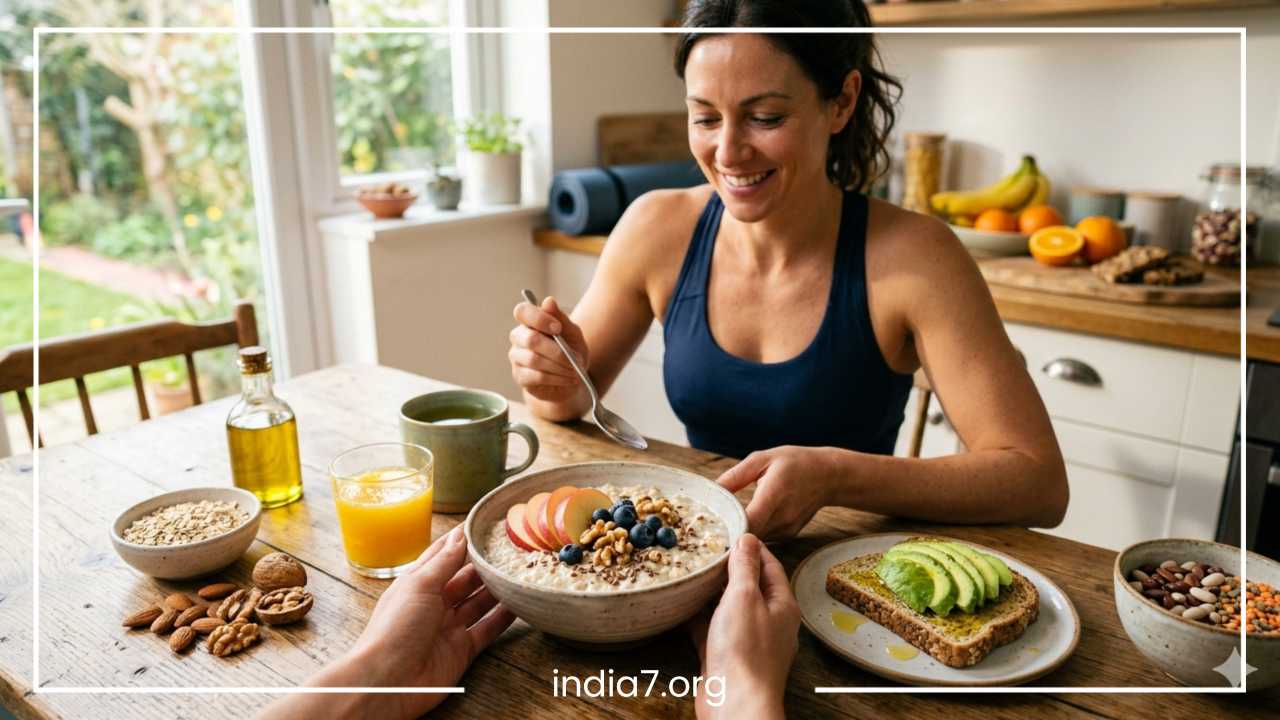
This meal should be rich in complex carbohydrates and moderate in protein. You want something that stays with you but doesn’t sit heavy in your stomach.
-
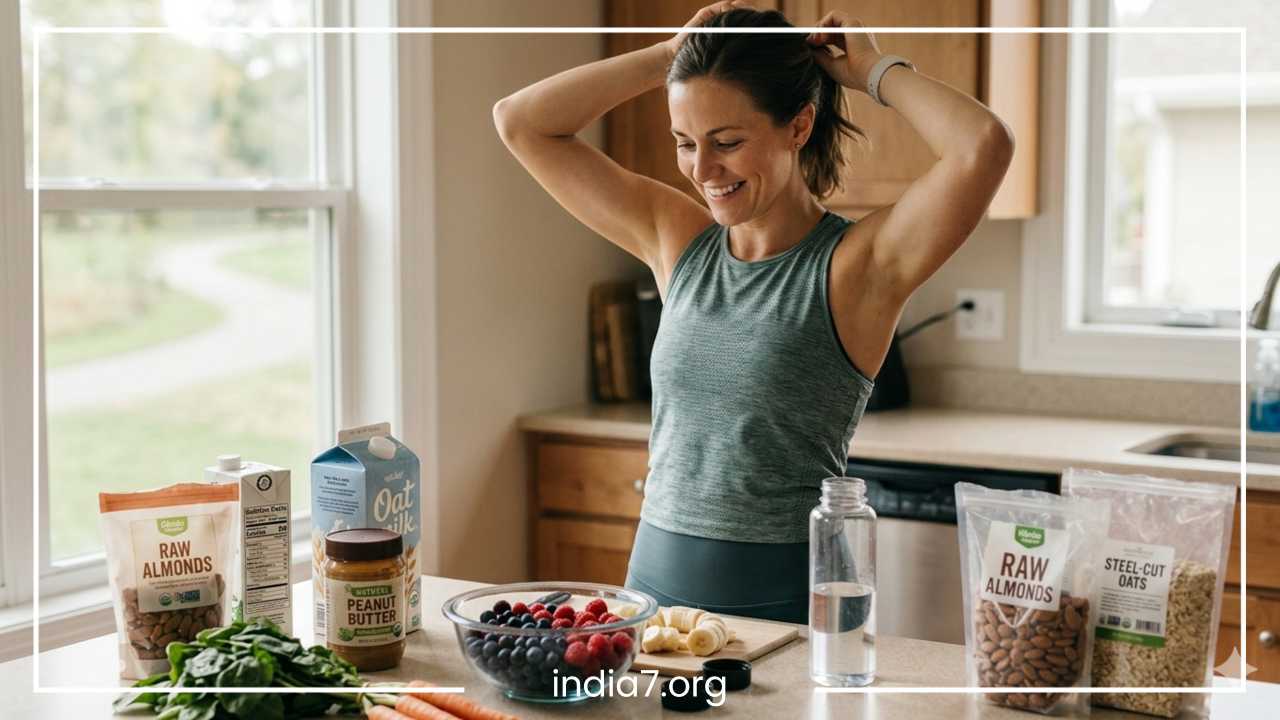
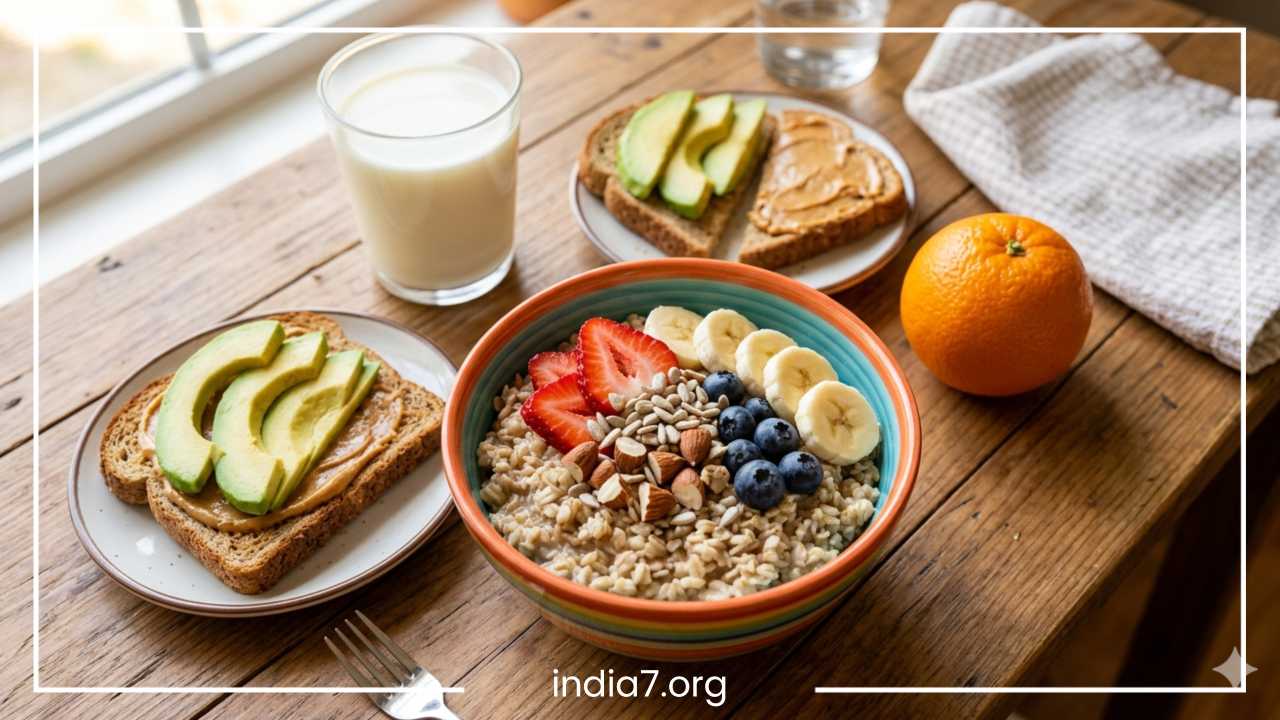
Whole Grains: Steel-cut oats, whole-grain bread, or quinoa provide a steady release of glucose.
-
Light Dairy/Soy: Greek yogurt, cottage cheese, or soy-based yogurts offer protein without the heaviness of a full meal.
-
Nuts and Seeds: Chia seeds, flax, or a smear of almond butter add healthy fats that slow digestion just enough to keep you full through the first hour of riding.
30–60 Minutes Before (The Top-Off):
If your last meal was hours ago, a small snack is vital. Focus on simple carbohydrates that digest quickly and provide immediate blood glucose.
-
Options: A banana, a small handful of raisins, a few dates, or a slice of white toast with a drizzle of honey or jam.
Hydration Kickstart
Start your ride in a “hydrated state.” Aim for roughly 500–750ml of water in the two hours leading up to your ride. A good trick is to add a pinch of salt or a low-calorie electrolyte tablet to this pre-ride water to help your body retain the fluid rather than just passing it through.
What to Avoid
Stay away from heavy, greasy, or overly high-fiber foods immediately before riding. Fried foods slow down gastric emptying, meaning blood is diverted to your stomach for digestion rather than your legs for power. Excessive fiber (like a giant bowl of beans or raw kale) right before a ride can lead to gastrointestinal distress when the intensity picks up.
During-Ride Nutrition: Fueling on the Go
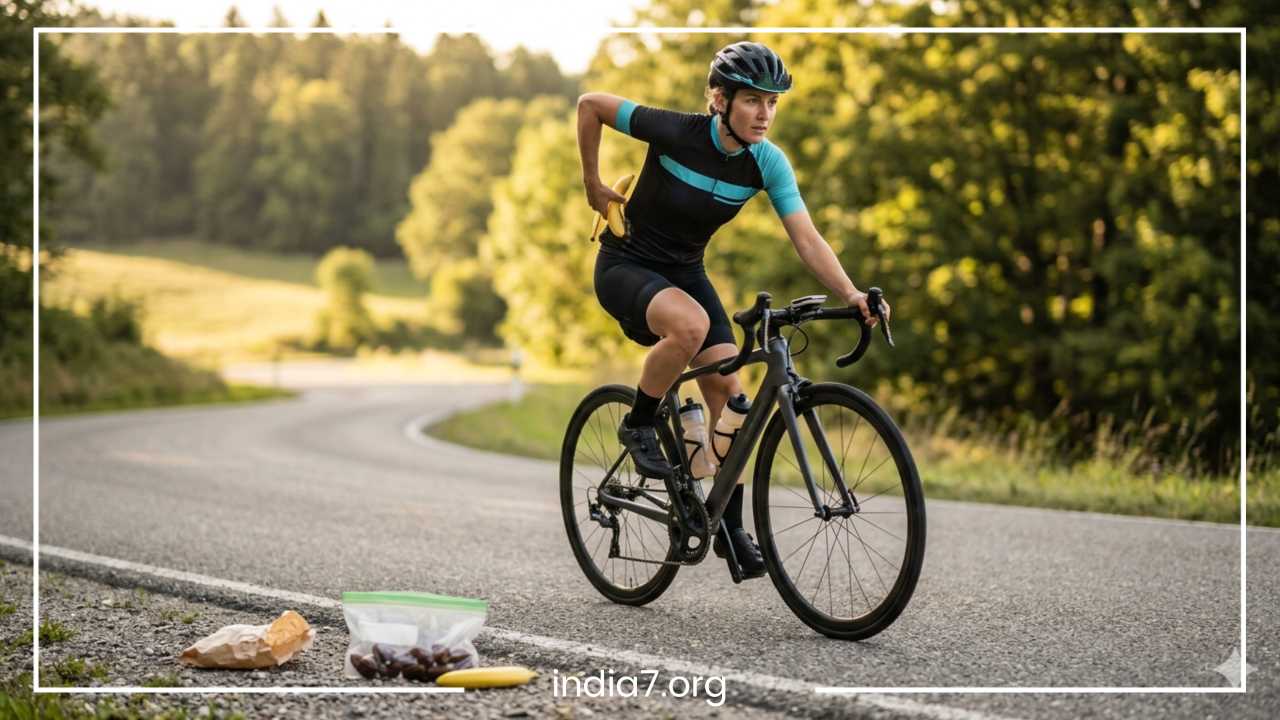
For rides lasting longer than 90 minutes, you must eat while moving. The general rule for endurance cycling is to aim for 30–60 grams of carbohydrates per hour. For ultra-endurance events, some athletes push this to 90 grams using specific carb ratios.
Easily Digestible Energy Sources
Your digestive system is under stress while cycling because blood is being diverted to your working muscles. Therefore, simplicity is key.
-
Fruits: Bananas are the “gold standard” for cyclists because they are packed with potassium (to help prevent cramps) and easy-to-digest sugars. Dates and raisins provide concentrated energy in a small, portable package.
-
Energy Bars: Look for bars with simple, recognizable ingredients like oats, rice, and fruit. Avoid bars that are too high in protein or fiber mid-ride, as these are harder to process while your heart rate is elevated.
-
Homemade Rice Cakes: Many professional cyclists use savory rice cakes made with white rice, a little soy sauce, and small pieces of tofu or nut butter.
-
Electrolyte Drinks: Drinks containing carbohydrates serve a dual purpose: hydration and energy.
Strategy: Eat Before You Are Hungry
If you wait until you feel hungry to eat, it is already too late. Your body takes time to process nutrients and move them into the bloodstream. Take small bites and sips every 20 minutes. Setting a timer on your bike computer can be a helpful reminder to “sip, sip, nibble, nibble.”
Post-Ride Nutrition: Recovery Essentials
Recovery is where the actual “training effect” happens. Your ride breaks the body down; your food builds it back up. If you skip recovery nutrition, you’re essentially wasting a portion of the hard work you just did.
The Recovery Window
The 30–60 minute period after a ride is known as the “glycogen window.” During this time, your muscles are primed to absorb nutrients like a sponge, refilling energy stores and initiating muscle protein synthesis.
The Recovery Trio
To recover effectively, you need three things:
-
Carbohydrates: To replenish the glycogen you just burned.
-
Protein: To repair the micro-tears in your muscle fibers. Aim for 20–25 grams of high-quality protein.
-
Fluids and Electrolytes: To replace what was lost through sweat.
Sample Recovery Meal Combinations
-
Smoothies: A blend of soy milk or Greek yogurt, frozen berries, a scoop of oats, and a tablespoon of nut butter.
-
Grain Bowls: Quinoa or brown rice topped with black beans, avocado, and a dollop of yogurt.
-
Tofu Scramble: Tofu seasoned with turmeric and nutritional yeast, served on whole-grain toast with sliced tomatoes.
-
The Classic: A tall glass of chocolate milk. It has been scientifically proven to have the near-perfect 3:1 or 4:1 ratio of carbohydrates to protein for recovery.
Daily Nutrition Plan for Cyclists
Eating for cycling isn’t just about what happens on the bike; it’s about your total baseline nutrition. You want to maintain “metabolic flexibility”—the ability of your body to switch between burning fat and carbohydrates efficiently.
Balanced Foundations
-
Breakfast: Focus on energy stability. Include whole grains (like steel-cut oats) and healthy fats (like walnuts or chia seeds) to prevent mid-morning energy slumps. If you aren’t riding until later, focus more on protein to stay satiated.
-
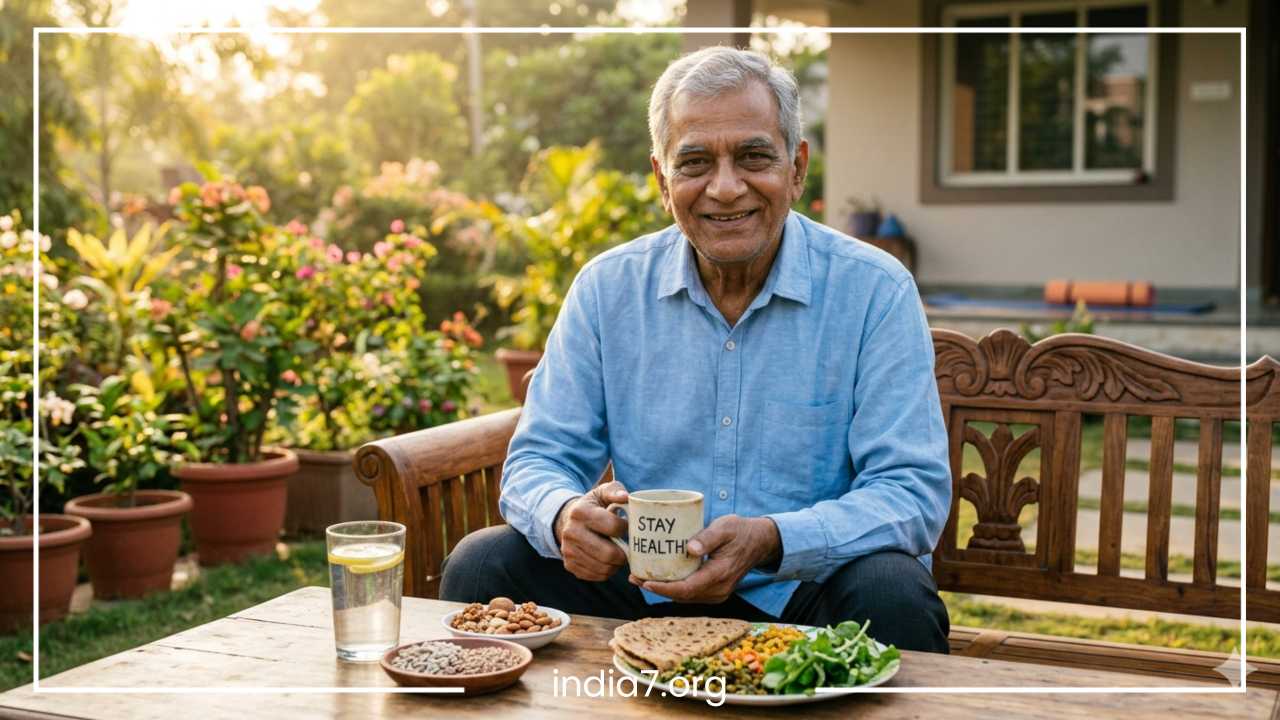
Lunch: This should be a “bridge” meal. If you have a sunset ride planned, emphasize carbohydrates like sweet potatoes or whole-grain pasta. If it’s a rest day, focus more on colorful vegetables and legumes like lentils or chickpeas.
-
Dinner: Focus on repair and long-term replenishment. Legumes, soy products (tofu/tempeh), and dairy provide the necessary amino acids for overnight muscle recovery. Include a variety of colorful vegetables to get the antioxidants needed to fight exercise-induced inflammation.
-
Snacks: Instead of processed chips, opt for almonds, Greek yogurt with berries, or hummus with carrot sticks.
The Periodization of Plates
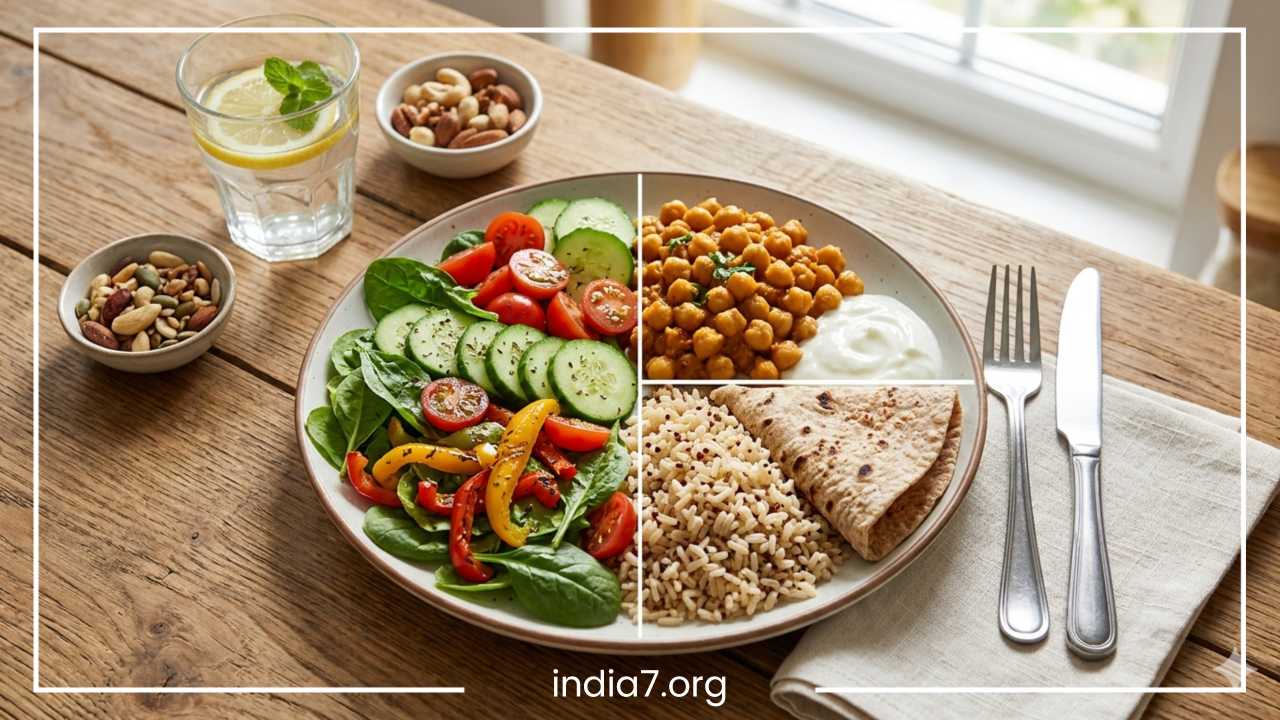
Your plate should look different depending on your training. On a heavy training day, half your plate should be carbohydrates. On a rest day, half your plate should be vegetables, with a smaller portion of carbs.
Hydration Strategy for Cyclists
Dehydration is a performance killer. A loss of just 2% of body weight in fluids can significantly decrease aerobic capacity, increase heart rate, and impair decision-making—which is dangerous when descending at high speeds.
Daily Water Intake
While the “8 glasses a day” rule is a starting point, cyclists usually need more. A better gauge is your thirst and the color of your urine. You should aim to be hydrated well before you even touch your bike.
The Role of Electrolytes
Sweat isn’t just water; it’s a mix of minerals, primarily sodium, potassium, calcium, and magnesium. On hot days or rides over two hours, drinking plain water can actually be counterproductive. It can dilute the sodium in your blood, leading to a dangerous condition called hyponatremia.
-
Sodium: Helps the body retain fluid and maintains blood volume.
-
Potassium/Magnesium: Essential for muscle contraction and preventing cramps.
Hydration Before, During, and After
-
Before: 500ml 2 hours prior.
-
During: 500–750ml per hour, taken in small, frequent sips.
-
After: Drink 1.5 liters of fluid for every 1kg of body weight lost during the ride (if you choose to weigh yourself). Otherwise, drink until your urine returns to a pale straw color.
Nutrition for Weight Loss (General Audience)
Cycling is an incredible calorie burner, making it a popular choice for those looking to manage their weight. However, the “cyclist’s appetite” is real. It is very easy to finish a 40km ride and feel like you’ve earned a massive, calorie-dense feast that exceeds what you actually burned.
Safe Weight Loss Principles
Extreme calorie restriction is the enemy of the athlete. If you drop your calories too low, your hormones (like cortisol) will spike, your muscle mass will waste away, and your “power-to-weight” ratio will actually get worse, not better.
-
Gradual Deficit: Aim for a modest deficit of 250–500 calories per day. This allows for a sustainable loss of about 0.5kg per week without crashing your energy levels.
-
Fuel the Ride, Fat-Loss the Rest: Never starve yourself during a ride to lose weight. You will underperform and likely binge later. Instead, eat what you need to ride strong, and then be more disciplined with your “off-bike” meals (e.g., smaller portions at dinner or fewer processed snacks).
-
Focus on Volume: Eat “high-volume, low-calorie” foods. A giant bowl of spinach, peppers, and cucumbers with a bit of quinoa and tofu will fill your stomach and provide massive amounts of nutrients for very few calories.
-
Consistency Over Intensity: One “perfect” day followed by three days of overeating won’t work. Stability is key.
Common Nutrition Mistakes Cyclists Make
-
Skipping the Pre-Ride Meal: Many think “fasted riding” will burn more fat. While it can have specific training benefits for elites, for most, it just leads to a low-quality workout and a massive hunger spike later in the day.
-
The “Post-Ride Halo”: Thinking that because you rode your bike, you have a “license to eat” anything. While you need to replenish, a 30-minute casual spin doesn’t equate to a double-fudge brownie and a large pizza.
-
Ignoring the Recovery Window: Waiting two or three hours to eat after a hard effort significantly slows down the repair process, leading to “heavy legs” the next day.
-
Over-Reliance on “Lab Food”: Gels, chews, and powders are great for racing, but they are expensive and processed. For most training rides, real food like bananas, peanut butter sandwiches, or homemade rice cakes are better for your gut health and your wallet.
-
Neglecting Liquid Calories: Sometimes, on very hot days, your appetite disappears. Cyclists often stop eating but keep riding, leading to a “bonk.” In these cases, switching to a high-carb drink mix can save your ride.
Practical Sample Meal Plan (1-Day Example)
This plan is designed for a cyclist doing a 2-hour moderate-intensity ride in the morning.
-
7:00 AM (Pre-Ride Meal): * Large bowl of oatmeal made with soy milk or water.
-
Topped with a sliced banana, a tablespoon of hemp seeds, and a dash of cinnamon.
-
One large glass of water.
-
-
9:00 AM – 11:00 AM (The Ride):
-
Bottle 1: Water with one electrolyte tablet.
-
Bottle 2: 500ml of a carbohydrate-electrolyte mix.
-
Food: One small energy bar (approx. 30g carbs) and one small banana.
-
-
11:30 AM (Post-Ride Recovery):
-
A smoothie: 1 cup Greek yogurt (or soy yogurt), 1 cup frozen blueberries, 1/2 cup spinach, 1 tbsp almond butter, and 1/2 cup water/milk.
-
-
1:30 PM (Lunch):
-
Whole-grain wrap stuffed with hummus, grated carrots, cucumber, and sautéed tempeh or extra chickpeas.
-
A piece of seasonal fruit (apple or pear).
-
-
4:00 PM (Afternoon Snack):
-
A handful of raw almonds and a small portion of cottage cheese or a soy-based snack.
-
-
7:00 PM (Dinner):
-
Sweet potato “nachos” or a bowl: Roasted sweet potato cubes, black beans, diced avocado, salsa, and a squeeze of lime.
-
Side of steamed broccoli or a large green salad.
-
-
9:00 PM (Optional Night Snack):
-
A small cup of herbal tea and a few whole-grain crackers if still feeling hungry.
-
Final Thoughts
Nutrition for cyclists is a journey of trial and error. What works for a professional racer might be too much for a casual commuter, and what sits well in one person’s stomach might cause another person distress. However, by sticking to the core pillars of timing, balance, and hydration, you provide your body with the tools it needs to excel.
Remember that food is not just “fuel”—it is information for your cells. It tells your body how to recover, how to adapt to the stress of training, and how to maintain health over the long term. Don’t be afraid to experiment with different “real food” snacks on the bike and pay close attention to how your body reacts.
Good nutrition doesn’t just make you faster; it makes the entire experience of cycling more enjoyable. When you aren’t fighting off fatigue or hunger, you can focus on what really matters: the wind on your face, the rhythm of your breathing, and the beauty of the road ahead.
Happy riding!