Best Ways to Sleep Better Naturally
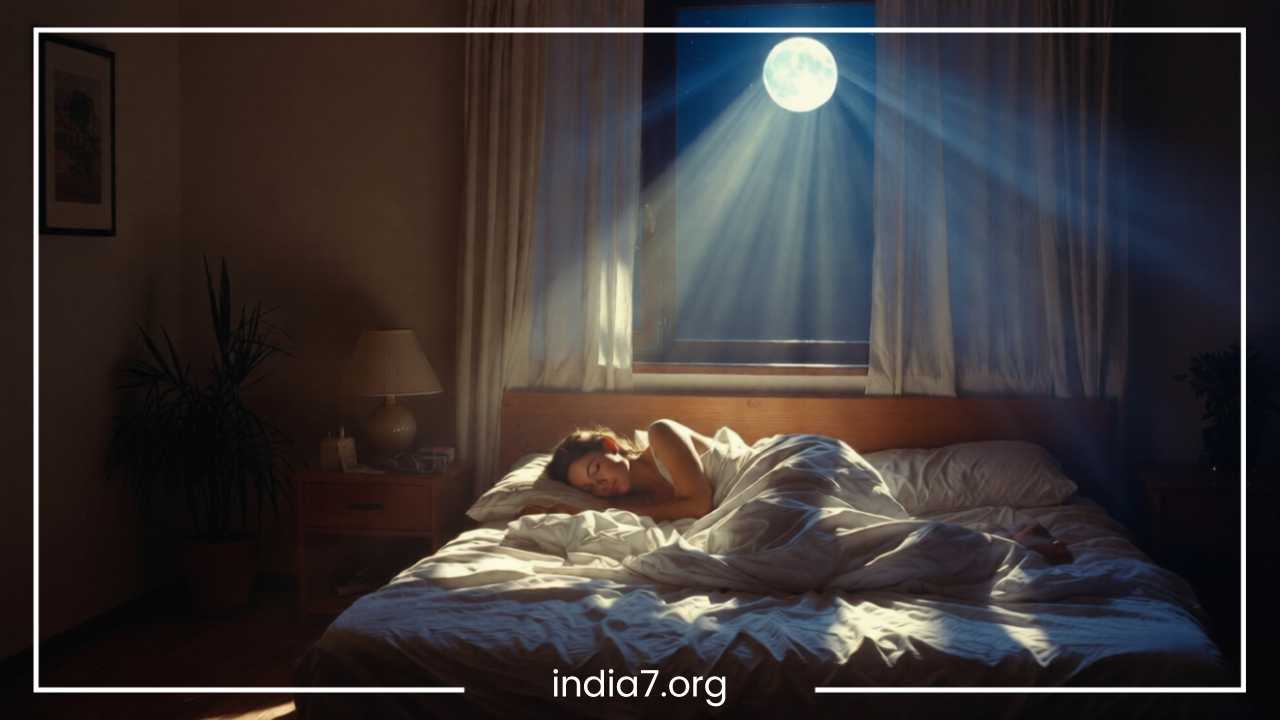
Best Ways to Sleep Better Naturally: Improve Sleep Quality Without Medication
In the modern world, sleep is often the first thing we sacrifice. Between the demands of a high-pressure career, the endless pull of digital entertainment, and the constant connectivity of social media, the quiet hours of the night have become a battleground. However, sleep is not a luxury or a sign of laziness; it is a fundamental biological necessity, as vital to our survival as food and water.
While many people turn to over-the-counter sleep aids or prescription medications to find rest, these often act as a chemical “off switch” rather than facilitating the restorative, natural cycles the body requires. Improving sleep naturally involves aligning your lifestyle with your biological rhythms. By understanding how your body prepares for rest and making intentional changes to your environment and habits, you can achieve a higher quality of sleep that leaves you feeling truly rejuvenated.
Read: Unlock Your Hips: The Ultimate Guide to Hip Exercises
Read: Unlock Your Hips: The Ultimate Guide to Hip Exercises
Understanding Sleep Basics: The Architecture of Rest
To fix your sleep, you must first understand what happens when you close your eyes. Sleep is not a uniform state of unconsciousness; it is a complex, active series of cycles that the brain and body navigate to perform essential maintenance.
A typical night of sleep consists of several cycles, each lasting about 90 to 120 minutes. These cycles are divided into Non-Rapid Eye Movement (NREM) and Rapid Eye Movement (REM) sleep.
-
NREM Stage 1: This is the lightest stage of sleep, the transition between wakefulness and slumber. Your heartbeat and breathing slow down, and your muscles begin to relax.
-
NREM Stage 2: This is a period of light sleep before you enter deeper sleep. Your body temperature drops and eye movements stop. Most of our total sleep time is spent in this stage.
-
NREM Stage 3 (Deep Sleep): This is the “restorative” stage. During deep sleep, the body repairs tissues, builds bone and muscle, and strengthens the immune system. It is very difficult to wake someone during this stage, and if you are woken up, you feel profound grogginess.
-
REM Sleep: This stage first occurs about 90 minutes after falling asleep. It is characterized by high brain activity and dreaming. It is crucial for cognitive functions like memory consolidation, emotional regulation, and creative problem-solving.
Read: What is a Liquid Diet
The Circadian Rhythm: Your Internal Conductor
Your sleep-wake cycle is governed by your circadian rhythm, an internal 24-hour clock located in the brain’s hypothalamus. This clock responds to external cues, primarily light and darkness. When the sun goes down, your brain signals the pineal gland to release melatonin, the hormone that tells your body it is time to sleep. Conversely, morning light triggers the release of cortisol, which helps you feel alert and awake.
Why Natural Sleep Matters
Natural sleep allows the brain to perform the “glymphatic” process—a waste-clearance system that flushes out toxins accumulated during the day. Relying on medication can sometimes bypass these natural stages, leading to “fragmented” sleep where you may be unconscious for eight hours but wake up feeling unrefreshed because you lacked sufficient deep or REM sleep.
Read: How to Get Skinny Fast
Common Causes of Poor Sleep in the Modern Era
Identifying the culprits behind a restless night is the first step toward a solution. Modern lifestyle choices often work in direct opposition to our biological needs.
Stress and Anxiety
The “tired but wired” feeling is usually caused by elevated cortisol levels. When you worry about work, finances, or personal issues, your nervous system remains in a state of sympathetic dominance (fight or flight). This hyperarousal makes it nearly impossible for the brain to transition into the parasympathetic state required for sleep.
Excess Screen Time (Blue Light Exposure)
The LED screens on smartphones, tablets, and laptops emit high concentrations of blue light. This specific wavelength mimics sunlight, tricking the brain into suppressing melatonin production. Even a few minutes of scrolling before bed can delay your sleep cycle by hours.
Caffeine and Late-Night Eating
Caffeine blocks adenosine receptors in the brain. Adenosine is a chemical that builds up throughout the day to create “sleep pressure.” By blocking it, caffeine masks your fatigue but doesn’t eliminate the need for sleep. Furthermore, eating a heavy meal late at night forces your digestive system to work while the rest of your body is trying to shut down, often leading to acid reflux or indigestion.
Irregular Sleep Schedules
Our bodies crave predictability. If you go to bed at 10:00 PM on weekdays but 2:00 AM on weekends, you suffer from “social jetlag.” This constant shifting of your internal clock makes it difficult for your body to know when to release sleep hormones.
Create a Consistent Sleep Routine
The body’s internal clock functions best when it can predict when sleep will occur. Consistency is the cornerstone of high-quality natural sleep.
The Power of the Same Wake-Up Time
While it is tempting to catch up on sleep by sleeping in on Saturdays, this actually disrupts your rhythm for the following Monday. Keeping a consistent wake-up time—even on weekends—anchors your circadian rhythm. This ensures that your “sleep drive” builds up at a steady rate throughout the day, making it easier to fall asleep at the same time every night.
Pre-Sleep Rituals: Training the Brain
Just as you wouldn’t expect a car to go from 60 mph to a dead stop instantly, you cannot expect your brain to switch from high-productivity mode to sleep mode without a transition. A “wind-down” period of 30 to 60 minutes is essential.
-
Reading a physical book: This engages the mind without the stimulation of a screen.
-
Light stretching: Relieving physical tension can signal to the nervous system that the day is over.
-
Journaling: Writing down “to-do” lists or worries can “download” them from your brain, preventing them from looping in your head once you hit the pillow.
-
Dimming the lights: About an hour before bed, turn off overhead lights and use lamps with warm bulbs to mimic the setting sun.
Optimize Your Sleep Environment
Your bedroom should be a sanctuary reserved exclusively for sleep and intimacy. If your brain associates the bedroom with work, stress, or entertainment, falling asleep will remain a struggle.
Temperature Control: The Cool Factor
Biological processes for sleep involve a slight drop in core body temperature. Most experts recommend a room temperature of approximately 65 degrees Fahrenheit (18 degrees Celsius). A room that is too warm can interfere with the body’s natural cooling process, leading to restless tossing and turning. If you find yourself kicking off the covers, your room is likely too hot.
Total Darkness
Melatonin production is extremely sensitive to light. Use blackout curtains to block streetlights and cover any small LED lights from electronics (like chargers or monitors). If you cannot control the light in your room, a high-quality silk sleep mask can be a game-changer.
Managing Sound
If you live in a noisy area, a white noise machine or a simple fan can provide a consistent sound floor that masks sudden disruptive noises like car horns or barking dogs. Alternatively, pink noise (which emphasizes lower frequencies) has been shown in some studies to improve deep sleep quality.
Mattress and Pillows
Invest in a mattress and pillows that support your specific sleeping position (back, side, or stomach). A mattress that is too old or unsupportive can cause chronic micro-discomfort that pulls you out of deep sleep stages without you even realizing it. Furthermore, keep your space decluttered; a messy room can lead to a messy mind, increasing subconscious stress before bed.
Reduce Screen Time Before Bed
The relationship between technology and sleep is perhaps the most significant challenge of the 21st century.
The Digital Sunset
The goal should be a digital sunset. At least 60 to 90 minutes before bed, put your devices away. This isn’t just about the blue light; it’s about the cognitive engagement. Social media is designed to be addictive and emotionally stimulating. Whether it’s a frustrating news story or the dopamine hit of a “like,” these interactions keep your brain in an active, alert state.
Practical Tips for Tech-Free Nights
-
Charge your phone in another room: This eliminates the temptation to check it “one last time” before closing your eyes.
-
Use an analog alarm clock: Avoid using your phone as an alarm to prevent the morning scroll.
-
Enable Blue Light Filters: If you absolutely must use a device, enable “Night Shift” or “Blue Light Filter” modes. However, remember that these only reduce the light; they don’t eliminate the mental stimulation.
Natural Relaxation Techniques
If your mind is racing, you need physical and mental tools to force the body into a “parasympathetic” state (rest and digest).
Deep Breathing (The 4-7-8 Method)
This technique acts as a natural tranquilizer for the nervous system.
-
Exhale completely through your mouth.
-
Close your mouth and inhale quietly through your nose to a count of 4.
-
Hold your breath for a count of 7.
-
Exhale completely through your mouth, making a whooshing sound to a count of 8.
This pattern slows the heart rate and increases oxygen in the bloodstream, signaling the brain to relax.
Progressive Muscle Relaxation (PMR)
Starting from your toes and working your way up to your face, tense each muscle group for five seconds and then release suddenly. Feel the tension draining away. This helps you recognize the difference between physical tension and relaxation, making it easier to let go of the day’s stress.
Meditation and Mindfulness
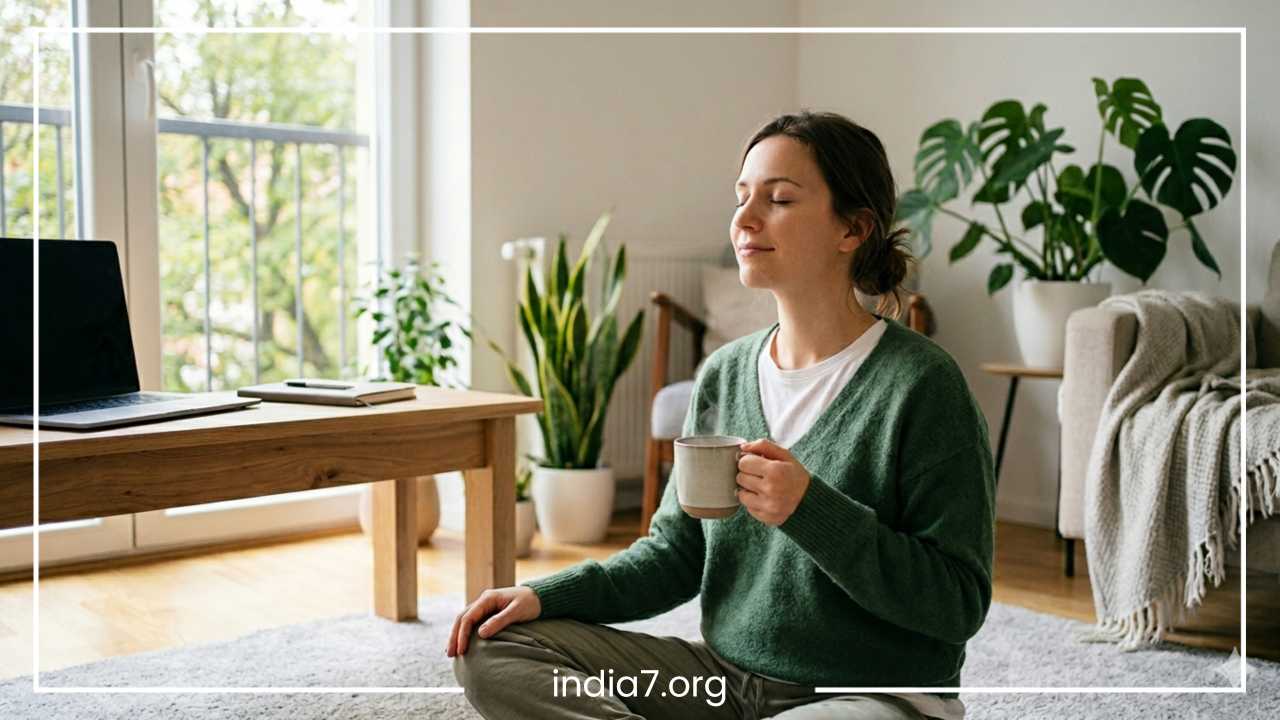
Mindfulness involves observing your thoughts without judgment. Instead of fighting insomnia, which creates more stress, mindfulness teaches you to accept the current moment. This reduction in “performance anxiety” regarding sleep often allows sleep to happen more naturally. Even five minutes of guided meditation can lower your heart rate and prepare you for rest.
Diet and Nutrition for Better Sleep
What you put into your body during the day dictates how well you rest at night.
Foods That Promote Sleep
Certain foods contain precursors to sleep-inducing hormones:
-
Magnesium-rich foods: Spinach, pumpkin seeds, and almonds help muscles relax.
-
Tryptophan: Found in turkey, milk, and eggs, this amino acid is a precursor to serotonin and melatonin.
-
Bananas: These contain both magnesium and potassium, which help relax overstressed muscles.
-
Chamomile Tea: This herbal infusion contains apigenin, an antioxidant that binds to certain receptors in your brain that may promote sleepiness.
What to Avoid
-
Caffeine Timing: Caffeine has a half-life of about five to six hours. If you have a cup of coffee at 4:00 PM, half of it is still in your system at 10:00 PM. Try to cut off caffeine by noon or 2:00 PM.
-
Heavy, Spicy, or Acidic Foods: Eating a large meal right before bed can cause indigestion or acid reflux, which is exacerbated when lying flat.
-
The Alcohol Paradox: While alcohol is a sedative that might help you fall asleep faster, it is a major disruptor of REM sleep. As the alcohol wears off, the body experiences a “rebound effect,” leading to frequent awakenings and a groggy feeling the next morning.
Exercise and Physical Activity
Physical exertion is one of the best ways to deepen sleep, provided it is timed correctly.
Improving Sleep Quality
Regular aerobic exercise increases the amount of “slow-wave” or deep sleep you get. It also helps regulate your mood and reduce the symptoms of anxiety, which are primary drivers of insomnia. Even 30 minutes of moderate activity, such as brisk walking, can significantly improve sleep duration.
Timing is Key
Exercise increases core body temperature and releases endorphins. For some people, working out late at night can be too stimulating. Ideally, try to finish intense workouts at least three hours before your planned bedtime to allow your body temperature to drop and your heart rate to return to baseline. A light evening walk, however, can be very beneficial for digestion and relaxation.
Manage Stress and Anxiety
Sleep problems are often a symptom of “daytime problems.” If you don’t manage your stress while the sun is up, it will manage you while you are trying to sleep.
Brain Dumping and Journaling
One of the main reasons people stay awake is “cognitive shuffling”—running through tomorrow’s tasks. Spending five minutes before bed writing down everything you need to do the next day can provide mental closure. Once it is on paper, the brain feels it has permission to stop ruminating on it.
Gratitude Practice
Anxiety is often focused on the future or the past. A gratitude practice—listing three things you were thankful for today—forces the brain into the present moment and fosters a sense of safety and contentment, which are the emotional foundations of sleep.
Natural Sleep Aids (Herbal Remedies)
While lifestyle changes should be the first line of defense, certain natural supplements can assist during times of high stress.
-
Valerian Root: An ancient herbal remedy used for centuries to treat insomnia and nervousness. It is often referred to as “nature’s Valium.”
-
Ashwagandha: An adaptogen that helps the body manage cortisol, potentially reducing the “stress” barrier to sleep.
-
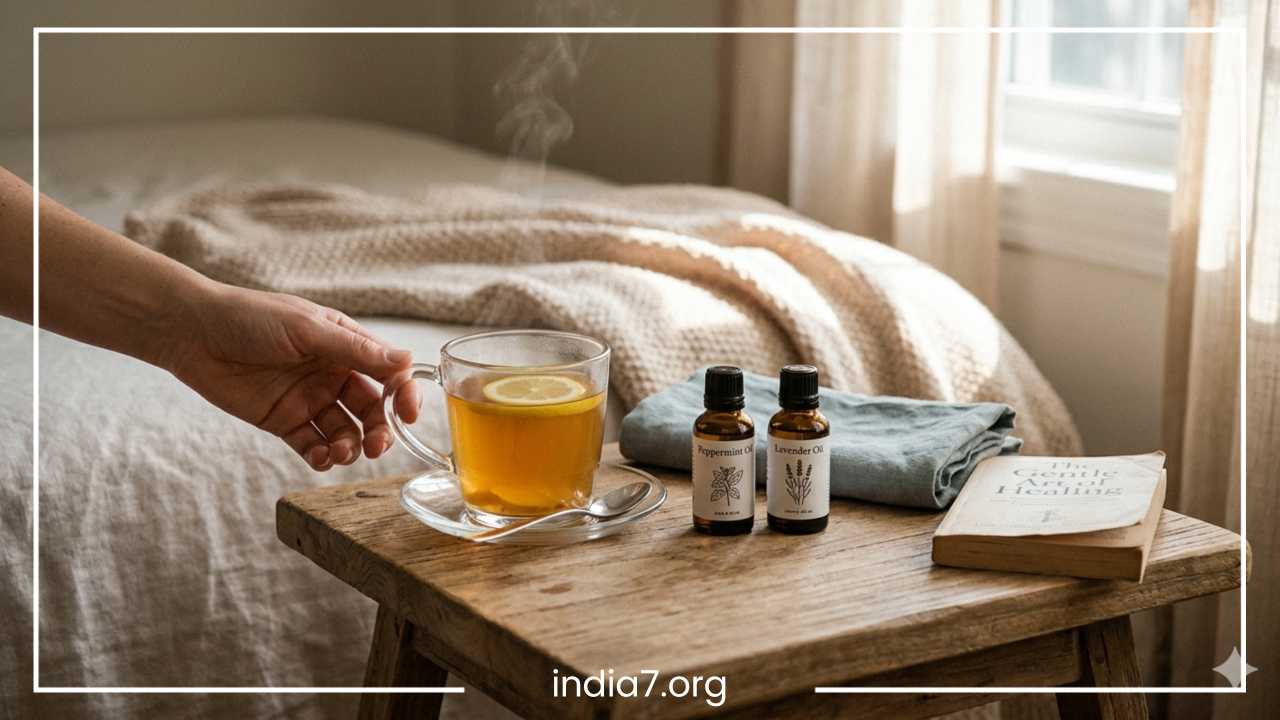
Lavender Essential Oil: Aromatherapy with lavender has been shown in studies to improve sleep quality and increase the percentage of deep sleep. A few drops on your pillow or in a diffuser can work wonders.
-
Passionflower: Often used in tea, passionflower can help reduce anxiety and improve sleep quality by increasing levels of GABA (gamma-aminobutyric acid) in the brain.
Note: Always consult with a healthcare provider before starting any new supplement, as they can interact with other medications.
Habits to Avoid for Better Sleep
Sometimes, what you don’t do is just as important as what you do.
-
Napping Too Long: A 20-minute power nap can be refreshing, but napping for two hours in the late afternoon will deplete your “sleep hunger,” making it impossible to fall asleep at night.
-
Clock Watching: If you can’t sleep, looking at the clock and calculating how few hours you have left only increases anxiety. Turn the clock away from the bed.
-
Using the Bed for Work: If you answer emails or study in bed, your brain associates the mattress with alertness and stress. Keep work at a desk so that the bed remains a trigger for relaxation.
-
Overthinking in Bed: If you haven’t fallen asleep after 20 minutes, get out of bed. Go to another room, do something calm in dim light (like folding laundry), and only return to bed when you feel sleepy. This prevents the brain from associating the bed with the frustration of being awake.
When to Seek Professional Help
While natural methods are highly effective for most people, some sleep issues are medical in nature. If you consistently struggle to fall or stay asleep despite practicing good sleep hygiene, or if you experience excessive daytime sleepiness, you may have an underlying condition.
Signs of chronic issues include:
-
-
Insomnia: Difficulty falling or staying asleep that occurs at least three times a week for three months or more.
-
Sleep Apnea: Symptoms like loud snoring, gasping for air during the night, or waking up with a very dry throat.
-
-
Restless Leg Syndrome: An uncontrollable urge to move your legs, usually because of an uncomfortable sensation.
If these apply to you, consult a sleep specialist. Natural methods can complement medical treatment but may not replace it in these cases.
Final Thoughts: Reclaiming Your Nights
Achieving better sleep naturally is not about a single “magic pill” or a one-time fix. It is the result of a collection of small, consistent choices that respect your body’s biological needs. By aligning your light exposure, diet, activity levels, and mental habits with your circadian rhythm, you can transform the quality of your life.
Better sleep leads to better moods, sharper cognitive function, a stronger immune system, and a more resilient heart. Don’t try to change everything at once. Start tonight by turning off your screens an hour early, cooling down your room, and giving your mind the permission it needs to rest. Your body knows how to sleep; you simply need to create the environment that allows it to happen.