Top Ways to Lower Cholesterol
Top 10 Natural Ways to Lower Your Cholesterol Levels
Cholesterol is a word that often carries a heavy weight in the world of health and wellness. For many, hearing a doctor mention high cholesterol levels can be a source of significant anxiety. However, understanding what cholesterol is and how it functions in the body is the first step toward managing it effectively. At its core, cholesterol is not inherently “evil.” In fact, it is a waxy, fat-like substance that your liver produces naturally. It is essential for building cells, producing hormones like estrogen and testosterone, and synthesizing vitamin D.
The problem arises when the balance of cholesterol in the bloodstream becomes skewed. There are two primary types of lipoproteins that carry cholesterol through the body: High-Density Lipoprotein (HDL) and Low-Density Lipoprotein (LDL). HDL is often referred to as “good” cholesterol because it acts as a scavenger, picking up excess cholesterol in the blood and taking it back to the liver to be broken down and passed from the body. LDL, on the other hand, is known as “bad” cholesterol. When you have too much LDL, it can build up on the walls of your arteries, forming a hard substance called plaque.
This buildup, known as atherosclerosis, is particularly dangerous because it narrows the arteries and makes them less flexible. If a blood clot forms and blocks one of these narrowed arteries, it can lead to a heart attack or stroke. Given these risks, maintaining healthy levels is a vital component of long-term cardiovascular health. While medication is sometimes necessary, a lifestyle-first approach using natural methods can be incredibly effective. By making intentional choices regarding diet, physical activity, and daily habits, many individuals can significantly improve their lipid profile and protect their heart.
Read: Foods to Eat to Lose Weight
Understanding Cholesterol
To manage cholesterol naturally, one must understand the internal mechanics of how it circulates. Since cholesterol is a fat, it cannot travel through the blood (which is water-based) on its own. Instead, it hitches a ride on proteins called lipoproteins. The ratio of these lipoproteins is a critical indicator of your cardiovascular risk. Triglycerides, another type of fat found in the blood, also play a role. When you eat, your body converts any calories it doesn’t need to use right away into triglycerides, which are stored in your fat cells. High levels of triglycerides combined with high LDL or low HDL increase the risk of fatty buildup within the artery walls.
While the liver produces all the cholesterol the body needs, external factors contribute significantly to elevated levels. Diet is perhaps the most well-known factor; consuming high amounts of saturated and trans fats can signal the liver to produce more cholesterol than necessary. However, genetics also play a major role. Some individuals have a genetic predisposition, known as familial hypercholesterolemia, which makes it difficult for their bodies to clear LDL cholesterol from the blood, regardless of how healthy their diet is.
Beyond diet and genetics, a sedentary lifestyle is a major contributor. Lack of physical activity can lead to weight gain and lower HDL levels. Age and gender also influence cholesterol; as we get older, our cholesterol levels tend to rise. Before menopause, women typically have lower total cholesterol levels than men of the same age, but after menopause, women’s LDL levels tend to increase. Understanding these variables allows for a more personalized approach to heart health.
Read: How a Food Journal Can Help You to Lose Weight
Eat More Soluble Fiber
One of the most effective dietary changes you can make to lower your cholesterol is increasing your intake of soluble fiber. Unlike insoluble fiber, which adds bulk to the stool, soluble fiber dissolves in water to form a gel-like substance in the digestive tract. This gel acts like a sponge, binding to cholesterol and bile acids (which are made of cholesterol) in the small intestine. Once bound, the cholesterol is excreted from the body as waste rather than being absorbed into the bloodstream.
Oatmeal is perhaps the most famous source of soluble fiber, specifically a type called beta-glucan. Starting your day with a bowl of oatmeal or oat-based cereal provides a significant head start on your daily fiber goals. Legumes, including beans, lentils, and chickpeas, are also powerhouses of soluble fiber. They are incredibly versatile and can be added to soups, salads, and stews to boost both fiber and protein content.
Fruits such as apples, pears, and citrus fruits are also excellent sources. Apples, in particular, contain pectin, a specific type of soluble fiber known to lower LDL. Consuming these foods consistently has been shown in various studies to reduce LDL cholesterol by a measurable percentage. Aim for at least 25 to 30 grams of total fiber per day, with at least 10 grams coming from soluble sources.
Read: Can’t Sleep? Unveiling the Reasons & Finding Dreamland Again
Increase Intake of Healthy Fats
For years, many people believed that a low-fat diet was the only way to manage heart health. However, modern nutritional science has shifted the focus from the quantity of fat to the quality of fat. The key is to replace harmful fats with heart-healthy unsaturated fats. Monounsaturated fats, found in abundance in olive oil, nuts, and seeds, are particularly beneficial. They help lower LDL cholesterol while maintaining or even increasing HDL cholesterol.
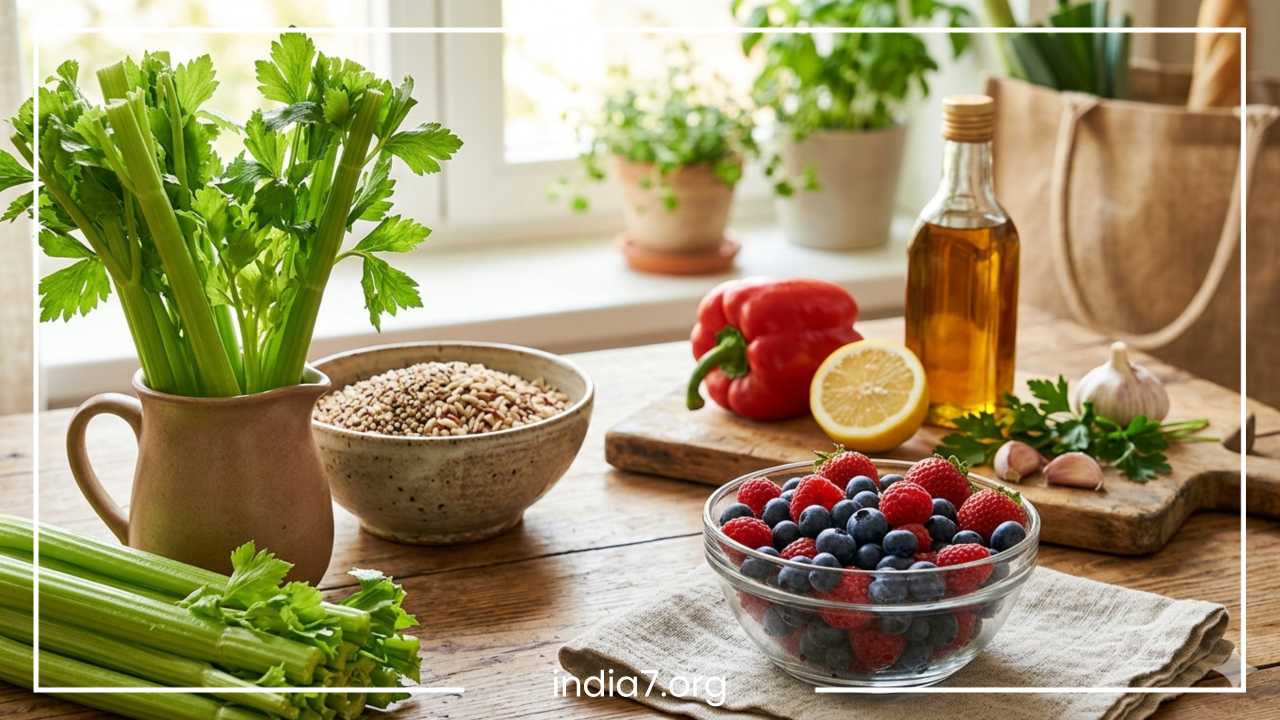
Olive oil should be a staple in a heart-healthy kitchen. Using it as a primary cooking oil or as a base for salad dressings replaces the need for butter or lard, which are high in saturated fats. Nuts such as almonds and walnuts are also highly effective. Walnuts, specifically, are rich in plant-based omega-3 fatty acids, which further support cardiovascular function.
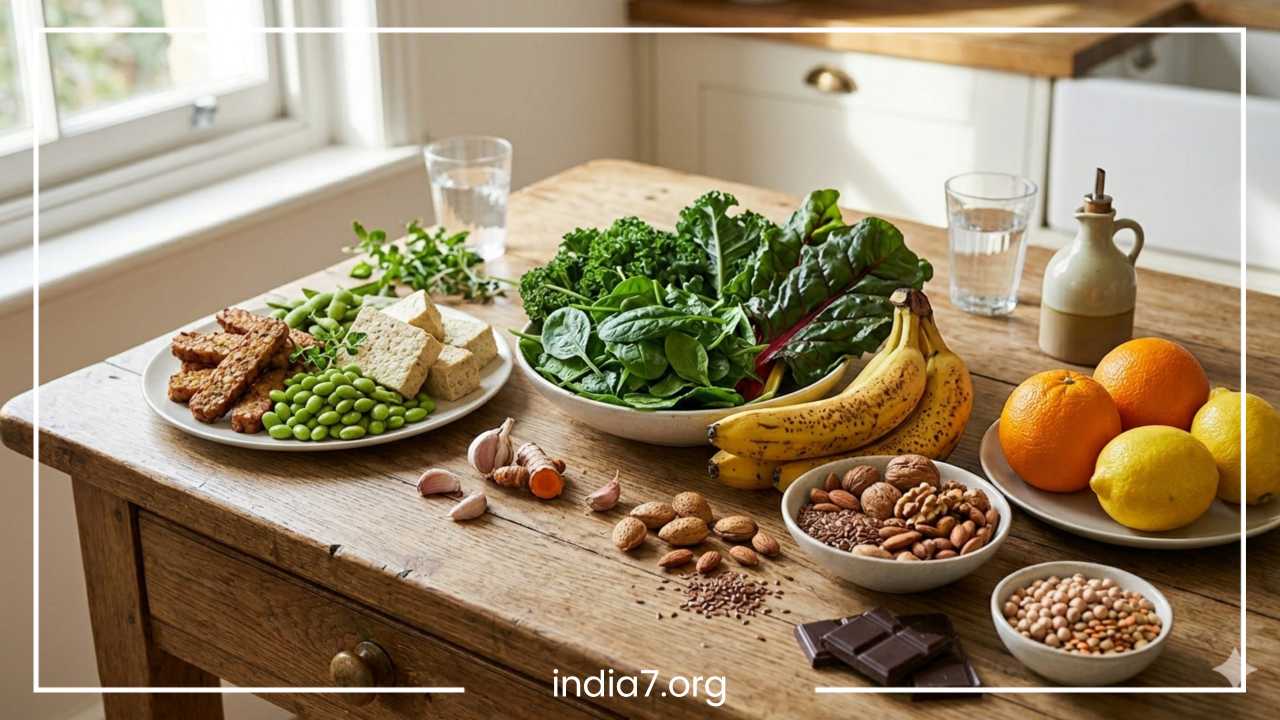
Seeds like chia seeds, flaxseeds, and pumpkin seeds are small but mighty additions to the diet. They provide a combination of healthy fats and fiber. While the focus of this guide is on general wellness, incorporating fatty fish like salmon into the diet is a well-documented way to improve the lipid profile. Salmon is rich in long-chain omega-3 fatty acids, which help reduce inflammation and lower triglycerides. For those following different dietary patterns, ensuring a high intake of walnuts and flaxseeds can provide similar omega-3 benefits.
Eliminate Trans Fats
If there is one “villain” in the world of dietary fats, it is trans fats, specifically the artificial variety known as partially hydrogenated oils. These fats are created through an industrial process that adds hydrogen to liquid vegetable oils to make them more solid at room temperature. This process increases the shelf life of processed foods, but it wreaks havoc on human health.
Trans fats are uniquely dangerous because they produce a “double whammy” effect: they simultaneously raise your LDL (bad) cholesterol and lower your HDL (good) cholesterol. This combination significantly increases the risk of developing heart disease, stroke, and type 2 diabetes. Because of these risks, many countries have moved to ban or strictly limit artificial trans fats in the food supply, but they can still linger in certain processed goods.
Common culprits include commercially baked cookies, crackers, cakes, and some margarines. To protect your heart, become an expert at reading food labels. Even if a package claims “0g trans fat,” it may still contain up to 0.5 grams per serving. Look for “partially hydrogenated oil” in the ingredients list; if you see it, put the product back on the shelf. Eliminating these fats entirely is one of the most impactful steps you can take for your cholesterol levels.
Exercise Regularly
Physical activity is a cornerstone of cardiovascular health. Exercise doesn’t just help you manage your weight; it directly influences how your body handles cholesterol. Regular aerobic exercise has been shown to increase HDL cholesterol, the “good” kind that helps clear LDL from your system. It also helps change the size of LDL particles, making them larger and less likely to lodge in the artery walls and cause blockages.
The American Heart Association recommends at least 150 minutes of moderate-intensity aerobic exercise per week. This can be broken down into 30 minutes a day, five days a week. Activities like brisk walking, cycling, swimming, or even vigorous gardening count toward this goal. The key is consistency; your body responds best to regular, sustained movement.
In addition to cardio, strength training or resistance exercise is highly beneficial. Lifting weights or using resistance bands twice a week can help improve overall body composition, which in turn supports a healthier metabolism. For those just starting, the most important thing is to find an activity you enjoy. Whether it is a daily walk in the park or a dedicated aerobic exercise class, moving your body is a powerful natural medicine for your heart.
Maintain a Healthy Weight
Carrying excess body weight, particularly around the midsection, is closely linked to high cholesterol levels. Obesity affects how your body produces and manages lipoproteins. It tends to increase the amount of LDL produced by the liver and decrease the rate at which it is cleared from the blood. Furthermore, excess fat cells can lead to increased levels of triglycerides and lower levels of HDL.
The good news is that even modest weight loss can have a significant impact. Losing just 5% to 10% of your total body weight has been shown to noticeably lower LDL cholesterol and improve blood pressure. Weight management is most successful when approached through sustainable lifestyle changes rather than “crash” diets.
Practical tips for weight maintenance include portion control and mindful eating. Paying attention to hunger cues and avoiding distractions like television during meals can prevent overeating. Focusing on nutrient-dense foods—like the fiber-rich vegetables and healthy fats mentioned earlier—helps you feel full and satisfied while consuming fewer calories. Remember that the goal is long-term health, and gradual progress is often more permanent than rapid change.
Quit Smoking
Smoking is one of the most significant risk factors for heart disease, and its impact on cholesterol is a major reason why. Tobacco use changes the way the body handles cholesterol. It lowers the levels of HDL, making it harder for the body to remove excess LDL from the bloodstream. Furthermore, the chemicals in cigarette smoke damage the walls of the blood vessels, making them more likely to collect fatty deposits.
When the lining of the arteries is damaged, LDL cholesterol can more easily penetrate the vessel walls, accelerating the process of atherosclerosis. The combination of high LDL and smoking creates a high-pressure environment for the heart. However, the benefits of quitting are almost immediate. Within just 20 minutes of quitting, your blood pressure and heart rate recover from the cigarette-induced spike.
Within one year of quitting, the risk of heart disease is cut in half compared to that of a smoker. Within 15 years, the risk of heart disease is similar to that of someone who has never smoked. Quitting smoking is undoubtedly difficult, but it is perhaps the single most important action a smoker can take to improve their cholesterol profile and overall longevity.
Limit Alcohol Intake
The relationship between alcohol and heart health is often discussed in the media, sometimes with conflicting information. While some studies suggest that very moderate alcohol consumption might slightly raise HDL levels, the risks of excessive drinking far outweigh any potential benefits. Excessive alcohol consumption can lead to high blood pressure, heart failure, and increased triglyceride levels.
When you drink alcohol, it is broken down and rebuilt into triglycerides and cholesterol in the liver. Therefore, drinking too much can lead to an accumulation of fats in the blood. If you do choose to drink, it is vital to do so in moderation. This generally means up to one drink a day for women and up to two drinks a day for men.
For those who do not currently drink, there is no medical reason to start for the sake of cholesterol. There are far more effective and less risky ways to raise HDL, such as exercise and healthy fat consumption. Keeping alcohol intake within recommended limits helps ensure that your liver can function optimally and that your heart remains protected from the inflammatory effects of heavy drinking.
Add Plant Sterols and Stanols
Plant sterols and stanols, also known as phytosterols, are naturally occurring compounds found in the cell membranes of plants. They are structurally very similar to cholesterol. Because of this similarity, they compete with cholesterol for absorption in the digestive system. When you consume enough sterols and stanols, they effectively “block” the gateways in your intestines, preventing some cholesterol from entering the bloodstream.
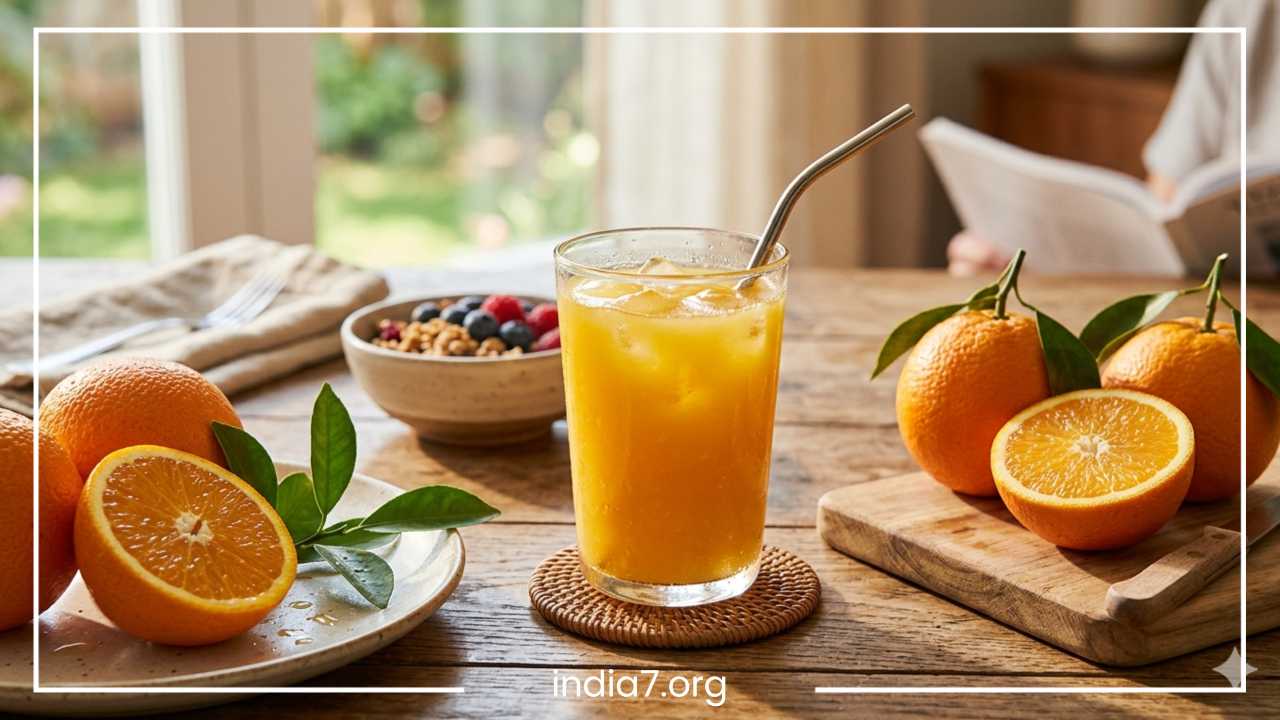
While these compounds are found naturally in small amounts in vegetable oils, nuts, and grains, the levels found in whole foods are often not enough to significantly lower cholesterol. Therefore, many people look to fortified foods or supplements. Some margarines, orange juices, and yogurts are enriched with plant sterols.
Research indicates that consuming about 2 grams of plant sterols or stanols per day can lower LDL cholesterol by 5% to 15%. This is a significant reduction for a natural intervention. If you choose to use fortified products, be sure to account for the extra calories they might contain. Incorporating these “cholesterol blockers” into an otherwise healthy diet provides an extra layer of defense against high LDL.
Eat More Omega-3 Fatty Acids
Omega-3 fatty acids are a type of polyunsaturated fat that the body cannot produce on its own, meaning they must come from the diet. While they don’t significantly lower LDL cholesterol directly, they play a crucial role in heart health by reducing triglycerides, lowering blood pressure, and preventing blood clots. By improving these other markers, omega-3s significantly reduce the overall risk of heart attack and stroke.
The most potent forms of omega-3s, EPA and DHA, are primarily found in fatty fish. However, plant-based sources provide ALA, which the body can partially convert into EPA and DHA. Flaxseeds, chia seeds, and walnuts are excellent sources of ALA. Incorporating these into your daily routine—perhaps by adding ground flaxseeds to your morning oatmeal—is a simple way to boost your intake.
For those who consume fish, servings of mackerel, sardines, or salmon twice a week are recommended. For those who do not eat fish, high-quality algae-based supplements can provide DHA and EPA directly. Maintaining a high level of omega-3 fatty acids helps keep the heart’s rhythm steady and reduces overall inflammation in the cardiovascular system.
Manage Stress Levels
The link between mental health and physical health is profound, and cholesterol is no exception. While stress itself doesn’t contain cholesterol, the body’s hormonal response to chronic stress can drive levels upward. When you are stressed, your body releases cortisol and adrenaline. These hormones trigger a “fight or flight” response that increases blood sugar and triglycerides to provide energy.
Over time, if stress is chronic, these elevated levels can lead to higher cholesterol. Furthermore, people under high stress are more likely to engage in unhealthy coping mechanisms, such as “emotional eating” of high-fat, sugary foods, smoking, or becoming less active. Managing stress is therefore a physiological necessity for heart health.
Techniques such as meditation and deep breathing exercises can help lower cortisol levels. Yoga is another excellent practice, as it combines physical movement with mindfulness and breath control. Even simple activities, like spending time in nature, reading a book, or engaging in a hobby, can help mitigate the effects of stress. Prioritizing mental well-being is not a luxury; it is a vital part of a comprehensive strategy to lower cholesterol naturally.
Sample Daily Diet Plan
Implementing these changes can feel overwhelming, but a sample daily plan shows how easily these “top 10” strategies can be integrated into your life.
-
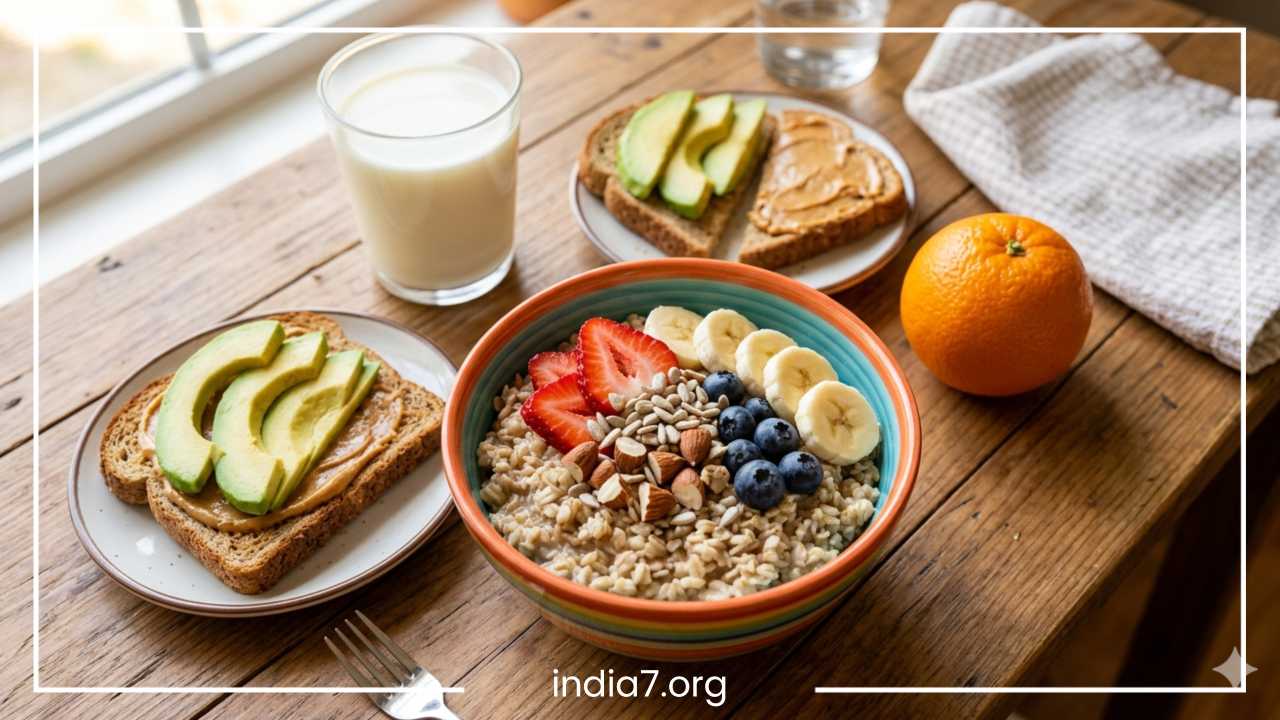
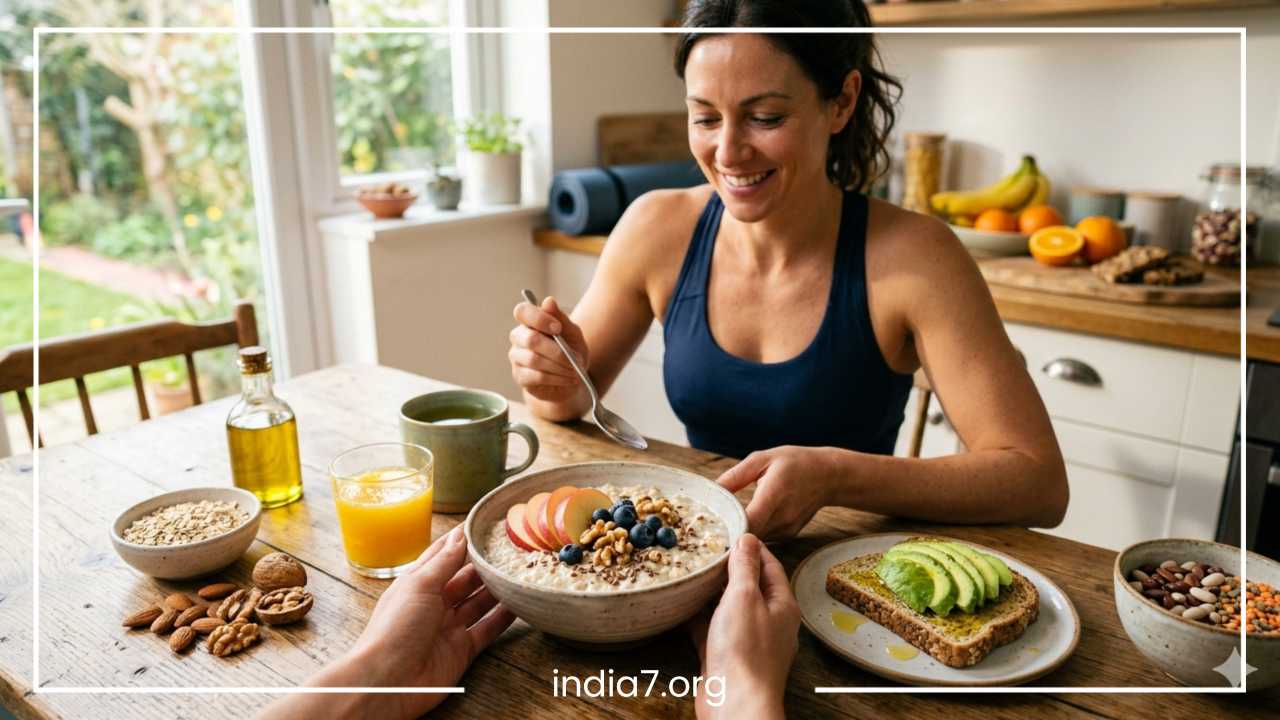
Breakfast: A warm bowl of oatmeal topped with sliced apples, a handful of walnuts, and a spoonful of ground flaxseeds. This meal provides a massive dose of soluble fiber and healthy omega-3s.
-
Morning Snack: A small orange or a handful of raw almonds. The citrus provides pectin, while the almonds offer monounsaturated fats.
-
Lunch: A large salad featuring mixed greens, chickpeas, cucumbers, and bell peppers, dressed with extra virgin olive oil and lemon juice. This avoids trans fats and emphasizes healthy plant proteins and fats.
-
Afternoon Snack: Carrot sticks with hummus. Legumes like those in hummus are excellent for fiber.
-
Dinner: A piece of grilled salmon (or a lentil-based stew for a plant-focused option) served with a side of steamed broccoli and quinoa. This provides a balance of healthy fats, fiber, and essential nutrients.
-
Evening: A calming cup of herbal tea and ten minutes of deep breathing or light stretching to manage stress before bed.
By following a pattern like this, you naturally eliminate processed foods and trans fats while maximizing the intake of cholesterol-lowering nutrients.
Foods to Avoid
While adding healthy foods is important, it is equally vital to identify and limit foods that act as “cholesterol triggers.” Saturated fats are the primary concern here. These are found mostly in animal products and some tropical oils. Reducing intake of high-fat dairy products, such as butter and cream, can make a noticeable difference.
Fried foods are another major category to avoid. Not only are they often high in calories, but the oils used in commercial frying are frequently reused and can contain trans fats or high levels of saturated fats. Processed snacks, such as packaged chips and crackers, should also be limited as they often contain hidden fats and high amounts of sodium and sugar, which can negatively impact heart health.
Sugary items, including sodas, candies, and heavily sweetened desserts, don’t contain cholesterol, but they contribute to weight gain and high triglycerides. When the body has an excess of sugar, the liver converts it into fat, which can elevate your lipid profile. Focusing on whole, unprocessed foods is the best way to steer clear of these dietary pitfalls.
When to See a Doctor
Natural methods are incredibly powerful, but they are not a substitute for professional medical guidance. It is important to have your cholesterol levels checked regularly through a blood test called a lipid panel. This test provides specific numbers for your Total Cholesterol, LDL, HDL, and Triglycerides.
You should consult a doctor if you have a strong family history of early heart disease, as this may indicate familial hypercholesterolemia. In such cases, lifestyle changes are still essential, but medication may be required to bring levels into a safe range. Additionally, if you have other risk factors like diabetes or high blood pressure, your doctor will want to monitor your cholesterol more closely.
Never stop taking prescribed cholesterol medication without consulting your healthcare provider. Lifestyle changes can often allow a doctor to lower your dosage over time, but these decisions must be made based on clinical data. A doctor can also help you determine if certain supplements, like plant sterols or omega-3s, are right for your specific situation.
Final Thoughts
Lowering your cholesterol naturally is a journey of a thousand small steps. It is not about a temporary diet or a short-term exercise “kick,” but rather about shifting your lifestyle toward habits that support your heart every single day. By focusing on increasing soluble fiber, embracing healthy fats, moving your body, and managing stress, you are giving your cardiovascular system the tools it needs to thrive.
Consistency is far more important than perfection. If you have a day where you don’t eat perfectly or miss a workout, simply return to your healthy habits the next day. The cumulative effect of these choices—choosing olive oil over butter, taking a walk after dinner, or opting for an apple instead of a processed snack—adds up to a significant reduction in heart disease risk. Your heart is a remarkably resilient organ; when you provide it with the right environment through natural care, it has an incredible capacity for health and longevity.
Frequently Asked Questions About Lowering Cholesterol
How can I lower my cholesterol naturally in 30 days?
Lowering cholesterol naturally in a short timeframe requires a highly disciplined approach to diet and movement. Focus on consuming at least 10 grams of soluble fiber daily through oats and legumes, and eliminate all trans fats found in processed snacks. Increasing daily cardiovascular activity to 30 or 45 minutes can also help stimulate the enzymes that move LDL from the blood to the liver for excretion. While 30 days is enough to see a measurable shift in a blood test, consistency is required to maintain those results long-term.
What are the best foods to lower cholesterol fast?
The most effective foods for rapid impact are those high in soluble fiber and healthy unsaturated fats. Oatmeal, barley, and beans are top choices because they physically block cholesterol absorption in the gut. Additionally, walnuts and flaxseeds provide essential fatty acids that support heart health. Incorporating “cholesterol-blocking” foods like those fortified with plant sterols can also provide a faster reduction in LDL levels compared to diet alone.
Can I lower my cholesterol without medication?
Many people can successfully lower their cholesterol through lifestyle interventions alone. By focusing on weight management, a heart-healthy diet, and regular exercise, it is possible to see a significant drop in LDL levels. However, the effectiveness depends on your starting numbers and your genetic predisposition. If lifestyle changes do not bring levels into a safe range after several months, a healthcare provider may suggest a combination of natural methods and medical support.
What are the warning signs of high cholesterol?
High cholesterol is often called a “silent” condition because it typically has no visible symptoms. Most people do not know their levels are high until they have a blood test. In extreme cases of genetic high cholesterol, some people may develop yellowish growths on the skin called xanthomas or a white ring around the cornea of the eye. Because symptoms are rare, regular screening through a lipid panel is the only reliable way to monitor your status.
Does drinking water help lower cholesterol?
While drinking water does not directly “flush” cholesterol out of your arteries, staying well-hydrated is essential for overall metabolic health. Water supports liver and kidney function, which are the primary organs responsible for processing and excreting waste. Furthermore, drinking water instead of sugary sodas or excessive alcohol helps reduce calorie intake and triglyceride levels, which indirectly supports a healthier cholesterol profile.
Is yoga effective for reducing high cholesterol?
Yes, yoga can be a powerful tool for managing cholesterol, primarily through stress reduction. Chronic stress triggers the release of cortisol, which can increase the production of triglycerides and LDL. By practicing yoga, you lower your body’s stress response. Additionally, the physical activity involved in more vigorous styles of yoga contributes to the 150 minutes of weekly exercise recommended for heart health.