Top Ways to Keep a Room Cool Without AC

10 Effective Ways to Keep a Room Cool Without AC (Simple Tips That Work)
As global temperatures continue to fluctuate and energy costs steadily climb, finding ways to maintain a comfortable living environment has become a priority for many households. While air conditioning is often seen as the ultimate solution for beating the heat, it is not always the most practical or desirable option. High electricity bills, the environmental impact of heavy energy consumption, and the simple fact that many older homes or rental properties lack the infrastructure for central cooling have led people to seek out alternative methods.
Managing indoor temperatures naturally is about more than just comfort; it is about sustainability and resourcefulness. By understanding the principles of thermodynamics and how heat moves through a building, you can significantly lower the temperature of your living space without relying on a thermostat. Natural cooling methods offer several benefits beyond cost savings. They promote better indoor air quality by encouraging ventilation, reduce your carbon footprint, and are accessible to almost anyone regardless of their living situation.
In this guide, we will explore the foundational reasons why homes get hot in the first place and provide ten comprehensive, actionable strategies to keep your room cool. From blocking solar gain to optimizing airflow and making small changes to your daily habits, these methods work together to create a sanctuary from the heat. Whether you are living in a high-rise apartment or a suburban home, these tips will help you stay cool and comfortable through the warmest months.
Read: Losing Weight After 40
How Heat Builds Up Indoors
To effectively cool a room, you must first understand how it gets hot. Heat enters and stays in your home through three primary channels: solar radiation, poor ventilation, and internal heat gains. By identifying these sources, you can apply the right solutions to stop heat at the entry point rather than trying to combat it once it has already settled in your living space.
Solar Gain Through Windows and Walls
The most significant source of indoor heat is the sun. Sunlight traveling through glass windows acts like a greenhouse, trapping infrared radiation inside. This is known as solar heat gain. Once the sunlight hits your floor, furniture, or walls, those objects absorb the energy and radiate it back into the room as heat. Even if your windows are closed, the walls and roof of your building absorb heat throughout the day, eventually conducting that thermal energy into the interior.
The Trap of Poor Ventilation
Heat has a tendency to linger. In many modern buildings, insulation is designed to keep heat in during the winter, but if the air is stagnant during the summer, that same insulation keeps the cool air out. Without a consistent flow of air, the warm air produced by sunlight and occupants becomes trapped. Because warm air is less dense than cool air, it rises and collects near the ceiling, creating a stifling environment if there is no path for it to escape.
Internal Heat Sources
Often overlooked are the heat sources we create ourselves. Every light bulb, television, laptop, and kitchen appliance generates a certain amount of heat. In a small or poorly ventilated room, the cumulative effect of these devices can raise the temperature by several degrees. Even the human body radiates heat; in a crowded room, the collective body heat of several people can quickly make the space feel uncomfortable. Understanding these factors is the first step toward reclaiming your comfort.
Read: Weight Loss Exercise: Shed Pounds & Build Health
Block Direct Sunlight
The first line of defense in keeping a room cool is preventing the sun from entering in the first place. Once sunlight passes through your window panes, the cooling battle becomes significantly harder. Blocking direct sunlight is the most effective way to reduce the internal temperature of a room during the peak hours of the day.
Standard curtains offer some protection, but for maximum efficiency, consider blackout blinds or thermal curtains. These are designed with heavy, multi-layered fabrics or reflective backings that prevent light and heat from penetrating the room. Reflective window films are another excellent option; they are applied directly to the glass and can reflect a large percentage of solar radiation while still allowing you to see outside.
The timing of this strategy is critical. Most people wait until the room feels hot to close the curtains, but the key is to be proactive. Close all south and west-facing windows and blinds before the sun hits them—typically by mid-morning. Keeping the room in “twilight” during the hottest part of the day acts as a shield, ensuring that the air and furniture inside stay at a manageable baseline temperature.
Read: How Much Water Should I Drink to Lose Weight
Optimize Natural Ventilation
Ventilation is the process of replacing stale, warm indoor air with fresher, cooler outdoor air. To do this effectively without an AC, you must master the art of cross-ventilation. This involves creating a clear path for air to move through the house, rather than just opening a single window.
The best strategy is to open windows on opposite sides of the room or house. This creates a pressure difference that “pulls” air through the space. However, timing is everything. Opening windows during the middle of the day often invites hot air inside, defeating the purpose. Instead, wait until the outdoor temperature drops below the indoor temperature—usually in the late evening or early morning.
During these cooler hours, open your windows wide to flush out the heat that accumulated during the day. If you live in a multi-story home, remember that heat rises. Opening windows on the lower floor to let in cool air and windows on the upper floor to let out the rising warm air creates a “stack effect,” naturally circulating the air throughout the entire structure.
Use Fans Strategically
A fan does not actually cool the air; instead, it cools people by creating a “wind chill” effect. As air moves over your skin, it speeds up the evaporation of moisture, which pulls heat away from your body. To get the most out of your fans, you need to understand the mechanics of airflow.
If you have a ceiling fan, ensure it is rotating in the correct direction. During the warmer months, the blades should rotate counterclockwise. This direction pushes a concentrated column of air directly downward, creating that necessary breeze. Most fans have a small toggle switch on the motor housing to change the direction.
For table or pedestal fans, placement is key. Do not just point the fan at yourself from across a large room. To improve the overall temperature, place a fan near an open window in the evening, facing inward to pull the cool night air into the house. Alternatively, if you are trying to get rid of hot air, point the fan outward through a window to exhaust the warm air from the room.
Create a DIY Cooling Effect
When a simple breeze isn’t enough, you can use basic physics to create a localized cooling system. This is often referred to as a “swamp cooler” or evaporative cooling. The goal is to use the energy from the air to evaporate water, which results in a lower air temperature.
One of the most effective DIY tricks is placing a large bowl of ice or a frozen gallon jug of water directly in front of a powerful fan. As the fan blows air across the ice, the air is chilled before it reaches you. While this won’t cool an entire house, it is incredibly effective for cooling a specific workstation or a bed before sleep.
Another variation is the damp cloth method. Hanging a cold, wet sheet or towel in front of an open window during a breeze can significantly lower the temperature of the air entering the room. As the breeze passes through the damp fabric, the water evaporates, cooling the air. This is a temporary measure that requires re-moistening the cloth, but it provides immediate relief during dry heatwaves.
Switch to LED Lighting
Lighting might seem like a minor concern, but the type of bulbs you use can have a measurable impact on room temperature. Traditional incandescent bulbs are highly inefficient; they convert only about 10 percent of their energy into light, while the remaining 90 percent is released as heat. If you have several of these bulbs in a small room, they act like mini-heaters.
Switching to LED (Light Emitting Diode) bulbs is a simple and effective fix. LEDs are far more efficient, staying cool to the touch even after hours of use. Because they generate almost no heat, they help keep the ambient temperature lower.
Beyond the heat factor, LEDs use significantly less electricity and last much longer than traditional bulbs. While the primary goal is cooling, the secondary benefit of lower utility bills makes this a highly recommended upgrade. To maximize the effect, get into the habit of keeping lights off whenever they are not strictly necessary, as even the most efficient electronics contribute a small amount of thermal energy to the environment.
Minimize Heat from Appliances
Your kitchen and laundry room are the primary “heat engines” of your home. Using an oven to roast a chicken or bake bread in the middle of a hot afternoon can raise the temperature of your kitchen and surrounding rooms by several degrees. This heat lingers long after the appliance is turned off.
To keep the house cool, adjust your cooking habits. Use a microwave, a slow cooker, or an outdoor grill instead of the oven. These alternatives produce much less ambient heat. If you must use the stove or oven, try to do so in the early morning or late at night when you can open the windows to vent the heat immediately.
Other electronics, such as large televisions, desktop computers, and even dishwashers, contribute to internal heat gain. Unplug electronics that are not in use, as many devices generate heat even in “standby” mode. Running the dishwasher or the clothes dryer at night ensures that the heat they produce doesn’t compete with the daytime sun, making it easier for your home to stay at a comfortable baseline.
Improve Insulation
Insulation is commonly associated with keeping a house warm in the winter, but its true purpose is to regulate temperature by slowing the transfer of heat. In the summer, good insulation prevents the outdoor heat from seeping through your walls and roof. If your room is on the top floor, the heat from the roof can radiate downward, making the space feel like an oven.
Start by sealing gaps. Use weatherstripping or caulk around window frames and doors to prevent hot air from leaking inside. Even small cracks can allow a significant amount of heat to enter. If you have a particularly hot wall that gets direct afternoon sun, placing a large bookshelf or hanging a thick tapestry against it can provide an extra layer of thermal mass to slow the heat transfer.
Rugs can also play a role. While they might feel “warm” underfoot, they act as an insulator against heat coming up through the floor, particularly in apartments located above non-conditioned spaces like garages. By reinforcing these barriers, you make every other cooling method more effective because you are effectively “shrinking” the amount of heat you have to manage.
Use Breathable Fabrics
The materials you surround yourself with can either trap body heat or help it dissipate. During hot weather, synthetic fabrics like polyester, nylon, and acrylic are your enemies. These materials are not breathable; they trap moisture and heat against your skin, making you feel much hotter than the actual room temperature.
Switch your bedding and upholstery to natural, breathable fabrics. 100 percent cotton is the gold standard for summer comfort. It allows air to circulate and absorbs moisture, helping your body’s natural cooling system work more efficiently. Linen is another excellent choice, known for its moisture-wicking properties and loose weave that promotes airflow.
Consider the color of your fabrics as well. Light colors like white, beige, or light grey reflect light and heat, whereas dark colors absorb it. This applies to your curtains, furniture covers, and even your clothing. By choosing light-colored, natural fibers, you create an environment that feels physically lighter and significantly cooler to the touch.
Add Indoor Plants
Plants are more than just decorative elements; they are active participants in managing a room’s climate. Through a process called transpiration, plants release moisture from their leaves into the air. This moisture evaporates, which consumes heat and cools the surrounding atmosphere.
Certain plants are particularly effective at this. The areca palm, for instance, is known for its high transpiration rate and its ability to add humidity to dry air, which can make the air feel fresher. Aloe vera and snake plants are also excellent choices, as they are hardy and help improve indoor air quality by filtering out common household toxins.
To maximize the cooling benefits, group several plants together in the areas where you spend the most time. Placing tall plants near windows can also provide a bit of natural shade, further reducing the amount of sunlight that hits the floor. While plants alone won’t replace a fan, they contribute to a holistic cooling strategy that makes the air feel crisper and more comfortable.
Sleep and Live Smart
Staying cool often requires adjusting your behavior and how you use your space. Heat is not distributed evenly throughout a home. Since heat rises, lower floors and basements are naturally cooler. If you have the flexibility, moving your workspace or even your sleeping quarters to a lower level during a heatwave can provide immediate relief.
Hydration is a vital part of personal cooling. Drinking plenty of water helps your body produce sweat, which is your most effective defense against overheating. Avoid heavy meals during the heat of the day, as the process of digestion increases your internal body temperature. Opt for light, refreshing foods like salads, fruits, and cold soups.
Your daily routine should also shift to match the sun. Complete physically demanding tasks, like cleaning or exercising, in the early morning or late evening. During the peak afternoon heat, focus on low-energy activities. By working with the natural cycle of the day rather than against it, you reduce the strain on your body and make the environment feel much more bearable.
Bonus Tips Section
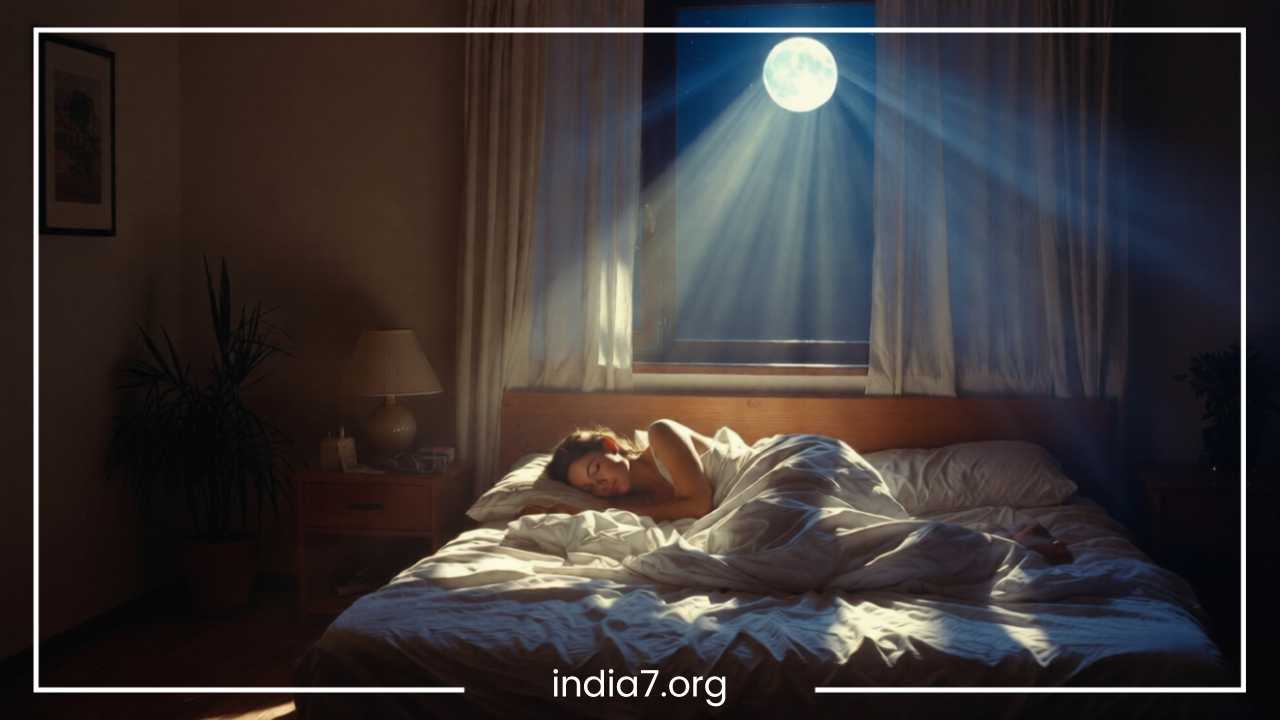
Beyond the core methods, there are several small hacks that can provide quick relief when the temperature spikes. One popular method is taking a lukewarm shower before bed. While a freezing cold shower might seem tempting, it can actually cause your body to overcompensate by generating more heat. A lukewarm shower helps lower your core temperature and leaves a thin layer of moisture on your skin that cools you as it evaporates.
For a more extreme measure, you can try the “Egyptian Method” for sleeping. This involves dampening a top sheet or a large towel with cool water and using it as a blanket. As the water evaporates throughout the night, it keeps you chilled. If that sounds too damp for your liking, try placing your bedsheets in a plastic bag and putting them in the freezer for 15 minutes before you go to bed. The initial chill won’t last all night, but it provides a cool window long enough for you to fall asleep comfortably.
Another age-old technique is using earthen pots for drinking water. Clay pots are naturally porous, allowing for a small amount of evaporation through the walls of the pot, which keeps the water inside significantly cooler than the ambient air. It is a low-tech, effective way to have refreshing water without needing a refrigerator.
Common Mistakes to Avoid
In the quest to stay cool, many people inadvertently make choices that make their situation worse. One of the most common mistakes is opening windows when it is hotter outside than it is inside. While it might feel like you are getting a breeze, you are actually just pumping hot air into your home. Always check the outdoor temperature before opening up.
Another mistake is leaving electronics plugged in or running in a closed room. A gaming console or a desktop computer can generate as much heat as a small space heater. If you are trying to cool a bedroom, move the electronics out or ensure they are completely powered down.
Finally, avoid blocking the natural airflow of your room. Placing large furniture directly in front of windows or doors can prevent cross-ventilation. Keep the pathways between windows clear to allow the breeze to move freely. Similarly, don’t assume that more fans are always better; if you are just moving hot air around a sealed room without any source of ventilation or cooling (like ice), you are simply adding the heat of the fan motors to the space.
When to Consider Alternatives to AC
While the methods mentioned above are highly effective, there are certain climates and situations where additional help may be needed. If you live in an extremely dry environment, an evaporative cooler (also known as a swamp cooler) can be a great middle-ground between a fan and an AC. They use the power of evaporation to cool the air and are much cheaper to run than traditional air conditioning.
However, if you live in a high-humidity region, evaporative cooling will not work well because the air is already saturated with moisture. In these cases, a dehumidifier can make a world of difference. Humidity makes heat feel much more oppressive because it prevents your sweat from evaporating. By removing the moisture from the air, a dehumidifier allows your body to cool itself more effectively, even if the actual temperature doesn’t drop significantly.
If the indoor temperature consistently exceeds safe levels—especially for the elderly, children, or those with health conditions—it is important to seek out a public cooling center or consider a small, energy-efficient portable unit for a single room. Safety should always come first.
Final Thoughts
Keeping a room cool without air conditioning is entirely possible through a combination of smart habits, environmental adjustments, and a bit of basic physics. By focusing on the “prevention” stage—blocking the sun and insulating your space—you significantly reduce the workload for your active cooling methods like fans and ventilation.
Small changes, such as switching to cotton sheets, upgrading to LED bulbs, and managing your appliance use, may seem insignificant on their own. However, when these strategies are combined, they create a cumulative effect that can lower the feel of a room by several degrees. The beauty of these methods lies in their simplicity and sustainability. They allow you to maintain a high level of comfort while being mindful of your energy consumption and the environment.
The most effective approach is to experiment and see which combination works best for your specific home and climate. By understanding how heat moves and how your body reacts to it, you can take control of your indoor environment. Stay proactive, keep the sun at bay, and enjoy the comfort of a naturally cool home.
Frequently Asked Questions About Keeping Rooms Cool Naturally
Integrating common queries can help address specific concerns readers often search for when trying to manage heat without professional cooling systems.
What is the best way to cool a room with no windows?
Cooling a room without windows requires focusing on airflow from other parts of the building. Use a high-velocity pedestal fan placed in the doorway to “pull” cooler air from a hallway or an adjacent room that has better ventilation. Keeping the door open is essential. Additionally, since windowless rooms often trap heat from electronics, ensure all non-essential devices and lights are turned off. Using a bowl of ice in front of a fan is particularly effective in these enclosed spaces to create a localized cold breeze.
How can I cool down my room fast at night for better sleep?
To lower the temperature quickly before bed, utilize the “exhaust” method. Place a fan facing out of one window to push the warm indoor air out, while opening a window on the opposite side of the house to draw in the cooler night air. You can also dampen your curtains with a spray bottle filled with cold water; as the night breeze passes through the damp fabric, it creates an immediate evaporative cooling effect. Switching to 100% cotton or linen bedding will also help dissipate body heat much faster than synthetic materials.
Does keeping curtains closed during the day really save energy?
Yes, keeping curtains or blinds closed during peak sunlight hours is one of the most effective ways to reduce indoor temperatures and save on energy costs. This practice blocks “solar gain,” which is the heat generated when sunlight hits surfaces inside your home. By preventing this heat from entering, you reduce the need for electric fans and prevent your living space from becoming a heat trap, making it much easier to cool down once the sun goes down.
Why is my room so hot even with a fan on?
If your room remains hot while a fan is running, it is likely because the fan is simply circulating the existing warm air rather than introducing cool air or exhausting the heat. Fans cool people, not rooms. If the ambient temperature is higher than your body temperature, a fan can actually make you feel warmer by blowing hot air onto your skin. To fix this, ensure there is a source of ventilation (like an open window at night) or use the “ice bucket” method to ensure the air being moved is actually chilled.
Can indoor plants actually lower the temperature of a house?
Indoor plants contribute to a cooler environment through a natural process called transpiration. As plants “breathe,” they release water vapor into the air, which provides a slight cooling effect as it evaporates. Large-leafed plants like the Areca Palm or the Rubber Plant are excellent for this. While plants won’t replace a mechanical cooling system, they help regulate humidity and create a fresher, more comfortable atmosphere that feels noticeably cooler than a room with dry, stagnant air.
How do I stop heat from coming through a west-facing window?
West-facing windows are often the biggest culprits for afternoon heat spikes because they catch the sun at its strongest angle. To stop this heat, use reflective window film or external shades. If you are restricted to interior solutions, heavy blackout curtains with a white or silver thermal lining are the best choice. These materials reflect the sun’s rays back outside before they can warm up your room. Closing these curtains by 2:00 PM is a vital step in maintaining a manageable temperature until sunset.