
Top Tips for a Successful Garden
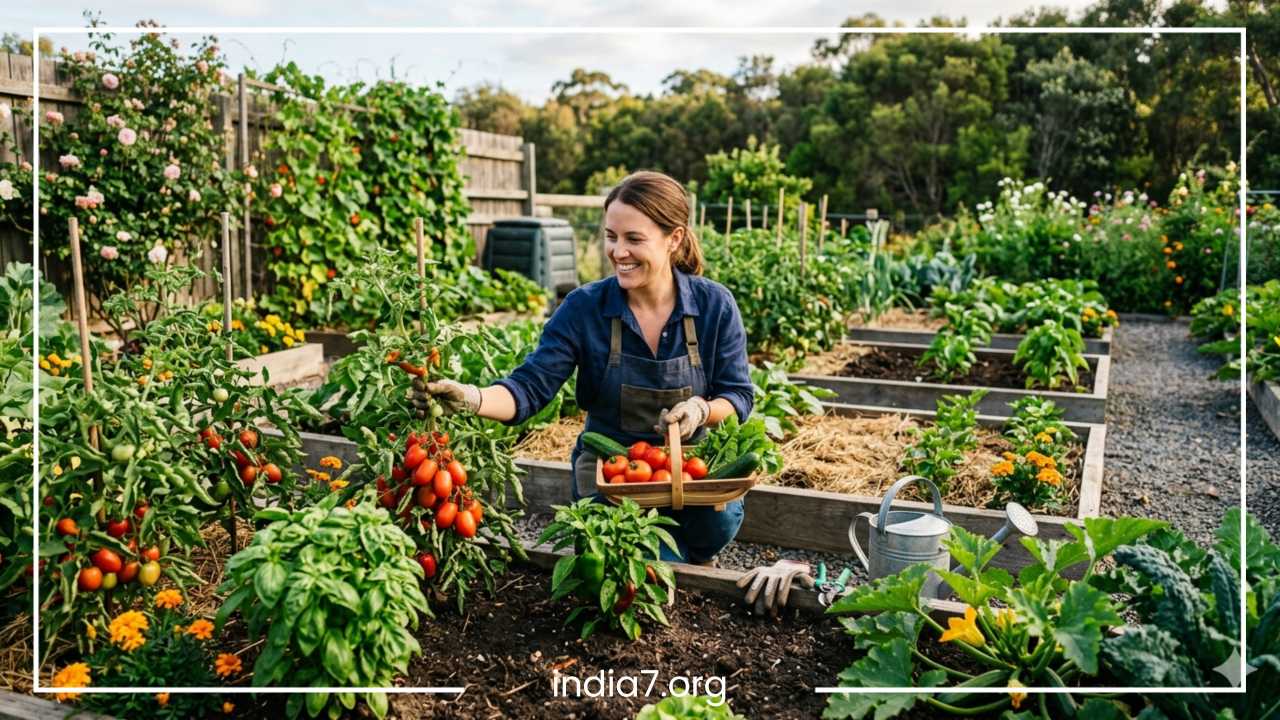
Top Tips for a Successful Garden: Essential Expert Advice
What Makes a Garden Successful?
A successful garden is rarely the result of luck. While a “green thumb” is often discussed as a mystical, innate talent, it is actually a shorthand for observation, consistency, and a fundamental understanding of biological processes. To the experienced gardener, success is defined by a garden that meets its intended purpose—whether that is a high-yield vegetable patch, a vibrant floral landscape, or a sustainable sanctuary for local wildlife.
A truly successful garden is characterized by plant health, soil vitality, and ecological balance. It is a space where plants do not merely survive but thrive, resisting pests and diseases through their own natural vigor. However, for many beginners, the journey toward this success is often paved with common mistakes: planting at the wrong time, ignoring soil health, or over-complicating the process. Gardening is a delicate dance between the rigid laws of science and the fluid requirement of patience. By understanding the environment and respecting the needs of each plant, any individual can cultivate a flourishing outdoor space.
Read: What is Vertical Farming?
Understanding Your Garden Environment
The most frequent cause of garden failure is a disconnect between the gardener’s desires and the reality of their environment. Before a single seed is sown, one must become an expert on the specific conditions of their plot of land.
Climate and Hardiness Zones
Every plant has a biological limit regarding how much cold or heat it can withstand. Understanding your local hardiness zone is the first step in plant selection. These zones categorize regions based on their minimum annual temperatures. If you attempt to grow a tropical hibiscus in a region prone to deep freezes without significant protection, you are fighting a losing battle.
Beyond just the temperature, climate dictates the length of your growing season. The dates of the last spring frost and the first autumn frost create a “window” of time. Success depends on selecting varieties that can complete their life cycle within that window.
Sunlight Exposure
Sunlight is the primary energy source for your garden. Most vegetable crops and flowering perennials require “full sun,” which is defined as at least six to eight hours of direct sunlight per day. Areas receiving four to six hours are considered “partial shade,” while locations with fewer than four hours are “full shade.”
It is a common mistake to overestimate sunlight. To track it accurately, observe your garden at two-hour intervals throughout a single clear day. Note where the shadows of buildings, trees, and fences fall. A spot that looks sunny at noon might be completely shaded by a neighbor’s oak tree by 2:00 PM.
Soil Type and Quality
Soil is not just “dirt”; it is a complex ecosystem. Most garden soils fall into three categories: clay, sand, or loam.
-
Clay soil holds nutrients well but drains slowly and can become compacted, suffocating roots.
-
Sandy soil drains quickly and warms up fast in the spring, but it loses nutrients and moisture rapidly.
-
Loam is the ideal middle ground, offering a balance of moisture retention and drainage.
The best way to understand your soil is through a professional soil test. This will reveal your soil’s pH levels and nutrient deficiencies. Most garden plants prefer a slightly acidic to neutral pH (between 6.0 and 7.0). Improving any soil type usually involves the addition of organic matter, such as compost, which helps break up clay and adds water-holding capacity to sand.
Read: What is Hydroponics Farming?
Planning Your Garden Layout
Strategic planning saves hours of labor and prevents future disappointment. A garden that is poorly laid out will be difficult to maintain and more susceptible to issues.
Choosing the Right Location
Proximity and accessibility are key. A garden placed in a far corner of a large yard is more likely to be neglected. Ideally, your garden should be visible from your home and close to a water source. Dragging a heavy hose across a hundred feet of lawn every day becomes a chore that most people eventually abandon.
Additionally, consider drainage. Avoid low-lying spots where water pools after a rainstorm, as most land plants will suffer from “wet feet” and root rot in standing water.
Garden Design Basics
There are several ways to structure your space:
-
Row Gardening: Best for large-scale production where you have plenty of room.
-
Raised Beds: Excellent for areas with poor native soil. They provide better drainage and warm up faster in the spring.
-
Container Gardening: Perfect for small spaces, balconies, or gardeners with mobility issues.
Regardless of the structure, consider companion planting. This is the practice of placing mutually beneficial plants near each other. For example, planting marigolds near tomatoes can help deter certain pests, while planting tall corn can provide a natural trellis for climbing beans.
Spacing and Organization
It is tempting to pack as many plants as possible into a small space, especially when seedlings are tiny. However, overcrowding is a recipe for disaster. Plants need adequate airflow to prevent fungal diseases. When leaves are cramped together, moisture stays trapped, creating a breeding ground for mold and mildew. Always follow the spacing recommendations on seed packets or plant tags, keeping in mind the plant’s size at full maturity.
Read: What is Hydroponics Farming?
Selecting the Right Plants
Success in the garden is often decided at the garden center. Choosing plants that are inappropriate for your skill level or environment leads to frustration.
Native vs Exotic Plants
Native plants are those that have occurred naturally in your region for thousands of years. They are evolutionarily adapted to your local soil, rainfall patterns, and climate. Because of this, they generally require less fertilizer and supplemental water once established. Furthermore, native plants support local pollinators and birds, contributing to a healthier local ecosystem. Exotic plants can be beautiful, but they often require more “babies” to keep them alive in an alien environment.
Seasonal Planting Guide
Timing is everything. Plants are generally categorized as cool-season or warm-season:
-
Cool-Season Crops: Peas, lettuce, spinach, and broccoli thrive in the mild temperatures of spring and autumn. They can often survive a light frost.
-
Warm-Season Crops: Tomatoes, peppers, cucumbers, and melons require warm soil and will be killed by frost. Planting these too early in the spring will result in stunted growth or death.
Choosing Healthy Plants or Seeds
When buying seedlings, look for short, stocky plants with deep green leaves. Avoid “leggy” plants (tall and thin), as this indicates they haven’t received enough light. Check the undersides of leaves for pests and ensure the roots aren’t circling the bottom of the pot (being “root-bound”). If starting from seeds, purchase from reputable companies that provide high germination rates and clear instructions.
Soil Preparation and Fertility
Fertile soil is the engine of the garden. If you feed the soil, the soil will feed the plants.
Composting Basics
Compost is often called “black gold” by gardeners. It is the result of the aerobic decomposition of organic matter. You can create your own by layering “greens” (nitrogen-rich materials like kitchen scraps and grass clippings) with “browns” (carbon-rich materials like dried leaves, straw, or shredded cardboard). Compost improves soil structure, introduces beneficial microbes, and provides a slow-release source of nutrients.
Fertilizers
While compost builds long-term soil health, sometimes plants need a specific nutrient boost.
-
Organic Fertilizers: Derived from natural sources like bone meal, fish emulsion, or kelp. They break down slowly and improve the soil ecosystem.
-
Synthetic Fertilizers: Man-made chemicals that provide an immediate nutrient hit. While effective in the short term, they do nothing for soil structure and can lead to salt buildup if overused.
Always apply fertilizers according to the package directions. More is not better; over-fertilizing can burn plant roots and lead to excessive leaf growth at the expense of fruit or flowers.
Mulching
Mulching is the practice of covering the soil surface with a layer of material like straw, wood chips, or shredded leaves. This simple step provides three massive benefits:
-
Moisture Retention: It prevents water from evaporating from the soil.
-
Weed Suppression: It blocks sunlight, preventing weed seeds from germinating.
-
Temperature Regulation: It keeps the soil cooler in the summer and warmer in the winter.
Watering Techniques and Irrigation
Watering is the most frequent task in the garden, yet it is often done incorrectly.
How Much Water Do Plants Need?
The general rule of thumb is one inch of water per week, including rainfall. However, this varies. Succulents need very little, while leafy greens and fruiting vegetables like cucumbers need consistent moisture. Soil type also plays a role; sandy soil needs more frequent, light watering, while clay needs deeper, less frequent sessions.
Best Time to Water
The absolute best time to water is in the early morning. This allows the water to soak deep into the roots before the heat of the day causes evaporation. It also ensures that any water that splashes onto the leaves has time to dry. Watering in the evening can leave foliage damp overnight, which significantly increases the risk of fungal infections.
Efficient Irrigation Methods
-
Drip Irrigation: The gold standard. It delivers water directly to the base of the plant, minimizing waste and keeping foliage dry.
-
Soaker Hoses: A porous hose that seeps water along its entire length. Great for raised beds.
-
Manual Watering: If watering by hand, aim for the base of the plant. Avoid overhead “sprinkling,” which is inefficient and promotes disease.
Pest and Disease Management
A successful gardener is also a keen observer. Dealing with problems early is the key to preventing a total garden collapse.
Common Garden Pests
Pests range from large (deer and rabbits) to microscopic (spider mites). Aphids, cabbage worms, and slugs are common culprits. The first step is identification. Not every insect in the garden is a “bad guy.” In fact, most are neutral or beneficial, like ladybugs and lacewings that eat aphids.
Natural Pest Control Methods
Integrated Pest Management (IPM) is a strategy that focuses on the least toxic methods first.
-
Physical Barriers: Using row covers to keep insects off plants.
-
Hand-Picking: Removing large pests like tomato hornworms by hand.
-
Biological Controls: Encouraging beneficial insects or using Bacillus thuringiensis (Bt) for caterpillars.
-
Neem Oil: A natural oil that disrupts the life cycle of many soft-bodied insects.
Disease Prevention
Most garden diseases are fungal, such as powdery mildew or tomato blight. Prevention is much easier than cure. Ensure proper spacing for airflow, avoid overhead watering, and practice crop rotation. Crop rotation involves not planting the same family of plants (e.g., tomatoes, peppers, and potatoes) in the same spot two years in a row, as this prevents soil-borne diseases from building up.
Weed Control Strategies
Weeds are simply plants in the wrong place. They are a problem because they compete with your chosen plants for light, water, and nutrients.
Types of Weeds
-
Annual Weeds: Like crabgrass or chickweed, they grow from seed every year. If you pull them before they go to seed, you can break the cycle.
-
Perennial Weeds: Like dandelions or bindweed, they have deep, persistent roots. If you leave even a small piece of the root in the ground, they will grow back.
Prevention Techniques
The best defense against weeds is a thick layer of mulch. By denying weed seeds the light they need to germinate, you can eliminate 90 percent of the weeding work. Ground covers—low-growing plants that carpet the soil—can also be used to “out-compete” weeds.
Safe Removal Methods
When you do have to weed, do it when the soil is moist. Roots come out much more easily from damp soil. Use a hand trowel or a specialized weeding tool to ensure you get the entire root system. Consistency is key; spending ten minutes a week weeding is far more effective than spending five hours once a month.
Seasonal Maintenance and Care
A garden is a living, breathing entity that changes through the seasons.
Pruning and Deadheading
Pruning involves removing dead or overgrown branches to encourage healthy growth and improve the plant’s shape. Deadheading is the practice of removing faded flowers. For many flowering plants, this prevents them from putting energy into seed production and instead encourages them to produce more blooms.
Crop Rotation
As mentioned in the disease section, rotating your crops is vital for soil health. Different plants use different nutrients. For example, corn is a heavy nitrogen feeder, while beans actually add nitrogen back into the soil. By rotating them, you prevent the soil from becoming depleted of specific elements.
Preparing for Seasonal Changes
In the height of summer, you may need to provide shade cloth for sensitive greens to prevent “bolting” (going to seed prematurely). In the autumn, “winterizing” involves cleaning up fallen debris (which can harbor pests over winter), planting cover crops like clover to protect the soil, and mulching perennial beds to protect roots from the freeze-thaw cycle.
Harvesting Tips for Maximum Yield
Harvesting is the culmination of all your hard work. Doing it right ensures the best flavor and the longest shelf life.
When to Harvest
Every crop has its cues. Tomatoes should be fully colored but still slightly firm. Zucchini is best when small (6-8 inches); if they get too big, they become woody and seedy. Leafy greens can be harvested as “cut and come again,” where you take the outer leaves and let the center continue to grow.
How to Harvest Without Damaging Plants
Never pull fruit or vegetables off the plant. This can tear the stems or even uproot the plant. Use sharp pruners or scissors to make clean cuts. For root vegetables like carrots, use a garden fork to gently loosen the soil around the root before lifting.
Storing Your Produce
Proper storage preserves your harvest.
-
Leafy Greens: Wash, dry thoroughly, and store in the refrigerator.
-
Root Vegetables: Often prefer cool, dark, and slightly humid conditions (like a root cellar or crisper drawer).
-
Tomatoes: Never refrigerate them, as it ruins their texture and flavor; keep them on the counter.
Sustainable Gardening Practices
Gardening is an opportunity to give back to the environment.
Water Conservation
Beyond drip irrigation, consider rainwater harvesting. Setting up a rain barrel to catch runoff from your roof provides free, chlorine-free water for your garden. Additionally, grouping plants with similar water needs together (hydro-zoning) prevents overwatering some plants while underwatering others.
Organic Gardening Principles
Avoid synthetic pesticides and herbicides. These chemicals often kill indiscriminately, harming the bees, butterflies, and soil microbes that your garden relies on. By focusing on soil health and biodiversity, you create a self-regulating system that requires fewer “inputs” over time.
Supporting Biodiversity
A successful garden should hum with life. Plant a variety of flowers that bloom at different times of the year to provide a steady food source for pollinators. Avoid “double” flowers, which are often bred for looks but make it difficult for bees to reach the nectar.
Common Gardening Mistakes to Avoid
Even experienced gardeners fail, but beginners can avoid these classic pitfalls:
-
Overwatering: More plants die from too much water than too little. Always check the soil moisture with your finger before watering.
-
Planting Too Early: Do not trust a single warm day in late winter. Wait until the soil has truly warmed up and the danger of frost has passed.
-
Ignoring Soil Health: Don’t just buy plants; buy compost. If you ignore the soil, your plants will never reach their potential.
-
Overcrowding Plants: Respect the labels. Airflow is your best friend in preventing disease.
-
Lack of Patience: Gardening is a slow process. Not every seed will sprout, and not every plant will produce. Learn from the failures and move on.
Tools Every Gardener Should Have
You do not need a shed full of expensive gadgets. A few high-quality tools are all that is necessary:
-
Hand Trowel: For planting small seedlings and bulbs. Look for a sturdy one-piece metal design.
-
Pruners: Essential for trimming and harvesting. Keep them sharp and clean.
-
Watering Can or Hose: Ensure you have a way to reach all parts of your garden comfortably.
-
Gloves: To protect your hands from thorns, insects, and blisters.
-
Soil Testing Kit: To take the guesswork out of fertilizing.
Advanced Tips from Experts
Once you have mastered the basics, you can try these techniques to increase your productivity:
-
Succession Planting: Instead of planting all your lettuce at once, plant a small amount every two weeks. This ensures a continuous harvest rather than a single overwhelming glut.
-
Microclimate Optimization: Use the heat-retaining properties of a brick wall or the wind-blocking properties of a hedge to grow plants that might be slightly outside your zone.
-
Shade Nets and Greenhouses: These tools allow you to extend your growing season into the early spring and late autumn.
-
Seed Saving: Learn how to harvest and store seeds from your best-performing plants. Over several generations, you will develop a strain that is perfectly adapted to your specific backyard.
Final Thoughts
Gardening is perhaps the most rewarding hobby an individual can undertake. It connects us to the cycles of nature, provides us with fresh, nutritious food, and offers a sense of peace that is hard to find in the modern world. However, it is important to remember that gardening is a continuous learning process. Every season brings new challenges—a new pest, an unusual heatwave, or a plant that simply refuses to grow.
Do not be discouraged by failure. Every dead plant is a lesson that makes you a better gardener for the next season. Start small, focus on the health of your soil, and observe your environment closely. If you provide the right conditions and a little bit of consistent care, you will find that a successful garden is well within your reach. Experiment with different varieties, stay curious about the science of growth, and most importantly, enjoy the process of watching life unfold in your own backyard. Anyone can grow a successful garden; it simply requires the right approach and the patience to let nature take its course.
Frequently Asked Questions About Successful Gardening
To help you navigate the complexities of starting and maintaining a vibrant space, here are some of the most common questions gardeners ask, featuring the specific insights you need to troubleshoot your green space.
What are the best low-maintenance vegetables for beginner gardeners?
For those just starting out, the best low-maintenance vegetables include bush beans, zucchini, lettuce, and radishes. These crops are known for their high germination rates and relatively short growing cycles. Tomatoes are also popular, though they require more attention regarding staking and pruning. If you are looking for “set it and forget it” options, perennials like asparagus or rhubarb are excellent choices as they return year after year once established.
How do I fix poor soil quality in my backyard?
Fixing poor soil quality is a process of amendment rather than replacement. For heavy clay soil, incorporate large amounts of organic matter like compost, aged manure, or leaf mold to improve drainage and aeration. For sandy soil, the same organic materials will help hold moisture and nutrients. If your soil test reveals a pH imbalance, you can use sulfur to lower pH (make it more acidic) or lime to raise pH (make it more alkaline).
How often should I water my vegetable garden in the summer?
During the heat of summer, most vegetable gardens require deep watering two to three times a week, totaling about one to one-and-a-half inches of water. However, container gardens may need watering once or even twice daily because pots dry out much faster than the ground. The best way to check is the “finger test”: stick your finger two inches into the soil; if it feels dry, it is time to water.
What is the best natural way to get rid of garden pests?
The most effective natural way to manage pests is through biodiversity and physical barriers. Encouraging beneficial insects like ladybugs and predatory wasps can keep aphid populations in check. For larger pests, using neem oil sprays or insecticidal soaps provides a non-toxic way to handle infestations. Additionally, using floating row covers can physically prevent insects from laying eggs on your crops in the first place.
Why are my plant leaves turning yellow?
Yellowing leaves, or chlorosis, can be caused by several factors. The most common is overwatering, which suffocates the roots and prevents them from absorbing oxygen. Other culprits include nitrogen deficiency, improper soil pH, or lack of sufficient sunlight. Check the moisture level of your soil first; if it isn’t soggy, a balanced organic fertilizer may be needed to restore the plant’s green color.
Can I start a successful garden in a small space or balcony?
Absolutely. Vertical gardening and container gardening are the keys to small-space success. Use railing planters, hanging baskets, and tiered shelving to maximize your square footage. Focus on “dwarf” or “patio” varieties of vegetables, which are specifically bred to produce high yields in confined root spaces. Just ensure your balcony receives at least six hours of sunlight if you plan on growing fruiting crops like peppers or tomatoes.
When is the best time to plant spring flowers and vegetables?
The best time depends on your local frost-free date. For cool-season crops like kale and pansies, you can often plant 4-6 weeks before the last frost. For warm-weather favorites like zinnias and cucumbers, wait until the soil temperature consistently stays above 60 degrees Fahrenheit (15 degrees Celsius) and there is no longer a threat of overnight frost.