Top Ways to Collaborate with Influencers
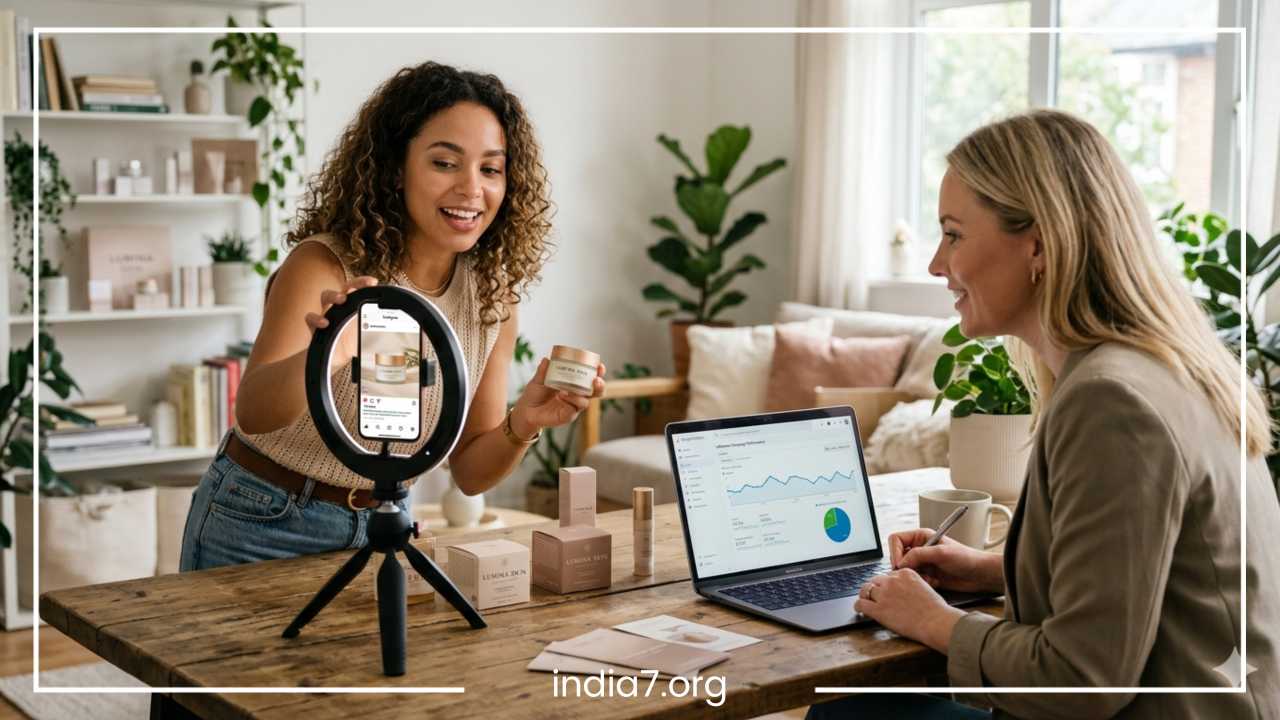
10 Effective Ways to Collaborate with Influencers to Boost Sales
The landscape of digital marketing has shifted significantly over the last decade. While traditional advertising once relied on broad-reaching television commercials and print ads, the modern consumer looks toward a more personal source of inspiration: other people. The rise of influencer marketing has transformed the way brands communicate with their audiences, moving away from corporate monologues toward authentic, peer-to-peer dialogues.
At its core, influencer marketing is the practice of partnering with content creators who have built a dedicated and engaged following within a specific niche. This strategy is uniquely effective for driving sales because it leverages three powerful pillars: trust, social proof, and precision targeting. When an influencer recommends a product, it carries the weight of a personal recommendation from a friend rather than a cold pitch from a brand.
However, many businesses struggle to move past the “awareness” stage. While getting eyes on a product is valuable, the ultimate goal for most businesses is conversion. This article focuses specifically on practical, sales-driven collaboration methods. We will explore how to transition from simple likes and comments to tangible revenue through strategic partnerships.
Read: How to Design Your Own Website?
Understanding Influencer Marketing for Sales
To succeed in this space, one must first distinguish between brand awareness and sales-driven campaigns. An awareness campaign might focus on reach, impressions, and general brand sentiment, whereas a sales campaign is rooted in direct response. Success in sales-driven influencer marketing requires a “bottom-of-the-funnel” mindset, where every piece of content includes a clear path to purchase and a compelling reason to act immediately.
The effectiveness of a campaign often depends on the type of influencer you choose. Influencers are generally categorized by their follower counts, but for sales, the depth of the relationship with the audience matters more than the breadth:
-
Nano Influencers (1K–10K followers): These creators often have the highest engagement rates. Their audience is usually composed of friends, family, and a tight-knit community that deeply trusts their specific expertise. Because they are seen as “regular people,” their recommendations carry immense weight for local or highly specific niche products.
-
Micro Influencers (10K–100K followers): Often considered the “sweet spot” for ROI, micro-influencers possess a professional content style while maintaining a personal connection with a sizable, niche audience. They are often experts in their field, whether that is vegan cooking, software engineering, or budget travel.
-
Macro and Celebrity Influencers (100K+ followers): These are best for massive reach and “trend-setting.” While their engagement rates might be lower percentage-wise, the sheer volume of their audience can move inventory quickly if the product has mass appeal.
Regardless of the platform—whether the visual storytelling of Instagram, the educational long-form content of YouTube, the viral energy of TikTok, or the deep-dive expertise of a blog—the golden rule remains: alignment is more important than follower count. A fitness brand will see better sales from a micro-influencer who lives in the gym than a celebrity who has never mentioned health.
Read: Launch Your Dream Business: The Ultimate Guide to Starting an Online Business
How to Choose the Right Influencers
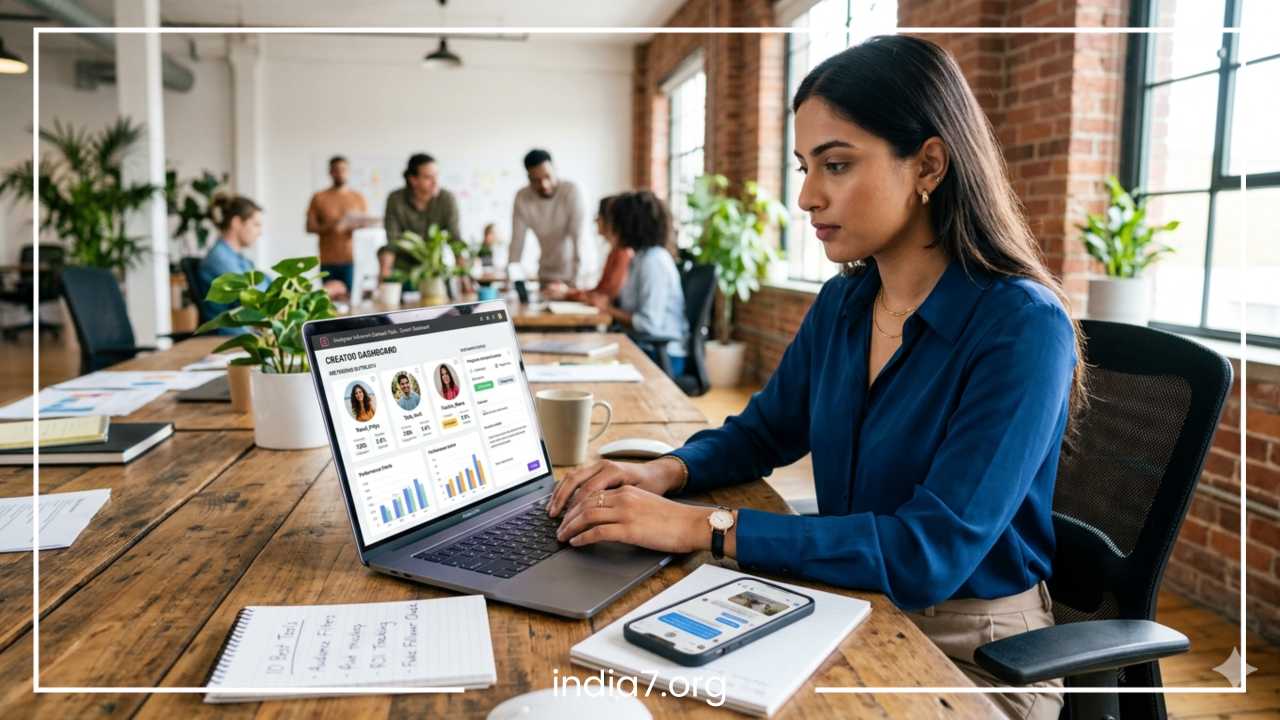
Selecting the wrong partner is the most common reason influencer campaigns fail to generate a return on investment (ROI). To ensure your budget isn’t wasted, you must look beyond the surface level and conduct a thorough audit of potential partners.
First, prioritize audience match. You need to know the demographics (age, location, gender) and the intent of the influencer’s followers. If you sell high-end luxury skincare, a creator whose audience is primarily price-conscious teenagers will not drive sales, regardless of how many millions of followers they have. Use tools to verify that the audience is located in a region where you actually ship your products.
Second, analyze the engagement rate versus vanity metrics. A million followers mean nothing if only 100 people like each post. Look for active conversations in the comments section. Are people asking questions about the products the influencer features? Are they asking about sizing, shipping, or durability? This “purchase intent” in the comments is a strong indicator of future sales.
Third, ensure content style compatibility. The influencer’s aesthetic and voice should feel like a natural extension of your brand. If your brand is minimalist and serious, a high-energy, chaotic creator might confuse your existing customers. Review their previous “sponsored” content specifically—does it feel forced, or does it blend seamlessly into their regular feed?
Finally, vet for authenticity. Check for fake followers or bot-driven engagement. Look for sudden spikes in follower count that aren’t tied to a viral post, as this often indicates purchased followers. Look at their past collaborations—do they promote a different tea brand every week? If so, their audience likely tunes out their recommendations. Authenticity is the currency of this industry; once it is spent, it is gone.
Read: Trade Show Secrets Revealed: How to Generate Leads & Win Big
Setting Clear Goals and KPIs
You cannot manage what you do not measure. Before reaching out to a single creator, define what success looks like for your specific business model. Are you looking for immediate sales, email sign-ups, or website traffic?
For sales-focused campaigns, your Key Performance Indicators (KPIs) should be specific:
-
Conversion Rate: The percentage of the influencer’s audience who clicked and actually bought.
-
Cost Per Acquisition (CPA): How much you spent on the influencer (including product costs) divided by the number of sales they generated.
-
Average Order Value (AOV): Do customers coming from a specific influencer spend more than your average customer?
-
ROI: The total revenue generated minus the campaign cost.
To track these accurately, avoid generic links. Use UTM links for every influencer to see exactly how much traffic and revenue they are driving in your analytics dashboard. Additionally, provide unique discount codes. Not only do these incentivize the purchase, but they also provide an easy way to attribute sales that happen offline or through different browsers where cookies might not track correctly.
Sponsored Product Reviews
One of the most direct ways to influence a purchase decision is through a sponsored product review. In this model, you pay an influencer to provide a detailed, hands-on walkthrough of your product. This is particularly effective for high-consideration purchases in industries like technology, beauty, and fitness, where consumers want to see the product in action before committing their hard-earned money.
The key to a successful review is honesty and depth. If a review feels like a scripted commercial, the audience will instinctively scroll past. Give the influencer the creative freedom to mention both what they love and perhaps a small detail they would change. This level of transparency actually increases trust and makes the “buy” recommendation more persuasive. A “perfect” review often feels fake; a “balanced” review feels like advice from a friend.
For technical products, encourage the influencer to do a “deep dive.” This could include a stress test, a comparison with a competitor, or a tutorial on how to set the product up. By removing the technical barriers to entry, the influencer makes it easier for the customer to say “yes.”
Affiliate Marketing Partnerships
Affiliate marketing is a performance-based model where you provide influencers with a unique link or code, and they earn a commission on every sale they generate. This is a low-risk, high-scalability strategy because your interests are perfectly aligned: the more they sell, the more they make.
This approach is excellent for building a “sales force” of creators who are motivated to keep mentioning your product over time, rather than just doing a one-off post. Unlike a sponsored post where the excitement dies after 24 hours, an affiliate partner might include your product in their “monthly favorites” or “staples” videos for a year or more.
To make this successful, provide your affiliates with high-quality assets—lifestyle photos, talking points, and early access to sales. The easier you make it for them to promote you, the more likely they are to prioritize your brand over others in their affiliate portfolio.
Giveaways and Contests
Giveaways are a classic engagement booster, but they can be strategically pivoted into powerful sales drivers. By partnering with an influencer to give away a “bundle” of your products, you create a massive influx of attention and desire for the items.
To turn a giveaway into sales, structure the entry requirements to build your marketing funnel. For example, ask participants to follow your page, tag a friend, and sign up for your email newsletter via a specific landing page.
The real magic happens after the contest ends. Once the winner is announced, send a “consolation” email to everyone who didn’t win, offering them a limited-time discount code to buy the items they were just hoping to get for free. This converts high-intent interest into immediate revenue from people who have already signaled they want your product.
Co-Created Products or Limited Editions
When a brand and an influencer collaborate to design a product from scratch, it creates a sense of shared ownership for the influencer’s audience. These “limited edition” drops leverage the psychological principles of exclusivity, scarcity, and urgency.
This strategy works exceptionally well in fashion, beauty, and home decor. Because the influencer was involved in the creation process—choosing colors, materials, or features—their promotion feels incredibly organic. They aren’t just selling “a” product; they are selling “their” product.
When launching a co-created product, use a “hype” phase. Have the influencer share “work in progress” shots months in advance. This builds anticipation so that by the time the product launches, the audience is already primed to buy. Often, these collaborations can sell out within minutes, providing a massive, concentrated boost to your sales figures.
Influencer Takeovers
In an influencer takeover, a creator temporarily manages your brand’s social media accounts. This cross-pollination of audiences is highly effective for building social proof. When an influencer “steps into your house,” it signals to their followers that your brand is trustworthy and aligned with their values.
Takeovers are particularly effective on Instagram Stories or TikTok Live. The influencer can show how they use your products in their own daily routine, answer customer questions in real-time, and provide a “face” to an otherwise faceless corporation.
To maximize sales during a takeover, ensure the influencer uses features like “Link Stickers” or “Shop” tags. Encourage them to do a “Q&A” session where they address common objections or hesitations about your product. This direct interaction reduces the friction of the buying process and moves customers through the funnel faster.
Unboxing and First Impressions Content
The “unboxing” phenomenon remains a staple of digital culture. It leverages the human curiosity about what is inside the box and the visual appeal of high-quality packaging. For many consumers, the unboxing is the first step in their own imagined ownership of the product.
For a new product launch, sending “PR packages” to influencers can create a wave of first-impression videos. This content is highly persuasive because it captures raw, unfiltered excitement. To maximize the sales potential here, focus on your packaging design. If your box is beautiful and the opening experience is “Instagrammable,” influencers are more likely to film it, and their audience is more likely to want that experience for themselves.
Include a “call to action” inside the box—perhaps a QR code that the influencer can show on camera—to make it as easy as possible for a viewer to jump from watching the video to placing an order.
Long-Term Brand Ambassadorships
While one-off posts are good for a temporary spike in traffic, long-term brand ambassadorships are superior for sustained revenue growth. In this model, an influencer becomes the “face” of the brand for an extended period, such as six months or a year.
Repeated exposure is a fundamental principle of advertising. Most consumers need to see a product multiple times—and in different contexts—before they decide to buy. By seeing a trusted influencer use the same skincare routine or the same kitchen tools consistently over several months, the audience moves from “curiosity” to “conviction.”
Long-term partners also become experts on your brand. They can answer complex follower questions more accurately than a one-time partner could, which helps in overcoming sales objections in the comments section.
Exclusive Discount Codes
Discount codes are the “closer” of the influencer marketing world. A personalized code, such as “NAME20,” does more than just offer a financial incentive; it creates a psychological link between the influencer’s recommendation and the value the customer receives.
These codes are powerful because they provide an immediate, tangible reason for the customer to stop scrolling and start shopping. They are especially effective when they have an expiration date, adding a layer of “Fear Of Missing Out” (FOMO) to the offer.
From a management perspective, codes are one of the most reliable tracking tools. Even if a user sees a post on their phone, closes the app, and later purchases on their desktop, the use of the code ensures that the influencer receives credit and you receive the data on which partnership is actually working.
Influencer-Generated Ads (Whitelisting)
Whitelisting (also known as Creator Licensing) is the process where a brand gains permission to run paid ads through an influencer’s social media handle. Instead of the ad appearing to come from your corporate account, it appears as a “Sponsored” post from the influencer themselves.
This is incredibly effective because influencer-generated content (IGC) usually outperforms traditional brand-produced ads in terms of click-through rates and conversions. It looks like a native post in the feed, making it less likely to be ignored by “ad-blind” users.
By whitelisting, you can take a post that performed well organically and put paid spend behind it to reach a much larger, targeted audience. You get the benefit of the influencer’s credibility combined with the precision of social media ad targeting.
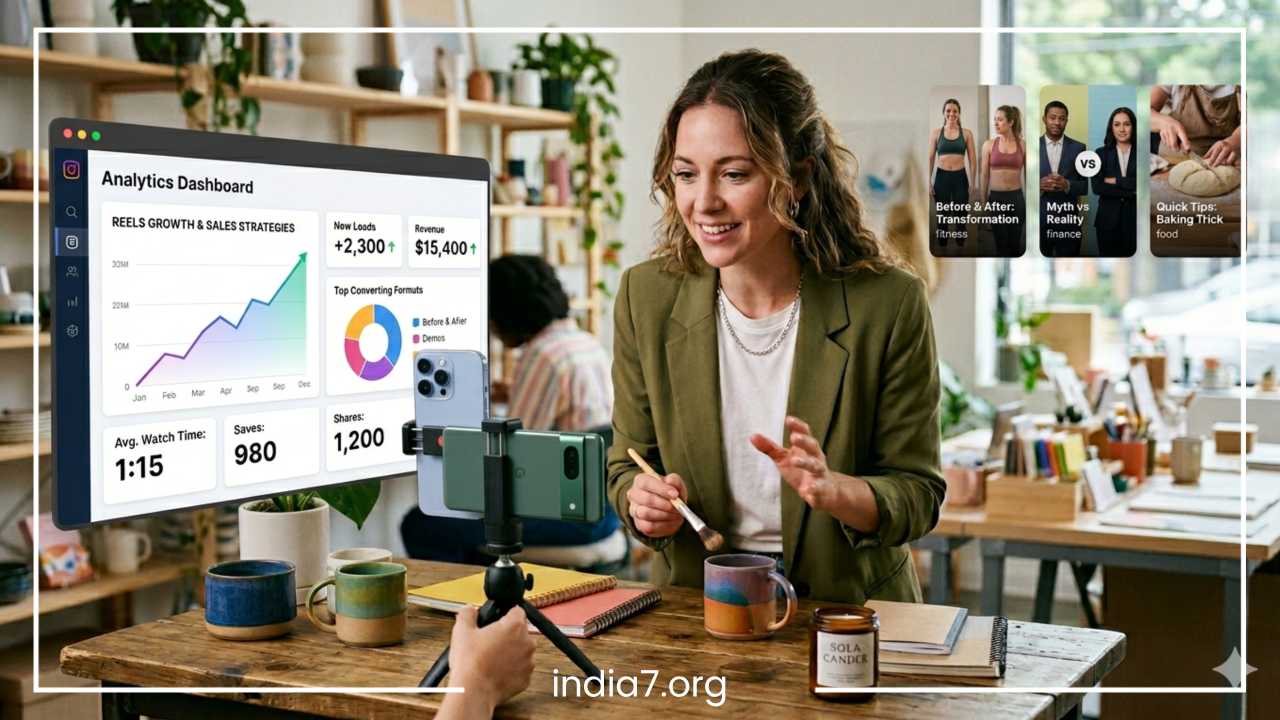
Live Selling and Product Demos
Live selling is the modern, digital version of the home shopping network, and it is seeing explosive growth on platforms like TikTok, Instagram, and specialized apps. In a live session, an influencer can demonstrate the product, show different angles, and answer live questions from the audience.
The real-time interaction eliminates the “wait time” between a customer having a question and receiving an answer. If someone asks, “Is that fabric stretchy?” and the influencer can show them right then and there, the barrier to purchase is removed instantly.
Live selling also creates a massive sense of urgency. Brands can offer “Live-only” deals or limited inventory that viewers can see dwindling in real-time. This high-energy environment is one of the most powerful conversion drivers available in the digital space.
Content Repurposing Across Channels
To truly maximize the ROI of an influencer partnership, the content should not live and die on the influencer’s feed. When you negotiate your contract, ensure you have the rights to repurpose the content across your own marketing channels.
Influencer-generated content can be used to breathe life into:
-
Product Pages: A video of an influencer using the product is often more convincing than a professional studio shot.
-
Email Marketing: Featuring a “Creator’s Pick” in your newsletter adds external validation.
-
Paid Social: Use clips from an influencer’s review as the creative for your own ad campaigns.
-
Website Banners: High-quality lifestyle imagery from influencers often feels more relatable than stock photography.
Repurposing extends the life of your investment. While the original post might only be “active” for a few days, the content can drive sales on your website for months.
Budgeting and Negotiation Strategies
Determining how much to pay can be the most daunting part of influencer marketing. There is no one-size-fits-all price list, as costs depend on the platform, the influencer’s niche, their engagement rate, and the complexity of the content. There are three primary pricing models to consider:
-
Flat Fee: You pay a set amount for a specific set of deliverables. This is common for established influencers who know the value of their reach.
-
Commission-Based: The influencer is paid only when a sale is made. This is essentially an affiliate model and is great for brands with tight budgets.
-
Hybrid: A smaller upfront flat fee combined with a performance-based commission. This is often the best model for sales, as it covers the influencer’s production costs while keeping them motivated to drive conversions.
When negotiating, remember that you are paying for more than just a “shoutout.” You are paying for content creation, creative direction, distribution, and the years of work the influencer put into building their audience’s trust.
To stay within budget, consider offering “value-adds” like performance bonuses. If an influencer hits a certain sales target, they get a “kicker” payment. This keeps them active in the comments and motivated to post follow-up stories. For smaller brands, starting with “product-only” trades with nano-influencers is a great way to build a library of content and social proof without a large upfront cash investment.
Legal and Disclosure Guidelines
Transparency is not just a moral obligation; it is a legal requirement. Regulatory bodies, such as the Federal Trade Commission (FTC), require that any material connection between a brand and an influencer be clearly and conspicuously disclosed.
This means influencers must use clear language like “#ad,” “#sponsored,” or the platform’s built-in “Paid Partnership” label. The disclosure must be in a place where it is hard to miss—not buried in a sea of thirty other hashtags or hidden under a “read more” tab.
As a brand, it is your responsibility to monitor your partners for compliance. Non-compliance can lead to heavy fines and significant damage to your brand’s reputation. Beyond the legalities, modern consumers are incredibly savvy. They know when someone is being paid, and they generally don’t mind—as long as the influencer is honest about it. Secretive “stealth” marketing often backfires, leading to a loss of trust that can kill future sales.
Measuring Campaign Success
Once the campaign is live, you must dive into the data to understand what worked and what didn’t. While likes and comments are nice, a sales-focused campaign needs deeper metrics.
Google Analytics is essential. By looking at your UTM tracking, you can see the bounce rate of the traffic coming from an influencer. If thousands of people are clicking but leaving immediately, there might be a “disconnect” between the influencer’s content and your landing page.
Look for conversion attribution. Influencer marketing often plays a “top-of-funnel” role. A customer might see an influencer’s post, not buy immediately, but then search for your brand on Google three days later and purchase. Use “multi-touch attribution” models to see if influencers are introducing people to your brand even if they aren’t the final click before the sale.
Finally, calculate your Customer Lifetime Value (LTV) for influencer-referred customers. Are they one-time buyers, or do they become loyal, repeat customers? An influencer who brings in ten high-value, repeat customers is more valuable than one who brings in fifty people who only buy once using a 50% off code.
Common Mistakes to Avoid
Even with a large budget, influencer marketing can fail if common pitfalls aren’t avoided.
First, don’t choose influencers based only on followers. A massive following can be a “vanity metric.” Someone with 500,000 followers who post about everything from cars to cooking will have a much lower conversion rate than someone with 20,000 followers who only posts about specialized coffee equipment.
Second, avoid lack of clear contracts. Always define the number of posts, the specific platforms, the deadline, the “link in bio” duration, the usage rights for the content, and the payment terms in writing. Ambiguity leads to frustration and poor results.
Third, don’t over-control the content. If you provide a word-for-word script, it will sound like a corporate commercial. The reason you are hiring an influencer is for their voice. Trust them to know how to talk to their audience. Your role is to provide the “must-have” talking points and then let them get creative.
Fourth, don’t ignore the data. If a campaign fails, don’t just move on to the next one. Analyze why. Was the discount code not high enough? Was the landing page not mobile-friendly? Was the influencer’s audience mostly located in a country you don’t serve? Every failure is a data point that should improve your next campaign.
Final Thoughts
Influencer marketing is no longer an experimental tactic; it is a core pillar of a successful sales strategy. However, as the space becomes more crowded, the “spray and pray” method of sending products to everyone with a following no longer works.
The secret to driving consistent sales lies in the transition from “transactional” to “strategic” partnerships. By focusing on niche alignment, prioritizing authenticity, and utilizing performance-based tracking, you can turn social media influence into a predictable revenue engine.
The future of commerce is deeply social and rooted in recommendation. Brands that learn to partner effectively with creators—treating them as creative collaborators rather than just advertising billboards—will be the ones that build lasting trust and a thriving bottom line. Start by identifying where your target customers are already spending their time, find the voices they trust, and begin building partnerships that provide value to the creator, the audience, and your business alike.
Frequently Asked Questions About Influencer Marketing and Sales
To help you better navigate the complexities of digital partnerships, we have compiled answers to the most common questions regarding how to drive revenue through social media creators.
How do I calculate the ROI of an influencer marketing campaign?
To determine your return on investment, subtract the total cost of the campaign (influencer fees plus product and shipping costs) from the total revenue generated. To do this accurately, you must use trackable elements like unique UTM links and dedicated discount codes. Beyond direct sales, you should also consider “earned media value,” which estimates what you would have paid for the same reach through traditional social media ads.
Are micro-influencers better than celebrity influencers for driving sales?
In many cases, yes. While celebrity influencers provide massive reach, micro-influencers (those with 10K to 100K followers) often boast much higher engagement rates and deeper trust within specific niches. Because their recommendations feel more personal and less like a paid advertisement, they frequently deliver a lower cost-per-acquisition (CPA) and a higher conversion rate for specialized products.
How much should I pay an influencer for a sponsored post?
There is no fixed industry standard, as pricing depends on the influencer’s niche, engagement rate, and the platform used. However, a common baseline is the “one cent per follower” rule or a rate based on their average views per post. For a sales-focused campaign, many brands prefer a hybrid model: a smaller upfront creative fee combined with a performance-based commission on every sale tracked through their link.
What are the best platforms for influencer-led e-commerce sales?
While Instagram remains a powerhouse for visual products, TikTok has become a leader for impulse purchases due to its “viral” algorithm and TikTok Shop features. For high-consideration or technical products, YouTube is often the best platform because long-form video allows for the detailed reviews and demonstrations necessary to convince a skeptical buyer.
How can I find influencers in my niche without using expensive tools?
You can conduct manual research by searching for relevant hashtags on Instagram and TikTok or looking at who is appearing in the “Explore” or “For You” pages for your industry. Additionally, look at your own “Tagged” photos to see if any creators are already using and loving your products organically. These existing fans often make the most authentic and effective sales partners.
Does influencer marketing work for B2B companies?
Absolutely. While B2C influencer marketing is more visible, B2B companies can see significant success by partnering with industry thought leaders, LinkedIn experts, and professional bloggers. In a B2B context, the “influencer” is often a consultant or an executive whose endorsement provides the high-level social proof required for expensive software or service contracts.
How long does it take to see results from an influencer partnership?
While a “flash sale” or a “limited edition drop” can produce immediate revenue within hours, most influencer strategies require a “burn-in” period. It often takes multiple touchpoints before a consumer trusts a brand enough to purchase. For long-term growth, expect to see the most significant results after three to six months of consistent collaboration with a steady roster of ambassadors.