10 Foods to Avoid if You Have Varicose Veins
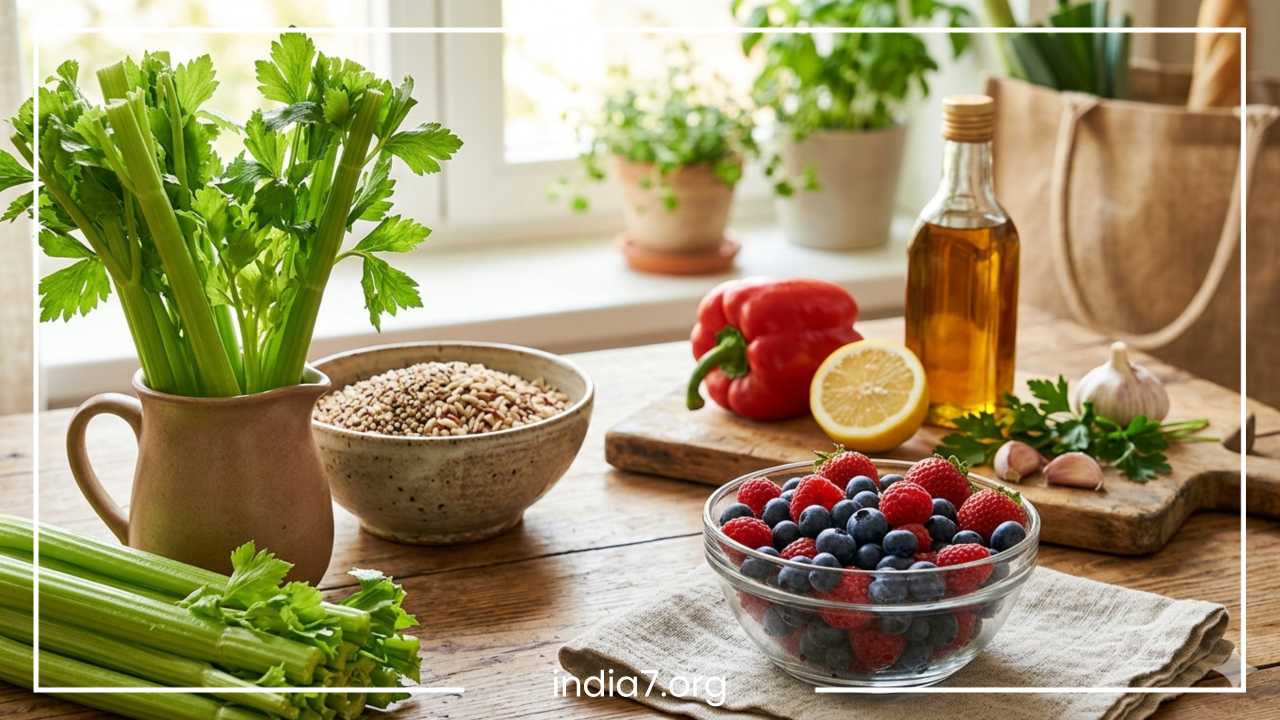
10 Foods to Avoid if You Have Varicose Veins (And What to Eat Instead)
Varicose veins are more than just a cosmetic concern; they are a visible manifestation of a complex circulatory struggle happening beneath the surface of the skin. Characterized by swollen, twisted, and sometimes blue or dark purple veins that usually appear on the legs and feet, this condition affects a significant portion of the adult population. While genetics, age, and lifestyle factors like prolonged standing or pregnancy play undeniable roles, one of the most powerful—and often underestimated—tools in managing this condition is nutrition.
The food you consume acts as the fundamental building block for your entire vascular system. When you have varicose veins, the tiny one-way valves in your veins, which are designed to pump blood back up to the heart, have become weakened or damaged. Instead of flowing smoothly upward, blood “pools” in the veins, causing them to stretch, bulge, and twist. Diet matters because what you put on your plate directly influences blood viscosity, systemic inflammation, and fluid retention—three pillars that determine the daily pressure placed on those fragile valves.
Read: Fast and Best Way to Lose Weight
Common symptoms of varicose veins include a persistent feeling of heaviness or “tired legs,” throbbing or cramping in the lower limbs, swelling in the ankles, and itchy or discolored skin around the affected area. While medical interventions like sclerotherapy or laser treatments are available, they often address the symptoms rather than the systemic environment. Managing your diet is a proactive way to mitigate existing symptoms and, more importantly, prevent the condition from progressing. This article provides an exhaustive look at the dietary culprits that aggravate venous pressure and offers a comprehensive guide to a vein-friendly lifestyle.
Read: How to Tone Your Tummy
How Diet Affects Varicose Veins
To appreciate the necessity of dietary changes, we must first understand the mechanics of the venous system and how nutritional choices impact its efficiency. Your veins are the return-pathway of the circulatory system, tasked with moving deoxygenated blood from your extremities back to your heart. This is a monumental task, especially for the veins in your legs, which must move blood upward against the constant pull of gravity.
The Role of Blood Circulation
The ease with which blood flows through your body is largely determined by its thickness and the health of the vessel walls. A diet high in processed fats and sugars can lead to “sluggish” blood flow. When blood moves slowly, it is more likely to pool in areas where valves are already weak. Furthermore, poor circulation can lead to the accumulation of metabolic waste products in the lower extremities, which contributes to the aching and heaviness associated with varicose veins.
Impact of Inflammation
Inflammation is a natural immune response, but when it becomes chronic due to a poor diet, it turns into a silent destroyer of vascular health. Pro-inflammatory foods—such as those high in refined sugars and trans fats—trigger the release of cytokines. These chemicals can weaken the structural integrity of the vein walls, specifically the collagen and elastin fibers that give veins their resilience. As these walls weaken, the veins lose their ability to “snap back” into shape, leading to permanent dilation and twisting.
Fluid Retention and Venous Pressure
The concept of fluid retention is central to managing venous insufficiency. The body requires a delicate balance of electrolytes (like sodium and potassium) to regulate water levels. When this balance is disrupted by high sodium intake, the body holds onto excess water to dilute the salt in the bloodstream. This increases the total volume of blood circulating through the system. For a healthy person, this might result in temporary bloating; for someone with varicose veins, this extra volume translates to immediate, intense pressure on the venous valves, causing them to leak and the veins to bulge further.
The Link to Body Weight and Obesity
Diet is the primary architect of body composition. Excess weight acts as a mechanical burden on the circulatory system. Every additional pound of body mass requires more blood vessels to supply it and more effort from the heart and veins to circulate that blood. Specifically, abdominal fat increases intra-abdominal pressure, which can physically impede the return of blood from the legs to the torso. This “bottleneck” effect is one of the leading causes of worsening varicose symptoms.
Nutrient Deficiencies and Vessel Strength
Finally, a diet lacking in essential vitamins and minerals leaves the veins vulnerable to wear and tear. Without sufficient Vitamin C, the body cannot produce the collagen necessary to repair vein walls. Without enough fiber, the digestive system slows down, leading to constipation. It may seem unrelated, but the straining required during a bowel movement creates acute spikes in internal pressure that can damage the delicate valves in the lower legs over time.
Read: How to Loose Weight
10 Foods to Avoid if You Have Varicose Veins
The key to a vein-healthy diet is reducing systemic stress. By limiting the following ten food categories, you can significantly lower the pressure on your vascular system and reduce daily discomfort.
1. High-Sodium Foods
Sodium is perhaps the most immediate dietary trigger for varicose vein pain. Sodium acts like a magnet for water; where salt goes, water follows. When you consume excess salt, your body retains fluid to maintain its internal chemistry, which swells the total volume of your blood.
-
What to avoid: Packaged snacks like potato chips and pretzels, instant noodles, canned soups, bottled salad dressings, and heavily salted roasted nuts.
-
The Impact: The increased blood volume puts immense mechanical stress on the vein walls. This often manifests as “socks-mark” swelling—where your socks leave deep indentations in your ankles by the end of the day—and a heavy, bursting sensation in the calves.
-
Better Alternatives: Instead of reaching for the salt shaker, use fresh herbs (parsley, cilantro, dill), citrus juices (lemon or lime), balsamic vinegar, or garlic and ginger to flavor your meals.
2. Refined Sugar
Refined sugar is a powerful pro-inflammatory agent. When you consume high amounts of sugar, your body experiences “glycation,” a process where sugar molecules attach to proteins in the blood, creating harmful molecules that can damage the lining of the blood vessels.
-
What to avoid: Sugar-sweetened beverages (soda, energy drinks), candy, milk chocolate, sugary breakfast cereals, and “low-fat” snacks that use sugar to replace flavor.
-
The Impact: Chronic sugar consumption leads to insulin resistance and weight gain. Furthermore, the inflammation caused by sugar weakens the elasticity of the veins, making them more prone to stretching.
-
Better Alternatives: Satisfy your sweet tooth with whole fruits like blueberries, raspberries, and blackberries. These contain natural sugars paired with fiber and antioxidants that actually help strengthen vein walls.
3. Highly Processed Foods
Highly processed foods are designed for shelf-life, not for human health. They are often stripped of their natural nutrients and “reconstructed” with additives, preservatives, and artificial flavors.
-
What to avoid: Frozen “TV” dinners, boxed macaroni and cheese, processed snack cakes, and meal replacement bars with long lists of chemical ingredients.
-
The Impact: These foods are typically high in both salt and sugar while being completely devoid of fiber. This combination promotes inflammation, causes water retention, and contributes to the sluggish digestion that increases venous pressure.
-
Better Alternatives: Focus on “whole” foods—items that look like they did when they came out of the ground. Whole vegetables, legumes, and grains should form the bulk of your diet.
4. Refined Carbohydrates
Refined carbohydrates are grains that have had the bran and germ removed. This process removes the fiber, leaving only the starchy endosperm.
-
What to avoid: White bread, white pasta, white rice, flour tortillas, and pastries like croissants or donuts.
-
The Impact: Because these foods lack fiber, they cause rapid spikes in blood sugar, fueling inflammation. More importantly, a low-fiber diet is the leading cause of constipation. Straining during bowel movements creates a significant backup of pressure in the leg veins, which is a major contributor to both varicose veins and hemorrhoids.
-
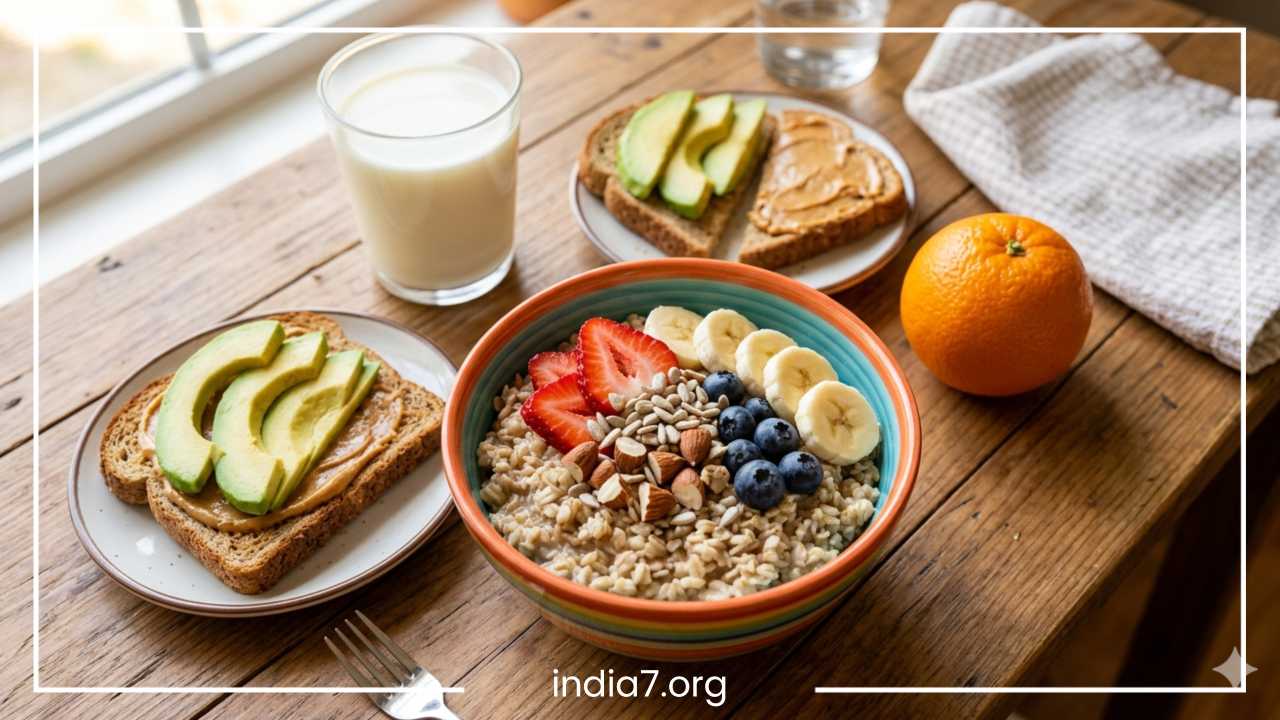
Better Alternatives: Switch to complex carbohydrates. Quinoa, brown rice, buckwheat, oats, and sprouted grain breads provide the fiber necessary to keep the digestive tract moving smoothly.
5. Fried Foods
Fried foods are usually cooked in oils that have been heated to high temperatures, often resulting in the formation of inflammatory compounds.
-
What to avoid: French fries, fried dough (donuts/churros), tempura, and deep-fried vegetable appetizers like onion rings.
-
The Impact: Fried foods are calorie-dense and contribute to rapid weight gain. They also promote oxidative stress in the body, which damages the endothelial lining of the veins. This damage makes it harder for the veins to move blood efficiently.
-
Better Alternatives: Use cooking methods that preserve the integrity of the food, such as steaming, poaching, or roasting. If you crave a “crunch,” an air fryer can provide a similar texture using a fraction of the oil.
6. Alcohol
While many enjoy a drink to relax, alcohol has several physiological effects that are detrimental to someone with venous insufficiency. Alcohol is a vasodilator, meaning it causes the blood vessels to expand.
-
What to avoid: Frequent consumption of beer, wine, or distilled spirits.
-
The Impact: When your veins are already dilated and weak, alcohol causes them to widen even further, making it harder for the valves to meet in the middle and stop the backward flow of blood. Additionally, alcohol is dehydrating; as the body becomes dehydrated, it tries to compensate by retaining water, leading to the “puffy” feeling in the limbs the next morning.
-
Better Alternatives: Infused waters with cucumber and mint, sparkling water with a splash of cranberry juice, or herbal teas.
7. Excessive Caffeinated Beverages
Caffeine is a stimulant that can cause temporary spikes in blood pressure. While moderate caffeine is generally fine for most, excessive intake can lead to problems.
-
What to avoid: Multiple cups of strong coffee, energy shots, and high-caffeine sodas.
-
The Impact: Caffeine can lead to dehydration if not balanced with enough water. Thicker, dehydrated blood is harder to pump through the narrow, twisted pathways of varicose veins. For some, caffeine also contributes to leg cramps, which are already a common symptom of vein issues.
-
Better Alternatives: Green tea or white tea. These contain a smaller amount of caffeine but are packed with catechins—antioxidants that support cardiovascular health.
8. Trans Fats
Trans fats are the most dangerous types of fats for your circulatory system. While many countries have moved to ban them, they can still be found in some processed items.
-
What to avoid: Margarine, commercial pie crusts, certain non-dairy coffee creamers, and pre-packaged frosting.
-
The Impact: Trans fats increase “bad” cholesterol (LDL) and decrease “good” cholesterol (HDL). This leads to a buildup of plaque in the arteries and a general hardening of the vascular system. When the arteries are stiff, the heart has to work harder to pump blood, which in turn increases the pressure in the returning veins.
-
Better Alternatives: Focus on heart-healthy monounsaturated and polyunsaturated fats found in avocados, olive oil, walnuts, flaxseeds, and chia seeds.
9. Excess Dairy
While dairy is a common source of calcium, it is not always a friend to the veins, particularly if consumed in excess or in highly processed forms.
-
What to avoid: Heavy creams, aged high-sodium cheeses, and full-fat milk in large quantities.
-
The Impact: For many people, dairy can be mucus-forming and inflammatory, leading to bloating and sluggish digestion. Furthermore, many cheeses are extremely high in sodium, contributing back to the problem of fluid retention.
-
Better Alternatives: Plant-based “milks” like almond, soy, or oat milk (ensure they are unsweetened). If you do eat dairy, choose fermented options like plain Greek yogurt, which contains probiotics to help with the digestion-vein pressure connection.
10. Pickled and Preserved Foods
Preserving food often involves using high amounts of salt or sugar as a curing agent. While some fermented foods are great for the gut, the salt content can be a major drawback for vein health.
-
What to avoid: Store-bought pickles, jarred olives, sauerkraut with high sodium levels, and preserved vegetables in oil.
-
The Impact: These foods are “salt bombs” that cause almost immediate swelling in the lower extremities. The salt used in the pickling process causes the body to pull water from the cells into the bloodstream, increasing venous tension.
-
Better Alternatives: Fresh, crunchy vegetables. If you enjoy the tangy flavor of pickles, try quick-pickling your own vegetables at home using more vinegar and significantly less salt.
Foods That Support Healthy Veins
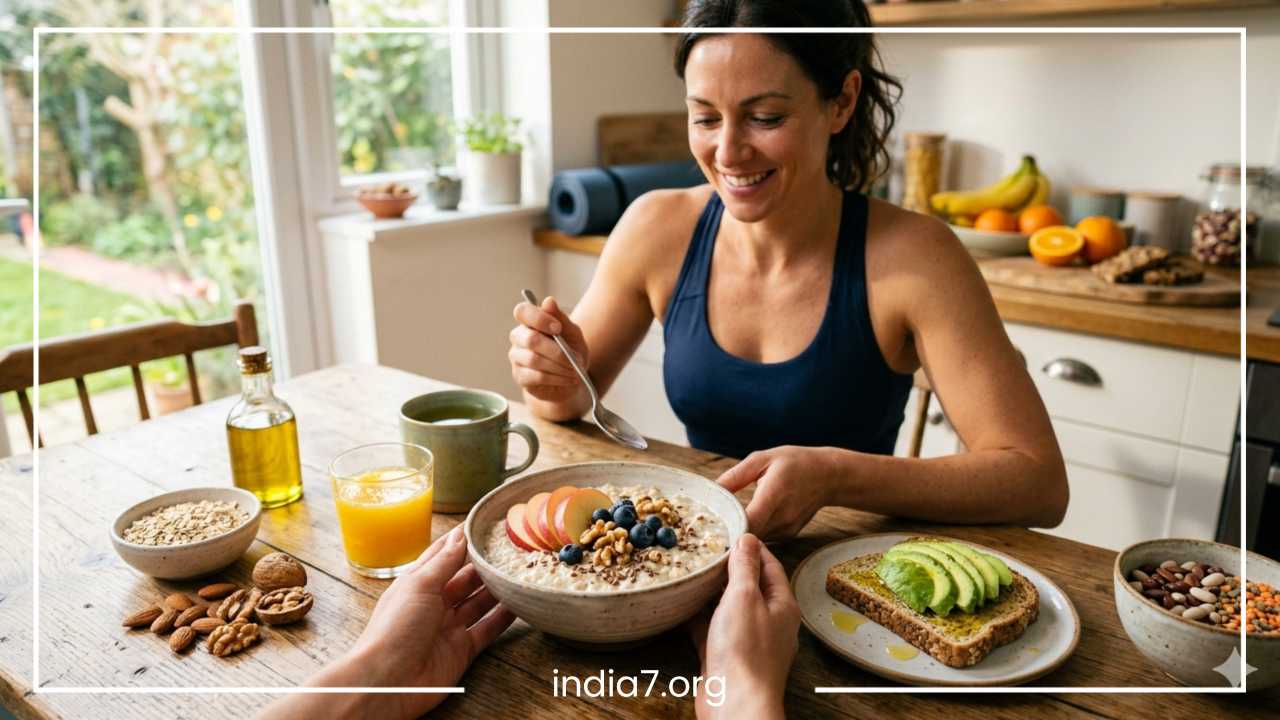
Shifting your diet isn’t just about what you take away; it’s about what you add to reinforce your vascular “plumbing.” A vein-supporting diet focuses on three main goals: strengthening vessel walls, reducing fluid volume, and ensuring smooth digestion.
Fiber: The Internal Pressure Relief Valve
The single most important nutrient for preventing the worsening of varicose veins is fiber. By ensuring that your digestive system moves regularly, you prevent the intra-abdominal pressure that “chokes” the veins in your legs.
-
Soluble Fiber: Found in oats, beans, and apples. It helps regulate blood sugar and cholesterol.
-
Insoluble Fiber: Found in whole grains and the skins of vegetables. It adds bulk to the stool and prevents the straining that damages veins.
Vitamin C and Collagen Production
Your veins are largely made of collagen—the same protein that keeps your skin firm. As we age, collagen production slows down. Vitamin C is a critical cofactor in the synthesis of collagen.
-
Key Foods: Oranges, grapefruits, bell peppers (which actually have more Vitamin C than oranges), strawberries, and broccoli.
Flavonoids and Bioflavonoids
Flavonoids are plant compounds that give fruits and vegetables their vibrant colors. They have been studied extensively for their ability to improve “venous tone”—the ability of a vein to contract and push blood. They also help reduce the permeability of the veins, meaning they keep fluid inside the vessel where it belongs rather than letting it leak into the surrounding tissue (which causes swelling).
-
Key Foods: Buckwheat, onions, kale, grapes, and dark chocolate (with at least 70% cocoa).
Natural Diuretics
To help your body flush out excess sodium and reduce swelling, focus on foods that act as mild, natural diuretics.
-
Key Foods: Asparagus, celery, cucumber, and watermelon. These help the kidneys process and remove excess fluid without the harshness of pharmaceutical diuretics.
Weight Management and Varicose Veins
Weight management is perhaps the most significant lifestyle intervention you can make for your veins. The physical reality of varicose veins is a matter of hydraulics: the more weight that sits above your legs, the higher the pressure required to move blood back up.
The Impact of Excess Weight
When a person carries excess weight, particularly in the midsection, it creates a physical barrier to efficient circulation. The veins in the legs must empty into the larger veins of the pelvic region. If there is significant fat tissue in the abdomen, it creates a constant, low-level compression on these larger veins. This causes a “backflow” effect, similar to a partially blocked pipe, which forces the smaller veins in the legs to expand to accommodate the trapped blood.
General Weight Loss Advice
Weight loss should never be approached through “crash” or extreme methods, as these can stress the body and lead to nutrient deficiencies that further weaken your veins. Instead, follow these universal principles:
-
Portion Awareness: You don’t necessarily have to change everything you eat overnight. Start by reducing portion sizes by 20%. This small change, compounded over months, leads to sustainable weight loss.
-
The “Half-Plate” Rule: For every meal, aim to fill half of your plate with non-starchy vegetables (greens, peppers, broccoli). This ensures you are getting high fiber and high volume with fewer calories.
-
Consistency Over Intensity: Sustainable weight loss is the result of small, daily decisions. A 15-minute walk after dinner is more effective for your veins than a 2-hour gym session once a week.
-
Mindful Eating: Pay attention to hunger cues. Often, we eat out of boredom or thirst. Drinking a glass of water before a meal can help you distinguish between true hunger and simple dehydration.
By reducing the mechanical load on your legs, you give your veins a “breather,” allowing the walls to maintain their shape and the valves to function with less effort.
Lifestyle Tips to Complement Diet
Diet is the foundation, but it works in tandem with how you move and treat your body throughout the day. Here are five lifestyle habits that will amplify the benefits of your new eating plan:
1. The Power of Walking
Walking is often called the “calf muscle pump.” Every time you take a step, your calf muscles contract and squeeze the deep veins in your legs, physically pushing the blood upward. If you sit at a desk all day, your “pump” is off. Try to get up and walk for five minutes every hour.
2. Leg Elevation
Gravity is the enemy of varicose veins during the day, so make it your friend at night. Spend 15 to 20 minutes each evening lying down with your legs propped up on pillows, ideally above the level of your heart. This allows the pooled blood to drain naturally toward your core, reducing swelling and aching.
3. Avoid Prolonged Stasis
Standing still is actually worse for your veins than walking. If you must stand for long periods, shift your weight from foot to foot, or do “toe-raises” to engage the calf muscles. Similarly, if you sit for long periods, avoid crossing your legs, as this can physically pinch the veins and restrict flow.
4. Hydration, Hydration, Hydration
It sounds counterintuitive to drink more water when you are dealing with fluid retention, but the body only holds onto water when it feels it is in short supply or when salt levels are too high. Drinking plenty of water helps flush out the sodium and keeps your blood at a consistency that is easier to circulate.
5. Compression Stockings
While they may not be a “food,” compression stockings are a vital tool. They provide graduated pressure—tightest at the ankle and loosening as they go up—which helps the vein valves close properly. Wear them during the day, especially if you know you will be on your feet or traveling.
When to See a Doctor
While a healthy diet can manage symptoms and slow the progression of venous disease, it is not a cure for severely damaged veins. It is important to seek medical advice if you notice:
-
Sudden Pain and Swelling: If one leg becomes significantly more swollen, red, or painful than the other, this could be a sign of a blood clot (Deep Vein Thrombosis), which is a medical emergency.
-
Skin Ulcers: If the skin around your ankles breaks down or forms an open sore that won’t heal, this indicates advanced venous insufficiency.
-
Bleeding: Varicose veins are close to the skin’s surface. If a vein begins to bleed after a minor scratch or bump, it can be difficult to stop and requires professional care.
-
Hardened Veins: If a vein feels hard to the touch or is surrounded by red, hot skin, it may be inflamed (phlebitis).
Final Thoughts
Managing varicose veins is a lifelong commitment to vascular health. While you cannot change your genetics or completely reverse the hands of time, you have immense control over the daily environment in which your veins operate. By consciously avoiding high-sodium, sugary, and highly processed foods, you remove the primary triggers for inflammation and fluid retention.
Replacing these culprits with fiber-rich whole grains, antioxidant-packed fruits, and hydrating vegetables creates a internal climate where your blood can flow freely and your vein walls remain strong. When paired with consistent movement, leg elevation, and mindful weight management, these dietary changes can transform your quality of life.
Small, consistent shifts are more powerful than temporary, drastic measures. Start today by swapping one processed snack for a piece of fruit, or one salty meal for a fresh, home-cooked alternative. Your legs—and your overall circulatory system—will thank you for it.