
7 Foods That Promote Hearing Health
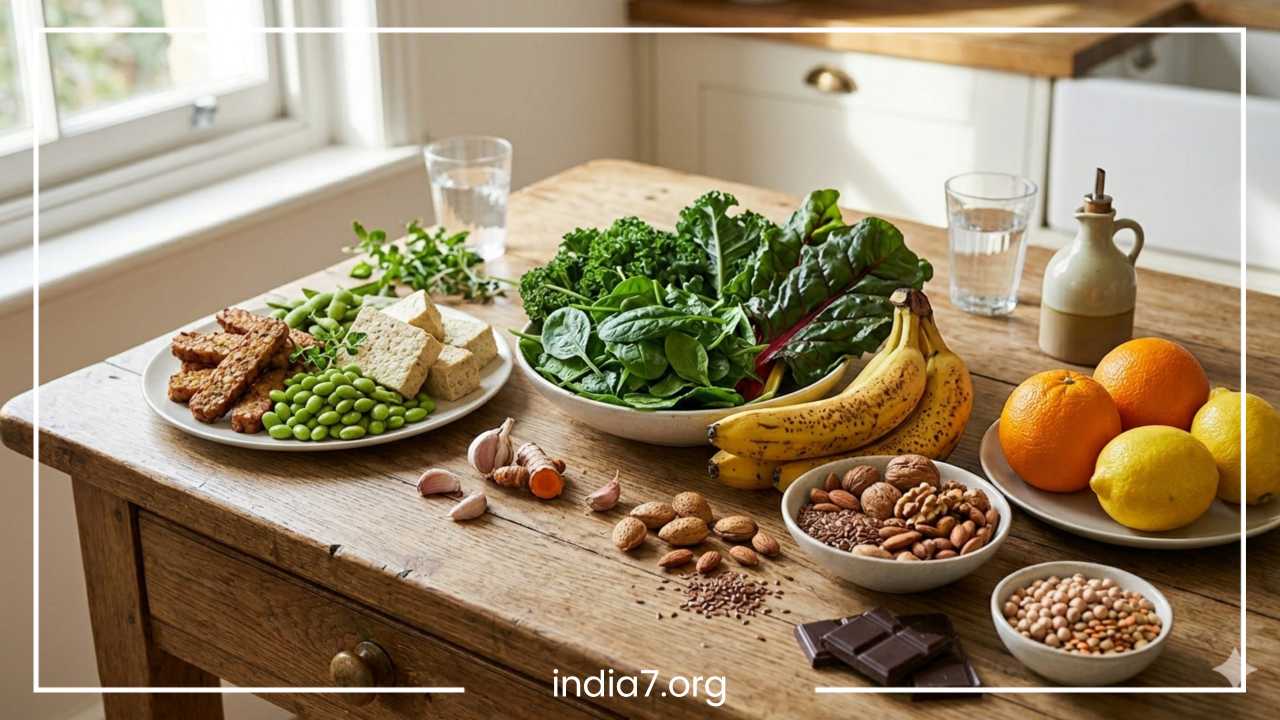
7 Foods That Promote Hearing Health: A Comprehensive Guide to Nutritional Support for Your Ears
Hearing is one of our most vital senses, serving as the primary bridge for communication, social connection, and environmental awareness. It allows us to engage in deep conversations, enjoy the nuances of music, and remain alert to safety signals in our surroundings. Despite its importance, hearing health is often overlooked until a noticeable decline occurs. In today’s world, our ears are under constant pressure from environmental noise, the natural aging process, and lifestyle habits that can inadvertently compromise auditory function.
While many people focus on external protection, such as wearing earplugs in loud environments, internal protection is equally essential. Research increasingly shows a powerful link between nutrition and ear health. The delicate structures of the inner ear, including the tiny hair cells and the auditory nerve, require a consistent supply of oxygen and specific nutrients to function at their peak.
Read: Weight Loss Facts: Myth vs. Science
Dietary choices play a significant role in maintaining the integrity of these structures. Specific vitamins and minerals support hearing by improving blood circulation to the inner ear, maintaining healthy nerve function, and protecting cells from oxidative stress—a process where unstable molecules damage healthy tissue. By incorporating certain nutrient-dense foods into your daily routine, you can provide your body with the tools it needs to support hearing naturally. This article explores how nutrition impacts your auditory system and highlights seven powerhouse foods that can help preserve your hearing for the long term.
Read: Sustainable Weight Loss Diet Strategies for Long-Term Success
How Diet Impacts Hearing
To understand how food affects hearing, we must look at the biology of the ear. The inner ear, specifically the cochlea, is a highly metabolic environment. It relies on a constant, robust flow of blood to deliver oxygen and nutrients to the microscopic hair cells that convert sound waves into electrical signals for the brain. Because the blood vessels in the ear are among the smallest in the human body, they are incredibly sensitive to changes in circulation and systemic health.
The Role of Circulation and Inflammation
Poor circulation can starve the inner ear of the oxygen it needs, leading to the death of hair cells. Once these cells are lost, they do not regenerate in humans, which is a primary cause of permanent hearing loss. Furthermore, chronic inflammation and oxidative damage—often caused by a diet high in processed sugars and unhealthy fats—can accelerate the degeneration of the auditory system.
Read: Weight Loss for College Students: Eat Smart, Feel Great
Key Nutrients for Auditory Protection
Several specific nutrients have been identified as being particularly beneficial for hearing:
-
Magnesium: Acts as a protective barrier for the delicate hair cells in the inner ear when exposed to loud noises. It helps maintain blood flow and expands blood vessels.
-
Potassium: Responsible for regulating the fluid in the inner ear. This fluid is crucial because it translates vibrations into signals the brain can interpret.
-
Zinc: Known for its immune-boosting properties, zinc also aids in cell growth and helps prevent ear infections that could lead to temporary or permanent hearing damage.
-
Folate: High levels of folate are associated with a reduced risk of age-related hearing loss. It helps the body produce new cells and improves circulation by lowering homocysteine levels.
-
Antioxidants (Vitamins A, C, and E): These combat free radicals, reducing oxidative stress on the auditory nerves and tissues.
A balanced diet serves as a protective shield. While no single food can “cure” hearing loss, a consistent intake of these nutrients creates an internal environment where the auditory system can thrive and resist the standard wear and tear of daily life.
The Core Section: 7 Foods That Promote Hearing Health
1. Spinach and Leafy Greens
Leafy greens, particularly spinach, are nutritional powerhouses when it comes to ear health. Spinach is exceptionally rich in folate and magnesium, two of the most critical elements for maintaining auditory function.
How it Benefits Hearing:
Folate is essential because it helps maintain healthy blood flow. By reducing levels of homocysteine (an amino acid that can restrict blood flow), folate ensures that the tiny vessels leading to the inner ear remain open and efficient. Magnesium, on the other hand, helps protect against noise-induced hearing loss. When we are exposed to loud sounds, the body produces free radicals that can damage ear cells; magnesium helps neutralize these radicals.
Easy Ways to Include it:
-
Smoothies: Toss a handful of fresh spinach into a fruit smoothie. The flavor is easily masked by bananas or citrus.
-
Dals and Soups: Stir chopped greens into your favorite lentil dishes or vegetable soups toward the end of cooking.
-
Paratha and Stuffing: Finely chop spinach and mix it into whole-wheat dough or use it as a filling for savory flatbreads.
-
Sauteed Sides: Briefly cook spinach with a touch of garlic and olive oil for a quick, nutrient-dense side dish.
2. Bananas
The humble banana is one of the most accessible sources of potassium, a mineral that is fundamental to how we process sound.
How it Benefits Hearing:
The inner ear contains a specialized fluid that is rich in potassium. This fluid is necessary for the process of converting sound vibrations into electrical impulses. As we age, potassium levels in the body can naturally drop, which may contribute to age-related hearing decline. By maintaining adequate potassium levels, you help ensure that the mechanical-to-electrical conversion in your ear remains sharp and accurate.
Easy Ways to Include it:
-
On-the-go Snack: Bananas are the ultimate portable snack, requiring no preparation.
-
Breakfast Addition: Slice a banana over oatmeal, cereal, or yogurt.
-
Healthy Desserts: Freeze ripe bananas and blend them for a creamy, dairy-free frozen treat.
-
Baked Goods: Use mashed bananas in muffins or homemade bread to add natural sweetness and moisture.
3. Almonds
Almonds are an excellent source of Vitamin E and magnesium. Vitamin E is a fat-soluble antioxidant that plays a vital role in protecting cellular membranes throughout the body, including those in the ears.
How it Benefits Hearing:
Vitamin E works to stop the production of free radicals when fat undergoes oxidation. Since the membranes of the hair cells in the ear are composed partly of fatty acids, Vitamin E helps maintain their structural integrity. Meanwhile, the magnesium in almonds supports healthy nerve signaling, ensuring that the auditory nerve can transmit data to the brain without interruption.
Easy Ways to Include it:
-
Soaked Almonds: Many people find that soaking almonds overnight makes them easier to digest and enhances nutrient absorption.
-
Snack Mixes: Combine almonds with dried fruits or seeds for a crunchy, satisfying midday snack.
-
Nut Butters: Use almond butter as a dip for apple slices or spread it on whole-grain toast.
-
Toppings: Sprinkle slivered almonds over salads or roasted vegetables to add texture.
4. Oranges and Citrus Fruits
Oranges, lemons, and grapefruits are famous for their high Vitamin C content. While usually associated with the common cold, Vitamin C is a silent hero for hearing health.
How it Benefits Hearing:
Vitamin C is a powerful antioxidant that boosts the immune system, which helps the body fight off ear infections—a frequent cause of hearing issues in both children and adults. Additionally, Vitamin C helps manage inflammation and promotes healthy collagen production, which supports the connective tissues within the ear structure. By reducing oxidative stress, citrus fruits help keep the delicate machinery of the ear functioning smoothly.
Easy Ways to Include it:
-
Fresh Squeezed Juice: Start your day with a glass of fresh orange or grapefruit juice.
-
Fruit Bowls: Mix various citrus segments for a refreshing breakfast or snack.
-
Salad Dressings: Use fresh lemon or lime juice to create zesty, oil-free dressings.
-
Zest: Use the peel of organic citrus to flavor water or tea for an extra antioxidant kick.
5. Sweet Potatoes
Sweet potatoes are rich in beta-carotene, which the body converts into Vitamin A. This nutrient is essential for the health of all epithelial tissues and the maintenance of the immune system.
How it Benefits Hearing:
Vitamin A is vital for the health of the delicate membranes in the inner ear. Research suggests that a deficiency in Vitamin A can lead to a decrease in the number of sensory cells in the ear and a decline in hearing sensitivity. By consuming foods high in beta-carotene, you support the long-term survival of the inner ear tissues and potentially reduce the risk of degenerative hearing changes.
Easy Ways to Include it:
-
Roasted: Cut sweet potatoes into wedges and roast them with a sprinkle of cinnamon or savory herbs.
-
Mashed: Boil and mash sweet potatoes for a nutrient-dense alternative to standard white potatoes.
-
Curries and Stews: Add chunks of sweet potato to vegetable curries or hearty stews for natural thickness and sweetness.
-
Baked: A simple baked sweet potato serves as a filling meal when topped with beans or seeds.
6. Dark Chocolate
Dark chocolate (with a high cocoa percentage, typically 70% or higher) is more than just a treat; it is a source of zinc and potent antioxidants called flavonoids.
How it Benefits Hearing:
Zinc is a mineral that supports cell growth and the immune system. Some studies have indicated that zinc can be particularly helpful for those experiencing tinnitus (ringing in the ears), as it aids in the repair and protection of ear tissues. Furthermore, the flavonoids in dark chocolate improve circulation by relaxing the blood vessels, ensuring that blood reaches the most distant parts of the auditory system.
Easy Ways to Include it:
-
Moderate Indulgence: Enjoy a small square of high-quality dark chocolate after a meal.
-
Grated Topping: Grate a little dark chocolate over fresh fruit or oatmeal.
-
Homemade Cocoa: Whisk unsweetened cocoa powder into warm milk with a touch of natural sweetener.
-
Nut and Fruit Clusters: Melt dark chocolate and mix with nuts and seeds to create healthy clusters.
7. Lentils (Dal Varieties)
Lentils and various dal varieties are staples in many diets for good reason. They are packed with zinc, iron, and folate.
How it Benefits Hearing:
As mentioned with dark chocolate, zinc is a key player in ear health and tissue repair. Iron is equally important because it helps red blood cells carry oxygen to the ear. A lack of iron can lead to poor oxygenation of the cochlea, which may impair hearing. The folate in lentils further boosts this by ensuring healthy cell division and optimal blood flow.
Easy Ways to Include it:
-
Traditional Dal: Prepare a warm, comforting dal with turmeric and ginger for an anti-inflammatory boost.
-
Soups: Use red or green lentils to thicken vegetable soups.
-
Salads: Cold, cooked lentils make a great base for a protein-rich salad with chopped vegetables.
-
Khichdi: Combine lentils with rice for a gentle, easily digestible meal that provides a complete nutritional profile.
Weight Management and Hearing Health
While specific foods target ear health directly, our overall physical condition also plays a massive role. There is a well-documented link between maintaining a healthy weight and the longevity of our hearing. This connection primarily revolves around cardiovascular health.
The Circulation Connection
Excess body weight can put a strain on the cardiovascular system. Conditions associated with higher weight, such as high blood pressure or issues with blood sugar regulation, can lead to the narrowing or hardening of the arteries. Because the blood vessels supplying the inner ear are so tiny and delicate, they are often the first to be affected by these systemic changes. When blood flow is restricted, the ear’s hair cells can be permanently damaged due to a lack of oxygen.
General Advice for Everyone
Maintaining a healthy weight isn’t about restrictive diets; it’s about sustainable lifestyle habits that benefit the entire body, including the ears.
-
Focus on Balanced Meals: Instead of cutting out entire food groups, aim for a plate that includes a variety of vegetables, legumes, whole grains, and healthy fats.
-
Portion Control: Pay attention to hunger and fullness cues. Eating mindfully can help prevent overconsumption without feeling deprived.
-
Regular Physical Activity: Exercise improves circulation throughout the body. Even a daily 30-minute brisk walk can significantly enhance blood flow to your extremities and your ears.
-
Hydration: Water is essential for every metabolic process. Proper hydration helps maintain the fluid balance in the inner ear and supports overall energy levels.
-
Consistency over Extremes: Avoid “crash” diets. Sustainable weight management involves making small, manageable changes that you can stick with for a lifetime.
By supporting your cardiovascular health through weight management, you are directly investing in the blood supply that keeps your hearing sharp.
Foods and Habits That May Harm Hearing
Just as some foods support the ears, others can create an environment that makes hearing loss more likely. You don’t have to eliminate these entirely, but moderation is key to a long-term ear health strategy.
Excess Salt
Sodium is necessary for the body, but too much of it can lead to fluid retention and high blood pressure. In the ear, excess salt can disrupt the delicate fluid balance in the cochlea, which is critical for processing sound. This is particularly relevant for individuals who experience dizziness or certain types of inner-ear pressure.
High Sugar Intake
A diet consistently high in refined sugars can lead to spikes in blood sugar, which can damage the tiny nerves and blood vessels in the auditory system. Over time, this systemic stress can accelerate hearing decline and increase the risk of nerve-related hearing issues.
Processed Foods
Foods that are highly processed often contain artificial preservatives and unhealthy fats that promote systemic inflammation. Chronic inflammation is a known enemy of healthy aging and can lead to the gradual degradation of the sensory cells in the ear.
Excess Caffeine
While a cup of coffee or tea is generally fine for most people, excessive caffeine intake can cause temporary constriction of blood vessels. For some individuals, this might exacerbate symptoms like tinnitus. Pay attention to how your body reacts and try to maintain a moderate intake.
Lifestyle Tips to Support Hearing
Nutrition is a powerful tool, but it works best when paired with healthy daily habits. Protecting your ears from the outside is just as important as nourishing them from the inside.
-
Protect Against Loud Noises: This is the most effective way to prevent noise-induced hearing loss. If you work in a loud environment, use power tools, or attend concerts, always wear ear protection. Even lowering the volume on your headphones by ten percent can make a big difference over time.
-
Stay Active: As mentioned, exercise boosts circulation. Activities like walking, swimming, or yoga help ensure that your heart is strong enough to pump nutrient-rich blood to the tiny vessels in your ears.
-
Manage Stress: Chronic stress can affect circulation and may trigger or worsen tinnitus. Finding healthy ways to decompress, such as deep breathing or spending time in nature, can have a positive ripple effect on your auditory health.
-
Avoid Smoking: Smoking significantly impairs blood flow and introduces toxins into the bloodstream that can damage ear cells. Quitting is one of the best things you can do for your senses.
-
Regular Checkups: Just as you visit the dentist or the eye doctor, schedule regular hearing screenings. Early detection of any changes allows you to take action before significant damage occurs.
Final Thoughts
Hearing health is a reflection of our overall well-being. The choices we make at the dinner table, the volume at which we listen to music, and how we move our bodies all converge to determine the longevity of our auditory system. By focusing on nutrient-dense foods like spinach, bananas, almonds, and lentils, you are providing your ears with the magnesium, potassium, and antioxidants they need to resist damage and function efficiently.
It is important to remember that nutrition is a preventive tool and a supportive measure, rather than a quick fix for existing medical conditions. However, the cumulative effect of a healthy diet is profound. When you nourish your body, you are nourishing the delicate mechanisms that allow you to hear the laughter of loved ones, the sounds of nature, and the rhythm of your favorite songs.
Simple, consistent changes today can help preserve your hearing for many years to come. Start by adding one or two of these hearing-friendly foods to your meals this week, and your ears will thank you for the long-term investment in their health.