Best Ways to Do Influencer Takeovers
Best Ways to Do Influencer Takeovers | Tips & Strategies for Success
In an era where consumers are increasingly blind to traditional advertising, brands must find innovative ways to capture attention, build trust, and drive meaningful engagement. One of the most effective strategies to emerge from the digital marketing landscape is the influencer takeover. By handing over the keys to their social media accounts, brands can inject fresh energy into their digital presence, tap into established, loyal communities, and humanize their corporate identity.
At its core, an influencer takeover is a collaborative marketing tactic where a content creator temporarily assumes control of a brand’s social media channel. Instead of the brand talking about itself, an external voice steps in to share authentic, engaging, and unvarnished content directly with the audience. This strategic partnership bridges the gap between commercial messaging and genuine human connection. Brands leverage takeovers because they offer a powerful trifecta of benefits: massive reach, heightened authenticity, and a dramatic surge in engagement. When a trusted creator vouches for a brand on that brand’s own turf, it validates the company’s positioning in a way that standard ads simply cannot replicate.
While the concept originated primarily on platforms like Instagram and Snapchat, it has evolved into a multi-platform phenomenon. Today, takeovers thrive across diverse ecosystems, including TikTok’s fast-paced short-form video feeds, YouTube Shorts, professional networks like LinkedIn, and conversational spaces on platforms like X. Each channel offers unique storytelling tools, from real-time live streams to ephemeral stories and interactive polls, allowing brands to tailor their takeover strategies to precise demographic groups.
This comprehensive guide will explore the intricacies of executing a flawless influencer takeover. From defining the core mechanics and selecting the perfect creative partner to planning content, avoiding common pitfalls, and measuring return on investment, this article provides the strategic blueprint necessary to maximize the impact of your next collaborative campaign.
Read: How to Become Successful?
What Is an Influencer Takeover?
An influencer takeover is a specialized form of influencer marketing where a brand temporarily grants a content creator direct access to its social media profile, or closely coordinates the publication of content hosted natively on the brand’s channel. During this designated window, the influencer becomes the primary content creator, publisher, and face of the brand’s digital outpost.
The underlying mechanics can vary based on security protocols and campaign goals. In a full access takeover, the influencer receives secure login credentials to publish content directly, post real-time updates, and engage with commenters in the brand’s voice or as a distinguished guest. In a moderated or managed takeover, the influencer creates the content assets, such as videos, copy, and graphics, which are then uploaded by the brand’s internal social media team according to a strict schedule. Both methods aim to create the illusion of seamless, real-time control, providing the audience with an exclusive, intimate experience.
Takeovers manifest in several distinct formats, each suited to different marketing objectives:
-
Social Media Account Takeover: The traditional format where a creator populates a brand’s stories, feed, or main page with their unique content for a set period, usually 24 to 48 hours.
-
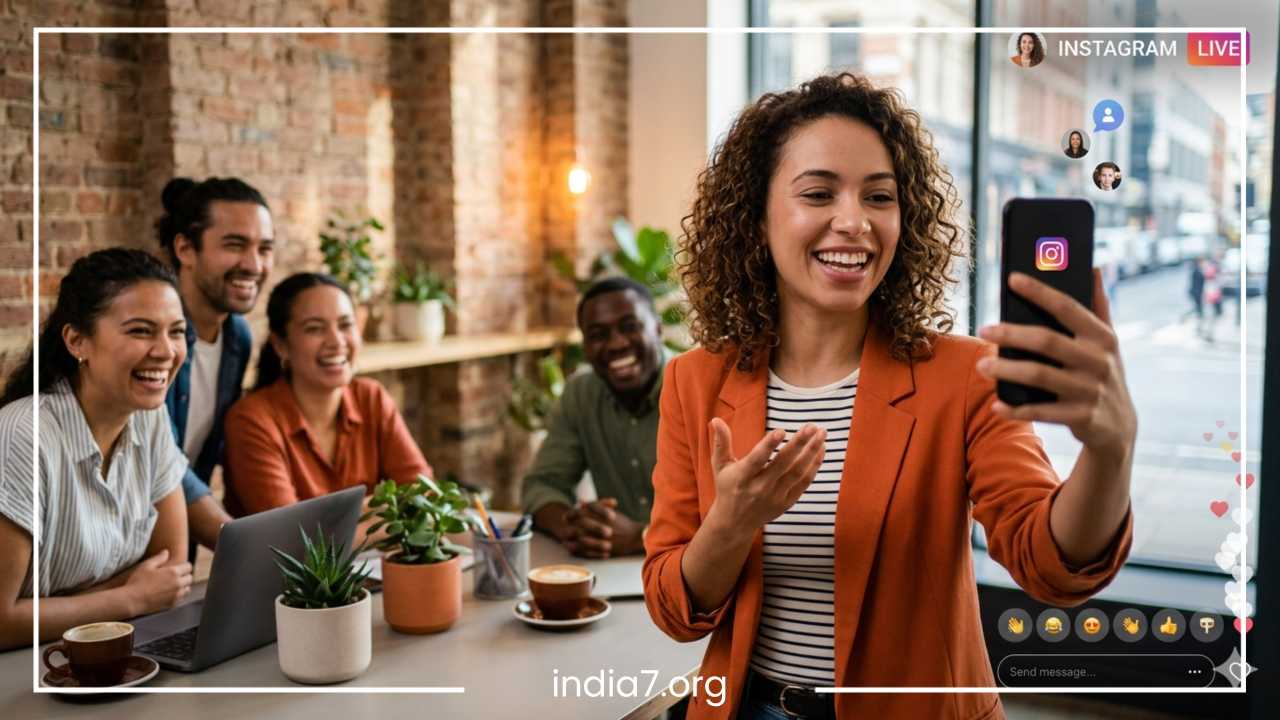
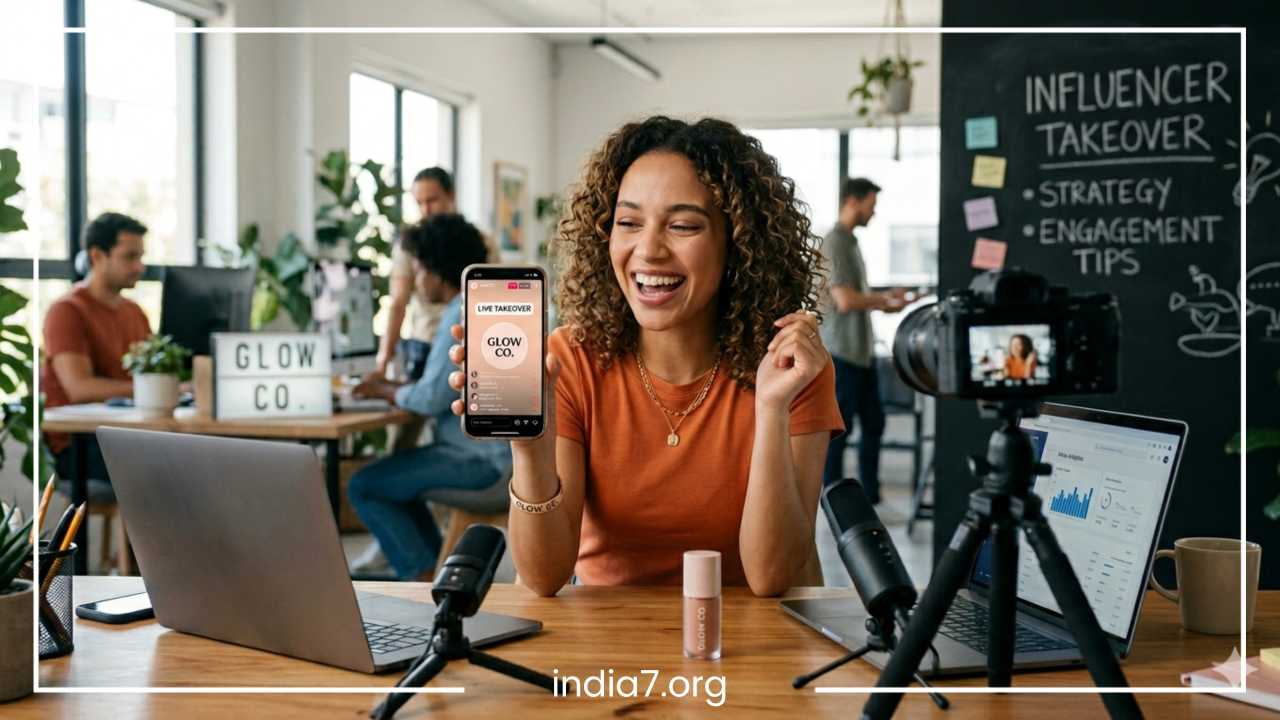
Live Stream Takeover: A high-impact, real-time event where an influencer hosts a live broadcast on the brand’s channel. This format relies on spontaneity, interactive Q&As, unedited demonstrations, and direct audience engagement.
-
Event or Behind-the-Scenes Takeover: The brand invites an influencer to attend an exclusive corporate event, product launch, runway show, or factory tour, documenting their live impressions directly through the brand’s profile.
-
Content Series Takeover: A recurring or multi-part campaign where a creator hosts a specific segment, such as a weekly advice column, a monthly recipe tutorial, or a multi-day educational series.
Common use cases include a beauty brand letting a makeup artist use their Instagram Stories to demonstrate a new product line, a B2B software company allowing an industry thought leader to host a LinkedIn Live discussion, or a fitness apparel brand having an athlete document their morning routine on TikTok. In every scenario, the goal is to shift from corporate broadcasting to community-driven storytelling.
Read: What to Be Major in if You Want to Be an Entrepreneur
Benefits of Influencer Takeovers
Implementing an influencer takeover offers numerous advantages that traditional content creation and standard sponsored posts cannot achieve. By understanding these benefits, brands can better align their takeover strategies with broader marketing objectives.
Increased Reach and Visibility
The primary advantage of an influencer takeover is the immediate expansion of your audience. When influencers announce they are taking over your channel, they direct their loyal follower base to your profile. This cross-pollination introduces your brand to a highly targeted segment of potential customers who may have never encountered your products or services otherwise. It bypasses algorithmic suppression by generating a sudden spike in search volume, profile visits, and direct engagement.
Audience Trust via Influencer Credibility
Trust is the most valuable currency in digital marketing. Consumers are inherently skeptical of brand-generated claims, but they hold deep trust in the creators they follow daily. When an influencer steps onto your platform, their credibility is transferred to your brand by association. This halo effect validates your brand’s reputation, making your messaging far more prescriptive than self-promotional advertising.
Fresh Content Perspective
Internal creative teams, while talented, can occasionally fall into repetitive content patterns and predictable brand guidelines. Influencers bring an external, objective perspective to your product offering. They know exactly what formats, editing styles, humor, and visual cues resonate with modern audiences. This injection of fresh creativity revitalizes your feed and provides your internal team with valuable insights into alternative content styles.
Higher Engagement Rates
Because takeovers are framed as limited-time, exclusive events, they generate a sense of urgency and fear of missing out among users. Followers are far more likely to leave comments, vote on polls, ask questions, and share content when they know a beloved creator is actively monitoring the account and responding in real time. This produces engagement metrics that routinely outperform standard corporate posts.
Accelerated Audience Growth
A successful takeover creates a permanent bridge between the influencer’s community and your own. Users who visit your profile out of curiosity or to support their favorite creator will often stay for your core content, leading to a sustainable surge in high-quality followers and subscribers who are genuinely interested in your niche.
Content Diversification
A healthy social media strategy requires a mix of educational, entertaining, and promotional material. Takeovers allow you to diversify your content output effortlessly. A single weekend takeover can yield dozens of high-value assets, including videos, photos, and quote cards, which can be repurposed across other marketing channels, such as email newsletters, paid advertisements, and website landing pages.
Read: Quality Management 101: Delivering Excellence
Choosing the Right Influencer
The success of an influencer takeover hinges entirely on the creator you select to represent your brand. A misalignment in values, audience demographics, or aesthetic style can alienate your existing followers and fail to attract new ones. Therefore, a rigorous evaluation process is essential.
Audience Alignment
The most critical factor when vetting potential partners is audience alignment. You must look beyond basic metrics and analyze who the influencer’s followers actually are. Do their demographics, geographic locations, purchasing power, and core interests match your ideal customer profile? If you are a localized eco-friendly household brand, partnering with a global fashion creator whose audience consists primarily of teenagers will not yield meaningful business results, regardless of how popular they are.
Engagement Rate vs. Follower Count
A common mistake is prioritizing raw follower count over active engagement. A creator with one million followers but a 0.5% engagement rate will deliver far less value than a creator with fifty thousand followers and an 8% engagement rate. Look for influencers whose comment sections are filled with genuine, long-form conversations rather than generic responses. High engagement indicates an active, attentive audience that will actively migrate to your channel during the takeover.
Content Style and Brand Fit
Review the influencer’s historical content feed to evaluate their aesthetic style, tone of voice, and production quality. Their creative approach should complement your brand identity. If your brand voice is highly professional, authoritative, and structured, partnering with a chaotic, hyper-energetic comedic creator might create a jarring user experience. Conversely, if your brand is trying to transition into a more youthful, relaxed space, selecting a creator who embodies that persona is a strategic asset.
Micro vs. Macro Influencers
Brands must weigh the strategic trade-offs between different tiers of creators to match their budget, baseline goals, and preferred depth of community interaction:
| Creator Tier | Follower Count Range | Primary Strength | Main Strategic Trade-off |
| Micro-Influencers | 10,000 to 50,000 | Hyper-niche trust, high interaction, cost-effective | Limited total exposure and raw impressions |
| Macro-Influencers | 50,000 to 500,000+ | Massive brand visibility, broad scale, swift distribution | Higher financial investment, less intimate relationships |
Micro-influencers often excel at takeovers focused on deep community building, technical tutorials, and high-conversion product reviews. Macro-influencers and large-scale celebrities are better suited for top-of-funnel brand awareness campaigns, major product reveals, and generating mass scale.
Verifying Authenticity and Spotting Red Flags
To protect your marketing budget and brand safety, conduct a thorough audit to eliminate creators with inflated metrics or problematic histories. Use specialized influencer marketing platforms to analyze follower growth curves; sudden, vertical spikes often indicate purchased bot followers. Inspect the ratio of likes to comments, and review historical brand partnerships to see how they handled previous sponsorships.
Avoid influencers who promote conflicting products simultaneously, engage in polarizing public controversies that clash with your company values, or display a track record of unprofessional communication. The ideal partner is dependable, communicative, and enthusiastic about your products.
Planning a Successful Influencer Takeover
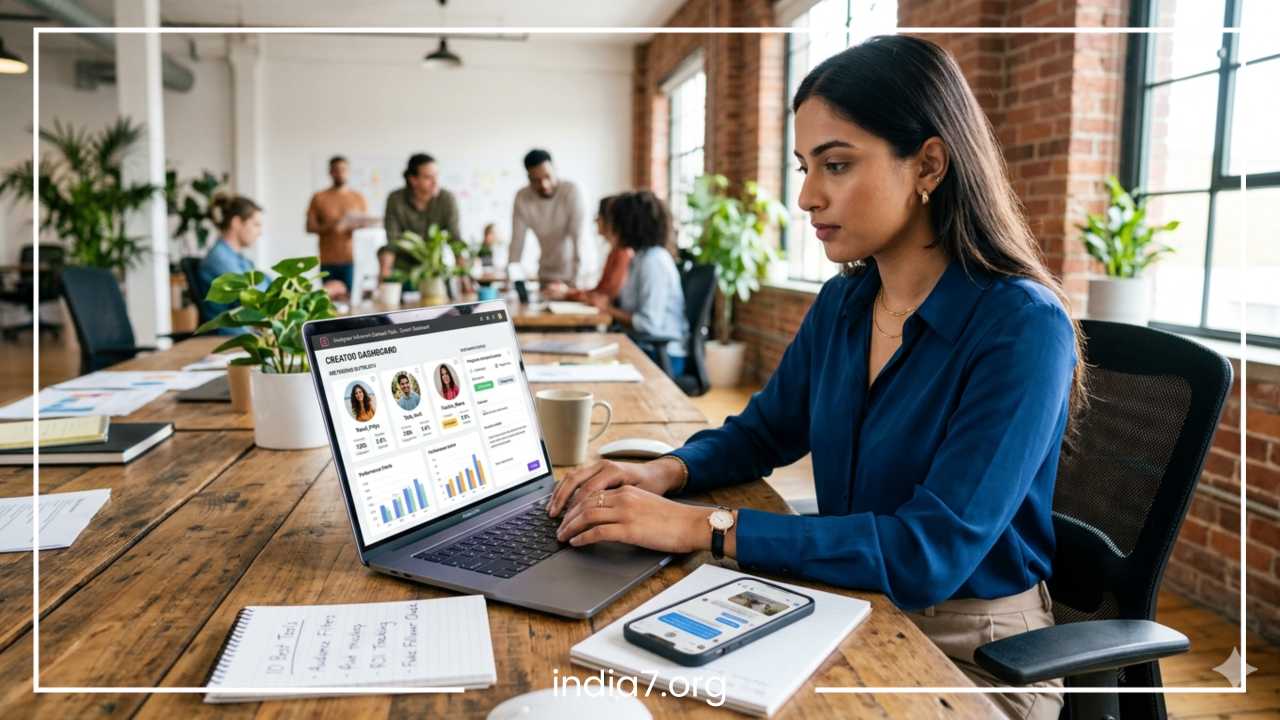
An influencer takeover may appear spontaneous and effortless to the public, but behind the scenes, it requires meticulous organization, clear communication, and strategic planning. A chaotic execution can lead to missed opportunities, technical glitches, or brand safety risks.
Setting Clear Goals
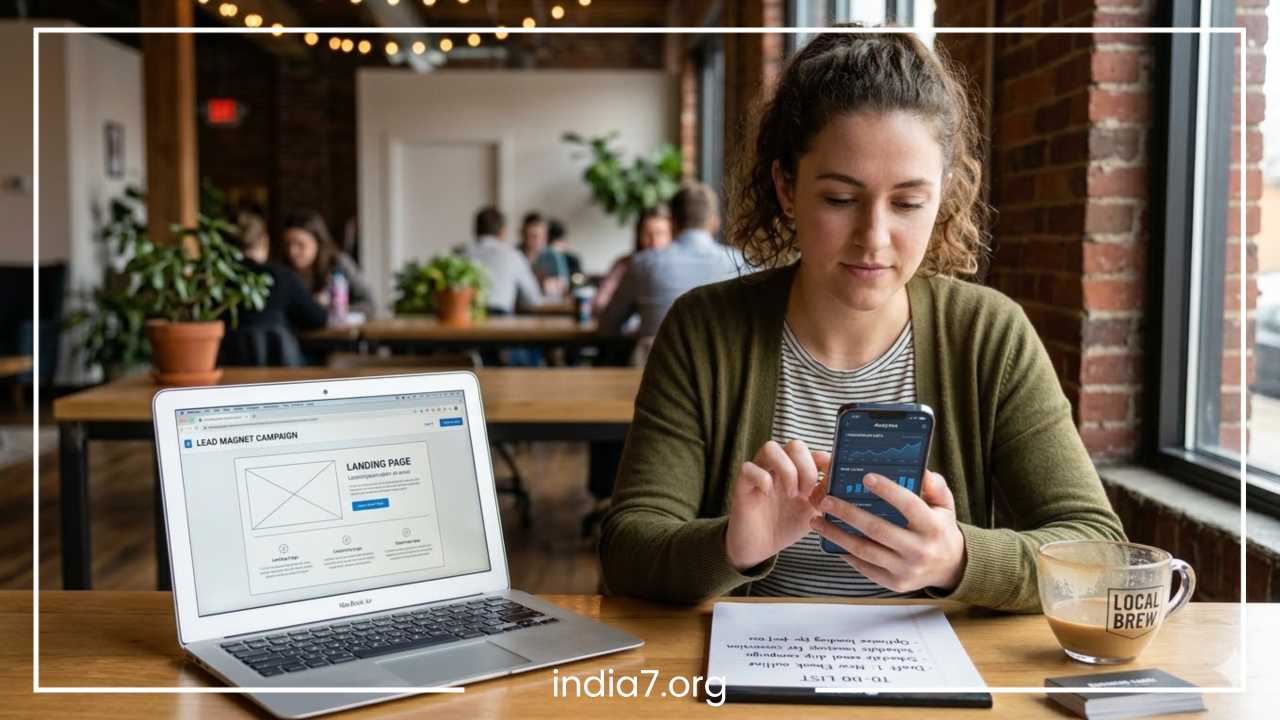
Before reaching out to a creator, define exactly what success looks like for the campaign. Establish specific, measurable key performance indicators aligned with your broader business objectives. Are you trying to generate broad brand awareness, measured by impressions and video views? Are you focused on community growth, measured by net new followers? Or is the campaign designed to capture leads and drive sales, measured by promotional code usage and affiliate link clicks? Your goals will dictate the format of the takeover, the call to action, and the choice of platform.
Choosing the Right Platform
Select the social media network that best aligns with both your target audience and the creator’s primary strengths.
-
Instagram: Ideal for lifestyle, fashion, and beauty brands, utilizing Stories for daily vlogs, Reels for polished content, and Live for interactive sessions.
-
TikTok: Perfect for reaching younger demographics through highly energetic, trend-driven, and authentic short-form videos.
-
LinkedIn: The premier choice for B2B enterprises, corporate announcements, industry thought leadership, and professional networking takeovers.
-
YouTube Shorts: Excellent for evergreen, high-production values and tutorial-based content that benefits from long-term search engine visibility.
Defining Takeover Duration
The duration of the takeover should match the complexity of the content and the platform used. A standard Instagram Stories or TikTok takeover typically lasts 24 hours, giving the creator enough time to document a complete daily narrative without exhausting the audience’s attention span. For major events, product launches, or cross-country tours, a weekend-long takeover might be appropriate. Multi-day or week-long takeovers are best reserved for highly structured content series, such as a chef sharing a new recipe every day for five days.
Content Guidelines: Dos and Don’ts
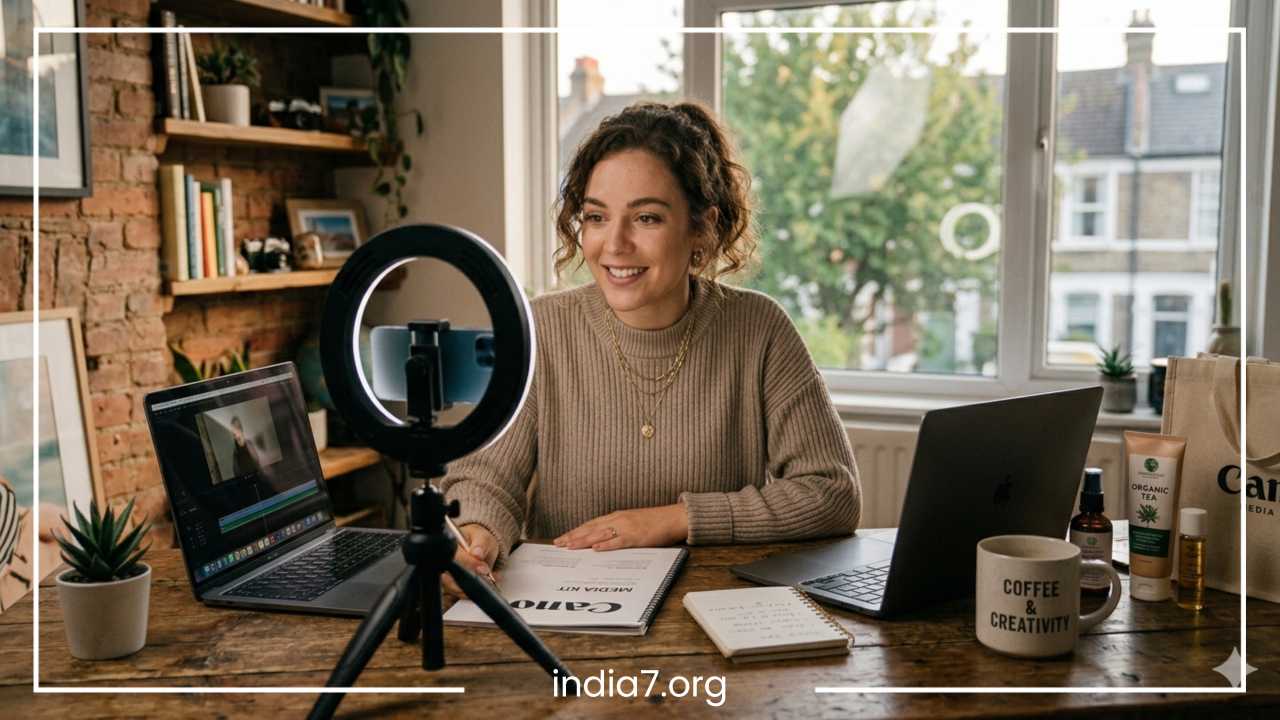
To ensure the creator remains within safe boundaries while retaining their creative freedom, provide a comprehensive brief that outlines clear guidelines. This document should specify essential requirements, such as mandatory brand messaging points, required product placement rules, correct hashtag usage, and specific disclosure language to comply with advertising regulations.
Equally important is listing what the creator must avoid. Clearly state restrictions regarding the mention of direct competitors, the use of copyrighted music, profanity, political commentary, or any visual elements that violate your brand safety standards.
Legal, Brand Safety, and Contractual Considerations
Never execute an influencer takeover without a formal, legally binding contract signed by both parties. This agreement should clearly define payment terms, content ownership rights, and usage extensions if you plan to use the takeover footage in future paid ad campaigns. The contract must also contain explicit clauses regarding account security and asset approval workflows.
If you opt for a managed takeover, define the precise deadlines for asset submission. If you opt for a live or direct-access takeover, ensure your IT and social media teams have protocols in place to monitor the account in real time, with the ability to revoke access instantly if an unforeseen issue arises.
Types of Content That Work Best
The ultimate success of a takeover rests on the quality and format of the content published during the event. Audiences tune into takeovers to see something different from your standard marketing materials. The most successful campaigns leverage formats that feel raw, interactive, and highly personal.
Behind-the-Scenes Content
Audiences are fascinated by what happens behind closed doors. Giving an influencer access to your manufacturing facilities, corporate offices, design labs, or creative brainstorms builds immense transparency. Watching an external creator tour your space and interact with your employees strips away corporate rigidity and fosters a deep sense of intimacy and trust between the consumer and the brand.
Day-in-the-Life Posts
The “day-in-the-life” format is a staple of modern social media storytelling because it relies on a natural narrative arc. The creator documents their entire day, seamlessly weaving your brand’s product or service into their actual routine. For example, a wellness influencer might start their morning using your skincare line, head to the gym in your activewear, and end their day drinking your herbal tea. This contextualized approach demonstrates real-world utility far more effectively than a static product endorsement.
Live Q&A Sessions
Interactive live broadcasts remove all filters between the audience, the creator, and the brand. By using built-in platforms features like Q&A stickers or real-time comment feeds, influencers can answer burning questions from consumers on the spot. Whether they are addressing technical product inquiries, sharing personal tips, or discussing industry trends, the live, unedited nature of this content keeps viewers engaged for extended periods.
Product Demonstrations and Reviews
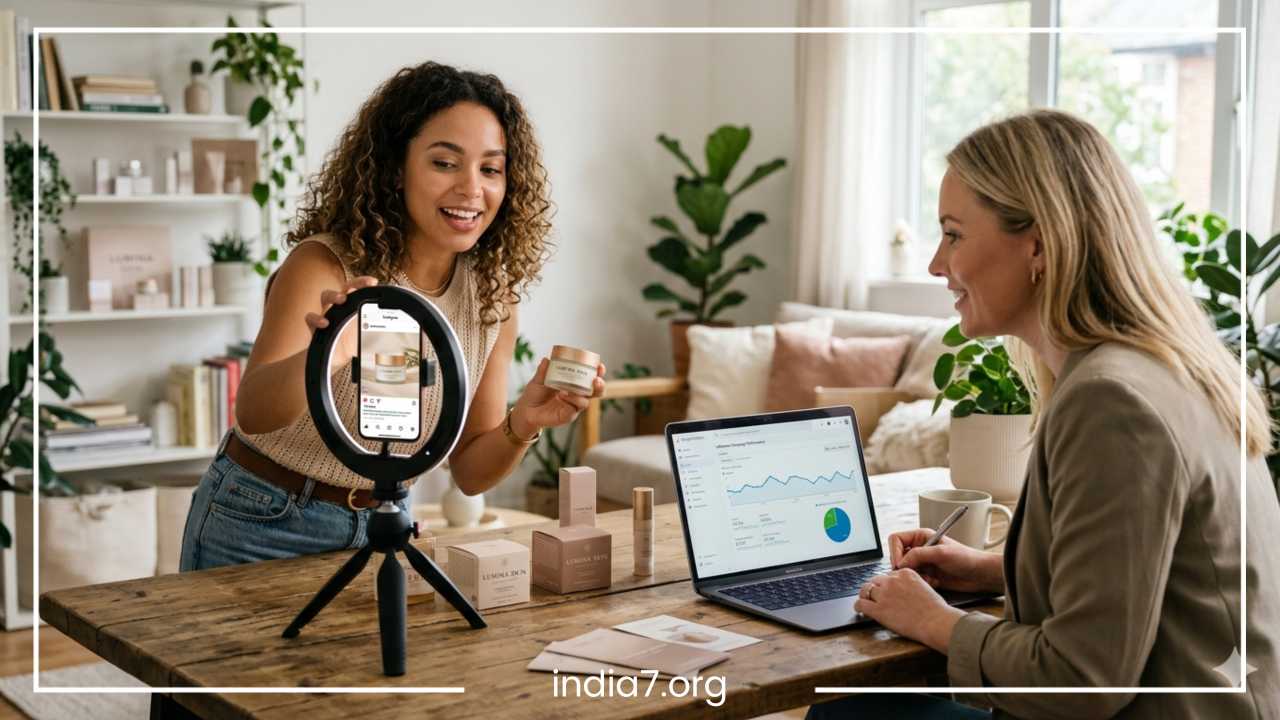
When an influencer shows exactly how a product works, handles its packaging, and shares their honest, first-impression feedback, it helps demystify the purchasing process for hesitant buyers. For complex products, such as consumer electronics or software utilities, seeing a trusted expert navigate the user interface and highlight key features eliminates friction and moves prospects rapidly down the sales funnel.
Tutorials and How-Tos
Educational content delivers long-term value to your audience. Instead of simply showcasing a product, the influencer teaches the viewer a valuable skill using your product as the primary tool. A culinary influencer can teach a specialized cooking technique using your kitchenware, while a graphic designer can demonstrate a workflow tip using your software application. This positions your product as an essential tool for achieving a specific, desirable outcome.
Promotion Strategy Before, During, and After
An exceptional content plan will underperform if nobody knows the takeover is happening. To maximize viewership and engagement, you must execute a coordinated, multi-phased promotional strategy across all available channels.
Before the Takeover: Building Anticipation
The promotional engine should start running three to five days before the actual event. The goal during this phase is to build anticipation and ensure your audience sets reminders to tune in.
-
Coordinated Announcements: Both the brand and the influencer should post teaser content on their respective feeds. The influencer should announce their upcoming takeover, explaining what they will be doing and why their audience should follow your account.
-
Teaser Content and Countdowns: Use interactive platform features, such as countdown stickers, to allow users to set push notifications for the start of the takeover. Publish mysterious or highly enticing previews of what will be revealed during the event, such as an exclusive discount code or a new product drop.
During the Takeover: Maximizing Real-Time Engagement
Once the takeover goes live, the momentum must be sustained through proactive cross-promotion and real-time community management.
-
Cross-Posting and Amplification: While the influencer is publishing content on your brand’s main channel, they should simultaneously post updates on their personal channels, directing latecomers to click over to your profile.
-
Interactive Prompts: Keep the audience active by embedding interactive features throughout the day. Use polls, quizzes, sliders, and open-ended question forms. If the influencer posts a video showcasing two different product styles, immediately follow it with a poll asking the audience to vote for their favorite.
-
Real-Time Interaction: Ensure either the influencer or your internal social media moderation team is actively replying to comments, direct messages, and mentions within minutes of publication. This rapid feedback loop encourages more users to participate in the conversation.
After the Takeover: Extending the Shelf Life
The campaign does not end when the takeover window closes. Unoptimized campaigns lose valuable momentum by simply letting the content vanish.
-
Recap Posts and Highlights: Save all temporary stories into a permanent, pinned highlight reel on your profile main page with a clear, descriptive cover image. Create a polished, short-form recap video for your feed summarizing the best moments of the takeover.
-
Performance Recap Content: Share user-generated responses, favorite questions from the Q&A session, or the final results of the audience polls. This rewards the community for participating and provides a natural transition back to your standard content schedule.
Common Mistakes to Avoid
Even with the best intentions, brands frequently stumble into predictable pitfalls that can compromise the efficacy of their takeover campaigns. Awareness of these common mistakes is the first step toward preventing them.
Prioritizing Follower Count Over Alignment
Chasing high follower numbers at the expense of niche relevance is a recipe for an expensive, underperforming campaign. A massive celebrity audience will quickly see through a forced, irrelevant partnership, resulting in low engagement and minimal audience migration. Always prioritize cultural and demographic alignment over superficial scale.
Lack of Clear Objectives
Entering an influencer takeover with a vague goal like “getting our name out there” makes it impossible to design targeted content or evaluate your return on investment accurately. Without specific goals, the influencer cannot tailor their calls to action effectively, leading to a scattered narrative that fails to drive concrete business outcomes.
Over-Controlling the Influencer’s Voice
The single most destructive mistake a brand can make is micromanaging the creator’s content. If you force an influencer to read from a rigid, corporate script or adhere to sanitized, overly polished visual standards, the audience will immediately sense the inauthenticity. The magic of a takeover lies in the influencer’s unique style. Trust the partner you hired, give them creative breathing room, and let their authentic voice shine through within the established brand safety boundaries.
Poor Internal Communication
Failing to establish a clear timeline, submission schedule, and tech support system can lead to logistical disasters. If an influencer encounters an account login issue or an asset rendering error mid-takeover and your team is unresponsive, the campaign will stall, causing frustration for both the creator and your waiting audience.
Neglecting Analytics Tracking
If you do not implement trackable tracking links, custom promotional codes, and baseline data captures prior to the launch of the campaign, you will be unable to quantify its true impact. You will be left guessing whether a subsequent bump in traffic or sales was driven by the takeover or by unrelated market variables.
Measuring Success
To justify marketing expenditures and refine future digital strategies, you must comprehensively analyze the empirical data generated by your takeover campaign. Evaluate your results across multiple layers of performance metrics.
Quantitative Metrics to Track
The specific data points you prioritize must stem directly from the goals you established during the planning phase:
-
Reach and Impressions: Look at total unique accounts reached and gross impressions to determine the scale of top-of-funnel brand awareness generated by the creator’s audience injection.
-
Engagement Rate: Calculate the total number of likes, comments, shares, saves, and link clicks relative to the total impressions. Compare this percentage against your channel’s standard performance baseline to measure emotional resonance.
-
Audience Growth Rate: Track your net follower gains during the takeover window and the subsequent 48 hours. Monitor this cohort over the following weeks to ensure they remain retained and engaged.
-
Click-Through Rate (CTR): If the takeover utilized external destination links, analyze the percentage of viewers who actively took the step to exit the social platform and visit your landing page.
-
Conversion Rate and Revenue: For sales-driven campaigns, track the total volume of transactions processed using the influencer’s custom promo code or dedicated affiliate links to measure direct return on ad spend.
Analytical Tools
Utilize a combination of native platform analytics tools, such as Instagram Insights, TikTok Analytics, and LinkedIn Page Analytics, alongside third-party influencer management suites. For web traffic tracking, append custom UTM parameters to all links distributed during the takeover, allowing you to isolate and analyze visitor behavior within Google Analytics or your preferred enterprise attribution platform.
Evaluating Performance Against Baselines
A raw number means very little in isolation. To extract true insights, compare the takeover analytics against your historical performance baselines for regular, internally produced content. If your average engagement rate increases by a substantial margin during a takeover, it serves as a powerful validation of the strategy.
Additionally, perform a qualitative analysis: read through the comment sections to assess sentiment. Did users express genuine excitement about the partnership, or did they view it as intrusive? Use these qualitative insights to guide your future creator selections.
Real-World Examples and Strategic Case Studies
Examining how different industries successfully execute influencer takeovers offers valuable practical insights into what works in the live marketplace.
Fashion and Lifestyle: Retail Brand Event Access
A prominent global fashion retailer sought to generate widespread awareness for its new seasonal collection launch during a major international fashion week. Instead of publishing standard, edited commercial clips, the brand handed its Instagram Stories over to a well-known style influencer who was attending the runway shows in person.
The influencer documented their genuine experience, starting from their getting-ready routine at the hotel, continuing to front-row seats at the show, and concluding with exclusive backstage interviews with the lead designers.
-
What Worked Well: The raw, unfiltered perspective made the exclusive event accessible to everyday consumers. The influencer embedded instant product purchase links directly into the stories as the clothing items appeared on the runway.
-
Results: The campaign generated millions of impressions, a historic spike in website traffic, and a substantial surge in direct sales for the featured pieces within hours of the broadcast.
-
Key Lesson: Giving an influencer access to exclusive physical spaces creates high-value, highly shareable content that brands cannot easily replicate internally.
Fitness and Wellness: Gym Apparel Day-in-the-Life Series
An athletic apparel brand collaborated with a micro-influencer who focused on body-positive fitness journeys to host a 24-hour takeover on TikTok. The creator documented their real daily routine, which centered around balancing a busy corporate desk job with staying active.
Throughout the day, the creator wore the brand’s clothing, showcasing how the apparel transitioned seamlessly from a professional office environment to an intense evening gym session. They hosted a live midday Q&A directly from their office breakroom to answer audience questions regarding sizing, fabric durability, and workout motivation.
-
What Worked Well: The relatable, down-to-earth tone resonated deeply with the brand’s target demographic, who found the content far more attainable than traditional advertisements featuring elite professional athletes.
-
Results: The brand’s TikTok account experienced a major increase in new followers, and the comment sections were filled with high-intent product inquiries.
-
Key Lesson: Micro-influencers with highly engaged, relatable communities can drive deep brand affinity and authentic conversations that outperform top-tier celebrity endorsements.
Advanced Strategies
Once you have mastered the foundational mechanics of a standard influencer takeover, you can implement advanced tactics to scale your results, deepen community engagement, and maximize the longevity of your creative assets.
Multi-Influencer Coordinated Takeovers
Instead of limiting your campaign to a single creator, coordinate a tag-team takeover where multiple influencers assume control of your account sequentially over a single weekend or event. For instance, a food brand could feature a pastry chef in the morning, a healthy lunch meal-prepper at noon, and a mixologist in the evening. This creates a fast-paced, dynamic programming schedule that appeals to distinct sub-segments of your target market simultaneously.
The Account Swap
An account swap is a reciprocal arrangement where a brand influencer takes over your account while your brand’s social media manager, founder, or internal creative face takes over the influencer’s personal account at the same time. This symmetrical cross-pollination doubles the exposure of the campaign, driving deep curiosity and substantial audience migration in both directions as followers cross over to see how each party behaves on the other’s profile.
Paid Amplification of Takeover Content
Do not allow your best takeover assets to disappear into history once the live event concludes. Identify the highest-performing video clips, tutorials, or behind-the-scenes moments from the takeover and convert them into paid advertising assets.
With the creator’s permission, run these assets as dark posts or whitelisted ads targeting broader, lookalike audiences who do not currently follow either your brand or the creator. This combined approach marries the authentic appeal of influencer content with the precise targeting power of paid digital advertising.
Final Thoughts
Influencer takeovers represent a powerful paradigm shift in modern digital marketing, moving brands away from static, one-way broadcasting toward dynamic, community-centric storytelling. By temporarily relinquishing creative control to a trusted external voice, your brand can unlock unprecedented levels of audience trust, maximize reach, and breathe fresh life into its digital content strategy.
However, the true secret to a successful takeover lies in the balance between rigorous operational planning and creative freedom. Select your creators based on strict demographic and cultural alignment rather than superficial metrics, establish clear legal and safety frameworks, and then trust your partners to do what they do best: create compelling stories that connect deeply with real human beings. When executed with strategic intent, an influencer takeover is not just a temporary social media stunt; it is a sustainable catalyst for long-term brand equity, community growth, and digital commercial success.
Frequently Asked Questions
What is the difference between a brand takeover and an influencer takeover?
While the two terms are often used interchangeably, a brand takeover usually refers to an advertising format where a company pays for a premium, unmissable ad placement that occupies a platform’s entire screen upon opening (such as a TikTok Brand Takeover ad). In contrast, an influencer takeover is an organic or sponsored content partnership where a real content creator temporarily gains hosting privileges to publish humanized, behind-the-scenes content directly on a brand’s social profile.
How do I safely share social media passwords with an influencer during a takeover?
To maintain absolute account security, never send raw passwords via email or text message. The best way to grant account access is through enterprise social media management tools (such as Hootsuite, Sprout Social, or Dash Hudson) where you can assign temporary, restricted publishing permissions without revealing core credentials. If direct access is necessary on platforms like Instagram or TikTok, use a secure password manager to share encrypted access, activate two-factor authentication tied to a company device, and change the login password immediately after the takeover window closes.
How much does it cost to hire an influencer for an Instagram account takeover?
The financial investment for an account takeover varies significantly based on the creator’s tier, industry niche, and engagement rate. Micro-influencers (10,000 to 50,000 followers) may charge between 200 and 800 dollars per day, or accept product gifting if they are existing fans of your brand. Macro-influencers (50,000 to 500,000 followers) generally command between 1,000 and 5,000 dollars for a 24-hour campaign. Because takeovers require real-time execution and direct audience interaction, they typically carry a 20% to 50% premium over standard, pre-recorded sponsored posts.
How long should an influencer takeover last on TikTok vs Instagram Stories?
The ideal duration for a standard TikTok or Instagram Stories takeover is exactly 24 hours. This timeframe provides a natural narrative arc, allowing the creator to document a complete morning-to-night sequence without over-saturating your feed. For major live events, product launch weeks, or multi-day regional tours, you can extend the partnership into a weekend-long campaign. However, any timeline longer than 48 hours should be structured as a recurring, weekly or monthly series rather than a single continuous takeover to prevent audience fatigue.
What parameters belong in an influencer takeover contract template for brand safety?
A legally sound influencer takeover contract must include explicit clauses defining content ownership rights, the exact duration of the campaign, payment terms, and mandatory FTC disclosure requirements. For brand safety, the agreement must outline a definitive content approval workflow, strict password security protocols, and a comprehensive morality clause. It should also include an explicit list of restrictions, such as prohibiting profanity, competitive brand mentions, and copyrighted music, while detailing the brand’s legal right to revoke account access and terminate the campaign instantly if guidelines are breached.