Best Ways to Remove Pet Hair From Furniture (Easy & Effective Tips)
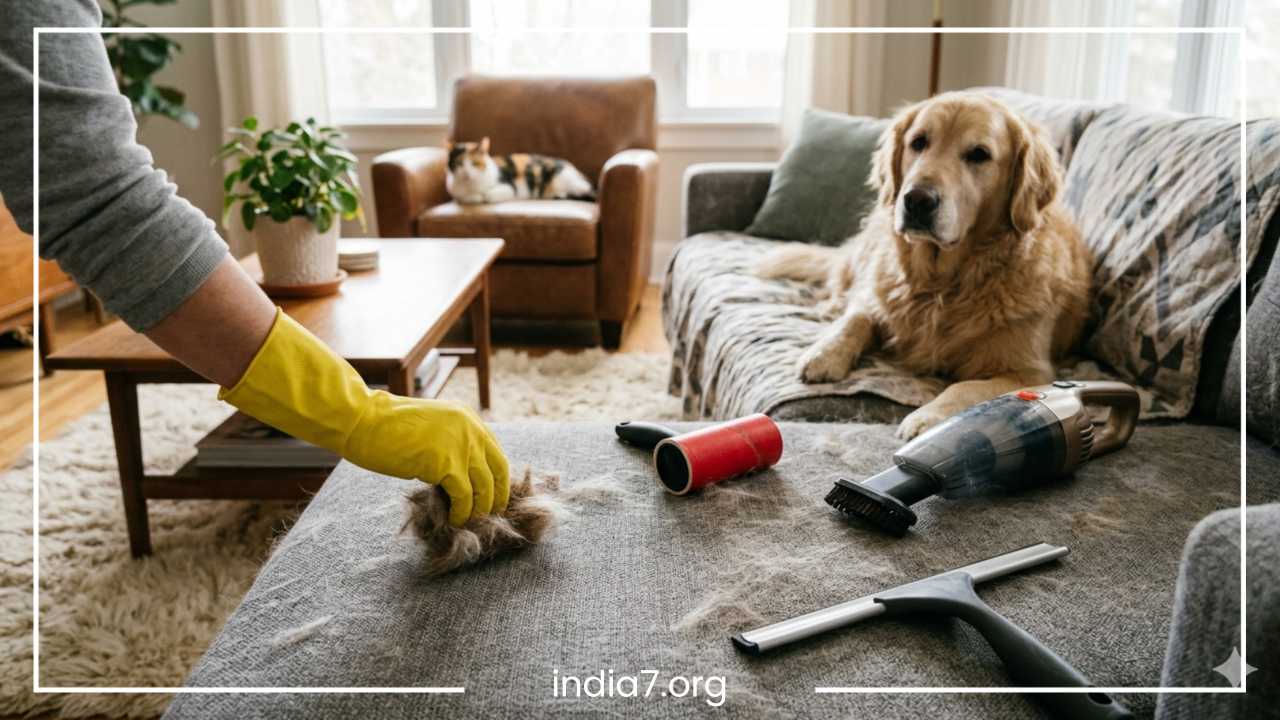
For many of us, our pets are more than just animals; they are members of the family who deserve a spot on the sofa just as much as we do. However, that unconditional love often comes with a persistent, fuzzy byproduct: pet hair. Whether you share your home with a Golden Retriever who seems to shed an entire second dog every week or a sleek Calico cat whose fine fur finds its way into every crevice, managing pet hair is a full-time job.
Pet hair is notoriously difficult to manage because it doesn’t just sit on top of surfaces; it weaves itself into the fabric, clings via static electricity, and settles into the deepest layers of upholstery. Beyond the aesthetic frustration of a fur-covered living room, there are practical and health-related reasons to keep it under control. Accumulated dander and fur can exacerbate allergies, hold onto unpleasant odors, and even degrade the fibers of your furniture over time by trapping oils and dirt against the fabric.
Maintaining a clean, hair-free home doesn’t mean you have to banish your furry friends to the floor. By understanding the science of why hair sticks and employing a strategic combination of the right tools and preventative measures, you can enjoy a pristine home without sacrificing cuddle time. This guide explores every facet of the battle against fur, from the physics of static cling to the most advanced tools on the market.
Why Pet Hair Clings to Furniture
To defeat the enemy, you must understand it. Pet hair doesn’t just “fall” onto your furniture; it actively seeks a home there through a combination of physics and textile engineering.
The Role of Static Electricity
The primary culprit is static electricity. As pets move across synthetic fabrics, the friction creates a static charge. Most pet hair is positively charged, while many synthetic fabrics used in furniture—like polyester and nylon—tend to develop a negative charge during friction. This creates a literal magnetic attraction. You may notice that when you try to brush hair away with a dry hand, it simply “jumps” to a different part of the cushion or clings to your sleeve. This invisible force is why dry dusting is often ineffective.
Fabric Texture and the Needle Effect
The texture of the fabric plays a massive role in how difficult the hair is to remove. Woven materials like cotton, linen, and wool have microscopic gaps between the threads. When a pet sits down, their weight and movement press the hair into these gaps. Short, coarse hairs—like those from Beagles, Pugs, or Labradors—act like tiny needles. They don’t just sit on the surface; they puncture the weave and become “embedded.” Once a hair is woven into the fabric, suction alone is often insufficient to pull it out.
Seasonal Shedding and Hair Type
Seasonal shedding further complicates the matter. Most pets undergo a “blow out” of their undercoat twice a year as temperatures change. During these windows, the volume of hair produced can overwhelm standard cleaning routines. Furthermore, the type of hair matters:
Long-haired breeds: These produce soft, tumbling “tumbleweeds.” They are visually obvious but often easier to remove because they clump together and don’t usually “needle” into fabrics.
Short-haired breeds: These produce stiff, oily hairs that are the most difficult to extract. They are often overlooked until they have formed a dense mat inside the upholstery fibers.
Fabric Profiles
Certain fabrics are notorious for attracting and holding hair:
Velvet: The deep pile acts like a thousand tiny fingers gripping onto fur. It is perhaps the most challenging material for pet owners.
Microfiber: While durable, its dense structure can trap fine cat hair, making it look dull and dusty.
Linen and Cotton: The loose weave allows hair to penetrate deep into the cushion, where it can eventually reach the foam or batting.
Wool: As a natural fiber, it shares many structural similarities with pet hair, leading to high levels of entanglement.
Best Tools for Removing Pet Hair From Furniture
Equipping yourself with the right arsenal is the first step toward a fur-free home. Not every tool works for every surface, so a multi-pronged approach is usually best.
Lint Rollers
The classic adhesive lint roller remains a staple for a reason. It is the fastest way to spruce up a chair before a guest arrives.
Disposable Rollers: These use sticky paper sheets. They are highly effective for surface hair but can be wasteful and expensive over time if you have multiple large shedding pets.
Reusable Rollers: Often made of a sticky silicone material that can be washed and reused, or a velvet-like fabric that picks up hair in one direction. These are more eco-friendly and cost-effective for daily maintenance.
The “Giant” Roller: Some companies now manufacture extra-large lint rollers with long handles, originally designed for floors but perfect for quickly “mopping” the back of a sofa.
Rubber Gloves
One of the most effective and cheapest “hacks” in the cleaning world is the humble yellow rubber dishwashing glove.
How it works: Put the glove on, dampen it slightly with water, and run your hand over the furniture in a circular motion. The friction between the rubber and the fabric creates a massive static charge that pulls hair out of the weave, clumping it into easy-to-grab rolls.
Best for: Large fabric surfaces like sofas, headboards, and fabric-covered bed frames.
Vacuum Cleaners
Not all vacuums are created equal. For pet owners, a vacuum with a HEPA filter is essential to ensure that dander and microscopic fur particles aren’t just exhausted back into the air.
Motorized Upholstery Tools: These are small, handheld power heads with rotating bristles. They agitate the fabric, loosening embedded hairs that suction alone cannot reach.
Crevice Tools: Essential for the “crumb zone” between cushions where hair and dander settle and begin to smell.
Rubber-Bristle Attachments: Some modern vacuums come with non-tangle rubber rollers specifically designed so that long pet hair doesn’t wrap around the brush bar and melt or snap the belt.
Pet Hair Removal Brushes
Specialized brushes made of silicone or rubber are designed specifically to “rake” hair out of carpets and upholstery.
Silicone Brushes: These are gentle on fabrics but firm enough to pull hair to the surface.
Electrostatic Brushes: These use a specialized charge to lift hair without the need for water or adhesives. They often have two sides: one for heavy-duty raking and one for fine lint removal.
Fabric Softener Spray
If hair is stubbornly stuck, you can create a DIY loosening spray. Mix one part liquid fabric softener with three parts water in a spray bottle. Mist the furniture lightly (do not soak it). The softener reduces the static cling and lubricates the hair fibers, making them much easier to vacuum or brush away. This also leaves a pleasant scent, helping to mask “doggy odors.”
Squeegees
The same tool you use for your windows is a secret weapon for pet hair. The rubber blade of a squeegee provides immense friction. Dragging it across a fabric sofa will pull up deep-seated hair that even a high-end vacuum might miss. It is particularly effective on flat-weave fabrics and rugs.
Air Purifiers
While not a direct removal tool for furniture, a high-quality air purifier with a pre-filter captures floating hair and dander before it has a chance to land on your velvet armchair. This significantly reduces the frequency of deep cleans. Look for units specifically marketed for “Pet Pro” or “Pet Plus” use, which feature thicker carbon filters to trap odors.
Best Ways to Remove Pet Hair by Furniture Type
Different materials require different levels of care. Using a heavy-duty brush on a delicate silk-blend sofa could cause permanent damage, while a gentle cloth might do nothing for a heavy canvas couch.
Sofa and Couches
For most fabric sofas, the best approach is a two-step process.
Preparation: Use a vacuum with a crevice tool to get into the “nooks and crannies” where hair accumulates. Remove the cushions if possible.
Extraction: Use a damp rubber glove or a specialized pet hair rake to gather the hair from the main cushions.
Deep Clean: If the cushions are removable, take them outside and give them a good “beating” to dislodge deep-seated dust and hair.
Leather and Faux Leather
Leather is the easiest material to clean, but it is susceptible to scratches from pet claws. To remove hair:
Use a soft microfiber cloth or a vacuum with a soft brush attachment.
Avoid using anything abrasive like a pumice stone or stiff nylon brushes.
Maintenance: A light application of leather conditioner once a month will prevent the material from becoming “static-heavy” as it dries out, which actually helps repel hair.
Wooden Furniture
Believe it or not, pet hair clings to coffee tables and chair legs too. Using a dry feather duster often just pushes the hair into the air, where it eventually settles back down on your couch. Instead:
Use a damp microfiber cloth.
Use an anti-static dusting spray. This traps the hair against the cloth so it can be disposed of in the trash.
Car Seats
Car upholstery is often made of heavy-duty synthetic blends that are absolute magnets for dog hair. Because the space is cramped, a portable handheld vacuum is your best friend. For the stubborn hairs that “knit” into the seat:
A rubber detailing brush is essential.
For extreme cases, a pumice stone (used very gently) can pull hair out of the carpeted floor mats, though it should be used with caution on seats.
Bedding and Mattresses
If your pet sleeps with you, your bedding likely collects the most hair.
The Dryer Trick: Before washing, put your bedding in the dryer on a “cool” or “air fluff” cycle for 10 minutes with two dryer sheets. The tumbling action and the anti-static properties of the sheets will loosen the hair and pull it into the lint trap.
Washing: After the dryer cycle, wash the bedding as usual. This prevents “fur clumps” from clogging your washing machine’s drain.
Curtains and Fabric Decor
Curtains act like giant filters for circulating air.
Use the brush attachment on your vacuum, working from the top down.
For delicate drapes, a handheld steamer can help; the moisture adds weight to the hair, making it drop to the floor where it can be easily vacuumed.
Natural and DIY Pet Hair Removal Methods
If you prefer to avoid chemicals or specialized gadgets, there are several household items that work wonders. These methods are often the most eco-friendly and cost-effective.
The Damp Sponge Method
Take a clean kitchen sponge, dampen it slightly, and wipe down the furniture. The rough side of the sponge is great for durable fabrics like canvas or denim, while the soft side works for more delicate materials. The moisture weighs down the hair, preventing it from becoming airborne.
The Balloon Trick
This is a fun and surprisingly effective method for localized patches of hair. Rub a blown-up balloon against a piece of fabric. The intense static electricity generated will pull the hair right off the fabric and onto the balloon. It’s a great way to “spot clean” a chair before sitting down.
Vinegar Solutions
Adding half a cup of white vinegar to the rinse cycle when washing pet blankets or removable sofa covers helps relax the fabric fibers. This releases the hair, ensuring it ends up in the drain or lint trap rather than remaining stuck to the cloth. Vinegar also acts as a natural deodorizer.
Packing Tape
In a pinch, packing tape or masking tape is more effective than a standard lint roller. Wrap a loop of tape around your hand (sticky side out) and pat the furniture. The high-tack adhesive of packing tape is often better at pulling out embedded short hairs than the low-tack adhesive found on paper lint rollers.
Pumice Stone
Often used for smoothing skin, a pumice stone can be gently dragged across durable carpets or heavy upholstery to “rake” hair. Caution: Never use this on delicate fabrics, leather, or wood, as it is highly abrasive and can cause “pilling” or permanent scratches.
How to Prevent Pet Hair From Building Up
The best way to deal with pet hair is to stop it from reaching the furniture in the first place. While you can never stop shedding entirely, you can manage the volume through a proactive maintenance routine.
Groom Your Pets Regularly
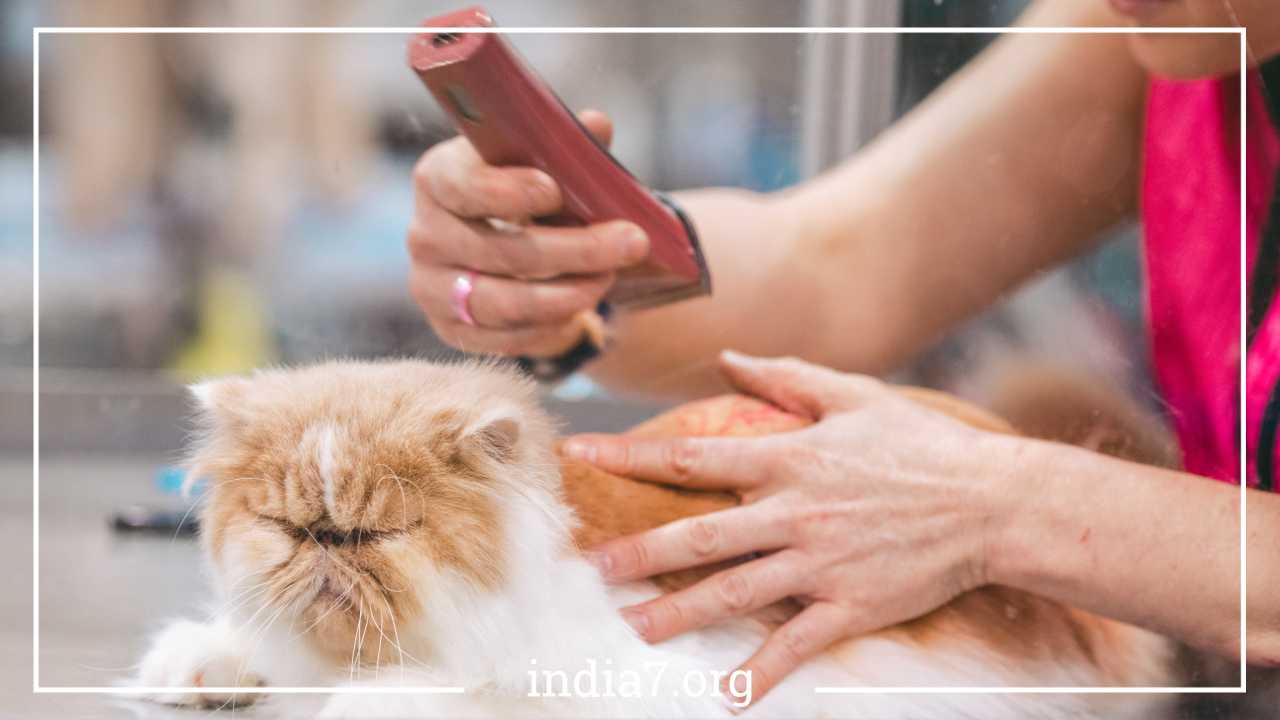
This is the single most effective prevention strategy. By removing loose fur directly from the source, it never gets a chance to float onto your furniture.
The Right Brush: Use a slicker brush for everyday tangles and a specialized deshedding tool once a week to reach the undercoat.
Consistency: For high-shedding breeds, a five-minute daily brushing session is more effective than a one-hour session once a month.
Bathe Pets Properly
Regular baths help wash away loose undercoat hair that brushing might miss.
Deshedding Shampoos: These products contain omega-3 fatty acids and other nutrients that strengthen the hair shaft and hydrate the skin, reducing “breakage shedding.”
The Blow-Dry: After the bath, a professional pet dryer (or a human dryer on a cool setting) can “blow out” the remaining loose hairs. Do this in a bathroom or outside to contain the mess.
Use Washable Covers
If your dog has a favorite spot on the couch, cover it.
Throws and Blankets: Choose materials like tightly woven cotton or treated synthetics that don’t “hold” hair.
Furniture Protectors: Modern furniture protectors are designed to be stylish and slip-resistant. They can be pulled off and thrown in the wash in seconds, protecting the expensive upholstery underneath.
Choose Pet-Friendly Furniture Fabrics
If you are in the market for new furniture, prioritize materials that are easy to maintain:
Leather/Faux Leather: The ultimate choice for pet owners.
Outdoor Fabrics: Materials like Sunbrella are increasingly popular for indoor use because they are designed to be hosed down and are highly resistant to moisture and hair.
Performance Fabrics: Many manufacturers now offer “Performance” lines that are specifically treated to be stain-resistant and have a weave tight enough to prevent “needle-hair” penetration.
Improve Indoor Air Circulation
Keeping your home’s humidity at a balanced level (around 45%) can reduce static electricity. In very dry winter months, static increases, making hair stickier. A humidifier can actually help keep your furniture cleaner by reducing that static attraction.
Common Mistakes to Avoid
In the rush to clean, many pet owners inadvertently make the problem worse or damage their belongings.
Using the Wrong Vacuum Setting: Using a high-suction floor setting on a delicate fabric can stretch the material or pull threads. Always use the upholstery-specific attachments.
Rubbing Too Hard: When using a damp cloth or sponge, avoid aggressive scrubbing. This can push the hair deeper into the weave or cause “pilling” of the fabric, which creates even more surface area for hair to cling to.
Ignoring the Vacuum Maintenance: A vacuum filled with pet hair loses suction and can begin to smell. Empty the canister frequently and wash the filters at least once a month. If the filter is clogged with dander, the vacuum will simply blow “dog smell” back into the room.
Washing Hair-Covered Items Immediately: Never put a hair-covered dog bed directly into the washing machine. The hair will clump together when wet, potentially clogging your machine’s pump or sticking to the next load of laundry. Always vacuum or tumble-dry (on air-fluff) first to remove the bulk of the hair.
Using Too Much Water: Over-saturating upholstery to “wash” away hair can lead to mold or mildew inside the cushions. Keep your cleaning tools damp, not dripping.
Best Pet Hair Removal Products (Buyer’s Guide)
While DIY methods are great, sometimes you need specialized equipment. Here are the top categories of products that provide the best results for pet owners.
Best Premium Vacuum: Cordless Stick Vacuums
High-end stick vacuums are game-changers for pet owners. Their portability makes it easy to vacuum the sofa daily without hauling out a heavy upright machine.
What to look for: Look for models with “anti-tangle” technology and a dedicated “mini-motorized tool” for upholstery.
Best Reusable Tool: The Roller Brush
Unlike sticky paper rollers, these devices (often called “ChomChom” style rollers) use a nylon fabric and a back-and-forth motion to “scoop” hair into an internal compartment. They are highly effective for cat owners with microfiber furniture.
Pros: No refills needed, very fast, works on almost all fabric types.
Best for Large Dogs: Pet Hair Rakes
If you have a large dog that sheds long fur, a long-handled rubber rake is essential. It allows you to clean rugs and large sectional sofas without bending over. It is also surprisingly effective at pulling “hidden” hair out of low-pile carpets.
Best for Budgets: The Rubber Squeegee
For under ten dollars, a hand-held squeegee is arguably the most effective tool for deep-cleaning fabric sofas and car interiors. It is durable, easy to clean, and takes up very little storage space.
FAQ
What removes pet hair from couches best?
The most effective combination is a motorized vacuum attachment followed by a damp rubber glove. The vacuum removes the loose surface hair, and the glove pulls out the “knitted” hairs that the vacuum missed.
How do you remove embedded pet hair?
To remove hair that has punctured the fabric, you need agitation. Use a rubber-bristled brush or a squeegee. Scraping the surface helps pull those needle-like hairs out of the weave so they can be vacuumed up.
Does fabric softener help remove pet hair?
Yes. Fabric softener contains chemicals designed to reduce static and relax fibers. Using a diluted spray on furniture or adding it to the wash makes the hair much “slippery” and easier to remove.
Which furniture material attracts the least pet hair?
Leather, faux leather, and performance synthetics (like Ultrasuede) are the best choices. Silk, velvet, and loosely woven wool are the most difficult to keep clean.
How often should pet owners vacuum furniture?
For high-shedding breeds, a quick daily pass with a handheld vacuum is ideal. At a minimum, furniture should be deep-cleaned once a week to prevent dander buildup and odors.
Are robot vacuums good for pet hair?
They are excellent for daily maintenance on hard floors and thin carpets, preventing “tumbleweeds” from forming. However, they cannot clean furniture, so you will still need a manual solution for your sofa and chairs.
Final Thoughts
Living with pets doesn’t have to mean living with a layer of fur on everything you own. The key to a clean home is a combination of consistency and using the right tools for the right surfaces.
By grooming your pet regularly, you stop the problem at its source. By using anti-static tricks like rubber gloves and dryer sheets, you make the cleaning process significantly less frustrating. Most importantly, don’t strive for absolute perfection—a few stray hairs are a small price to pay for the joy and companionship our pets bring into our lives. Develop a simple weekly routine, keep a lint roller handy for emergencies, and enjoy your pet-friendly home. Consistency is your greatest ally; five minutes of maintenance today prevents an hour of deep-cleaning tomorrow.