The 5 Best Foods With Vitamins For Hair Growth
5 Best Vitamin-Rich Foods for Hair Growth, Strength & Less Hair Fall
The quest for thick, lustrous, and healthy hair is a journey many people embark on, often spending a significant amount of money on external treatments, shampoos, and serums. While topical products can certainly help manage the appearance of your hair, the true foundation of hair health is built from the inside out. Hair is a reflection of your internal wellness, and its growth is deeply tied to the nutrients you consume daily. Whether you are dealing with thinning, slow growth, or simply want to improve the overall quality of your strands, nutrition is the most powerful tool at your disposal.
Hair is one of the fastest-growing tissues in the human body, but because it is not a vital organ, the body often redirects nutrients away from the hair follicles to more critical systems when supplies are low. This means that even a minor nutritional deficiency can manifest as hair fall or brittle texture. Understanding the relationship between your diet and your scalp health is the first step toward achieving the hair of your dreams. In this article, we will explore the biological mechanisms of hair growth and dive deep into five powerhouse foods that provide the essential vitamins and minerals needed for a flourishing mane.
Read: Healthy Eating Menu: Healthy Meals for Every Day
How Nutrition Affects Hair Growth
To understand why food matters so much, we have to look at how hair actually grows. Each strand of hair on your head goes through a specific life cycle consisting of three main phases: anagen, catagen, and telogen. The anagen phase is the active growth stage, which can last anywhere from two to seven years. The catagen phase is a short transitional stage, and the telogen phase is the resting period that eventually leads to the hair falling out so a new one can grow in its place.
The length and quality of the anagen phase are heavily influenced by the nutrients available in your bloodstream. Your hair follicles are among the most metabolically active cells in your body. They require a steady supply of energy, vitamins, and minerals to produce the keratin protein that makes up each hair shaft. When your body is starved of these building blocks, the anagen phase may shorten, or follicles may enter the resting phase prematurely, leading to noticeable thinning and increased shedding.
Read: Reasons to Lose Weight: Why Prioritizing Your Health Matters
Common Signs of Nutrient Deficiency
When the body lacks specific vitamins, the hair is often the first place to show signs of distress. Common issues include:
-
Excessive Hair Fall: Often linked to low iron or protein intake.
-
Dry and Brittle Strands: Frequently a sign of insufficient Vitamin A or healthy fats.
-
Slow Regrowth: Can be caused by a lack of zinc or biotin.
-
Premature Graying: Sometimes associated with B-vitamin deficiencies.
Vital Nutrients for a Healthy Scalp
Before we look at specific foods, it is helpful to identify the “all-star” nutrients that these foods provide.
Biotin (Vitamin B7): This is perhaps the most famous hair vitamin. It is essential for the production of keratin.
Vitamin A: All cells need Vitamin A for growth. It also helps skin glands make an oily substance called sebum, which moisturizes the scalp and keeps hair healthy.
Vitamin C: A powerful antioxidant that protects against oxidative stress and is crucial for creating collagen.
Vitamin D: Low levels of Vitamin D are frequently linked to alopecia (hair loss).
Vitamin E: Similar to Vitamin C, it prevents oxidative stress and supports scalp health.
Iron: Iron helps red blood cells carry oxygen to your cells. This makes it a vital mineral for many bodily functions, including hair growth.
Zinc: Plays an important role in hair tissue growth and repair. It also helps keep the oil glands around the follicles working correctly.
Read: Fastest Way to Lose Weight
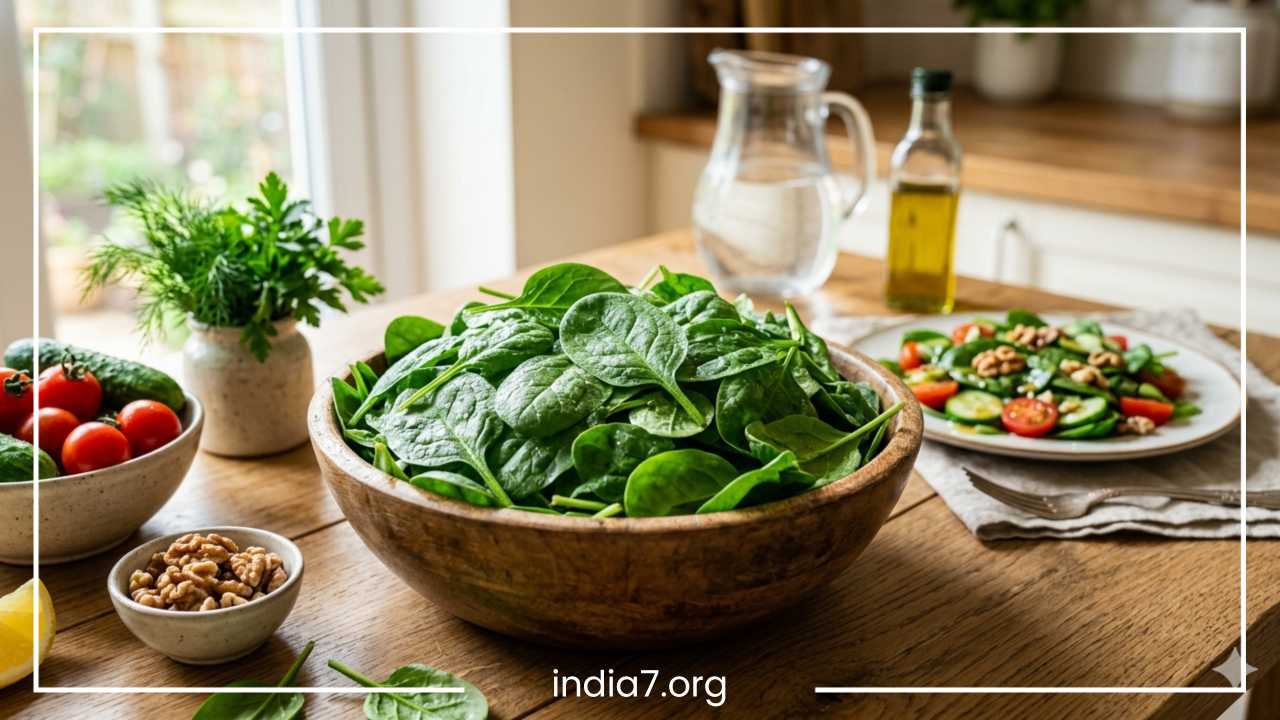
Spinach and Leafy Greens
Leafy greens, particularly spinach, are often cited as the ultimate superfood for hair. Spinach is a nutritional powerhouse packed with vitamins and minerals that directly impact the health of the hair follicle. One of its most significant contributions is its high iron content. Iron deficiency is one of the leading causes of hair loss, especially in women, as it leads to anemia, which prevents the blood from carrying enough oxygen to the scalp.
The Role of Iron and Folate
When you consume spinach, you are providing your body with the iron necessary to fuel the metabolism of your hair cells. Along with iron, spinach is rich in folate. Folate is a B-vitamin that aids in the creation of red blood cells. By ensuring a healthy supply of oxygenated blood reaches the scalp, spinach helps maintain the active growth phase of the hair.
Vitamin A and Sebum Production
Spinach is also an incredible source of Vitamin A. This vitamin is critical for the production of sebum, the natural conditioner produced by our scalp. Without enough sebum, hair can become dry, itchy, and prone to breakage. However, the Vitamin A in spinach is delivered in the form of beta-carotene, which the body converts safely, avoiding the risks associated with over-supplementing synthetic Vitamin A.
How to Incorporate Spinach
Incorporating more leafy greens into your diet is simpler than most people think. For those who aren’t fans of the taste of raw spinach, adding a handful to a fruit smoothie is an excellent way to get the nutrients without the flavor. Spinach can also be wilted into warm lentil dals, stirred into pasta sauces, or lightly sautéed with garlic and olive oil as a side dish. The key is consistency; eating greens once a week won’t yield the same results as making them a daily staple.
Nuts and Seeds
Nuts and seeds are dense sources of nutrition that provide a variety of vitamins and minerals in a very small package. For hair health, they are particularly valuable because of their high concentrations of Vitamin E, zinc, and essential fatty acids. Almonds, walnuts, flaxseeds, and chia seeds each offer unique benefits that contribute to stronger, more resilient hair.
Protection Through Vitamin E
Vitamin E is a potent antioxidant that helps neutralize free radicals. Free radicals are unstable molecules that can damage cells, including those in the hair follicles. Oxidative stress has been linked to increased hair loss and scalp aging. By consuming Vitamin E-rich foods like almonds and sunflower seeds, you provide your scalp with a protective barrier that supports long-term hair density.
Zinc and Tissue Repair
Zinc is a mineral that acts as a co-factor for many enzymes involved in hair growth. It plays a functional role in the hair follicle cycle and helps with the structural integrity of the hair shaft. Walnuts are a particularly good source of zinc, alongside their omega-3 fatty acid content. A deficiency in zinc can lead to a weakened hair shaft, making it more likely to snap or fall out.
Healthy Fats for Shine
The essential fatty acids found in seeds like flax and chia are vital for maintaining the luster and shine of your hair. Since the body cannot produce these fats on its own, they must come from the diet. These “good fats” nourish the hair and support the thickness of the strand.
How to Include Nuts and Seeds
Nuts and seeds are incredibly versatile. You can sprinkle flaxseeds or chia seeds over your morning oats or yogurt. A handful of raw almonds makes for a perfect midday snack that keeps you full while feeding your hair. You can also use walnut oil in salad dressings or add crushed nuts to stir-fries for extra texture.
Sweet Potatoes
Sweet potatoes are one of the best sources of beta-carotene. This compound is what gives the vegetable its vibrant orange color, and it is a precursor to Vitamin A. While we mentioned Vitamin A in spinach, sweet potatoes provide it in such high concentrations that they deserve their own spotlight.
Supporting the Scalp Environment
A healthy scalp is the “soil” in which your hair grows. If the scalp is dry, flaky, or poorly circulated, the hair will suffer. The Vitamin A derived from sweet potatoes encourages the glands in the scalp to produce the right amount of sebum. This prevents the hair from becoming brittle and helps maintain a natural shine. Furthermore, Vitamin A is known to speed up the rate of hair growth and encourage the growth of thicker hair, all while preventing other hair follicles from regressing.
Preventing Brittle Hair
Brittle hair is often a sign of a lack of moisture at the cellular level. Because sweet potatoes help regulate the moisture balance of the scalp and the hair fiber, they are an essential food for anyone struggling with split ends or chronic dryness. The complex carbohydrates in sweet potatoes also provide a steady release of energy, which is necessary for the highly active cells in the hair follicles.
How to Include Sweet Potatoes
Sweet potatoes are a hearty addition to any meal. They can be roasted with herbs, mashed with a bit of olive oil, or even sliced and toasted as a base for avocado “toast.” They are also wonderful in soups and stews, providing a creamy texture and a boost of vitamins that can survive the cooking process.
Berries
Berries, including strawberries, blueberries, and raspberries, are packed with beneficial compounds and vitamins that can promote hair growth. The standout nutrient here is Vitamin C, which has two major roles in hair health: antioxidant protection and collagen production.
Collagen and Hair Structure
Vitamin C is essential for the synthesis of collagen. Collagen is a protein that provides structure to many parts of the body, including the hair. While collagen is often discussed in the context of skin elasticity, it is also rich in amino acids that the body uses to build hair proteins. Strengthening the hair from the root through collagen support can lead to less breakage and a fuller appearance.
Enhancing Iron Absorption
One of the most important functions of Vitamin C is its ability to help the body absorb iron from plant-based sources. As we discussed earlier, iron is crucial for hair growth. If you are eating iron-rich foods like spinach or lentils, pairing them with berries or other Vitamin C sources ensures that your body actually utilizes the iron effectively. This synergy is a perfect example of how a balanced diet works together to support your body.
Protecting the Follicles
The antioxidants in berries protect hair follicles against damage from harmful molecules called free radicals. These molecules are produced naturally by the body but are also found in the environment (pollution, UV rays). By neutralizing these molecules, berries help keep the hair follicles healthy and functioning at their peak for longer periods.
How to Include Berries
Berries are easy to enjoy. They can be eaten fresh as a snack, blended into smoothies, or added to breakfast bowls. Frozen berries are just as nutritious as fresh ones and can be a cost-effective way to ensure you have a constant supply of antioxidants throughout the week.
Lentils and Legumes
Lentils and other legumes are nutritional powerhouses for hair growth. They are an excellent source of protein, which is the literal building block of hair. Since hair is almost entirely made of a protein called keratin, ensuring you have enough protein in your diet is non-negotiable for anyone wanting long, strong hair.
A Wealth of Biotin and Zinc
Lentils are also loaded with iron, zinc, and biotin. Biotin is a water-soluble B-vitamin that helps the body convert nutrients into energy and plays a key role in the health of the hair, skin, and nails. Many people turn to biotin supplements, but obtaining it through whole foods like lentils allows the body to process it alongside other helpful minerals and fiber.
Maintaining Hair Density
The combination of folic acid and protein in lentils helps oxygenate the scalp and build the hair fiber simultaneously. This dual action is excellent for maintaining hair density and preventing the thinning that often occurs when the body is under-nourished. Because lentils are low in fat and high in fiber, they provide these benefits without the heavy caloric load of other protein sources.
How to Include Lentils
Lentils are a staple in many cultures for a reason. They are affordable, shelf-stable, and incredibly versatile. You can make a hearty lentil soup, a traditional dal, or use chilled lentils in a salad with fresh herbs and lemon juice. They absorb flavors beautifully, making them an easy addition to almost any savory meal plan.
Additional Foods Worth Mentioning
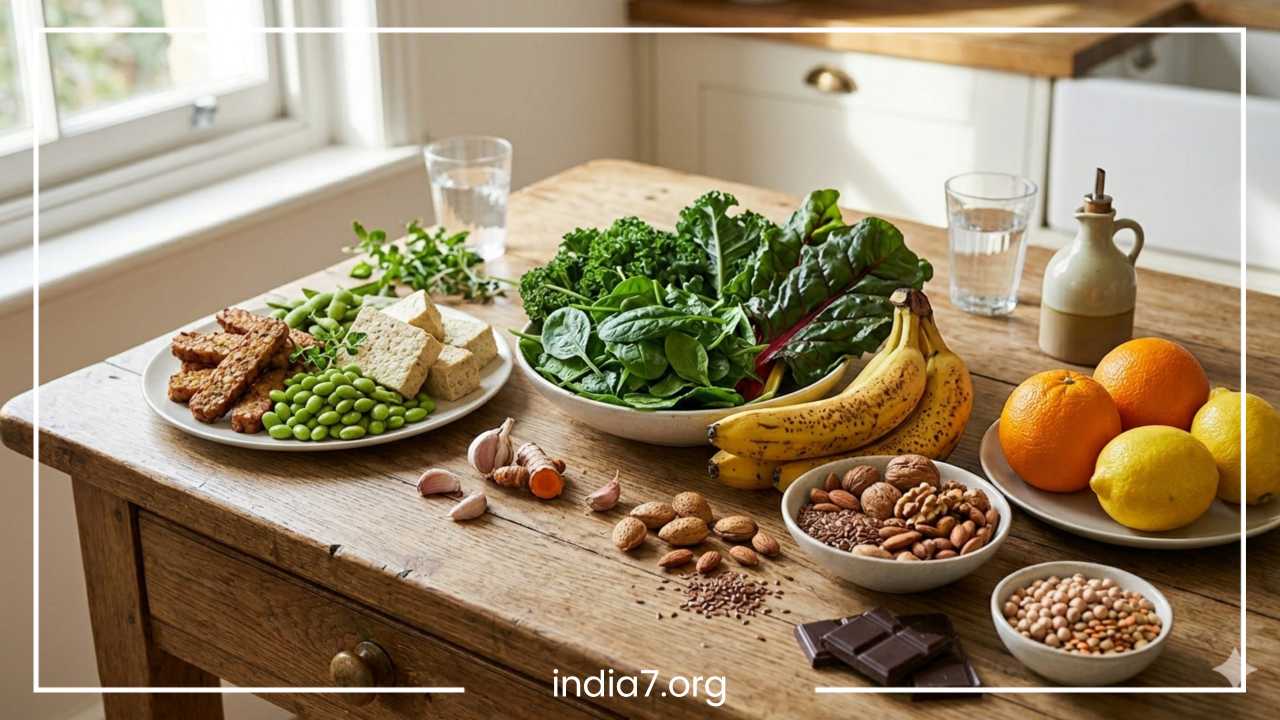
While the five foods listed above are some of the most potent for hair growth, a varied diet is always the best approach. Other foods that can support your journey include:
-
Whole Grains: Oats, barley, and whole wheat are rich in biotin, iron, and zinc. They also provide B-vitamins that help with energy metabolism.
-
Dairy Products: If you consume dairy, Greek yogurt and cottage cheese are excellent sources of protein and Vitamin B12, which is essential for red blood cell formation.
-
Oranges and Guava: These fruits are exceptionally high in Vitamin C, even more so than some berries, making them great for collagen support.
-
Carrots: Like sweet potatoes, carrots are high in beta-carotene, helping to keep the scalp conditioned.
Hair Growth and Weight Management
Many people find that their hair begins to thin or fall out when they embark on a weight loss journey. This is often because weight loss is achieved through “crash dieting” or extreme calorie restriction. When the body detects a significant drop in energy intake, it enters a “survival mode.” In this state, it prioritizes the heart, lungs, and brain, while shutting down “non-essential” processes like hair growth.
The Danger of Crash Diets
If you are looking to lose weight, it is vital to do so in a way that does not sacrifice your nutritional status. Rapid weight loss can lead to a condition called telogen effluvium, where a large number of hair follicles are pushed into the resting phase at once. This results in significant shedding a few months after the weight loss begins.
Sustainable Weight Management for Hair Health
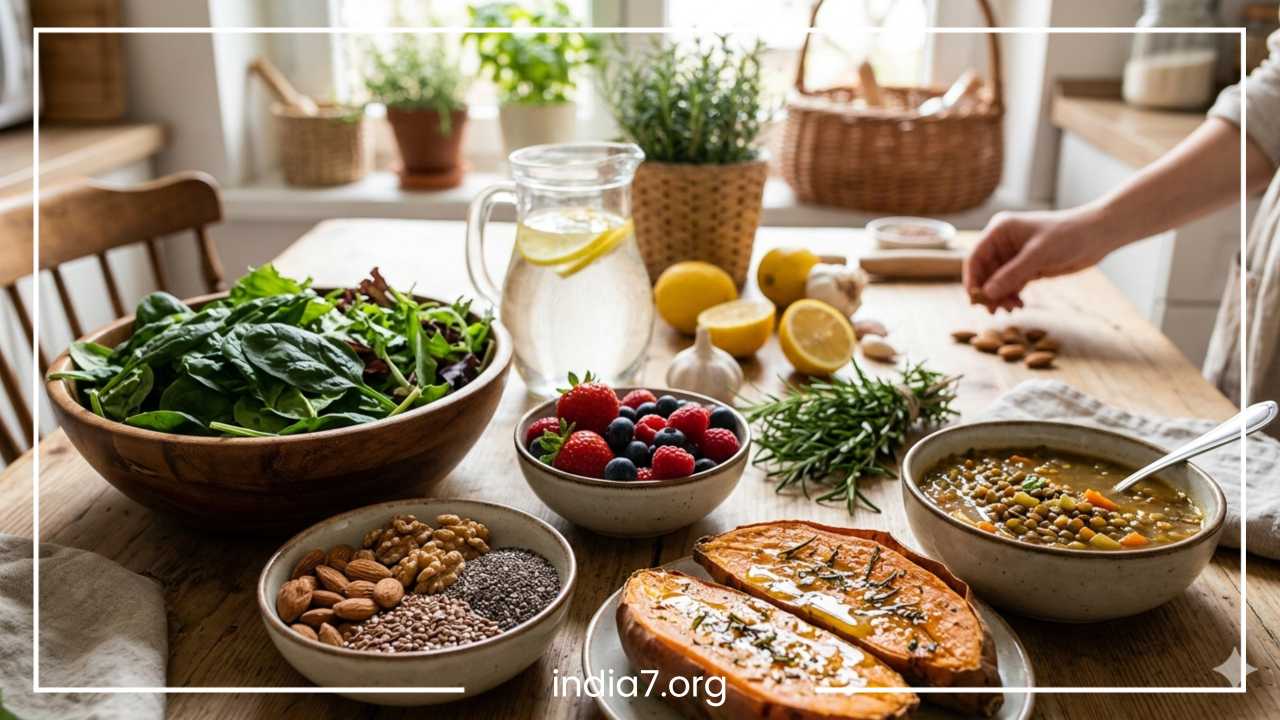
To lose weight while maintaining a healthy head of hair, focus on nutrient density rather than just calorie counting. The foods mentioned in this article—spinach, nuts, sweet potatoes, berries, and lentils—are all excellent for weight management because they are high in fiber and nutrients while being relatively low in calories (with the exception of nuts, which should be eaten in moderation).
-
Prioritize Protein: Even when cutting calories, keep your protein intake high to provide the building blocks for keratin.
-
Don’t Fear Fats: Healthy fats from seeds and nuts are necessary for hormone production, which regulates the hair cycle.
-
Stay Hydrated: Water is necessary for every chemical reaction in the body, including the growth of hair.
-
Slow and Steady: Aim for a gradual weight loss of one to two pounds per week. This allows your body to adjust without triggering the stress response that leads to hair loss.
Tips to Maximize Hair Growth
Eating the right foods is the most important step, but you can further support your hair growth by adopting a few healthy habits:
Manage Your Stress: High levels of cortisol (the stress hormone) can interfere with the hair growth cycle. Practices like meditation, deep breathing, or regular walking can help keep your hormones in balance.
Be Gentle with Styling: Avoid excessive heat from blow dryers and flat irons, which can damage the hair shaft. Try to limit tight hairstyles that pull on the roots, as this can cause a type of hair loss called traction alopecia.
Scalp Massage: Regularly massaging your scalp can increase blood flow to the follicles, ensuring that the nutrients you are eating actually reach their destination.
Adequate Sleep: Your body repairs itself while you sleep. Lack of sleep can hinder the cellular regeneration required for hair growth.
Common Mistakes to Avoid
In the pursuit of better hair, it is easy to fall into certain traps. Here are a few things to keep in mind:
Over-Supplementing
More is not always better. While vitamins are essential, taking excessive amounts of certain supplements, such as Vitamin A or Selenium, can actually cause hair loss. It is always better to get your nutrients from whole food sources where they exist in balanced proportions.
Expecting Instant Results
Hair grows at an average rate of about half an inch per month. This means that any nutritional changes you make today will likely take three to six months to show up in the quality of your hair. Consistency is key. Do not get discouraged if you don’t see a difference in two weeks; your body is working on the new hair beneath the surface of the scalp.
Skipping Meals
Consistency in eating is just as important as the quality of the food. Frequent meal skipping can cause fluctuations in blood sugar and nutrient availability, which can stress the hair follicles. Aim for balanced meals throughout the day.
Final Thoughts
Your hair is a living record of your health and nutrition over the past several months. By choosing to incorporate spinach, nuts and seeds, sweet potatoes, berries, and lentils into your daily routine, you are providing your body with a sophisticated toolkit for hair regeneration. These foods offer a synergy of vitamins, minerals, and antioxidants that work together to strengthen the hair shaft, protect the follicle, and nourish the scalp.
Remember that true beauty and health are not about quick fixes but about sustainable habits. As you focus on nourishing your body with these whole, nutrient-dense foods, you will likely find that not only does your hair become stronger and shinier, but your overall energy levels and well-being improve as well. Be patient with the process, enjoy the variety of flavors these foods offer, and trust that your body will reward your efforts with the healthy, vibrant hair you deserve.