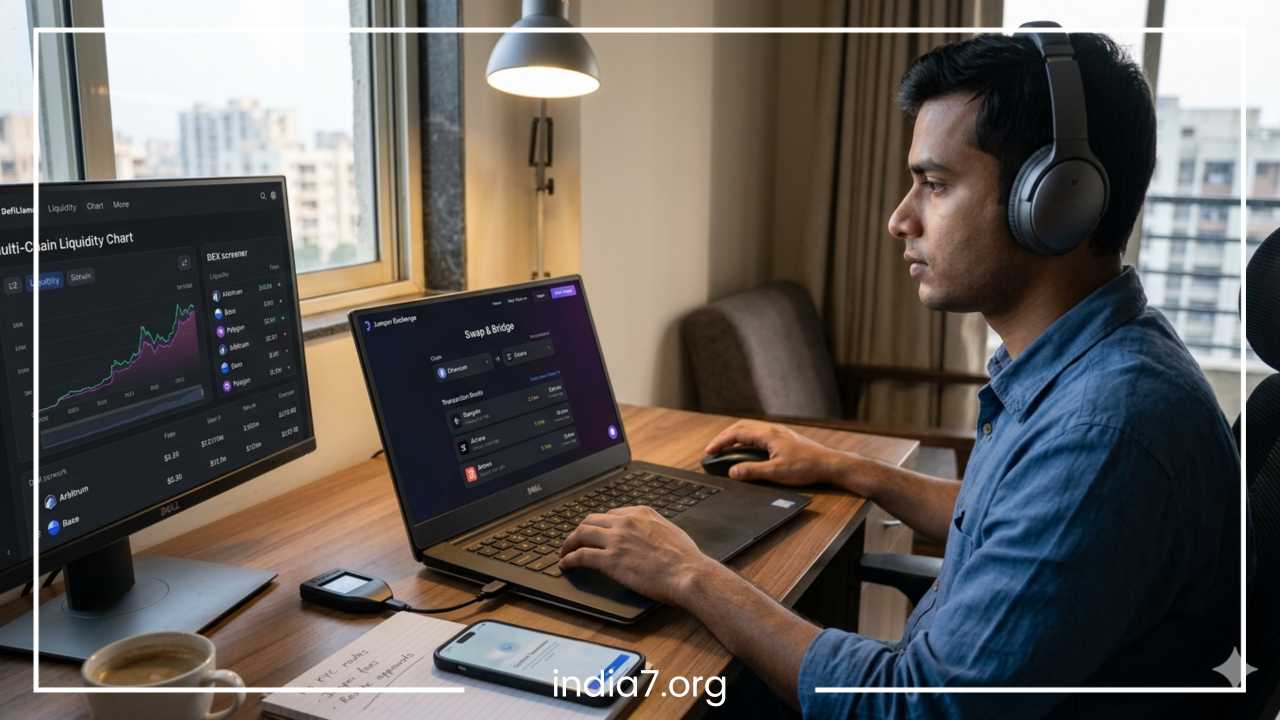
Top Ways to Send Money Overseas Cheaply

Top Ways to Send Money Overseas Cheaply | Best Transfer Tips
The global landscape of finance has shifted dramatically over the last decade. What was once a slow, expensive process dominated by a few high-street banks has transformed into a competitive ecosystem filled with innovative financial technology (fintech) firms, blockchain solutions, and digital wallets. Sending money across borders is now a fundamental requirement for the modern world, yet many people still default to methods that cost them hundreds, if not thousands, of dollars in unnecessary fees over time.
Whether you are an expatriate sending a portion of your salary back home, a business owner paying international suppliers, or a traveler trying to manage funds across different continents, understanding the mechanics of international transfers is essential. The goal is simple: ensure the maximum amount of money reaches the recipient in the shortest possible time with the least amount of friction. Achieving this requires moving beyond convenience and looking deeply into the structures of exchange rates and hidden banking protocols.
This comprehensive guide explores the most effective ways to move money internationally while keeping costs at an absolute minimum. We will dismantle the myths of “fee-free” transfers, analyze the various platforms available today, and provide actionable tips to help you navigate the complexities of global currency exchange.
Read: Ways of Debt Settlement You Have Never Heard Of
What Makes International Transfers Expensive?
To save money on international transfers, you must first understand the “invisible” hands that take a cut of your transaction. Most people look at the upfront fee and assume that is the total cost of the service. In reality, that fee is often just the tip of the iceberg.
Transfer Fees: Flat vs. Percentage
The most visible cost is the service fee. This is the amount a provider charges to facilitate the move.
-
Flat Fees: These are fixed costs (e.g., $15 per transfer). They are highly beneficial for large transfers because the cost remains the same whether you send $1,000 or $10,000.
-
Percentage Fees: These are calculated based on the total amount (e.g., 1%). These are often cheaper for very small amounts but become prohibitively expensive as the transfer volume increases.
The Hidden Cost: Exchange Rate Markups
This is where most traditional financial institutions make their highest profits. There is a “mid-market rate”—the real exchange rate used by banks to trade with each other. When you look up a currency pair on a search engine, that is the mid-market rate.
However, when you send money through a bank, they rarely give you that rate. Instead, they add a “markup” or “spread.” If the mid-market rate is 1.20, the bank might offer you 1.15. That 5-cent difference per unit of currency is a hidden fee. Over a large transfer, this markup can easily represent a 3% to 5% loss of your total value, often far exceeding the stated transfer fee.
Intermediary Bank Fees and the SWIFT System
Most traditional bank transfers move through the SWIFT (Society for Worldwide Interbank Financial Telecommunications) network. Think of SWIFT as a series of connecting flights. If your bank doesn’t have a direct relationship with the recipient’s bank, your money must pass through “intermediary” or “correspondent” banks.
Each bank that handles your money along the way may charge its own processing fee. Because these fees are deducted during transit, neither the sender nor the recipient always knows exactly how much will be taken out until the money arrives. This lack of transparency is a major reason why bank wires are often discouraged for those looking to save money.
The Speed vs. Cost Trade-off
In the world of finance, speed is a premium commodity. If you need money to arrive in a recipient’s account within minutes, you will likely have to use a service that charges a higher fee or offers a worse exchange rate. If you can afford to wait three to five business days, you can often access much cheaper “batch” transfer services that move money more efficiently and pass those savings on to you.
Read: Proper Personal Finance – Why Is It Necessary
Top Ways to Send Money Overseas Cheaply
The market is currently divided into several categories of providers. Each has its own strengths, and the “cheapest” option often depends on the specific currency pair and the amount being sent.
Online Money Transfer Services
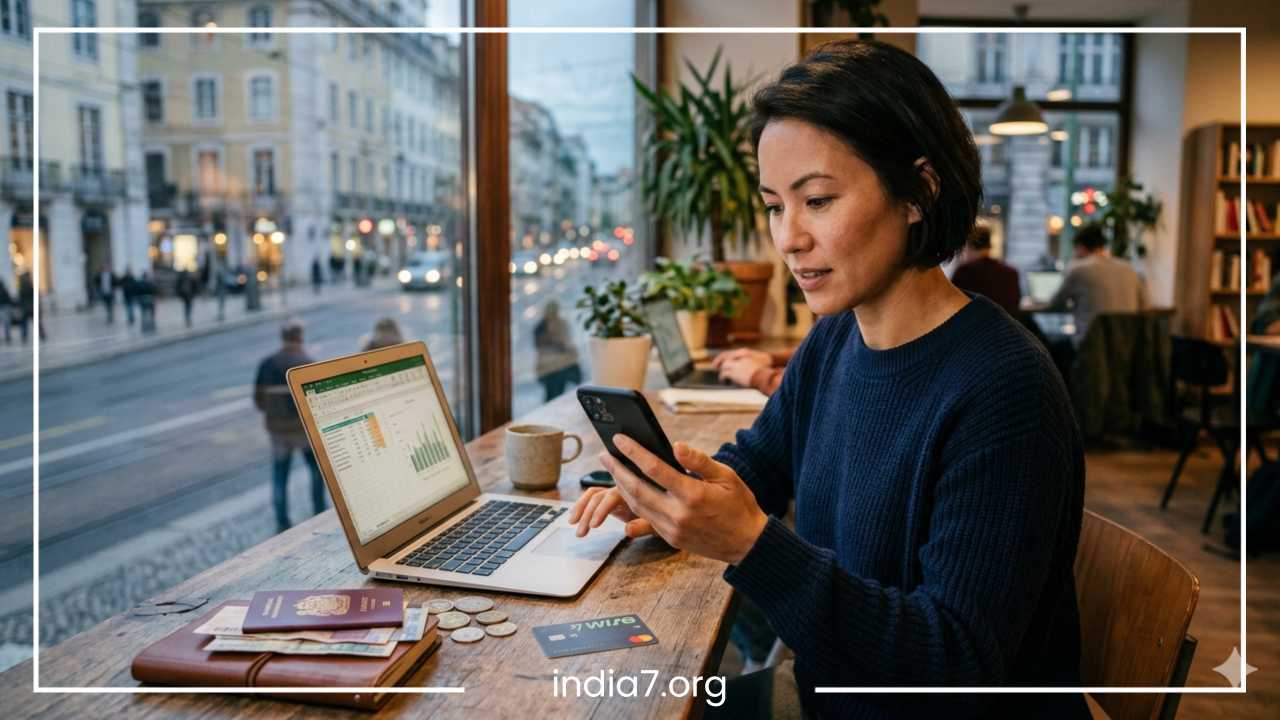
Fintech companies like Wise, Remitly, and WorldRemit have disrupted the industry by creating a “local-to-local” payment model. Instead of sending your money across a border, these companies have pools of currency in different countries. When you pay them in your home country, they simply send an equivalent amount from their pool in the destination country.
-
Transparency: Many of these providers use the real mid-market rate and charge a single, transparent fee.
-
Efficiency: Because the money rarely actually crosses a border in the traditional sense, it avoids many of the intermediary bank fees associated with SWIFT.
-
Best For: Almost everyone, especially freelancers and individuals sending moderate amounts (under $10,000).
Bank Transfers (Traditional Wire Transfers)
While they are generally the most expensive, traditional banks are not entirely obsolete.
-
When to use them: If you are moving exceptionally large sums (e.g., $100,000 for a property purchase), some banks may offer a capped fee or allow you to negotiate a better exchange rate through their private banking or “premier” divisions.
-
Security: For very large sums, the legal protections and direct communication between established banking institutions provide a level of comfort that some users prefer over newer apps.
Digital Wallets and Payment Apps
PayPal and Payoneer are ubiquitous in the freelance and e-commerce worlds. They offer extreme convenience, allowing you to send money using just an email address.
-
The Downside: These platforms are often among the most expensive regarding exchange rate markups. PayPal, for example, often charges a significant margin on currency conversion.
-
The Strategy: Use these for convenience and speed, but avoid them for large transfers or situations where you need to convert currency within the app. It is often cheaper to withdraw to a local bank account and use a third-party service for the conversion.
Cryptocurrency Transfers
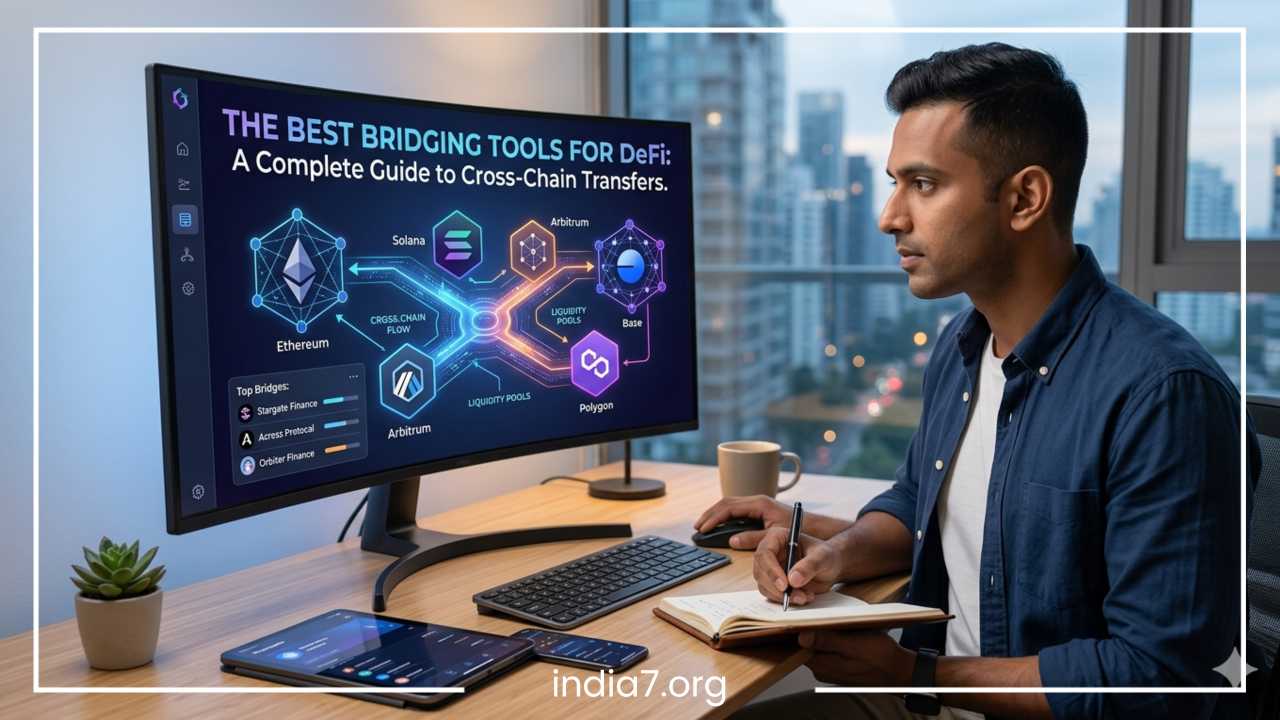
Using “Stablecoins” (cryptocurrencies pegged to the value of a fiat currency like the US Dollar) has become a popular alternative for tech-savvy users.
-
Low Cost: Sending a stablecoin like USDT or USDC can cost as little as $1 regardless of the amount, depending on the blockchain network used.
-
Speed: These transfers are nearly instant and operate 24/7, including weekends and holidays.
-
Caution: Both the sender and receiver must understand how to use digital wallets safely. Mistakes in wallet addresses can result in a permanent loss of funds.
Money Transfer Agents
Western Union and MoneyGram are the “old guard” of the industry. They specialize in cash-to-cash transfers.
-
Accessibility: They are essential for sending money to people who do not have bank accounts or live in areas with limited digital infrastructure.
-
Costs: While their online fees have become more competitive recently, their physical retail locations still tend to have higher fees and lower exchange rates.
Read: Auto Insurance – All You Need To Know About It
Smart Tips to Save Money on International Transfers
Beyond choosing the right platform, your behavior as a sender determines how much you save. Follow these expert tips to optimize your transfers.
Always Compare Total Cost, Not Just Fees
When comparing two providers, look at the final amount the recipient will receive.
-
Provider A: $5 fee, exchange rate 1.10
-
Provider B: $0 fee, exchange rate 1.05
In many cases, Provider A is actually cheaper because the better exchange rate outweighs the $5 fee. Never be swayed by “zero commission” or “no fee” marketing; the cost is almost certainly hidden in the rate.
Avoid Credit Card Funding
Most transfer apps allow you to pay via bank transfer, debit card, or credit card. Paying with a credit card is almost always a mistake.
-
The transfer app will charge a higher processing fee (often 3% or more).
-
Your credit card issuer will likely treat the transaction as a “cash advance,” meaning they will charge a high fee and start accruing interest immediately, even if you pay your bill on time.
Use “Rate Alerts” for Non-Urgent Transfers
If you send money regularly but don’t have an immediate deadline, use the rate alert features found in many apps. You can set a target exchange rate, and the app will notify you when the market hits that level. Catching a currency on a “good day” can save you 1% to 2% effortlessly.
Consolidate Your Transfers
If you need to send $500 every month, you might pay twelve separate flat fees. If your recipient can manage it, sending $1,500 every three months reduces your total transaction costs by two-thirds. This is particularly effective when using services that have a high fixed-fee component.
Choose the Recipient’s Currency
If a website or ATM asks if you want to be charged in your “home” currency or the “local” currency, always choose the local (recipient’s) currency. If you choose your home currency, the merchant uses a process called Dynamic Currency Conversion (DCC) to set their own exchange rate—which is almost always terrible.
Best Option by Use Case
To simplify your decision-making, evaluate your specific situation against these common scenarios:
-
Best for Small, Frequent Transfers: Online apps like Wise or Remitly. They offer the best balance of low fees and fair rates for amounts under $2,000.
-
Best for Business/Freelance Invoicing: Payoneer or specialized business accounts. These allow you to receive money like a local in various countries, saving on the initial receiving costs.
-
Best for Speed (Emergency): Cash pickup services or crypto stablecoins. If a family member needs money in minutes for an emergency, these are the most reliable paths.
-
Best for Remote/Rural Areas: Money transfer agents with physical locations. In many parts of the world, “cash is king,” and digital infrastructure is not yet reliable.
Safety and Security Considerations
Lowering costs should never come at the expense of security. When choosing a method to send money, ensure the following criteria are met:
Verify Regulation
Any company handling your money must be registered with the financial regulatory body in their respective country (e.g., the FCA in the UK, FinCEN in the US, or the RBI in India). Regulated companies are required to “segregate” client funds, meaning your money is kept in a separate account from the company’s operating cash. This protects your funds if the company faces financial trouble.
Use Multi-Factor Authentication (MFA)
Because these apps are linked to your bank accounts, they are high-value targets for hackers. Always enable biometric or SMS/app-based authentication for every transaction.
Beware of “Social Engineering”
A common scam involves someone posing as a friend or an authority figure asking for an “urgent” international transfer. Once an international wire or cash pickup is completed, it is virtually impossible to reverse. Always verify the recipient’s identity through a separate communication channel before hitting send.
Common Mistakes to Avoid
-
Defaulting to Your Bank: Most people assume their bank will “take care of them.” In reality, international transfers are a major profit center for banks, and they rarely offer competitive rates to retail customers.
-
Not Checking the Final Amount: Always look for the “Recipient Receives” box. That is the only number that matters for a fair comparison.
-
Ignoring Weekend Markup: Some services increase their spreads on weekends when the global currency markets are closed to protect themselves against price gaps on Monday morning. If possible, send your money during mid-week business hours.
-
Mistyping Account Details: A single wrong digit in a SWIFT or IBAN code can result in your money being held in a suspense account for weeks. Always copy and paste details rather than typing them manually.
Future Trends in International Money Transfers
The industry is moving toward a future where cross-border payments are as fast and cheap as sending an email. We are seeing a “race to the bottom” regarding fees, which is great for consumers.
The Rise of Central Bank Digital Currencies (CBDCs)
Many governments are exploring their own digital currencies. If successful, this could allow for direct, government-backed digital transfers between countries, potentially eliminating the need for private intermediaries and further reducing costs.
Integration with Messaging Apps
We are already seeing the integration of payment systems into apps like WhatsApp and Telegram. As these features become more global, the friction of opening a separate banking app will disappear, though users must remain vigilant about the exchange rates offered within these convenient “all-in-one” ecosystems.
AI-Driven Exchange Rate Optimization
Future financial tools will likely use artificial intelligence to analyze market trends and suggest the exact minute you should execute a transfer to get the absolute best rate, automating the “rate alert” process into a more active management system.
In-Depth Analysis: The Real Value of Peer-to-Peer Networks
One of the most significant advancements in modern money transfer is the maturation of Peer-to-Peer (P2P) networks. While we touched on fintech apps earlier, the underlying “P2P” philosophy deserves a deeper look because it is the engine driving the lowest costs in the market today.
In a traditional banking transfer, your money moves through a series of “pipes” controlled by different institutions. Each institution charges a toll. In a P2P-inspired model, the money often doesn’t “move” in the physical sense across a border. If User A in the UK wants to send $1,000 to User B in India, and User C in India wants to send a similar amount to User D in the UK, the P2P company simply swaps the funds locally. User A’s money goes to User D, and User C’s money goes to User B.
By eliminating the international journey, the provider eliminates the SWIFT fees and the need for correspondent banks. This is why services that use this model can offer exchange rates that are within 0.1% to 0.5% of the mid-market rate, compared to a bank’s 3% to 5%. For anyone sending money frequently, understanding this distinction is the difference between losing a few dollars and losing hundreds.
Understanding the “Spread” and How to Beat It
The term “spread” is frequently used in the world of foreign exchange (Forex), but few casual users understand how to calculate it. The spread is the difference between the “Buy” price and the “Sell” price of a currency.
If you want to beat the spread, you must be aware of the “timing” of the market. The Forex market is open 24 hours a day during the work week, but liquidity varies. When major markets (like London and New York) overlap, the “spread” usually tightens because there are more buyers and sellers. This results in slightly better rates for you. Conversely, during the “Asian session” or on weekends, spreads often widen because there is less activity.
For the budget-conscious sender, executing your transfer during the peak of the London/New York overlap (roughly 1:00 PM to 4:00 PM GMT) can often secure a slightly more favorable rate than sending money in the middle of the night or on a Sunday.
The Role of Multi-Currency Accounts for Freelancers and Digital Nomads
If you are a freelancer working with international clients, your biggest cost isn’t just sending money—it’s receiving it. Traditional banks often charge a “receiving fee” for international wires, and then they convert the money at their own poor exchange rate before it even hits your balance.
The solution is a multi-currency account (offered by providers like Payoneer, Revolut, or Wise). These accounts provide you with local bank details in several countries. For example, you can have a USD account number in the US, an IBAN in Europe, and a Sort Code in the UK.
Your client pays you as if you were a local, meaning they pay zero international fees, and you receive the full amount. You can then hold that money in its original currency and wait for a favorable exchange rate before converting it to your home currency. This strategy gives you total control over the “when” and “how” of your currency conversion, potentially saving you thousands of dollars in a single fiscal year.
Navigating Legal and Tax Obligations
When sending or receiving large amounts of money overseas, you must be aware of the legal and tax implications. Most countries have “Anti-Money Laundering” (AML) and “Know Your Customer” (KYC) regulations.
-
Reporting Thresholds: In many countries, any transfer exceeding a certain amount (e.g., $10,000 in the US) is automatically reported to the government. This is not something to fear, but it is something to be aware of.
-
Taxation: Sending money to yourself or a family member as a gift is usually not a taxable event, but receiving payment for services rendered is. Always keep clear records of your transfers, including the purpose of the payment, in case your local tax authority asks for clarification.
-
Gift Taxes: If you are sending a large sum as a gift to a family member, check the gift tax laws in both the sending and receiving countries. Some countries allow tax-free gifts up to a certain annual limit.
By staying compliant and keeping organized records, you ensure that your efforts to save money on transfer fees aren’t wiped out by legal penalties or unexpected tax bills.
Final Thoughts
Maximizing the value of your international money transfers requires a shift in mindset. It is about moving away from the “convenience” of your local bank and toward a more analytical approach that prioritizes transparency and the mid-market exchange rate.
By utilizing online transfer services, consolidating your payments, and avoiding high-fee funding methods like credit cards, you can save significant sums of money over the long term. The global economy is more connected than ever, and there is no reason to let hidden bank fees and currency markups act as a tax on your global connections.
Stay informed, compare your options for every transaction, and always keep an eye on the total amount that lands in your recipient’s pocket. In the world of international finance, being a savvy consumer is the most effective way to ensure your money goes exactly where it is intended. Through the combination of right-timing, platform selection, and understanding the underlying mechanics of the Forex market, you can master the art of the cheap international transfer.
FAQ: Frequently Asked Questions
This section addresses the most common queries regarding international payments, using the specific phrases and terms most frequently searched by users online.
What is the cheapest way to send money overseas from my bank account?
The cheapest way is almost always to use an online money transfer specialist rather than a traditional bank. While your bank might offer “fee-free” transfers, they often hide the cost in a poor exchange rate. Services that utilize peer-to-peer networks typically use the mid-market exchange rate and charge a small, transparent fee, making them significantly more cost-effective for bank-to-bank transfers.
How to send money internationally without fees and high exchange rates?
To avoid high costs, look for providers that offer the mid-market rate (the “real” rate you see on search engines). Many fintech platforms offer your first transfer for free or provide a “no-fee” structure for specific corridors. However, always check the “total amount received” to ensure the company isn’t making up for the lack of fees by giving you a lower exchange rate.
Which international money transfer app has the best exchange rate?
The “best” rate fluctuates constantly, but apps that specialize in digital-first transfers generally lead the market. Platforms that offer transparency by showing the interbank rate alongside their fee are consistently ranked highly. It is recommended to use a comparison tool to check live rates for your specific currency pair before every transaction.
How long does an international wire transfer take to reach the recipient?
The duration depends on the method used. A traditional SWIFT bank wire typically takes three to five business days. In contrast, modern online transfer services can often deliver funds within 24 hours, and some digital wallet transfers or cash pickup options are near-instant.
What information do I need to send money abroad?
To ensure a smooth transfer, you will generally need the following:
-
The recipient’s full legal name (as it appears on their bank account).
-
The recipient’s IBAN (International Bank Account Number) or account number.
-
The bank’s SWIFT/BIC code.
-
The recipient’s physical address (required by many regulated providers).
-
A valid form of ID for yourself to comply with “Know Your Customer” (KYC) regulations.
Is it safe to send large amounts of money using online transfer services?
Yes, provided the service is fully regulated. Look for companies authorized by major financial bodies such as the FCA in the UK, FinCEN in the US, or the RBI in India. Regulated services are required by law to keep your money in “segregated accounts,” meaning your funds are protected even if the company itself faces financial difficulties.
Can I send money overseas using a credit card?
You can, but it is the most expensive method. Most transfer providers charge a higher processing fee for credit cards, and your bank will likely treat the transaction as a “cash advance.” This results in immediate interest charges and additional cash advance fees from your card issuer. Using a debit card or a direct bank transfer is much cheaper.