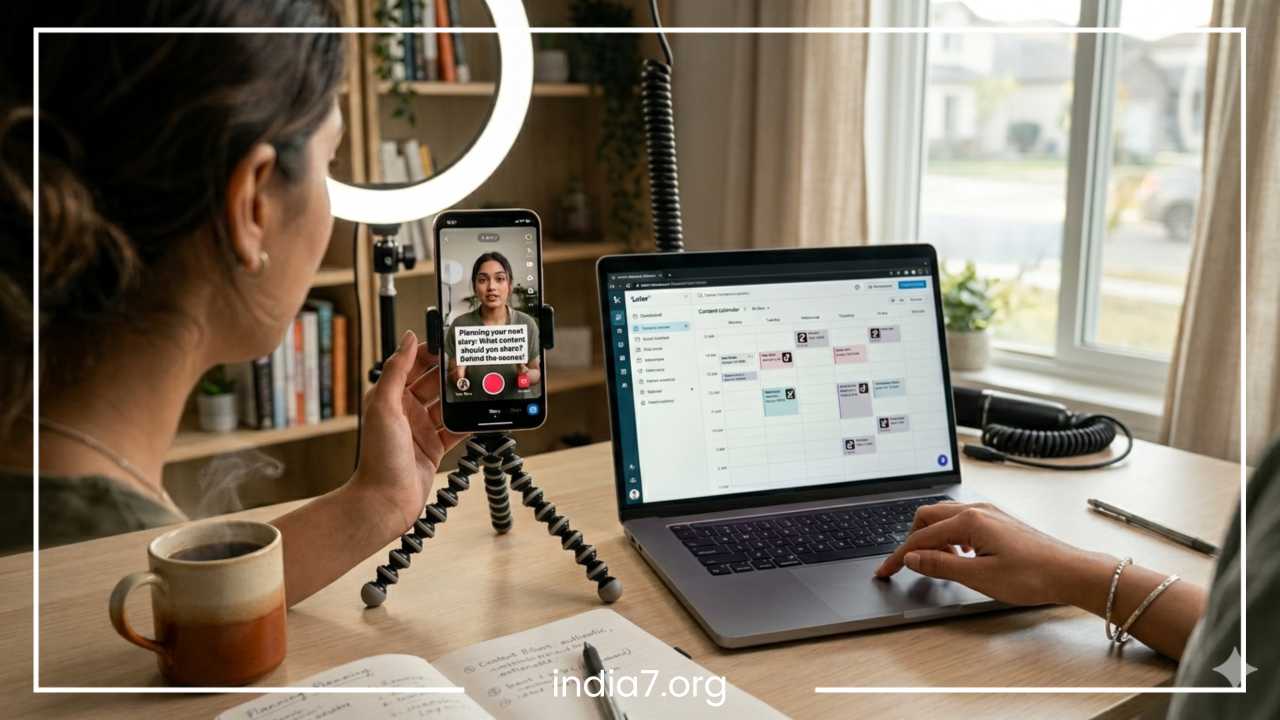
Best Tools for Instagram Influencer Outreach

Best Instagram Influencer Outreach Tools for Growth
Managing influencer campaigns manually through DMs and spreadsheets no longer scales. As the digital landscape becomes increasingly saturated, brands and agencies are finding that the “spray and pray” method of sending generic messages to hundreds of creators is not only inefficient but also damaging to their brand reputation. The transition from manual effort to automated, data-driven strategy is no longer a luxury—it is a necessity for anyone looking to achieve measurable growth through social media partnerships.
Instagram remains a powerhouse for influencer marketing, offering a visual-first environment where authentic storytelling can thrive. However, the challenges of manual outreach are significant. Finding creators who actually align with your brand values, identifying fake followers that inflate costs without providing value, tracking dozens of ongoing conversations, and scaling campaigns beyond a handful of partners can overwhelm even the most experienced marketing teams.
This is where influencer outreach tools become essential. These platforms are designed to streamline the entire lifecycle of a partnership, from initial discovery to final ROI analysis. This comprehensive guide is designed for brands, agencies, startups, ecommerce stores, and even high-level creators who need to professionalize their outreach efforts. By leveraging the right technology, you can shift your focus from tedious administrative tasks to building meaningful, long-term relationships that drive revenue.
Read: The Ultimate Guide to Networking on Twitter
What Is an Instagram Influencer Outreach Tool?
An Instagram influencer outreach tool is a specialized software solution designed to help marketers find, contact, and manage relationships with social media creators. While many people mistake these for simple databases, modern platforms offer a sophisticated suite of features that act as a central nervous system for marketing campaigns.
At its core, an outreach tool provides creator discovery through advanced filters, allowing you to sift through millions of profiles based on niche, location, engagement rate, and audience demographics. Beyond discovery, these tools offer outreach automation, enabling you to send personalized email sequences or direct messages at scale without losing the human touch.
Crucially, these platforms often function as an influencer CRM (Customer Relationship Management). They allow you to track every interaction, store historical data on past collaborations, and manage contracts or creative approvals in one place. Unlike a basic spreadsheet, an outreach tool provides real-time analytics, helping you detect bot activity and fake engagement before you spend a single dollar.
Marketers generally choose between three types of software:
-
Influencer Databases: Extensive lists of creators with basic contact info and historical performance data.
-
Outreach Platforms: Focused specifically on the communication workflow, providing email tracking and automated follow-ups.
-
Full Influencer Marketing Suites: All-in-one solutions that cover discovery, outreach, management, payment, and deep ROI reporting.
Read: Business Needs: The Roadmap to Success
Key Features to Look For
Choosing the right platform requires an understanding of the specific features that drive campaign success. A tool is only as good as the data it provides and the time it saves your team.
Influencer Discovery
Effective discovery goes beyond searching for keywords. Look for platforms that offer deep niche search capabilities, hashtag tracking, and audience filters. You should be able to filter not just by the influencer’s location, but by their audience’s location, age, gender, and interests. Engagement filters are also vital to ensure you are only viewing creators who have an active and attentive following.
Contact Information
One of the biggest bottlenecks in outreach is finding a valid way to contact a creator. The best tools provide verified email addresses, links to other social profiles, and sometimes even direct access to media kits. This prevents your messages from getting lost in the “Requests” folder of a busy Instagram inbox and ensures your pitch reaches their professional management or business email.
Outreach Automation
To scale, you need the ability to send email sequences. This includes automated follow-ups if a creator doesn’t respond to the first inquiry. Look for tools that allow for custom templates and bulk outreach while maintaining placeholders for personalization (like the creator’s name, a specific recent post, or niche-specific details).
Analytics
Data is the antidote to risk. Your chosen tool should provide transparent engagement rates and audience quality scores. Fake follower detection is a non-negotiable feature in the modern market. Furthermore, ROI tracking allows you to see exactly which influencers are driving clicks, conversions, or brand awareness through trackable links and promo codes.
CRM and Collaboration
If you are working in a team, you need a central dashboard. Look for campaign pipelines where you can move influencers from “Contacted” to “Negotiating” to “Contracted.” Features like internal notes, contract storage, and content approval workflows prevent communication breakdowns and ensure brand consistency across all creators.
Integrations
For ecommerce brands, Shopify or WooCommerce integration is powerful for tracking sales via affiliate links or discount codes. For general marketing, integrations with Gmail, Slack, and existing CRMs like HubSpot or Salesforce ensure that your influencer data doesn’t live in a silo and integrates into your existing business workflows.
Pricing and Scalability
A tool that works for a startup might not meet the needs of a global enterprise. Consider whether the pricing model is based on the number of influencers in your database, the number of emails sent, or a flat monthly fee. Ensure the platform can grow with your ambitions without becoming a financial burden.
Read: How to Start a Business: A Step-by-Step Guide
The 10 Best Instagram Influencer Outreach Tools
Upfluence
Upfluence is a premier choice for ecommerce brands that need a heavy emphasis on data and integration. It is particularly well-known for its deep Shopify integration, which allows brands to identify “organic” influencers—customers who are already buying their products and have a significant social following.
-
Overview: A full-scale platform that turns your own customer base into your most effective marketing team.
-
Best for: Ecommerce brands and Shopify users looking for ROI-driven growth.
-
Key features: Live capture of influential customers, advanced search filters, and an integrated mailing system.
-
Pros: Excellent for identifying brand advocates; robust affiliate tracking and payment systems.
-
Cons: The interface can be complex for beginners; pricing is on the higher end of the spectrum.
-
Pricing: Available upon request; typically tailored for mid-to-large businesses.
-
Why it stands out: It bridges the gap between traditional influencer marketing and customer advocacy better than almost any other tool.
Modash
Modash is a powerhouse for discovery and analytics. It boasts a database of every Instagram creator with over 1,000 followers, meaning you aren’t restricted to a “closed network” of influencers who have signed up for a specific platform.
-
Overview: A discovery-first tool that provides raw data on almost every creator on the platform.
-
Best for: Growth hackers and brands that need high-volume, niche-specific discovery.
-
Key features: Massive creator database, deep audience demographics, and fake follower audits.
-
Pros: No “opt-in” requirement for influencers; very high data accuracy and intuitive search.
-
Cons: Focused more on discovery than full-cycle CRM management and communication.
-
Pricing: Offers various tiers including a free trial; paid plans are accessible for startups.
-
Why it stands out: The sheer scale of its database ensures you can find niche creators in any corner of the globe without platform-specific limitations.
Aspire
Formerly known as AspireIQ, this platform is a favorite among Direct-to-Consumer (DTC) brands. It functions as a complete community intelligence social platform, focusing on building long-term relationships rather than one-off transactions.
-
Overview: A relationship-focused platform that manages the entire lifecycle of a creator partnership.
-
Best for: DTC brands and companies running high-volume relationship-heavy campaigns.
-
Key features: Content generation engine, automated product gifting, and campaign management.
-
Pros: Highly visual and user-friendly; excellent for managing large volumes of creator-generated content.
-
Cons: Can be expensive for smaller brands; requires a commitment to the platform’s workflow.
-
Pricing: Subscription-based; custom quotes provided after a demo.
-
Why it stands out: Its ability to manage the “gifting” process and content rights at scale makes it a leader for product-based brands.
GRIN
GRIN is often cited as the top influencer marketing software for ecommerce. It positions itself as a relationship management platform that integrates directly into your tech stack to provide an end-to-end solution.
-
Overview: A comprehensive CRM for influencer marketing that lives within your existing ecommerce ecosystem.
-
Best for: High-growth ecommerce companies with sophisticated marketing stacks.
-
Key features: Email integration, product seeding, and comprehensive ROI reporting.
-
Pros: Direct integration with major ecommerce platforms like Shopify and Magento; excellent UI.
-
Cons: Very high price point; usually requires a dedicated manager to run effectively.
-
Pricing: Enterprise-level pricing based on specific needs.
-
Why it stands out: It treats influencers like part of your internal team, providing a professional CRM experience tailored for social media.
CreatorIQ
CreatorIQ is built for the enterprise. It provides the most advanced analytics and reporting tools in the industry, making it the choice for global brands with massive budgets and complex compliance needs.
-
Overview: An enterprise-grade platform used by some of the world’s largest companies to manage thousands of creators.
-
Best for: Global enterprises and massive agencies managing multi-national campaigns.
-
Key features: AI-powered discovery, global payment processing, and white-label options.
-
Pros: Deep data science capabilities; handles massive global campaigns with high security.
-
Cons: Overwhelming for small teams; high learning curve due to feature density.
-
Pricing: High-end enterprise pricing.
-
Why it stands out: Its reliability and data security standards are unmatched in the enterprise space, offering robust auditing and compliance tools.
Heepsy
Heepsy is designed to make influencer marketing accessible to everyone. It offers a clean, straightforward search engine that allows users to find influencers and analyze their metrics in seconds.
-
Overview: A cost-effective search engine for finding and vetting Instagram influencers.
-
Best for: Small businesses, freelancers, and budget-conscious marketers.
-
Key features: High-speed search, engagement analysis, and location-based filtering.
-
Pros: Very affordable compared to competitors; easy to use without any prior training.
-
Cons: Features are more limited compared to full-suite platforms; fewer CRM capabilities.
-
Pricing: Offers an accessible entry-level monthly subscription.
-
Why it stands out: It provides high-quality data and discovery without the enterprise-level price tag, making it perfect for testing the waters.
HypeAuditor
HypeAuditor is the industry standard for fraud detection. It uses advanced AI to analyze account growth patterns and engagement authenticity, ensuring you only work with genuine creators.
-
Overview: A data-driven analysis tool that focuses on audience quality and authenticity.
-
Best for: Brands concerned about audience quality, fraud, and competitor benchmarking.
-
Key features: Audience quality score, growth tracking, and competitor analysis.
-
Pros: Industry-leading fake follower detection; detailed, shareable PDF reports.
-
Cons: The pay-per-report model can become expensive if you need to analyze many creators.
-
Pricing: Tiered plans based on feature access and report volume.
-
Why it stands out: It provides peace of mind in a market often plagued by bot activity, offering transparency that protects your budget.
BuzzSumo
While often associated with content marketing and PR, BuzzSumo is an exceptional tool for finding influencers who are already driving conversations around specific topics or keywords.
-
Overview: A content discovery and influencer tracking tool that highlights trending voices.
-
Best for: Content-driven campaigns, PR-led outreach, and finding industry thought leaders.
-
Key features: Trending topic analysis, author search, and competitor monitoring.
-
Pros: Great for finding authoritative voices who have high topical relevance.
-
Cons: Not a dedicated influencer CRM; lacks deep Instagram-specific demographic metrics.
-
Pricing: Monthly subscriptions with a free limited tier available.
-
Why it stands out: It helps you find influencers based on what they say and the resonance of their content, rather than just their follower count.
NinjaOutreach
NinjaOutreach is a versatile tool that focuses heavily on the “outreach” part of the equation. It combines a massive database with a powerful email automation engine.
-
Overview: A lead generation and outreach tool tailored for social media and blogger partnerships.
-
Best for: Cold outreach, high-volume link building, and massive communication campaigns.
-
Key features: Built-in email templates, automated follow-ups, and a Chrome extension.
-
Pros: Highly efficient for managing high-volume communication and tracking responses.
-
Cons: Database quality can sometimes vary compared to specialized Instagram-only tools.
-
Pricing: Monthly and annual subscription plans.
-
Why it stands out: It treats influencer outreach with the same rigor and efficiency as sales prospecting, making it a productivity powerhouse.
Influencity
Influencity offers a modular approach to influencer marketing. You can pick and choose the features you need, whether it is just discovery, just management, or a full-suite experience.
-
Overview: A flexible, modular platform that scales with your specific requirements.
-
Best for: Marketers who want a customizable platform experience and predictive analytics.
-
Key features: Modular pricing, deep demographic data, and campaign performance forecasting.
-
Pros: Highly flexible and scalable; excellent predictive analytics for expected campaign outcomes.
-
Cons: Can get pricey as you add more modules or increase the number of influencers managed.
-
Pricing: Customizable based on your specific needs and feature selection.
-
Why it stands out: The ability to forecast campaign results and choose only the features you need makes it highly efficient for diverse business models.
Comparison Table
| Tool | Best For | Instagram Search | Outreach Automation | CRM Features |
| Upfluence | Ecommerce / Shopify | High | Yes | Advanced |
| Modash | Discovery / Growth | Extensive | No | Basic |
| Aspire | DTC Brands | High | Yes | Advanced |
| GRIN | High-Growth Ecommerce | High | Yes | Full Suite |
| CreatorIQ | Enterprises | Advanced | Yes | Enterprise |
| Heepsy | Small Businesses | Medium | No | Basic |
| HypeAuditor | Fraud Detection | Advanced | No | Basic |
| BuzzSumo | Content / PR | Medium | No | Minimal |
| NinjaOutreach | High Volume Outreach | Medium | Yes | Moderate |
| Influencity | Modular Growth | High | Yes | Advanced |
How to Choose the Right Influencer Outreach Tool
Selecting a tool requires a clear understanding of your current business stage and your specific goals. There is no one-size-fits-all solution, but there are clear paths depending on your needs.
For Small Businesses
If you are just starting out, prioritize affordability and ease of use. You likely don’t need a massive enterprise CRM with hundreds of features. Tools like Heepsy or the entry-level tiers of Modash are excellent because they provide the data you need to avoid mistakes without requiring a massive financial commitment. Focus on finding influencers with high engagement in your local area or specific niche to maximize local relevance.
For Agencies
Agencies need tools that support multi-client campaign management and team collaboration. You need to be able to show your clients clear reports and manage multiple brand identities simultaneously. Platforms like Influencity or CreatorIQ (for larger agencies) offer the reporting depth and white-label capabilities that make your agency look professional and data-driven to your clients.
For Ecommerce Brands
For those selling physical products, the focus should be on integrations and creator gifting workflows. You need to know which influencers actually drive sales, not just likes. GRIN and Upfluence are the leaders here because they automate the logistics of sending products, managing shipping details, and tracking the resulting revenue through affiliate links and Shopify integrations.
For Enterprises
Large corporations require scalability, strict compliance, and deep data science. You need a tool that can handle global payments, legal contracts, and complex permission levels for different team members across multiple departments. CreatorIQ and GRIN offer the security and depth required to manage million-dollar budgets and multi-national creator networks.
Common Mistakes to Avoid
Even with the best tools, influencer marketing can fail if the strategy is flawed. Avoid these common pitfalls to ensure your investment pays off.
-
Prioritizing Follower Count Only: A million followers mean nothing if the engagement is low or the audience doesn’t care about your niche. A creator with 10,000 highly engaged fans is often more valuable than one with 100,000 disinterested followers.
-
Ignoring Engagement Quality: High engagement can be faked with “engagement pods” or bots. Use tools like HypeAuditor to ensure the comments and likes are coming from real, high-quality accounts with varied and meaningful interactions.
-
Over-Automating Outreach: While automation saves time, a completely generic message will be ignored by top-tier creators. Use templates, but always include a personalized detail that shows you have actually engaged with their content.
-
Sending Generic Messages: Influencers receive dozens of DMs and emails daily. If your subject line and intro don’t immediately show that you know who they are and why you want to work with them specifically, you will be ignored.
-
Not Tracking ROI: If you don’t track clicks and conversions, you are just guessing. Use your tool’s integration features to see the direct impact on your bottom line and double down on what works.
-
Not Checking Fake Followers: This is the easiest way to waste a marketing budget. Always run a fraud check and growth analysis before signing a contract or sending a product.
Final Thoughts
The right outreach tool can dramatically reduce manual work while helping brands build authentic creator partnerships at scale. By moving away from chaotic spreadsheets and into a centralized, data-driven platform, you give your brand the best chance of sustained social media growth.
For those looking for the best overall balance of discovery and analytics, Modash is an exceptional starting point. If you are a Shopify-based ecommerce brand, the deep integration of Upfluence or GRIN makes them the logical choices for conversion tracking. For those working with a tight budget, Heepsy provides the essential data needed to get a campaign off the ground without high overhead.
Ultimately, the goal of these tools is to free up your time so you can focus on what really matters: the creative strategy and the human relationships that define the most successful Instagram campaigns. Whether you are a small startup or a global enterprise, the technology exists to help you find your perfect brand advocates and grow your presence with absolute confidence. Authentic growth is about precision and relationship building—the right tools simply make that possible at scale.
Frequently Asked Questions about Instagram Influencer Outreach
Integrating these frequently asked questions into your content strategy helps capture high-intent search traffic from users looking for specific solutions to their influencer marketing challenges.
How do I find the best Instagram influencer outreach tools for my business?
The best tool depends on your specific goals, such as finding niche creators, automating email sequences, or tracking ROI. For ecommerce brands, tools like Upfluence or GRIN are ideal due to their Shopify integrations. For those on a budget, Heepsy offers an affordable way to search and vet creators. Always look for features like fake follower detection and audience demographic filters to ensure a high-quality match.
What is the most effective way to reach out to Instagram influencers?
Effective outreach starts with personalization and transparency. Avoid generic “Dear Creator” messages. Instead, reference specific content they have created and explain why your brand is a perfect fit for their audience. According to current industry standards, providing your budget range upfront and keeping your pitch under 150 words significantly increases response rates.
Can I automate Instagram influencer outreach without getting banned?
Yes, but you must use professional outreach platforms that follow Instagram’s terms of service. Most top-tier tools automate the email side of the conversation rather than sending automated DMs, which is a safer and more professional approach. Always space out your follow-up emails (typically 1–2 follow-ups, one week apart) to maintain a natural communication flow.
How do I verify if an Instagram influencer has fake followers?
Using an audit tool like HypeAuditor or Modash is the most reliable way to check for fake followers. These tools analyze “Audience Quality Scores” and look for suspicious growth spikes or high ratios of bot-like comments (such as repeated generic emojis). Authentic creators will have a steady growth pattern and meaningful comments from real users in their target demographic.
What is the average cost of an Instagram influencer marketing campaign?
Costs vary by the creator’s “tier” and niche. Nano-influencers (1K–10K followers) may charge between $10 and $100 per post, while micro-influencers (10K–50K followers) often range from $100 to $1,000. For mid-tier and macro-influencers, prices can scale from $5,000 to over $25,000. Many brands now focus on long-term ambassador programs to get better rates and more authentic content than one-off sponsored posts.
Summary of Recommended Tools
-
Best Overall: Modash
-
Best for Ecommerce: Upfluence
-
Best for Budget: Heepsy
-
Best for Enterprise: CreatorIQ
-
Best for Fraud Detection: HypeAuditor
The right outreach tool can dramatically reduce manual work while helping brands build authentic creator partnerships at scale. By leveraging these platforms, you can shift your focus from spreadsheets to strategy, ensuring your influencer marketing efforts drive real business growth.