Best Ways to Reduce Stress
10 Best Ways to Reduce Stress & Improve Mental Health Naturally
In the modern era, stress has become an almost universal experience, weaving itself into the fabric of daily existence. The rapid pace of technological advancement, the constant influx of information via digital platforms, and the increasing demands of the professional world have created a landscape where the human nervous system is perpetually on high alert. While acute stress can occasionally serve as a short-term motivator—the biological “push” that helps us meet a deadline or react to an immediate threat—chronic stress poses a significant, long-term danger to both mental and physical health.
The impact of chronic stress is profound and systemic. When the body remains in a state of “fight or flight” for extended periods without a return to homeostasis, it produces an excess of cortisol, the primary stress hormone. Over time, this hormonal imbalance can lead to a cascade of health issues, including rising clinical anxiety, cardiovascular strain, and the pervasive phenomenon of burnout. Many individuals find themselves trapped in a cycle of emotional exhaustion, characterized by persistent mood swings, low productivity, and significant sleep disturbances.
The solution to this modern epidemic does not lie in “quick fixes,” expensive retreats, or temporary escapes. Rather, true resilience is built through the cultivation of sustainable, science-backed daily habits. By shifting the focus toward long-term lifestyle changes, it is possible to regulate the nervous system and foster lasting mental wellness. This comprehensive guide explores ten fundamental strategies to reduce stress and improve mental health, providing a profound roadmap for reclaiming a sense of calm and control in an increasingly chaotic world.
Read: Ways to Lose Weight: Reach Your Goals and Keep It Off
Understanding the Common Causes of Stress
Before addressing the solutions, it is essential to identify the catalysts of modern tension. Stress is rarely the result of a single event; rather, it is the cumulative effect of various environmental, professional, and personal pressures. For many, financial pressure remains a primary driver of chronic anxiety. The rising cost of living and economic uncertainty create a persistent sense of instability that weighs heavily on the subconscious mind.
Work-related stress is another major factor, often manifesting as heavy workloads, the pressure of “always-on” availability, and the blurring of boundaries between professional and personal time. Interpersonal dynamics also play a significant role; unresolved conflicts with partners, family members, or colleagues can drain emotional reserves faster than almost any other stressor. Furthermore, health concerns—whether personal or involving a loved one—add layers of psychological burden that are difficult to set aside.
Finally, the role of social media and digital overload cannot be ignored. The constant comparison to curated, idealized versions of other people’s lives creates a “comparison trap” that erodes self-esteem and fuels social anxiety. The phenomenon of “doomscrolling,” or the compulsive consumption of negative news, keeps the brain in a state of perpetual alarm. Recognizing these triggers is the first step toward reclaiming control over one’s mental well-being and moving toward a more intentional way of living.
Read: How to Reduce Weight After Delivery
Practice Regular Physical Exercise
Physical activity is one of the most potent, evidence-based tools available for stress management. When you engage in exercise, your body undergoes a series of biochemical changes that directly counteract the physiological effects of stress. Most notably, physical exertion reduces levels of the body’s stress hormones, such as adrenaline and cortisol. Simultaneously, it stimulates the production of endorphins—the brain’s natural “feel-good” chemicals that function as natural painkillers and mood elevators.
The benefits of regular exercise extend far beyond general fitness. For individuals struggling with anxiety and depression, movement serves as a form of “active meditation.” It forces a shift in focus from internal ruminations and negative thought patterns to external physical sensations, providing a much-needed mental break. Whether it is a vigorous session at the gym, a steady cycling route, or the mindful, rhythmic movements of yoga and stretching, the key is to find an activity that feels rewarding rather than like another chore on a to-do list.
Consistency is significantly more important than intensity when it comes to mental health. You do not need to train for a marathon or spend hours in a high-intensity interval training class to reap the rewards. Even 20 to 30 minutes of moderate activity daily can help reset your nervous system. Walking, in particular, is an underrated but highly effective way to lower stress levels, especially when done in a peaceful environment. By making movement a non-negotiable part of your daily routine, you provide your brain with a consistent outlet for tension, allowing you to process the day’s pressures physically rather than letting them fester mentally.
Read: How to Lose 20 Pounds in 2 Weeks
Improve Sleep Quality
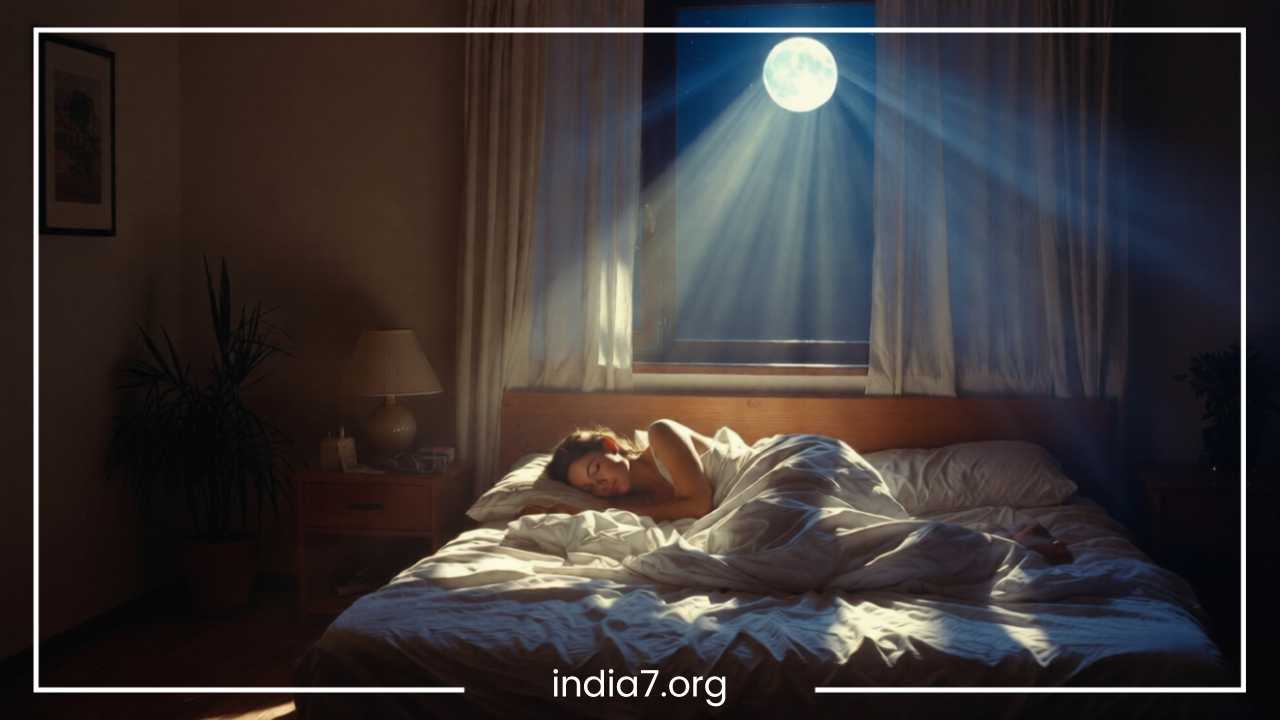
There is a powerful, bidirectional relationship between stress and sleep: high stress levels make it difficult to fall and stay asleep, while sleep deprivation makes the brain significantly more susceptible to stress. When we are deprived of restorative rest, the amygdala—the part of the brain responsible for emotional processing—becomes hyper-reactive. This worsens mental health outcomes, leading to increased irritability, poor decision-making, and a diminished ability to cope with minor inconveniences.
To break this cycle, focusing on “sleep hygiene” is essential. Sleep hygiene refers to the set of habits and environmental factors that facilitate high-quality, uninterrupted rest. One of the most effective strategies is maintaining a fixed sleep schedule. By going to bed and waking up at the same time every day, you help regulate your circadian rhythm—the internal biological clock that signals when it is time to be alert and when it is time for cellular repair and recovery.
In the hours leading up to sleep, it is crucial to manage light exposure and chemical stimulants. The blue light emitted by smartphones and laptops suppresses the production of melatonin, the hormone that tells your body it is time to sleep. Reducing caffeine intake, especially in the afternoon, and creating a sleep environment that is cool, dark, and quiet can drastically improve the depth of your rest. Prioritizing sleep is not a sign of laziness; it is a foundational pillar of emotional regulation, cognitive function, and long-term psychological resilience.
Practice Mindfulness & Meditation
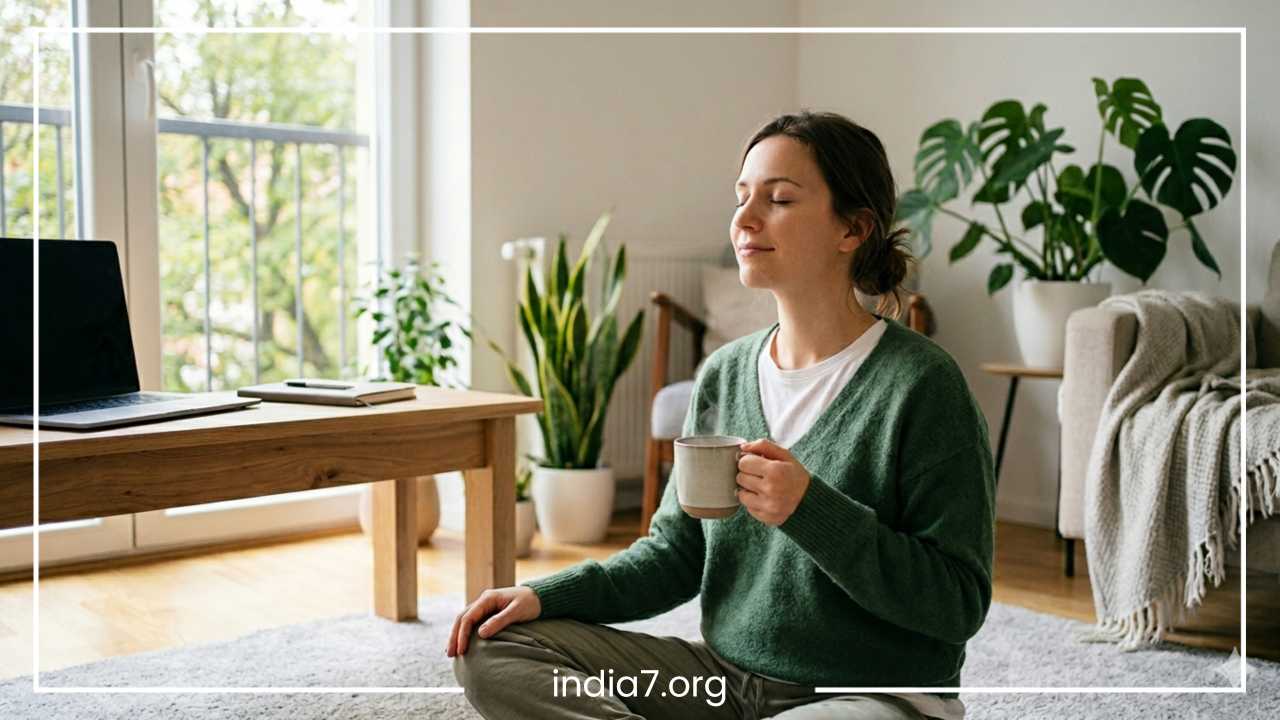
Mindfulness is the practice of being fully present in the moment, acknowledging thoughts, feelings, and bodily sensations without judgment. In a world that constantly pulls our attention toward past regrets or future anxieties, mindfulness acts as a stabilizing anchor. Meditation, the formal application of mindfulness, has been scientifically shown to alter the brain’s structure over time—a phenomenon known as neuroplasticity. Specifically, regular meditation can shrink the amygdala (the fear center) and thicken the prefrontal cortex, which is responsible for higher-order thinking and emotional control.
Deep breathing techniques are an excellent entry point for those new to these practices. When we are stressed, our breathing naturally becomes shallow and rapid, which further signals the “fight or flight” response to the brain. By consciously slowing the breath and engaging the diaphragm, we stimulate the vagus nerve and signal to the parasympathetic nervous system that we are safe. This effectively “switches off” the acute stress response.
Incorporating these habits into your morning or evening routine builds a buffer against the pressures of the day. Meditation apps can provide guided sessions that make the practice accessible, but even a simple five-minute mindfulness exercise—such as focusing entirely on the sensation of your feet hitting the ground while walking—can be effective. Over time, mindfulness helps individuals move from a state of reactivity to a state of response, allowing them to handle stressors with greater clarity, composure, and emotional intelligence.
Maintain a Healthy Diet
The gut-brain connection is a rapidly growing field of study that highlights how our dietary choices impact our mental wellness. The gastrointestinal tract is often referred to as the “second brain” because it is lined with millions of neurons and produces many of the same neurotransmitters as the brain, including serotonin, which plays a critical role in mood regulation and sleep. A diet high in processed sugars, trans fats, and artificial additives can lead to systemic inflammation, which has been closely linked to increased risks of anxiety and depression.
To support mental health, the focus should be on nutrient-dense, whole foods. Omega-3 fatty acids, found in fatty fish, walnuts, and flaxseeds, are essential for maintaining the structural integrity of brain cells and have been shown to reduce clinical symptoms of anxiety. A diet rich in colorful fruits, vegetables, and whole grains provides the vitamins and minerals—such as B vitamins and magnesium—necessary for optimal cognitive function and stress modulation. Furthermore, hydration is often overlooked; even mild dehydration can lead to increased cortisol levels, fatigue, and brain fog.
It is also important to practice moderation with substances that can trigger or mimic the physiological symptoms of anxiety. Caffeine, while a useful stimulant for some, can cause jitters and heart palpitations that the brain may misinterpret as a stress response. Similarly, while alcohol is often used as a means of “unwinding,” it is a central nervous system depressant that disrupts sleep architecture and can worsen feelings of low mood and “rebound anxiety” the following day. Eating for your mind as much as your body creates a stable internal environment that supports emotional resilience.
Build Strong Social Connections
Human beings are inherently social creatures, and social isolation is one of the most significant risk factors for poor mental health. When we feel connected to others, our bodies release oxytocin, often called the “bonding hormone” or “cuddle chemical,” which naturally counteracts the physiological effects of cortisol. Emotional support from a trusted network improves resilience, providing a psychological safety net during difficult life transitions.
Building strong connections does not necessarily mean having a vast social circle or a busy social calendar. In fact, quality relationships are far more impactful for mental well-being than quantity. Having even one or two people with whom you can be completely vulnerable and honest can significantly lower your perceived stress levels. Engaging in community activities—such as volunteering, joining a local sports club, or participating in a creative workshop—can also foster a sense of belonging and collective purpose.
In moments of high tension, simply talking through a problem with a friend or family member can provide a fresh perspective. Externalizing your thoughts helps to deconstruct them, making them feel less overwhelming and more manageable. In an age dominated by digital communication, prioritizing face-to-face interactions or voice calls over text-based messaging can lead to deeper, more meaningful connections that nourish your mental well-being and remind you that you are not alone in your struggles.
Limit Screen Time & Social Media
While technology has brought unprecedented convenience, the rise of digital overload has a documented negative impact on mental health. Social media, in particular, often fosters a “comparison culture,” where individuals measure their own complex reality against the polished highlight reels of others. This constant upward social comparison can lead to feelings of inadequacy, envy, and increased social anxiety. Furthermore, the constant “pings” of notifications keep the brain in a state of hyper-vigilance, preventing the mind from ever reaching a state of true rest.
Implementing a digital detox, even in small, manageable increments, can lead to significant improvements in mental clarity and focus. This might involve setting specific “screen-free” zones in the home or times of day, such as the first hour after waking up and the last hour before bed. Many modern devices include notification management tools that allow you to silence non-essential alerts, reducing the number of digital interruptions that fragment your attention throughout the day.
Breaking the habit of “doomscrolling”—the act of continuously scrolling through distressing news stories—is also vital for preserving mental peace. While staying informed is a civic responsibility, there is a clear point of diminishing returns where information consumption turns into psychological distress. By reclaiming the time previously spent on screens and redirecting it toward offline, tactile activities, you allow your brain to decompress and recover from the constant artificial stimulation of the digital world.
Learn Time Management & Set Boundaries
A significant portion of the stress we experience stems from a feeling of being overwhelmed by an endless list of responsibilities and a perceived lack of time. When we feel we lack control over our schedule, anxiety flourishes. Effective time management is not about squeezing more tasks into a day; it is about clarifying priorities and having the courage to set firm boundaries around your time and energy.
Prioritization techniques, such as the Eisenhower Matrix (which distinguishes between urgent and important tasks), can help you focus your energy where it is most impactful. Time blocking is another powerful tool; by dedicating specific chunks of time to certain tasks—and including non-negotiable blocks for rest, meals, and exercise—you create a predictable structure that reduces the “decision fatigue” that often leads to stress. However, even the most organized schedule will fail without the ability to set boundaries.
Learning to say “no” to extra commitments without excessive guilt is an essential skill for maintaining work-life balance. Boundaries are not just for the workplace; they are necessary in personal relationships as well. This might mean setting limits on how much emotional labor you take on for others or clearly defining when your workday ends and your personal life begins. When you establish and enforce clear boundaries, you protect your most valuable resources, ensuring that you have the mental energy necessary to maintain your own well-being.
Spend Time in Nature
There is a biological and evolutionary reason why a walk in a park or a day by the ocean feels so restorative. Spending time in natural environments has a direct, measurable effect on the human nervous system. Research into “forest bathing” (Shinrin-yoku) and other outdoor activities shows that being in green or blue spaces lowers blood pressure, reduces heart rate, and decreases the production of stress hormones while boosting immune function.
Nature provides what psychologists call “soft fascination.” Unlike the “hard fascination” required by city traffic, work emails, or television, nature captures our attention in a way that does not deplete our mental energy. The rustle of leaves, the movement of water, or the patterns of clouds allow the brain to enter a state of effortless observation, which facilitates recovery from mental fatigue and cognitive overload. Additionally, exposure to natural sunlight is a primary source of Vitamin D, which is crucial for mood regulation and the prevention of seasonal mood disorders.
You do not need to live in a rural area to benefit from the outdoors. Walking in local urban parks, tending to a small garden, or even keeping indoor plants can provide a mental health boost. Engaging in outdoor activities like hiking, gardening, or beach visits combines the benefits of physical movement with the restorative power of the natural world, making it a highly effective dual-action strategy for significant stress reduction and emotional grounding.
Engage in Hobbies & Creative Activities
In the relentless pursuit of productivity, we often neglect the fundamental human need for play and creative expression. Hobbies are not just “time-fillers”; they provide a necessary mental break from the pressures of daily life and allow us to enter a “flow state.” Flow is a psychological concept where a person becomes so immersed in an activity that they lose track of time, self-consciousness, and external stressors. This state is deeply restorative and is associated with high levels of life satisfaction.
Creative activities such as painting, playing a musical instrument, woodworking, or cooking allow for a form of emotional expression that might be difficult to articulate through speech. Even quiet, solitary hobbies like reading, knitting, or journaling provide a constructive way to process the day’s events and disconnect from professional demands. Journaling, in particular, is a well-regarded therapeutic tool; by writing down your fears, frustrations, and goals, you externalize your internal narrative, which can make complex emotions feel much more manageable.
Making time for hobbies is a radical act of self-care. It reinforces the vital truth that your value as a person is not solely tied to your professional output, your salary, or your utility to others. Whether it is a craft you have practiced for decades or a new skill you are just beginning to explore, engaging in activities for the pure joy of the process is a vital component of a healthy, balanced, and psychologically vibrant life.
Seek Professional Help When Needed
While lifestyle changes and self-help strategies are incredibly effective for managing daily stress, there are times when professional intervention is the most responsible and effective course of action. It is important to view therapy and counseling as normal, proactive resources for maintaining health—much like seeing a physical therapist for a sports injury or a doctor for a persistent cough. Seeking help is a sign of profound self-awareness and strength, not a sign of weakness or failure.
There are several clear indicators that it might be time to speak with a professional. If you experience persistent anxiety that interferes with your ability to perform at work or maintain relationships, frequent panic attacks, or prolonged periods of hopelessness, a trained therapist can provide evidence-based tools for recovery. Furthermore, if you are experiencing severe burnout that leaves you feeling cynical, detached, or physically exhausted, professional guidance is often necessary to navigate the path back to wellness.
Cognitive Behavioral Therapy (CBT) is one of the most common and effective forms of treatment for stress and anxiety. It focuses on identifying and deconstructing negative thought patterns and replacing them with more balanced, realistic perspectives. Other options include mindfulness-based stress reduction (MBSR), support groups, and, in some cases, medical consultation for physiological support. Accessing these resources provides a structured, expert-led pathway toward healing and ensures that you do not have to carry the weight of chronic stress alone.
Final Thoughts
The journey toward reduced stress and improved mental health is not a destination to be reached, but a continuous process of self-discovery and habit-building. While the modern world presents numerous and evolving challenges to our psychological well-being, we are not passive victims of our environment. By integrating small, consistent, and intentional habits into our lives, we can build a robust foundation of resilience that protects us from the inevitable storms of life.
It is crucial to remember that mental health improvement takes time and patience. You do not need to overhaul your entire life or implement all ten of these strategies simultaneously. In fact, attempting to do so might create more stress. Instead, try starting with one or two habits that feel most achievable and resonate with your current needs. As those practices become second nature, you can slowly layer in additional strategies.
Ultimately, taking care of your mental health is not a luxury or a selfish act—it is an essential requirement for living a meaningful and happy life. By prioritizing self-care, movement, connection, and balance, you empower yourself to show up more fully for your work, your loved ones, and most importantly, your own future. Stress may be an inevitable part of the human experience, but with the right tools and a commitment to your own well-being, it does not have to be the defining feature of your story. Taking that first small step toward calm is the most important move you can make today.
Frequently Asked Questions About Stress Management and Mental Wellness
To further help you navigate the complexities of emotional health, here are answers to some of the most common questions regarding stress reduction and long-term mental well-being.
What are the most effective relaxation techniques for anxiety relief?
The most effective techniques are those that actively engage the parasympathetic nervous system to counteract the “fight or flight” response. Diaphragmatic breathing (or belly breathing) is widely considered the quickest way to calm the nervous system. Other high-impact methods include Progressive Muscle Relaxation (PMR), where you tense and release different muscle groups, and guided imagery, which uses visualization to move the mind to a peaceful setting. Consistency is key; practicing these for just five minutes a day can lower your baseline anxiety levels.
How can I reduce stress at work without quitting my job?
Reducing workplace stress often comes down to communication and micro-habits. Start by setting clear digital boundaries, such as not checking emails after a certain hour. Use time-blocking to protect periods of deep work from constant interruptions, which reduces the feeling of being overwhelmed. Additionally, taking short “micro-breaks” every 90 minutes to stretch or walk away from your screen can prevent the accumulation of cognitive fatigue. If the workload is unsustainable, having a transparent conversation with management about prioritization is a necessary step for burnout recovery.
What are the best natural supplements for stress and mental health?
While a balanced diet is the best foundation, certain natural supplements are frequently studied for their stress-relieving properties. Magnesium is often called the “relaxation mineral” because it plays a role in the body’s stress response. Omega-3 fatty acids are vital for brain health and reducing inflammation. Adaptogens like Ashwagandha have also gained popularity for their ability to help the body manage cortisol. However, you should always consult with a healthcare professional before starting any supplement to ensure they do not interact with existing medications.
How does digital detoxing improve emotional well-being?
A digital detox improves emotional health by breaking the cycle of dopamine-driven feedback loops created by social media notifications. Constantly checking your phone keeps your brain in a state of “fragmented attention,” which increases feelings of restlessness and anxiety. By stepping away from screens, you reduce your exposure to social comparison and the “fear of missing out” (FOMO). This allow your brain to enter a state of “resting state functional connectivity,” which is essential for creativity, self-reflection, and deep emotional processing.
Can changing my diet really help with anxiety and depression?
Yes, the link between nutrition and mental health is significant. The gut-brain axis means that what you eat directly affects the production of neurotransmitters like serotonin and dopamine. Diets high in refined sugars and highly processed foods can cause spikes and crashes in blood sugar, leading to irritability and mood swings. Conversely, a diet rich in anti-inflammatory foods, antioxidants, and probiotics supports a healthy gut microbiome, which is increasingly linked to lower levels of anxiety and a more stable mood.
What are the early warning signs of mental burnout?
Burnout doesn’t happen overnight; it is a gradual process of emotional and physical depletion. Early warning signs include persistent exhaustion that isn’t solved by sleep, a growing sense of cynicism or detachment toward your work or hobbies, and a noticeable drop in productivity. You might also experience physical symptoms like frequent headaches or stomach issues. Recognizing these signs early allows you to implement stress reduction tips and set boundaries before the condition reaches a crisis point.
How much sleep do I actually need for optimal mental health?
While individual needs vary, most adults require between 7 and 9 hours of quality sleep per night to maintain emotional resilience. During sleep, the brain performs “housekeeping” tasks, clearing out metabolic waste and consolidating emotional experiences. Sleep deprivation affects the prefrontal cortex, making it harder to regulate emotions and stay positive. If you are consistently getting less than six hours of sleep, your risk for developing chronic stress and anxiety disorders increases significantly.