Best Ways to Use Twitter Spaces

Best Ways to Use Twitter Spaces to Grow Your Audience: A Complete Guide
Social media has evolved far beyond the limits of short-text updates and static imagery. Today, audiences crave authentic, unedited human connection. While written posts allow for polished messaging, they often lack the nuance, tone, and immediacy that build deep community trust. This shift in user behavior has fueled the rapid rise of live social audio platforms. Among these, Twitter Spaces (frequently referred to as X Spaces) has emerged as one of the most powerful native tools for creators, brands, entrepreneurs, and influencers looking to expand their digital footprint.
By allowing users to host and participate in live, conversational audio broadcasts, the platform bypasses traditional content production bottlenecks. There is no need for complex video lighting setups, high-end editing software, or meticulous post-production. Instead, the focus returns to the core of communication: valuable conversation, real-time insights, and active listening. This raw, interactive medium humanizes digital brands and transforms passive digital scrollers into active community participants.
Whether you are an established entrepreneur aiming to demonstrate thought leadership, an influencer wanting a more intimate way to connect with followers, or a business owner looking for a cost-effective Twitter marketing engine, live audio marketing offers unprecedented opportunities. This comprehensive guide details the best ways to use Twitter Spaces to scale your brand, improve your social media growth, and establish a dedicated audience that tune in consistently to hear what you have to say.
Read: How to Fix Broken Links
What Is Twitter Spaces?
Twitter Spaces is a native feature within the platform that enables individuals and organizations to host live audio conversations. Accessible via mobile devices and desktop browsers, it functions as a virtual town hall or a live, interactive radio show where any user can tune in, listen, and request to speak.
The architecture of a Space relies on a clear hierarchy of roles, designed to keep live broadcasts organized while remaining highly collaborative:
-
Hosts: The creators of the Space. They hold absolute control over the session, including the ability to mute speakers, approve requests to join the stage, designate co-hosts, pin relevant posts to the top of the nest, and end the broadcast.
-
Co-hosts: Individuals appointed by the primary host to assist in managing the room. Co-hosts can invite speakers, approve speaking requests, mute disruptive participants, and help guide the flow of conversation. This role is vital for high-traffic rooms.
-
Speakers: Participants who have been granted permission by the host or co-host to speak. They can unmute their microphones to contribute to the discussion, answer questions, or present information.
-
Listeners: The general audience members who join the room to consume the audio content. Listeners can react using emojis, view pinned posts, share the Space via direct messages or public posts, and request permission to become speakers.
-
Recording Spaces: A critical infrastructure element that allows hosts to save the audio file of their broadcast. Once a Space concludes, the recording is made available for public replay, extending the lifecycle of the content indefinitely.
Unlike pre-recorded podcasts, which require extensive editing and follow a one-way distribution model, Twitter Spaces is fundamentally conversational and immediate. While live streaming video platforms demand visual attention and significant bandwidth, audio-first setups allow listeners to multi-task, tuning in during commutes, workouts, or work hours. It blends the professional value of an industry panel with the casual accessibility of a phone call.
Read: 6-Step Online Reputation Management Guide for Individuals and Businesses
Why Twitter Spaces Is Powerful for Audience Growth
To build a robust Twitter Spaces strategy, it is essential to understand why this medium yields such a high return on investment for audience engagement and personal branding. The platform provides unique organic advantages that traditional posts cannot replicate.
Real-Time Engagement
Text-based social media creates an inherent delay between content publication and audience response. Live audio erases this barrier. When you host a session, you can instantly respond to audience feedback, address specific user pain points, and adjust the direction of the conversation based on the room’s energy. This real-time loop turns a standard broadcast into a memorable, collaborative event.
Increased Visibility
One of the most significant advantages of using X Spaces is its prominent placement within the user interface. When an account an individual follows goes live or participates in a Space, the session appears at the very top of the mobile application timeline, highlighted in a dedicated audio bar. This placement bypasses standard algorithmic feed suppression, offering unmatched real-time visibility to your existing followers and their extended networks.
Higher Trust Building
Voice carries emotion, tone, sincerity, and authority in ways that a 280-character post never can. Hearing a creator explain a concept, laugh, or speak candidly creates a psychological bond known as a parasocial relationship. When listeners hear the authentic voice behind a brand, their skepticism drops, and their trust levels rise significantly.
Networking Opportunities
Spaces act as natural equalization environments. It is remarkably easy to invite industry experts, high-profile influencers, and major stakeholders into your audio room. Because joining a Space requires minimal friction, busy leaders who might ignore an email inquiry will frequently jump onto an audio stage to chat for fifteen minutes, exposing your brand to their established audiences.
Community Development
Regularly holding live audio rooms creates a recurring digital destination for your community building on Twitter. It shifts your profile from an individual account that publishes content to a central hub where like-minded professionals gather to exchange ideas. This transition is foundational for developing highly loyal brand advocates.
Read: Google’s “Disavow Links Tool”: The Complete Guide
Define Your Goal Before Hosting a Space
Launching an audio room without a defined objective leads to disjointed conversations, low listener retention, and poor conversion rates. Every session you host must align with a specific macro-business or creative goal. Without a clear target, you cannot measure success or optimize your strategy.
Consider the following core objectives for your live audio marketing efforts:
| Primary Goal | Core Focus of the Space | Primary Metric to Track |
| Gain Followers | High-energy, broad-appeal topics with viral industry keywords. | Profile click-throughs and net new followers. |
| Generate Leads | Deep-dive educational sessions with an explicit lead-magnet offer. | Email sign-ups via pinned destination links. |
| Build Authority | Solo deep-dives, answering complex questions, analyzing trends. | Backlink requests, consulting inquiries, DMs. |
| Launch Products | Exclusive feature reveals, live demonstrations, and Q&A sessions. | Direct sales via promotional checkout links. |
| Grow a Community | Open mic networking, member spotlights, casual discussion. | Replay listener numbers and recurring attendance. |
| Increase Brand Awareness | Multi-guest panels, co-hosted events with larger brands. | Total reach, impressions, and brand mentions. |
Goal-setting fundamentally improves your results because it dictates your content structure, your selection of guests, and your closing call to action. For example, if your goal is lead generation, your closing segment must focus on directing listeners to a pinned link at the top of the Nest, rather than simply asking people to follow your profile. Knowing your destination ensures that every minute of live audio serves a commercial or developmental purpose.
Choose Topics Your Audience Actually Wants
An open-ended, unstructured conversation titled “Let’s Chat” rarely attracts a high-volume audience. To secure consistent listener engagement, your topics must be highly specific, actionable, and aligned with the current pain points of your target market.
Research Trending Conversations
Monitor the native X Trends sidebar and track prominent industry hashtags daily. If a sudden regulatory shift, a major technological breakthrough, or a viral debate occurs within your niche, immediately schedule a Space to address it. Being one of the first voices to provide a live, comprehensive analysis of a breaking news event positions your profile as an indispensable industry source.
Use Audience Questions
Look closely at your past social media posts. Identify the questions that reappear constantly in your comments section or direct messages. If multiple people are struggling with the exact same obstacle, it warrants a dedicated, 40-minute audio room. Title your Space directly after the question, such as “How to Secure Your First Enterprise Client Without Ad Spend.”
Analyze Competitors
Examine other creators and brands within your market who are already leveraging live audio. Note which of their sessions receive the highest number of live listeners and replay views. Do not copy their content directly; instead, identify the gaps they left unanswered, or approach the same topic from a counter-intuitive, highly original perspective.
Create Educational Sessions
Audiences are inherently self-interested; they invest their time where they receive clear educational or professional utility. Design sessions around practical, step-by-step masterclasses.
Consider these highly effective, niche-specific topic examples:
-
Marketing Strategy: “Dissecting a Million-Dollar Funnel: Copywriting and Conversion Tactics.”
-
Startup Operations: “Bootstrapping Lessons: How We Scaling to Six Figures Without Venture Capital.”
-
Emerging Technology: “Practical Frameworks for Integrating Modern AI Tools Into Corporate Workflows.”
-
Fitness and Health: “Designing Sustainable Nutritional Models for High-Performance Executives.”
-
Personal Finance: “De-risking Your Portfolio: Asset Allocation Strategies for High-Inflation Environments.”
Schedule Spaces Consistently
An irregular broadcast schedule is a major impediment to sustainable community growth. If your audience never knows when you are going live, they cannot build your content into their daily or weekly routines. Consistency builds anticipation, and anticipation builds loyal audiences.
Establishing a weekly recurring Space creates an ongoing media asset. Think of your Space like a traditional television broadcast or a weekly radio show. If your target market knows that you sit down every single Thursday at 8:00 PM EST to break down the latest news in your industry, they will actively protect that block of time on their personal calendars.
Finding the ideal time to host requires analyzing the demographics of your audience. If you target corporate executives, hosting a room during standard working hours (9:00 AM to 5:00 PM) will drastically limit your live attendance. For professional audiences, lunch hours or early evening slots (such as 6:00 PM or 7:30 PM) generally yield the highest live engagement. For global or consumer-facing audiences, weekend mornings can serve as excellent periods for relaxed, long-form discussion.
Use the native scheduling feature within the platform to plan your rooms at least three to five days in advance. This creates a permanent, shareable link that lists the exact start time converted automatically to the local timezone of every user who views it. This allows your community to set calendar reminders directly within the app, ensuring high conversion rates when the room officially goes live.
Promote Your Space Before Going Live
Merely scheduling a Space and hoping people discover it organically is a recipe for empty rooms. A rigorous, multi-channel promotional strategy is essential to maximize your live attendance metrics. Treat your live audio event like a premium webinar or a product launch.
To achieve maximum visibility, implement a structured promotion timeline across multiple touchpoints:
-
Seven Days Before: Create the event link within the app and launch your first teaser post outlining the main thesis of the upcoming discussion.
-
Twenty-Four Hours Before: Share the finalized guest speaker lineup and open a dedicated textual thread for listeners to submit questions in advance.
-
One Hour Before: Send direct reminder posts on social networks and send out a dedicated email newsletter blast with a single-click link.
-
Live Now: Pin the active Space link to the top of your profile and tag active speakers to generate immediate timeline notification cascades.
Create Countdown Posts
Start your promotion early by releasing visual or text-based teaser content. Explain exactly what value the listener will walk away with, who the guest speakers are, and what exclusive insights will be shared. Include the scheduled Space link in every promotional post so users can click the Notification Bell icon to be alerted the moment you go live.
Pin Promotional Tweets
Your profile page is your digital storefront. The moment you schedule an audio room, draft a highly compelling promotional post detailing the event details and pin it to the very top of your profile. Anyone who visits your account via other viral posts will immediately see your upcoming event, turning passive profile visits into registrants.
Use Email Newsletters
Do not limit your promotion to social media networks alone. Your email list is a highly concentrated pool of interested individuals. Send a dedicated broadcast to your subscribers 24 hours before the event, explaining why this live session is vital for them to attend and providing a direct, single-click link to join the room.
Share on Other Platforms
Cross-pollinate your audience by pulling traffic from alternative professional networks. Share the upcoming session on LinkedIn with a professional write-up detailing the core thesis of the discussion. Post teaser clips on Instagram Stories, Facebook groups, or your private Discord server. Remind your audience on these platforms that they can listen to Twitter Spaces via any modern web browser, even if they do not maintain an active X account.
Collaborate With Guests
When working with external speakers, make promotion as seamless as possible for them. Provide your guests with pre-written text templates and custom graphic assets that match their branding. When your guests share these assets with their established follower bases, you instantly inherit their reach, driving fresh, relevant traffic directly to your profile.
Invite Industry Experts and Influencers
One of the fastest ways to accelerate your social media growth through audio rooms is by leveraging the credibility and reach of established niche authorities. Hosting a solo Space is excellent for showcasing personal expertise, but multi-guest panels act as powerful traffic multipliers.
When you invite an industry expert onto your stage, you benefit from an immediate audience crossover effect. The platform notifications often alert the followers of a speaker when they take the stage, which means a significant percentage of their audience will enter your room out of curiosity. If your moderation is sharp and the conversation is engaging, these incoming listeners will naturally follow your account to ensure they catch future sessions.
Beyond traffic generation, bringing in external experts elevates the perceived authority of your brand. By orchestrating a high-level dialogue among recognized leaders, you position yourself as a central connector within your industry.
When pitching influencers to join your room, keep these best practices in mind:
-
Lead With Specific Value: Do not send a generic message asking to “hop on a Space.” Specify the exact topic, explain why their unique background makes them the perfect voice for the discussion, and state the expected time commitment.
-
Respect Their Time: Keep their required contribution structured. Offer them a prominent, focused 15-minute slot within a longer session if they cannot commit to a full hour.
-
Provide Detailed Outlines: Send a concise list of talking points and target questions 48 hours in advance. This ensures your guests feel completely prepared and confident, resulting in a significantly better live broadcast.
Make Your Spaces Interactive
The primary reason listeners abandon live audio rooms is boredom. If a host delivers a monotonous monologue for an hour without acknowledging the audience, listeners will quickly exit and return to their main timelines. To drive listener retention, you must transform your Space from a static lecture into an interactive experience.
Audience Q&A
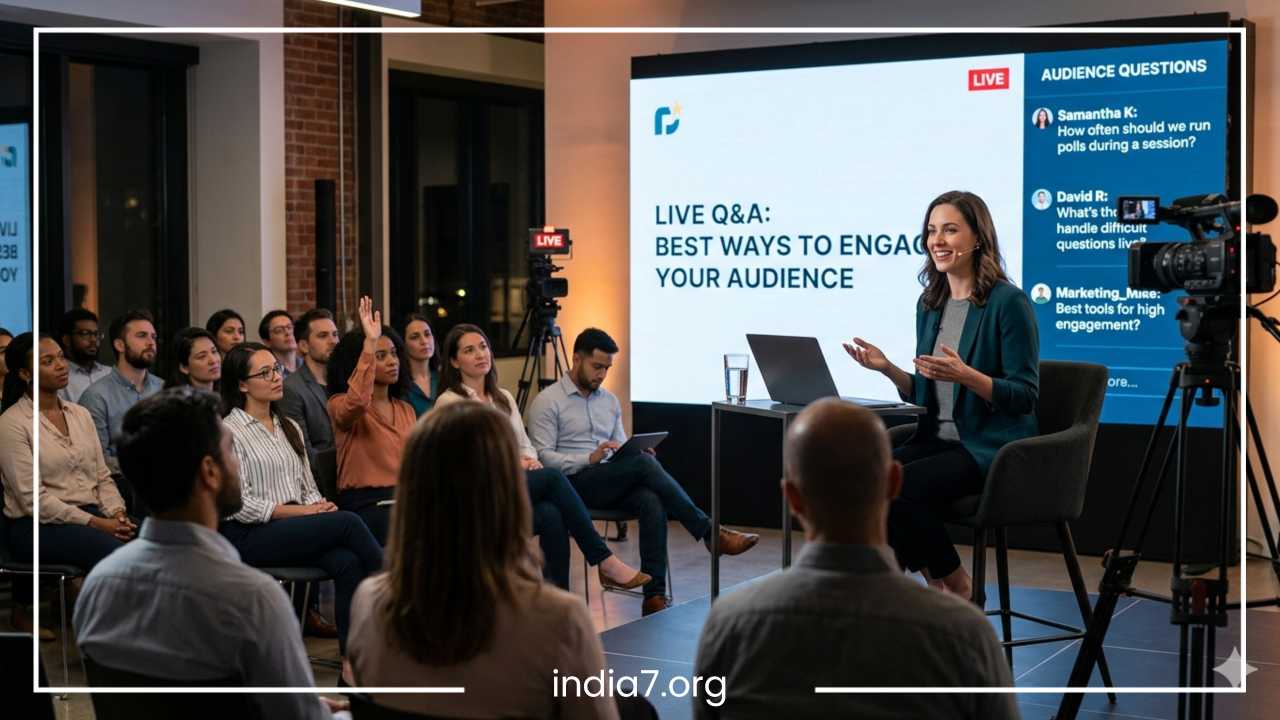
Dedicate the final fifteen to twenty minutes of every broadcast to an open audience Q&A session. Invite listeners to use the native “Request to Speak” button. When bringing listeners onto the digital stage, welcome them by name, ask them to briefly introduce themselves, and encourage them to state their questions concisely. This direct access to you and your expert guests provides immense value, transforming casual consumers into passionate brand advocates.
Live Polls
Integrate native platform polls directly into your audio workflow. While discussing a specific theme, publish a live poll on your main profile and pin it to the top of the Nest inside the Space. Instruct your listeners to cast their votes in real-time. This tactic keeps their hands on the screen, increases engagement scores within the platform’s algorithm, and gives you instantaneous data to guide the next segment of your conversation.
Invite Listeners to Speak
Do not restrict speaking opportunities solely to famous guests. Keep a close eye on your listener list for active community members, customer advocates, or individuals who are frequently engaging with your text posts. Periodically invite them up to share a brief case study, recount a personal experience, or offer an alternative perspective on the topic at hand.
Ask Questions Frequently
Regularly poll your audience using simple, low-friction request strategies. Use prompts like, “If you’ve experienced this exact scaling challenge in your business, drop a heart reaction right now so I can see who we’re talking to.” This subtle technique forces passive listeners to re-engage with the app interface, boosting overall room activity.
Shout Out Participants
Human beings naturally crave recognition. Take a brief pause every ten or fifteen minutes to scan the listener lounge. Publicly thank new arrivals, highlight long-time supporters who are in the audience, and read out insightful textual commentary coming through from parallel conversation threads. A simple sentence like, “I see Sarah joined us; thanks for being here, Sarah,” creates profound brand loyalty.
Repurpose Twitter Spaces Content
A single 60-minute Twitter Space represents an absolute goldmine of original informational assets. If you close your audio room and never touch that content again, you are wasting a massive percentage of your creative output. To maximize your search engine presence and build an evergreen traffic pipeline, you must establish an intentional content repurposing pipeline.
Long-Form Written Content
Take the raw audio recording of your completed Space and run it through an automated transcription utility to generate a clean text transcript. Review the transcript to extract the core thesis, the step-by-step strategies shared, and the expert quotes. Clean this material up into an SEO-optimized, long-form blog post or an email newsletter. By inserting your target keywords naturally throughout the copy, you create an asset that ranks on search engines while providing a written alternative for users who prefer reading over listening.
Social Media Thread Packs
Condense the primary takeaways of the broadcast into a highly viral, narrative-driven text thread on X or an insightful multi-slide carousel on LinkedIn. Use a compelling opening line that hooks the reader, break down the core lessons using clean bullet points, and conclude the final post by embedding the replay link to your recorded Space. This strategy captures users who missed the live event and steers them directly back into your audio ecosystem.
Multimedia Assets
If you or your guest speakers use high-quality external microphones, the audio quality will be pristine. Isolate intense, highly impactful 30-to-60-second audio clips where a complex problem is solved brilliantly. Overlay these audio segments with dynamic text subtitles, engaging animations, or clean B-roll footage. Distribute these short-form multimedia assets across modern video networks like YouTube Shorts, Instagram Reels, and TikTok to attract entirely new audience cohorts back to your primary social media profiles.
Use Spaces to Build Authority in Your Niche
True personal branding is built on demonstrable competence. Anyone can write an optimized social media bio claiming to be an industry pioneer, but it is impossible to fake deep, nuanced domain expertise during a live, unscripted audio broadcast. Regularly hosting deeply technical, highly analytical audio sessions establishes unquestioned thought leadership within your chosen vertical.
To systematically manifest authority through live audio platforms, focus heavily on the following actionable operational paradigms:
-
Share Primary Data and Case Studies: Do not speak in vague, generalized platitudes. When discussing business growth, walk through your exact operational metrics, reveal your specific conversion percentages, and detail the precise frameworks you utilized to solve real-world problems.
-
Deconstruct Complex Trends Instantly: When major macro shifts disrupt your industry, do not wait for mainstream media outlets to publish reports. Immediately open an audio room to deconstruct the operational implications of the shift, providing your audience with immediate, strategic guidance.
-
Offer Direct Practical Audits: Host live, interactive review sessions where listeners can submit their landing pages, sales copy, portfolio designs, or operational strategies for live evaluation. Providing fair, insightful, constructive feedback live on stage proves your mastery of the craft in real-time.
Building authority through these transparent methods changes the dynamic of your follower acquisition. Instead of constantly chasing new followers through low-value engagement loops, your targeted market begins actively seeking out your profile as an essential educational resource.
Collaborate With Other Communities
True audience growth is rarely achieved in total isolation. To expand your current reach exponentially, you must look beyond the borders of your existing follower base and actively tap into parallel, complementary digital communities.
Collaborative audio events provide a natural mechanism for mutual community growth. Look for creators, modern brands, or niche organizations that share your target audience profile but are not direct commercial competitors. For example, if you are a SaaS founder building a modern email marketing application, collaborating with a creator who specializes exclusively in conversion-focused copywriting is a perfect alignment. Your audiences share identical professional goals, making a joint audio venture highly lucrative for both parties.
Consider orchestrating these specific community formats:
-
Joint Roundtable Discussions: Gather three or four complementary creators within a specific vertical to engage in a structured debate regarding the future direction of your shared industry.
-
Community Cross-Interviews: Host the leader of an aligned digital community for an in-depth interview on your stage, and then reverse the roles the following week by speaking on their platform.
-
Multi-Brand Panel Events: Partner with several micro-brands to co-sponsor a massive, highly curated virtual summit hosted entirely via live social audio.
These collaborative formats dramatically lower the cost of customer acquisition. By introducing your values, your expertise, and your brand personality to an entirely new, highly warm audience base, you achieve rapid, compounding follower growth that text posts alone cannot replicate.
Track Performance and Improve
You cannot systematically optimize a social media growth strategy if you fail to regularly audit your operational data. Twitter Spaces provides hosts with deep analytical overviews following the conclusion of every broadcast, giving you the insights necessary to refine your content architecture.
Pay close attention to these vital performance indicators:
Live Listeners
The maximum number of concurrent users who were actively inside your room at a single moment. If this number drops significantly during specific segments, it indicates your topic transitions were weak, or the conversation became boring.
Replay Listeners
The total number of views your recorded Space accumulates in the days and weeks following the live event. High replay numbers indicate that your title was highly optimized for search, your promotion was effective, and the topic remains evergreen.
Profile Visits and Follower Growth
The volume of users who clicked through to your primary profile page directly from the audio room and hit the follow button. This is your core conversion efficiency metric. If you host a room with thousands of listeners but gain zero new followers, your live calls to action were ineffective.
Speaker Participation
The diversity and caliber of the individuals who contributed to your stage. Tracking which specific guests attracted the largest influx of live listeners helps you curate high-performing lineups for future events.
Regularly log these data metrics into a central database. Reviewing this data monthly reveals clear, undeniable trends regarding what your target market truly values, allowing you to double down on high-performing topics and phase out low-retention formats.
Common Twitter Spaces Mistakes to Avoid
Even the most well-intentioned live audio marketing campaigns can stumble due to simple operational mistakes. Being aware of these common pitfalls allows you to safeguard your reputation and protect your listener experience.
No Promotion
The “build it and they will come” mentality fails completely on social media. Launching a live room without days of prior promotion ensures extremely low live attendance. Never go live without executing your multi-channel promotional sequence first.
Poor Audio Quality
Audio content demands pristine acoustic clarity. If a host speaks through a crackling headset microphone, introduces harsh background static, or broadcasts from a highly echoic room, listeners will experience cognitive fatigue and exit within seconds. Invest in a dedicated, quality external USB cardioid microphone and broadcast from a quiet environment.
Irregular Schedules
If you host three rooms in a single week and then vanish from the platform for two months, you break the consumer habit loop. Consistency is paramount; choose a sustainable cadence and maintain it rigorously.
Talking Too Much
A host who dominates the stage and refuses to share the microphone destroys the collaborative nature of the platform. Your job as a host is to act as an intentional conductor: introduce the core themes, highlight your guests, guide the pacing, and bring the audience into the conversation.
Ignoring Replay Opportunities
Failing to toggle the “Record Space” option before opening your room is a massive waste of intellectual property. Always record your sessions so your content can continue working for you as an evergreen traffic asset while you sleep.
Advanced Twitter Spaces Growth Strategies
Once you have mastered the foundational mechanics of scheduling, promoting, and moderating basic live audio rooms, it is time to deploy advanced strategic plays to cement your market dominance.
Host Weekly Series
Shift your production mindset from standalone events to structured, seasonal programming. Launch a dedicated weekly series with a unique franchise name, recognizable graphic templates, and a consistent content structure. For instance, a brand could run a weekly series titled “The Growth Blueprint,” where every single Friday afternoon is dedicated to dissecting a specific business’s scaling trajectory. This structural framework transforms your brand into an indispensable industry institution.
Create Exclusive Communities
Use your live audio rooms as a filtering mechanism to build private, high-value digital spaces. During your live broadcast, extend exclusive invitations to your most active listeners and speakers to join a private group chat, a dedicated Slack channel, or a premium newsletter segment. This strategy deepens your relationship with your most valuable brand advocates.
Feature User Success Stories
Nothing establishes brand credibility faster than real-world social proof. Regularly invite your actual customers, clients, or student success stories onto your audio stage to discuss their personal journeys. Allowing your audience to hear unfiltered, authentic testimonials from real people who solved their problems using your products or frameworks creates a highly persuasive ecosystem that drives both community growth and commercial revenue.
Partner With Micro-Influencers
Instead of exhausting your resources trying to pitch massive celebrities who receive thousands of inquiries daily, build a structured network of highly active micro-influencers within your niche. Micro-influencers (accounts with 5,000 to 25,000 highly engaged followers) often possess incredibly loyal communities. By inviting three or four micro-influencers onto a unified panel, you create a combined network effect that frequently outperforms a single large influencer session.
Final Thoughts
Twitter Spaces represents a profound paradigm shift in how modern creators, brands, and entrepreneurs cultivate digital relationships. By dismantling the artificial barriers of text-based communication, live audio allows you to project your true expertise, build unparalleled trust, and scale your personal branding efforts with unmatched speed.
Success in live audio marketing is not achieved through a single viral broadcast. It is built systematically through clear goal definition, deep topic research, strict scheduling consistency, and an unyielding commitment to real-time audience interactivity. As you transform your recorded sessions into an evergreen content repurposing engine, you will find that the relationships forged in the live audio lounge quickly translate into compounding social media growth, premium industry authority, and a deeply loyal community that hangs on your every word. Treat the platform as your personal broadcasting network, remain dedicated to providing consistent value, and watch your audience grow exponentially.
Frequently Asked Questions
How do you start a Twitter Space to grow your audience?
To start a Twitter Space on your mobile device, open the app and long-press the Compose (plus) icon on your home timeline. Select the Spaces icon (represented by a waveform or microphone symbol). Give your audio room a clear, benefit-driven title containing relevant industry keywords, choose up to three descriptive topics to help the platform’s algorithm categorize your broadcast, and tap Start your Space. If you want to use the event for evergreen traffic, ensure you toggle the Record Space option to on before going live.
Can you host a Twitter Space from desktop or web browser?
Full hosting privileges, speaker management tools, and moderation controls are exclusively available on the mobile application for iOS and Android devices. If you log in via a desktop web browser, you can join existing rooms as a listener or a speaker, and you can listen to recorded replays. However, you cannot officially launch or natively schedule an upcoming Space from the desktop interface.
What are the main benefits of using X Spaces for business?
The primary benefits of using X Spaces for B2B marketing and business growth include real-time audience engagement, instant trust building through voice, and an algorithmic advantage that places live rooms at the very top of user timelines. Businesses use social audio to conduct live product demonstrations, host interactive customer feedback sessions, run industry panel discussions, and network directly with high-profile industry influencers to tap into their established follower bases.
How many followers do you need to host a Twitter Space?
There is no longer a strict minimum follower requirement to host a standard public Space. The feature is open to all accounts, allowing early-stage creators and small businesses to leverage live audio marketing immediately for social media growth. However, if you plan to monetize your audio content using Ticketed Spaces, your account must meet specific eligibility criteria, including maintaining a minimum of 1,000 active followers, being at least 18 years old, and having hosted at least three sessions in the preceding 30 days.
How do I find and join live Twitter Spaces in my niche?
To search for active or upcoming audio rooms within your specific vertical, navigate to the dedicated Spaces tab via the microphone icon on the bottom navigation bar of the mobile app. You can also discover rooms by scanning the top bar of your home timeline for live purple banners. For desktop users, a reliable search trick is to type filter:spaces combined with your industry keyword (e.g., filter:spaces marketing) directly into the main search bar to pull up live broadcasts, scheduled events, and shareable replay links.
How do you record and download Twitter Spaces for repurposing?
Hosts can automatically record their live audio sessions by activating the Record Space toggle during the initial setup screen. Once the session concludes, a public replay link becomes instantly available on your timeline. To download the high-quality audio file for multimedia repurposing (such as podcasts or YouTube content), access your account settings, navigate to your personal data archive, and request a download of your data history. This allows you to process the audio through transcription tools to easily generate SEO-driven blog posts and newsletters.