
Best Ways to Repurpose Old Content
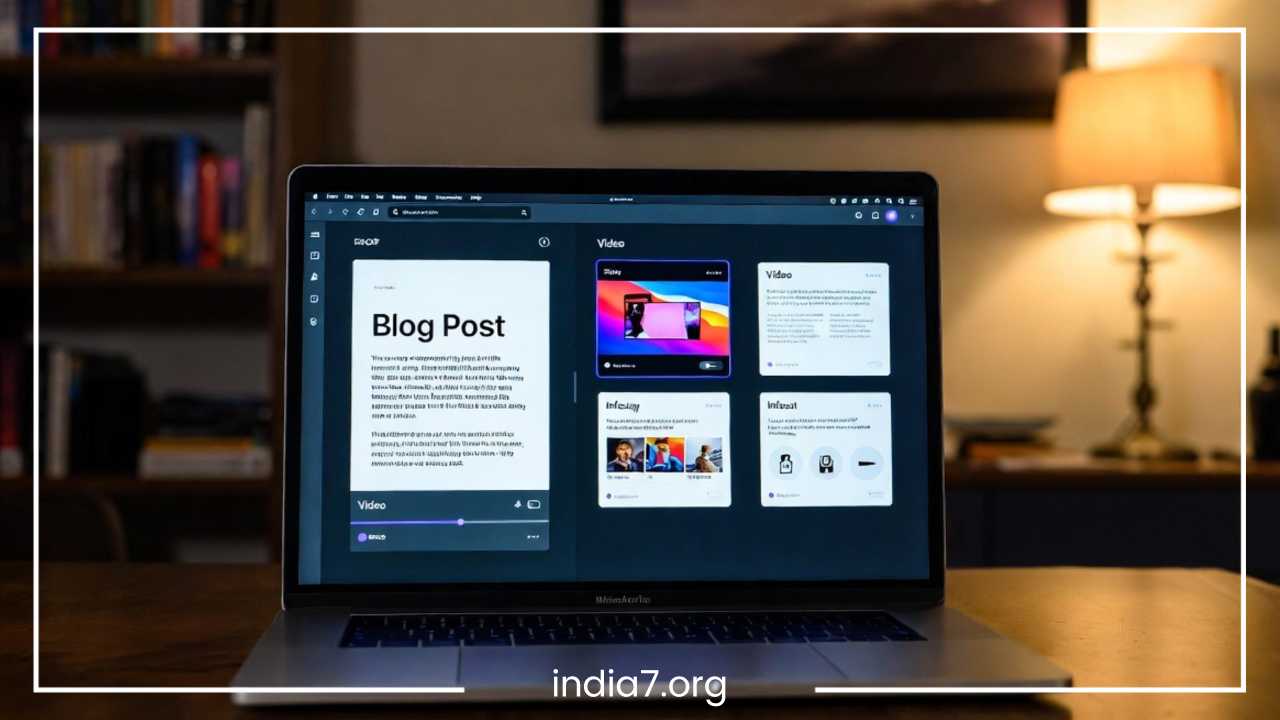
How to Repurpose Old Content: Proven Strategies That Work
In the contemporary digital landscape, content creators and marketers face a daunting challenge: the sheer volume of information being produced every second. This phenomenon, often referred to as content saturation, means that even high-quality articles can quickly get buried under a mountain of newer updates. In an era where SEO competition is at an all-time high, simply “publishing and praying” is no longer a viable strategy for sustainable growth.
Repurposing content is the strategic process of taking existing assets—be it a blog post, a research paper, or a video—and transforming them into different formats to reach new audiences. Instead of constantly sprinting on the treadmill of original production, smart creators look back at their archives to find hidden gems that can be polished and presented in a fresh light.
Read: Frequently Asked Questions (FAQ) About Business Blogging
The benefits of this approach are multifaceted. First, it saves an incredible amount of time; the research, fact-checking, and core messaging are already established. Second, it significantly improves search engine rankings by signaling to algorithms that your site is active and your information remains current. Finally, it expands your reach across multiple platforms, allowing you to meet your audience where they naturally spend their time, whether that is on YouTube, LinkedIn, or via their personal email inbox. By moving from a “one-and-done” mindset to a “multi-format” strategy, you maximize the ROI of every word you write.
Read: How to Pick a Name for Your Business Blog
What Is Content Repurposing?
At its core, content repurposing is the ultimate form of digital recycling. However, it is not just about copying and pasting text from one place to another. It is the art of adapting a core message to fit the specific nuances, technical requirements, and user behaviors of a different medium.
It is vital to distinguish between repurposing, updating, and reposting, as these terms are often conflated despite serving distinct strategic functions:
-
Repurposing: Changing the format of the content (e.g., turning a long-form blog post into a five-minute video or a series of social media graphics).
-
Updating: Refreshing an existing piece of content with new facts, current dates, and working links to keep it relevant without changing its medium.
-
Reposting: Sharing the exact same piece of content again on social media or syndication sites like Medium or LinkedIn Articles to catch a new wave of viewers.
A classic real-life example of a successful repurposing workflow starts with a comprehensive “pillar” blog post of 3,000 words. That post is then scripted into a YouTube video. The key statistics from the video are designed into a high-resolution infographic for Pinterest. The most provocative quotes from the article are turned into a week’s worth of punchy social media posts. Finally, the “how-to” section is extracted to create a downloadable PDF checklist. This single idea, originally captured in one article, effectively feeds the entire marketing machine for a month.
Read: Blogging: How to Keep Going After the Newness Wears Off
SEO Benefits of Repurposing Old Content
The relationship between content repurposing and Search Engine Optimization (SEO) is profound. Search engines prioritize expertise, authoritativeness, and trustworthiness (E-E-A-T). By expanding one topic into multiple formats and pages, you create a “content cluster” that signals your total mastery of that specific niche to search crawlers.
One of the primary SEO advantages is improved keyword coverage. Different formats allow you to target semantic variations of your primary keyword. While a technical blog post might rank for “asynchronous javascript protocols,” an accompanying “explainer” video might rank for “how does javascript work for beginners,” capturing a completely different segment of search traffic and intent.
Furthermore, repurposing significantly increases backlink opportunities. Other websites and influencers are much more likely to link to a high-quality infographic, a unique case study, or a helpful video than a standard text-based article. These backlinks serve as “votes of confidence” for your domain, raising your overall Domain Authority (DA).
Additionally, diverse content formats boost dwell time. When a user lands on a page and finds an embedded video or an interactive element derived from the original text, they stay on the page longer to consume it. Search engines interpret this increased engagement as a sign of high-quality, helpful content. By targeting multiple search intents—informational, navigational, and transactional—across different platforms, you ensure that your brand remains visible throughout the entire user journey, from the initial query to the final purchase.
How to Identify Content Worth Repurposing
Not every piece of content in your archives deserves a second life. To maximize your efficiency, you must be strategic about which posts you select for transformation. This is where data-driven analysis becomes essential.
Start by auditing your analytics for “High-Volume, Low-Velocity” content. These are posts that received massive traffic when first published but have seen a steady decline. These are topics your audience clearly cares about, but the specific execution may be becoming stale or outpaced by competitors. Additionally, look for “hidden gems”—content that is currently ranking on the second page of Google (positions 11–20). With a fresh format or a modern update, these pieces often have the momentum needed to jump to the coveted first page.
Key Tools and Metrics for Identification:
-
Google Analytics: Identify your most-visited pages over the last two years. Track where users are dropping off (Exit Rate). High bounce rates on popular pages might suggest the format is too dense and needs to be broken down into a video or infographic.
-
Google Search Console: Check which keywords are driving high “Impressions” but low “Clicks.” This indicates that your topic is relevant to searchers, but your current headline or format isn’t enticing enough to earn the click.
-
Evergreen Value: Ask yourself, “Will this information be useful three years from now?” Topics like “How to Write a Resume” or “The History of Architecture” are evergreen and should always be prioritized over news-based or trendy content.
Focus on the “Power Law” of content: usually, 20% of your posts drive 80% of your results. Find that 20% and give it a new lease on life.
10 Best Ways to Repurpose Old Content
1. Turn Blog Posts into Videos
Video is currently the most consumed form of content online. Taking a well-structured blog post and turning it into a video script is the single most effective way to reach a broader audience. You don’t need a high-end studio; you can use “talking head” style videos for YouTube or fast-paced, vertical clips for Reels and TikTok.
By adding visuals, text overlays, and a clear voiceover, you cater to visual and auditory learners. This also allows you to appear in “Video” search results, which often appear at the very top of Google’s main results page. A 2,000-word article can easily be condensed into a 5-minute educational YouTube video or five 60-second “quick tips” for social media.
2. Convert Articles into Infographics
Many modern readers are “scanners” who prefer to digest information visually. If you have a blog post full of statistics, step-by-step instructions, or complex data, an infographic is the perfect solution. Infographics are highly shareable and perform exceptionally well on platforms like Pinterest and LinkedIn.
They also make excellent assets for link-building outreach; other bloggers in your niche are often happy to embed your infographic in their own posts if it helps explain a concept to their readers, providing you with a high-quality backlink in exchange for the visual aid.
3. Create Social Media Snippets
A single long-form article can contain dozens of “micro-insights.” Instead of just sharing the link to the post once, extract powerful quotes, surprising statistics, or quick tips and turn them into individual social media posts.
For example, a “Top 10” list can become a ten-slide Instagram Carousel, a series of Twitter (X) threads, or several punchy LinkedIn updates. This keeps your social feeds active with high-value content without requiring you to write new material every day. Most importantly, each snippet should include a call-to-action (CTA) leading back to the original full-length article, creating a constant stream of referral traffic.
4. Update and Relaunch Old Posts
Sometimes the best way to repurpose an article is to keep it in its original format but give it a complete overhaul. This involves adding the latest industry statistics, fresh case studies, and updated keywords that have emerged since the original publication.
By changing the publish date to the current day and relaunching it as an “Updated for [Current Year]” guide, you signal “freshness” to search engine crawlers. This often results in an immediate ranking boost for keywords that may have slipped over time, and it ensures that new visitors aren’t greeted by outdated or incorrect information.
5. Turn Content into Email Newsletters
Your email subscribers are your most loyal audience, but they are often busy and may have missed a great article you wrote months ago. Repurpose your best content into a “Deep Dive” newsletter.
Don’t just send a link; reformat the content specifically for the inbox. Use a conversational tone, summarize the key points into bullet points, and provide a unique “insider takeaway” that wasn’t in the original post. This reinforces your authority and keeps your brand top-of-mind, often resulting in much higher engagement than a standard promotional or sales-heavy email.
6. Combine Posts into an Ebook or Guide
If you have written several articles on a related theme—for instance, five separate posts on “Lead Generation,” “Email Marketing,” and “Sales Funnels”—you can compile them into a comprehensive Ebook or “Ultimate Guide to Digital Sales.”
This provides immense value to the reader by organizing fragmented information into one cohesive journey. These Ebooks serve as excellent “lead magnets”; you can offer them as a free download in exchange for an email sign-up. This allows you to grow your marketing list using content you’ve already produced, effectively turning your archives into a lead-generation machine.
7. Repurpose into Podcasts
Not everyone has the time to sit down and read, but many people have time to listen while commuting, cooking, or exercising. Turning your blog content into a podcast episode is a fantastic way to capture this “passive” consumption time.
You can simply read the post as a solo commentary (an “audio blog”) or use the blog’s outline as a framework for a guest interview or a roundtable discussion. Audio content builds a deep sense of intimacy and trust with your audience—hearing your voice creates a human connection that text alone often lacks.
8. Create Slide Decks or Presentations
Professional audiences, particularly in the B2B sector, value highly structured, visual presentations. You can take the headings and key bullet points from a successful article and transform them into a slide deck using tools like PowerPoint or Google Slides.
Uploading these to platforms like SlideShare or sharing them as “Document” posts on LinkedIn can expose your content to an entirely new demographic of professionals. These decks also serve as a perfect foundation if you are ever asked to speak at a webinar, a local meetup, or an industry conference, ensuring you never have to start a presentation from a blank page.
9. Turn Data into Case Studies
If your original content includes “how-to” advice or results from internal experiments, repurpose those findings into a formal case study. Modern consumers are skeptical; they want to see real-world proof of concept and measurable outcomes.
A case study adds a layer of credibility that a standard “tips” article cannot match. By highlighting specific challenges, the exact steps taken to overcome them, and the final data-backed results, you make the content more persuasive. Case studies are often the final piece of content a prospect reads before making a purchase decision, making them highly valuable for conversions.
10. Break Long Content into Series
Sometimes a “Mega-Guide” of 5,000 words is so long it becomes overwhelming for the average reader. You can repurpose this by breaking it down into a multi-part blog series (e.g., “Part 1 of 4”).
This encourages repeat visits to your site as readers return for the next installment. It also allows you to focus on one specific sub-topic at a time, providing more opportunities for internal linking and niche keyword optimization. Breaking content into a “7-Day Challenge” or a “Email Course” is another great way to improve engagement and keep your audience interacting with your brand over a longer period.
Best Practices for Repurposing Content
While repurposing is a powerful tool, it must be executed with technical precision to avoid common SEO pitfalls. One of the most important considerations is managing duplicate content. While Google is generally sophisticated enough to understand the relationship between a video and a blog post, you should avoid posting identical text across multiple websites (like Medium, LinkedIn, and your own blog) without using “rel=canonical” tags. This tag tells search engines which version is the original, ensuring your own site gets the ranking credit.
Furthermore, every piece of repurposed content must be platform-native. A caption that works on LinkedIn, where the tone is professional and analytical, will likely fail on TikTok, where the tone is informal and fast-paced. You must adjust the tone, the length, and the call-to-action to fit the specific user behavior of each channel.
Essential Best Practices Checklist:
-
Update Keywords: Search trends change. Use a keyword tool to see if the terminology for your topic has shifted. A keyword that was popular years ago might have been replaced by a new industry buzzword.
-
Strategic Internal Linking: Every repurposed piece—whether it’s a new blog part or a video description—should link back to other relevant content on your site. This creates a “web” of information that keeps users on your site longer and helps search engines index your pages more effectively.
-
Consistent Branding: Ensure that regardless of the format—video, infographic, or text—the visual style, color palette, and brand voice remain recognizable. This builds long-term brand equity and trust.
-
Quality Over Quantity: It is better to repurpose one article into three high-quality formats than to half-heartedly turn it into ten low-quality ones.
Common Mistakes to Avoid
The most frequent mistake in content repurposing is “lazy recycling.” This occurs when a creator simply copies a block of text and pastes it into a different platform without any editing or added value. Each platform has its own “language.” If you don’t speak that language—for example, by posting a 500-word block of text on Instagram—your content will be ignored or viewed as spam.
Another critical error is ignoring audience differences. The people who watch your YouTube videos might be beginners looking for a visual overview, while the people who read your 3,000-word whitepapers might be industry experts looking for granular data. If you don’t adjust the complexity and depth of the content during the repurposing process, you risk alienating both groups.
Finally, many marketers fail to optimize the new format for SEO. When turning a blog into a video, they might forget to include a keyword-rich description, a transcript, or closed captions. When creating an infographic, they might forget to use descriptive “Alt Text.” Every “new” asset is a new opportunity to rank; treat it with the same SEO rigor as you would a brand-new, six-month project.
Tools to Help Repurpose Content
Technology has made the repurposing process significantly more efficient. You don’t need a massive team of designers and editors to execute this strategy at a high level.
-
Canva: This is the gold standard for non-designers. Use it to create infographics, social media carousels, and presentation slides. Its library of templates makes it easy to turn raw text into professional-looking visuals in minutes.
-
ChatGPT: AI is an incredible partner for rewriting and brainstorming. You can feed your old blog post into the tool and ask it to “Extract five LinkedIn posts,” “Write a 60-second video script based on this,” or “Summarize this into 10 bullet points for a newsletter.”
-
Descript: This tool is a game-changer for audio and video. It allows you to edit video by editing a text transcript. This makes it incredibly easy to find “golden nuggets” in a long webinar or interview and “clip” them out for social media.
-
CapCut: Excellent for adding the fast-paced, stylized captions and effects that are required for short-form video success on Reels and TikTok.
-
Notion / Trello: Organization is key. Use these tools to build a “repurposing pipeline” where you can track which articles have been converted into which formats and when they are scheduled for release.
Final Thoughts
Repurposing content is not about being lazy; it is about being efficient, strategic, and respectful of your own creative energy. In a world where attention is the most valuable currency, reaching your audience through multiple touchpoints is the only way to ensure your message isn’t lost in the noise. By taking your high-performing evergreen content and transforming it into videos, infographics, and social snippets, you breathe new life into your hard work and give your SEO a sustained, compounding boost.
The key to success is to avoid being overwhelmed. Do not try all ten methods at once. Start by selecting your top three best-performing blog posts of all time. Experiment with transforming them into one or two new formats—perhaps a short-form video and a series of social media quotes.
Consistency is far more important than volume. As you develop a repeatable workflow, you will find that your content library becomes a powerful, self-sustaining ecosystem. Your old posts will stop gathering digital dust and start working for you again, driving traffic, building authority, and boosting your rankings long after the initial “publish” button was clicked.