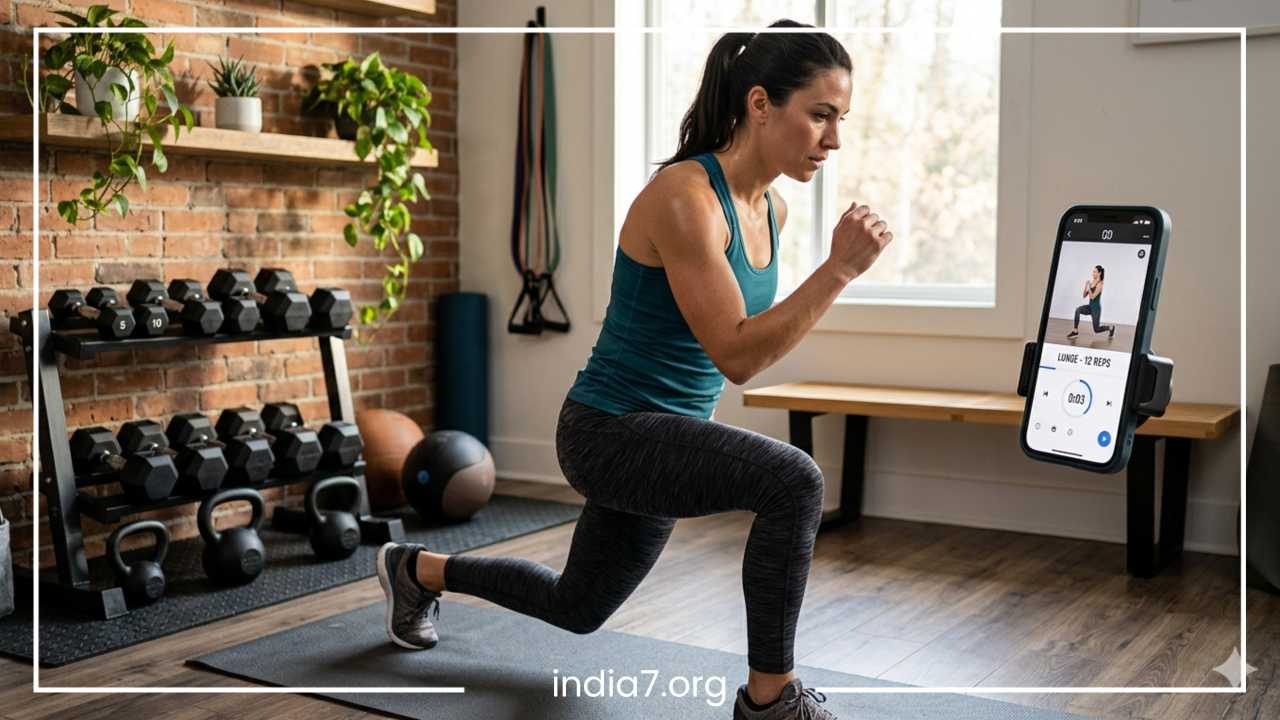
Best Ways to Track Steps Without a Smartwatch

How to Track Steps Without a Smartwatch: 7 Easy Ways
In recent years, step counting has transformed from a niche fitness metric into a global health phenomenon. Millions of people around the world now monitor their daily movement as a baseline indicator of their physical well-being. This surge in popularity is driven by a growing awareness of how modern lifestyle habits, particularly sedentary desk jobs, impact our long-term health. Tracking steps provides a tangible, easy-to-understand metric that demystifies daily activity levels, turning an abstract goal like “getting healthier” into a concrete numerical target.
The widespread benefits of tracking daily movement extend across multiple facets of physical and mental wellness. First and foremost, step tracking is an exceptionally effective tool for weight management. By maintaining a clear picture of daily caloric expenditure through movement, individuals can better balance their energy intake and output. Beyond weight control, regular walking plays a monumental role in supporting heart health. Consistent cardiovascular activity, even at a moderate walking pace, strengthens the heart muscle, improves circulation, and significantly lowers the risk of chronic conditions such as hypertension, high cholesterol, and type 2 diabetes.
Furthermore, step tracking serves as a powerful psychological mechanism for motivation. Seeing a visual representation of progress throughout the day acts as a continuous reward system, encouraging individuals to take the stairs instead of the elevator or opt for a short walk after dinner. It transforms abstract fitness goals into achievable milestones, breaking down a larger health journey into manageable, daily triumphs.
Despite these clear advantages, a common misconception has taken hold in the modern fitness landscape: the belief that you need an expensive, high-tech smartwatch to track your steps effectively. Marketing campaigns frequently imply that without a premium device strapped to your wrist, your physical efforts go unrecorded and unrewarded. This assumption is not only false, but it also creates an unnecessary financial barrier to entry for individuals who simply want to improve their health. The truth is that the technology required to measure human movement is incredibly accessible and does not require a wrist-worn computer costing hundreds of dollars.
You do not need a smartwatch to build an active lifestyle. This comprehensive guide explores seven reliable, accurate, and highly accessible methods to count steps without a smartwatch. We will examine how to maximize the hardware built directly into your smartphone, explore specialized free software applications, look at traditional standalone hardware devices, and dive into manual conversion and estimation techniques. By understanding these alternative approaches, you can choose a tracking strategy that aligns perfectly with your budget, lifestyle, and personal preferences, proving that consistency and intent matter far more than expensive gadgets.
Read: How to Lose Leg Fat and Build Strength
Why Tracking Steps Matters
To understand why alternative tracking methods are so valuable, it is essential to explore what step counting actually measures and why it has become the gold standard for daily activity tracking. At its core, step counting serves as a proxy metric for overall physical movement. It is not merely a reflection of formal exercise, such as a planned jog or a structured gym session. Instead, it captures the entirety of your non-exercise activity thermogenesis, which refers to the energy expended for everything we do that is not sleeping, eating, or sports-like exercise. This includes walking to your car, cleaning the house, pacing while on a phone call, and moving through the grocery store.
The distinction between daily movement and formal exercise is critical for long-term health. A person can spend one hour at the gym in the morning but remain completely sedentary for the remaining fifteen hours of their waking day. This lifestyle is often referred to as being an “active couch potato.” Research indicates that short bursts of intense exercise cannot completely counteract the negative metabolic impacts of prolonged sitting. Continuous, low-intensity movement distributed throughout the day keeps the metabolism active, improves blood glucose regulation, and prevents joint stiffness. Step tracking shines in this regard because it monitors this baseline cumulative movement rather than just isolated workouts.
Over time, various public health organizations have popularized benchmarks to help individuals gauge their activity levels. The most famous target is the 10,000-steps-a-day goal, which originally originated as a marketing campaign in East Asia but has since been evaluated by health researchers worldwide. While 10,000 steps remains an excellent aspirational target, modern clinical studies suggest that significant health benefits, particularly regarding longevity and cardiovascular risk reduction, begin to plateau between 7,000 and 8,000 steps per day for many adults. The key takeaway is not the rigid adherence to a single number, but rather using these benchmarks as a tool to transition from a sedentary category into an active one.
Using a walking tracker to count steps helps build deeply ingrained healthy habits through the principles of behavioral psychology. Human beings respond strongly to immediate feedback loops. When you can see your cumulative movement increase as a direct result of small, healthy choices, you are far more likely to repeat those behaviors. Over days and weeks, these minor adjustments—like parking farther from an entrance or taking a lap around the office every hour—solidify into permanent lifestyle patterns.
Ultimately, consistency matters infinitely more than owning expensive gadgets. A premium smartwatch sitting uncharged on a nightstand provides zero health benefits, whereas a simple, reliable method utilized day after day can inspire a profound health transformation. The goal is to cultivate awareness of your physical movement and challenge yourself to improve, a process that relies entirely on your personal commitment rather than the price tag of your gear.
Read: How to Lose Weight Quickly: Tips for Long-Term Success
Use Your Smartphone’s Built-In Step Counter
What it is
The single most convenient alternative to a smartwatch is already sitting in your pocket or purse. Modern smartphones are highly sophisticated technological devices equipped with an array of internal motion sensors designed to optimize user experience, assist with navigation, and support mobile gaming. For the vast majority of people, these integrated components double as an incredibly efficient, built-in phone step counter that requires absolutely no additional hardware purchases.
How it works
Smartphones track movement primarily through a miniature electronic component known as a three-axis accelerometer. This sensor measures acceleration forces along three directional axes: up and down, side to side, and forward and backward. When you walk, your body moves in a distinct, rhythmic pattern. Each step creates a recognizable acceleration signature as your foot hits the ground and your body shifts forward.
Sophisticated motion-processing algorithms running in the background of your phone’s operating system constantly analyze these raw sensor readings. These algorithms are specifically calibrated to differentiate between the rhythmic, repetitive motion of walking and random movements, such as a bumpy car ride, shifting the phone from one hand to another, or picking the device up from a table. Once the software identifies a sequence that matches the cadence of walking, it registers those movements as steps.
Examples
Both major smartphone ecosystems feature native, highly optimized health platforms that leverage this sensor data out of the box.
-
Apple Health (iPhone): Built into every iOS device, Apple Health functions automatically from the moment you set up your phone. The app aggregates motion data collected by the phone’s internal coprocessor, offering clear daily, weekly, and monthly breakdowns of your step counts without requiring user intervention.
-
Google Fit / Health Connect (Android): On the Android platform, Google Fit serves as the primary repository for activity tracking. It coordinates seamlessly with Health Connect, a unified system system-level API that securely synchronizes fitness data across various applications, providing a reliable and stable framework for monitoring step counts.
Pros
The advantages of relying on a smartphone for step tracking are substantial:
-
Completely Free: Because the hardware and software are integrated directly into the device you already own, there are no upfront costs or subscription fees.
-
Always Available: Most people naturally keep their smartphones nearby throughout the day, ensuring that data logging occurs effortlessly.
-
Decent Accuracy: When carried properly on your person, modern smartphone accelerometers offer highly dependable step metrics that rival the accuracy of wrist-worn alternatives.
Cons
The primary limitation of this method revolves around carrying habits:
-
Dependent on Proximity: A smartphone cannot count steps if it is left resting on a desk, charging across the room, or sitting inside a backpack that you have temporarily set down. If you walk around your home or office frequently without carrying your phone in your pocket, a notable portion of your daily movement will go unrecorded.
Best for
This approach is ideal for casual walkers, fitness beginners, and anyone looking for a seamless introduction to step tracking. It provides a comprehensive baseline overview of your daily activity patterns without requiring financial investment, tech configurations, or any changes to your daily wardrobe.
Read: Lose 30 Pounds In 30 Days: Guide to Rapid Weight Loss
Download a Free Pedometer App
Popular options
If you wish to expand beyond the default functionalities offered by Apple Health or Google Fit, the digital application marketplaces host an array of dedicated step counter app choices. These third-party programs are engineered to maximize your phone’s internal sensors while providing enhanced user interfaces and deeper feature sets. Some of the most highly rated options available include:
-
Pacer: Renowned for its community-driven features, Pacer combines step tracking with social challenges, guided workouts, and personalized fitness plans.
-
Step Counter by Leap Fitness: A highly streamlined option focused heavily on privacy, as it tracks steps without requiring any user account creation or login, while utilizing minimal battery power.
-
Accupedo: This application stands out for its intelligent algorithm, which filters out non-walking movements by only starting to count after it detects a sequence of consecutive steps.
-
WalkTracker: A robust choice designed specifically for outdoor walking enthusiasts, balancing step tracking with route recording capabilities.
Features
Third-party pedometer applications provide a wealth of features designed to enhance your step tracking alternatives:
-
Daily Goals and Streaks: Users can set highly customizable targets that adapt over time based on their performance trends, while visual streak counters encourage long-term adherence.
-
Activity History and Visual Trends: Advanced data visualization tools, such as interactive charts and historical graphs, help users analyze their progress over weeks, months, or even years.
-
Estimated Calories Burned and Distance: By inputting basic personal metrics such as height, weight, and age, these apps can calculate secondary metrics like estimated caloric expenditure and total mileage covered throughout the day.
Accuracy considerations
Because these applications rely entirely on the phone’s built-in hardware, their overall accuracy matches the performance of the native system trackers. However, third-party apps often allow users to manually adjust sensor sensitivity within the app settings menu. If you notice that your app is over-counting steps due to a sensitive commute, or under-counting due to a slower walking pace, you can fine-tune the tracking thresholds to match your personal body mechanics and carrying habits.
Pros and cons
Pros:
-
Enhanced Customization: Allows users to personalize their interface, notifications, and fitness reminders.
-
Gamification and Community: Access to virtual challenges, achievements, and social leaderboards can significantly boost long-term motivation.
-
Comprehensive Metrics: Consolidates multiple fitness markers into a single dashboard.
Cons:
-
Battery Drain: Some third-party apps utilize more power than native system apps, particularly if they employ background location services or continuous GPS monitoring.
-
Advertisements and In-App Purchases: Free versions often display ads, and advanced tracking insights or training plans may be locked behind premium subscription payrolls.
Best for
This method is perfect for individuals who desire comprehensive data insights, community motivation, and structured fitness challenges, yet prefer to skip purchasing a dedicated wearable tracking device.
Carry a Dedicated Clip-On Pedometer
What is a pedometer?
A dedicated clip-on pedometer is a standalone, compact electronic or mechanical device engineered to accomplish one specific task: counting your steps. Unlike multi-purpose gadgets, these traditional tracking devices focus solely on measuring physical movement, typically displaying the step count on a small, clear digital screen on the front of the unit.
How it differs from a smartwatch
While a smartwatch attempts to serve as an extension of your phone—handling notifications, text messages, heart rate monitoring, and application ecosystems—a clip-on pedometer is completely disconnected from the internet and cellular networks. It does not pair with an app, it does not require a constant Bluetooth connection, and it does not push disruptive notifications to your body. It is a tool designed exclusively for physical fitness metrics without any digital distractions.
Benefits
-
Exceptional Battery Life: While smartwatches typically require recharging every single day or two, a dedicated pedometer often runs on a standard coin-cell battery that lasts anywhere from six months to over a year before requiring a simple replacement.
-
Simplicity of Use: There are no complex menus to navigate, touchscreens to struggle with, or software updates to install. You simply clip it on, and it works.
-
Affordability: These devices are highly cost-effective, providing an incredibly accurate entry point into step tracking without a massive financial obligation.
Accuracy levels
Modern electronic clip-on pedometers use advanced tri-axis accelerometers, identical in quality to the sensors found in high-end smartphones and smartwatches. However, because they are designed to be clipped securely to your waistband, belt, or pocket edge, they are positioned directly over your body’s center of gravity. This optimal placement means they are often more accurate than wrist-worn smartwatches, which can accidentally register erratic arm movements—such as washing dishes, typing, or gesturing during a conversation—as steps.
Recommended situations
-
Seniors: The large numbers, lack of complicated smartphone applications, and straightforward physical buttons make clip-on pedometers incredibly accessible for older adults who want to track their health without wrestling with complex user interfaces.
-
Children: Perfect for parents looking to encourage physical activity in kids without exposing them to internet-connected screens or the risks of losing an expensive wearable device.
-
Individuals Disliking Wearable Tech: Excellent for anyone who experiences skin irritation from watch straps, dislikes the aesthetic of digital screens on their wrist, or wishes to intentionally disconnect from digital notifications.
Price range
Standalone pedometers are highly budget-friendly. Standard, highly accurate models from reputable fitness brands typically range from $15 to $35, making them widely accessible to almost any budget.
Track Walking Distance and Convert It to Steps
Methods
If you prefer not to carry any device directly on your person to count every individual footfall, you can shift your focus to measuring total geographic distance instead. Tracking distance allows you to calculate steps retroactively based on the specific routes you complete. You can measure your distance using several straightforward approaches:
-
GPS-Based Map Applications: Utilizing free mapping utilities on your phone, like Google Maps or Apple Maps, to plan out your walking routes in advance or review your path after returning home.
-
Pre-Measured Walking Routes: Utilizing local community assets with pre-determined distances, such as neighborhood park loops, high school athletic tracks, or designated urban walking paths.
-
Online Route Planners: Web-based tools that allow you to trace your exact walking route with a digital cursor to calculate precise mileage down to the decimal point.
Conversion formula
Once you know the exact distance of your walk, you can apply a standard mathematical formula to determine your approximate step count. This conversion relies on understanding the relationship between stride length and distance.
The average human stride length correlates predictably with height and walking speed. For the vast majority of individuals, the conversion factors line up within these reliable parameters:
1 Mile ≈ 2,000 to 2,500 Steps
1 Kilometer ≈ 1,200 to 1,500 Steps
Steps = Distance (Miles) × 2,000 to 2,500
Steps = Distance (Kilometers) × 1,200 to 1,500
Steps = Minutes Walked × 100 to 120
Distance (Miles) = Steps ÷ 2,000 to 2,500
Distance (Kilometers) = Steps ÷ 1,200 to 1,500
Examples
To illustrate how easily you can apply this method to your daily routines, consider the following structural conversions based on standard route benchmarks:
| Distance Tracked | Approximate Step Conversion |
| 1 Mile | 2,000 – 2,500 Steps |
| 2 Miles | 4,000 – 5,000 Steps |
| 3 Miles | 6,000 – 7,500 Steps |
| 5 Kilometers (5K) | 6,000 – 7,000 Steps |
| 10 Kilometers (10K) | 12,000 – 14,000 Steps |
To find your specific conversion factor, you can measure a single mile once using a known track while counting your steps manually. Once you know your personal average (for example, 2,200 steps per mile), you can simply multiply that number by the total miles walked on any future outing.
When this method works best
This distance-conversion approach is ideal for individuals who prefer a highly structured approach to physical fitness, such as setting aside a specific time each morning or evening for an intentional walk. It removes the stress of needing to monitor an active tracking device during the activity itself, allowing you to focus entirely on the physical environment and the health benefits of your workout.
Count Steps During Structured Workouts
Activities
For individuals who prefer to consolidate their fitness efforts into dedicated gym sessions rather than monitoring movement continuously throughout the day, tracking steps during structured workouts is highly effective. This approach centers around popular indoor physical activities, including:
-
Treadmill Walking or Jogging: Utilizing motorized or manual treadmill machines inside a home or commercial gym space.
-
Indoor Athletics Tracks: Walking on indoor gym tracks, which provide a controlled environment unaffected by weather elements.
-
Structured Walking Aerobics: Participating in studio walking classes or following along with indoor walking video workouts at home.
How gym equipment tracks steps
Modern cardiovascular gym equipment is highly optimized to monitor your workout metrics. While treadmills do not have a sensor that watches your feet drop, they track the precise distance covered by the moving belt over time.
Many modern commercial treadmills offer built-in smart integration panels that can estimate your step counts automatically by evaluating the speed of the belt alongside user-inputted personal data like height and weight. If the machine does not display steps directly, it will provide highly accurate distance metrics that you can effortlessly convert using the formulas outlined in the previous section.
Benefits
-
Consistent Environmental Control: Indoor workouts eliminate unpredictable variables like bad weather, uneven terrain, vehicular traffic, or unsafe pedestrian pathways, ensuring that every workout occurs under uniform conditions.
-
Simplified Metric Analysis: All of your core workout data—including time elapsed, distance covered, incline level, and estimated step totals—is consolidated onto a single digital screen directly in front of you.
Limitations
The primary drawback of relying solely on structured workout tracking is that it completely overlooks your general daily movement. If you complete a 5,000-step treadmill workout in the morning but spend the remainder of your day sitting motionless at a desk, your tracking metrics will reflect an incomplete picture of your lifestyle. It is highly effective for quantifying dedicated fitness sessions, but it should ideally be paired with general active lifestyle habits.
Use Smart Shoes or Fitness Bands Instead of a Smartwatch
Alternative wearable technologies
If you still desire the convenience of a wearable tracker but want to completely steer clear of the bulky, expensive, and distraction-heavy nature of a standard smartwatch, the modern fitness landscape offers excellent alternative hardware form factors:
-
Fitness Bands: These are ultra-slim, lightweight wristbands designed purely for biometric tracking. Unlike smartwatches, they feature minimal screens, lack intense notification ecosystems, and prioritize raw health tracking.
-
Smart Insoles: These highly innovative inserts slide directly into your existing running or walking shoes, using pressure sensors to track footfalls right at the source of movement.
-
Sensor-Equipped Smart Shoes: Select footwear manufacturers integrate miniature Bluetooth motion sensors permanently inside the midsole of the shoe itself, creating a seamless, invisible tracking experience.
Advantages
The core advantages of these alternative wearable devices include:
-
Enhanced Physical Comfort: Fitness bands and smart shoes are significantly lighter and less cumbersome than large, metallic smartwatches, making them far more comfortable to wear during intense exercise or throughout long active days.
-
Drastically Lower Costs: Because these devices omit premium smartwatch features like cellular modems, speaker systems, and complex processors, they are far friendlier on your wallet. High-quality fitness bands from reputable brands often cost a fraction of the price of a standard smartwatch.
Accuracy and limitations
Wearables positioned on the lower extremities, like smart shoes and insoles, offer pristine step-counting accuracy because they directly measure the mechanical impact of your foot striking the ground. This position entirely eliminates the false step readings that plague wrist-worn devices.
The primary limitation of smart footwear is that the tracking is bound directly to that specific pair of shoes. If you change into dress shoes for work or sandals for a weekend outing, your movement tracking stops unless you move the tracking sensors or insoles into your new footwear.
Estimate Steps Manually Using Time and Walking Speed
Basic method
When you find yourself without access to technology, sensors, or pre-measured routes, you can utilize one of the oldest and most reliable tools available: manual estimation based on time and cadence. This technique relies on the fact that human walking speeds remain remarkably consistent across similar terrain. By simply tracking the duration of your walk using any standard wall clock, kitchen timer, or traditional analog wristwatch, you can calculate a highly reliable estimate of your total steps.
Quick estimates
To perform these manual calculations, you can utilize established averages for human walking cadences. For a standard adult, a moderate, steady walking pace translates to approximately 100 to 120 steps per minute. If you step up your intensity to a brisk power walk, that cadence increases to roughly 130 to 150 steps per minute.
Using the standard moderate benchmark of 110 steps per minute, you can utilize these quick reference estimates to gauge your progress:
-
10-Minute Walk: Approximately 1,100 steps
-
20-Minute Walk: Approximately 2,200 steps
-
30-Minute Walk: Approximately 3,300 steps
-
45-Minute Walk: Approximately 4,950 steps
-
60-Minute (1 Hour) Walk: Approximately 6,600 steps
When this method is useful
This manual estimation strategy is an invaluable tool to keep in your fitness toolkit for various unpredictable real-world scenarios:
-
Travel and Vacations: When you are exploring a new city and want to keep your head up to enjoy the scenery rather than staring down at a device screen.
-
Hardware and Battery Failures: When your smartphone battery unexpectedly dies midway through a long hike or outdoor excursion.
-
Digital Detox Regimens: When you are intentionally unplugging from all electronic devices to reduce stress and enjoy a peaceful, untethered walk in nature.
Tips for More Accurate Step Tracking
To ensure that your chosen fitness tracking without wearable technology remains as precise and dependable as possible, implement these practical structural habits:
-
Maintain Consistent Phone Carrying Habits: If you rely on your smartphone for tracking, make a conscious effort to keep it in your pocket rather than setting it down on tables or leaving it tucked inside a bag. For outfits lacking functional pockets, consider utilizing a slim, low-profile running belt or arm sleeve to keep the phone secured to your body during active hours.
-
Keep Your Software Applications Updated: If you utilize third-party step counter apps or native health software platforms, check for regular updates within your app store. Developers consistently refine background motion-processing algorithms to improve data accuracy and reduce battery strain.
-
Calibrate Your Personal Stride Length: Most health apps and digital pedometers allow you to access advanced settings to input a custom stride length. Take the time to measure your true stride by walking a known distance, as this adjustment ensures that your calculated mileage and caloric data remain accurate.
-
Prioritize Broad Trends Over Exact Numbers: Avoid getting caught up in minor numerical discrepancies. If one device says 8,200 steps and another says 8,500, the difference is functionally irrelevant to your health. Focus on whether your weekly and monthly movement trends are moving upward.
-
Combine Methods Strategically: Feel free to mix and match tracking strategies. You might use your smartphone to capture casual movement during the workweek, rely on a dedicated clip-on pedometer for outdoor weekend hikes, and utilize treadmill distance conversions when working out at the gym.
Which Method Is Best for You?
Selecting the optimal tracking strategy depends entirely on your unique lifestyle patterns, aesthetic preferences, and budget considerations. Review this comparison framework to identify which path aligns best with your personal profile:
| User Profile Type | Optimal Tracking Method | Primary Advantage |
| Beginners & Casual Walkers | Smartphone Built-In Counter | Zero cost, completely automated, requires no extra hardware. |
| Data Enthusiasts | Free Pedometer App | Advanced historical charts, social features, and gamified challenges. |
| Seniors & Tech-Averse Individuals | Dedicated Clip-on Pedometer | Exceptional battery life, large screens, completely distraction-free. |
| Fitness & Style Minimalists | Slim Fitness Band or Smart Shoes | Lightweight form factor, highly accurate, comfortable for workouts. |
| Gym & Indoor Trainees | Treadmill Distance Conversion | Perfect for controlled environments and dedicated workout tracking. |
| Digital Detoxers & Travelers | Manual Time Estimation | Requires absolutely no technology, eliminating screen distractions. |
Final Thoughts
As we have explored throughout this guide, monitoring your daily movement is an incredibly powerful way to invest in your long-term cardiovascular health, manage your weight, and stay motivated. However, it is abundantly clear that you do not need a costly, feature-heavy smartwatch to achieve these goals. Excellent alternatives exist across the spectrum of technology and lifestyle preferences—ranging from the built-in sensors of the smartphone you already own, to affordable standalone clip-on pedometers, to timeless manual estimation strategies.
The most effective step tracking method is simply the one that fits seamlessly into your daily routine and that you will use consistently. At the end of the day, your body does not care about the brand or price of the sensor recording your movement; it only responds to the physical steps you take. Select the simplest method that appeals to you today, set a realistic movement goal, and start stepping your way toward a healthier, more vibrant life.
Frequently Asked Questions
Can I track steps on my phone if it is in my purse or backpack?
Yes, your phone can still track your steps when placed inside a purse, backpack, or messenger bag, but the accuracy may vary. Because the internal accelerometer relies on sensing the rhythmic motion of your body, the phone needs to move in sync with your stride. If the bag bounces excessively, shifts loosely, or is set down frequently on a desk or floor during the day, the step count will be inaccurate. For the most precise data, keeping the phone in a fitted pocket close to your body is always the ideal setup.
What is the most accurate alternative to a smartwatch for step tracking?
The most accurate alternative is a dedicated, tri-axis clip-on pedometer worn securely on your waistband or belt. Because these devices are positioned directly over your body’s center of gravity, they register true hip movement and clean footfalls. This gives them a distinct accuracy advantage over wrist-worn smartwatches, which can easily be tricked into logging “false steps” by everyday arm movements like washing dishes, typing on a keyboard, or gesturing during a conversation.
Do free pedometer apps work when you do not have cellular data or internet?
Yes, the vast majority of free step counter apps function perfectly without an active cellular data connection or Wi-Fi. The core step-tracking mechanism relies entirely on your phone’s internal hardware sensors (the accelerometer), which function completely offline. The app will log your steps continuously throughout the day and simply update your online cloud profile, maps, or community leaderboards once you reconnect to a network.
How can I convert walking distance directly into a step count manually?
You can easily estimate your steps by knowing your total distance covered. For the average adult, a single mile consists of roughly 2,000 to 2,500 steps, while one kilometer translates to approximately 1,200 to 1,500 steps. If you walk a standard 3-mile neighborhood loop, you can confidently estimate that you have logged between 6,000 and 7,500 steps toward your daily goal without ever looking at a screen.
Will a phone step counter work if I am pushing a stroller or a shopping cart?
If your phone is tucked into your pants pocket, it will continue to track your steps with high accuracy because your legs and hips are still moving rhythmically. However, if you are holding your phone in your hand while pushing a stroller, grocery cart, or lawnmower, the step counter will likely fail to register the movement. This happens because your hands remain stationary on the handle, absorbing the vibrations and masking the natural sway of your walking stride.