Best Aggregator for Bridging With Minimal KYC
Best Bridge Aggregators for Minimal KYC: Top Cross-Chain Tools Compared
The rapid expansion of the multi-chain ecosystem has fundamentally shifted the way users interact with decentralized finance (DeFi). In the early days of the industry, most activity was concentrated on the Ethereum Mainnet. Today, liquidity is fragmented across dozens of Layer 2 solutions like Arbitrum, Optimism, and Base, as well as alternative Layer 1 chains like Solana, Avalanche, and BNB Chain. To navigate this landscape, users must frequently move assets between networks—a process known as bridging.
However, the traditional route for bridging often involves centralized exchanges (CEXs) that mandate strict Know Your Customer (KYC) procedures. For many, these requirements are a significant friction point. Privacy-conscious traders, DeFi power users, and those in specific geographic regions often seek alternatives that allow for efficient asset movement without the need for intrusive identity verification. This has led to the rise of bridge aggregators: sophisticated meta-protocols that scan the market to find the fastest, cheapest, and most private routes for cross-chain transfers.
Bridging with minimal KYC is not about bypassing legal standards; rather, it is about adhering to the core tenets of blockchain technology—self-custody, privacy, and permissionless access. This article explores the mechanics of bridge aggregators and ranks the top platforms for users seeking a low-friction, minimal-verification experience.
Read: Family Health Insurance: Get Prepare for Protection
What Is a Bridge Aggregator?
To understand an aggregator, it is helpful to distinguish between three core components of cross-chain infrastructure:
-
Bridges: Individual protocols (like Stargate, Across, or Hop) that physically move assets from Chain A to Chain B.
-
Bridge Routers: Platforms that use a specific messaging protocol to send data or assets between chains.
-
Aggregators: A meta-layer that integrates dozens of bridges and decentralized exchanges (DEXs) into a single interface.
A bridge aggregator acts as a search engine for liquidity. Instead of manually checking five different bridges to see which one has the lowest fee for moving ETH from Mainnet to Base, an aggregator does the work for you. It calculates the most efficient route, considering gas costs, bridge fees, and slippage.
The Mechanics of Smart Routing
Aggregators use “smart routing” algorithms to provide several key benefits that single-protocol bridges cannot match:
Route Optimization
Aggregators can split a single transaction across multiple bridges. This is particularly useful for “whales” or institutional traders moving large volumes. By spreading the load, the aggregator prevents significant price impact and slippage on any single bridge’s liquidity pool.
Gas Abstraction
One of the biggest pain points in DeFi is arriving on a new chain (like Polygon) with bridged assets but no native tokens (like MATIC) to pay for the first transaction. Advanced aggregators solve this through “gas abstraction,” allowing you to pay for gas on the destination chain using the asset you are bridging.
Broad Chain Coverage
By aggregating protocols, a single platform can give you access to over 20 different blockchains simultaneously. This eliminates the need for users to maintain a library of different bookmarks for every specific chain-to-chain pair.
Intent-Based Execution
The latest generation of aggregators uses “intents.” Instead of the user specifying the exact bridge to use, they simply state their desired outcome (e.g., “I want 1000 USDC on Arbitrum”). Market participants known as “solvers” then compete to fulfill this request at the best possible price, often resulting in near-instant transfers.
Read: Easy Ways to Get Business Cash Advances
Why Users Want Minimal KYC for Bridging
The demand for minimal-KYC bridging is driven by a mix of security philosophy and practical necessity. In an era where data breaches at centralized institutions have become a “when” rather than an “if,” many crypto users are hesitant to hand over government IDs and biometric data just to move their own funds between wallets.
Privacy and Data Sovereignty
KYC data is a honeypot for hackers. When you provide your passport and home address to a centralized exchange, you are trusting them to secure that data for years. By using decentralized aggregators, users eliminate the risk of their personal identity being linked to their on-chain wallet addresses in a centralized database. This maintains the “pseudo-anonymous” nature of public ledgers, which is vital for personal physical safety and financial privacy.
Faster Onboarding and Efficiency
Creating an account on a centralized exchange can take days or even weeks due to verification backlogs or manual reviews. In contrast, a bridge aggregator requires only a wallet connection. This allows users to react to market opportunities—such as a time-sensitive yield farm or a trending NFT mint—in seconds rather than waiting for an exchange’s compliance department to approve a document.
Geographic Restrictions and Financial Inclusion
Centralized exchanges are frequently forced to block entire countries or jurisdictions due to shifting political climates or regulatory pressures. Decentralized aggregators, which function as smart contracts on a global blockchain, are generally accessible to anyone with an internet connection and a compatible wallet. This ensures that the global nature of DeFi remains intact and accessible to those in underserved regions.
The Self-Custody Philosophy
The fundamental mantra of the crypto world is “not your keys, not your coins.” Moving funds through a centralized exchange for bridging requires you to relinquish control of your assets to a third party. If the exchange pauses withdrawals or faces insolvency during that time, your funds are lost. Minimal-KYC aggregators are usually non-custodial, meaning the user retains control of their private keys and assets throughout the entire bridging process.
Read: 5 Things You Should Know About Term Deposits
Key Features to Look for in a Bridging Aggregator
When evaluating which aggregator to use, you should look beyond just the surface-level user interface. A high-quality aggregator must excel in several technical and operational categories to be considered “best-in-class.”
Supported Chains and Ecosystems
The best platforms support a wide mix of EVM (Ethereum Virtual Machine) chains like Polygon, Avalanche, and the various L2s, but they also bridge the gap to non-EVM chains. Support for Solana, Sui, Aptos, and even native Bitcoin is a major differentiator. A wider selection reduces the friction of moving between entirely different cryptographic environments.
Liquidity Depth and Partner Integrations
An aggregator is only as powerful as the liquidity it can tap into. If a platform is not integrated with major bridges like Across, Celer, or Stargate, you may face high slippage on larger transactions. Check the aggregator’s documentation to see which “underlying” bridges they support.
Fee Structure and Slippage
Some aggregators are completely free, making their money through developer grants or B2B API fees. Others add a small “interface fee” (often 0.1% or less) on top of the bridge’s native fee. You must also account for slippage—the difference between the expected price of a trade and the price at which the trade is executed. A good aggregator will provide a clear breakdown of every fee before you click “confirm.”
Security Audits and Track Record
Because you are interacting with complex smart contracts that handle your money, security is paramount. Look for platforms that have been audited by top-tier firms like OpenZeppelin, ConsenSys Diligence, or Spearbit. Furthermore, look at the total value locked (TVL) and the historical volume; a bridge that has moved billions of dollars without a major exploit is generally more trustworthy than a brand-new, unaudited project.
KYC Policy Transparency
While most decentralized aggregators are “no KYC” by default, some may integrate with “compliance-aware” bridges that use zero-knowledge proofs to verify a user’s status without revealing their identity. It is vital to use platforms that are transparent about when and if a transaction might be flagged or held for verification by an underlying liquidity provider.
Wallet Compatibility
A top-tier aggregator should support a wide range of wallets. This includes industry standards like MetaMask and WalletConnect, but also modern alternatives like Rabby (which has better security previews) and Phantom (for Solana-cross-chain moves).
Best Aggregators for Bridging With Minimal KYC
The following platforms represent the current gold standard in the industry. They offer deep liquidity, a high degree of privacy, and sophisticated routing without the need for traditional account registration or intrusive identity checks.
1. LI.FI (and Jumper Exchange)
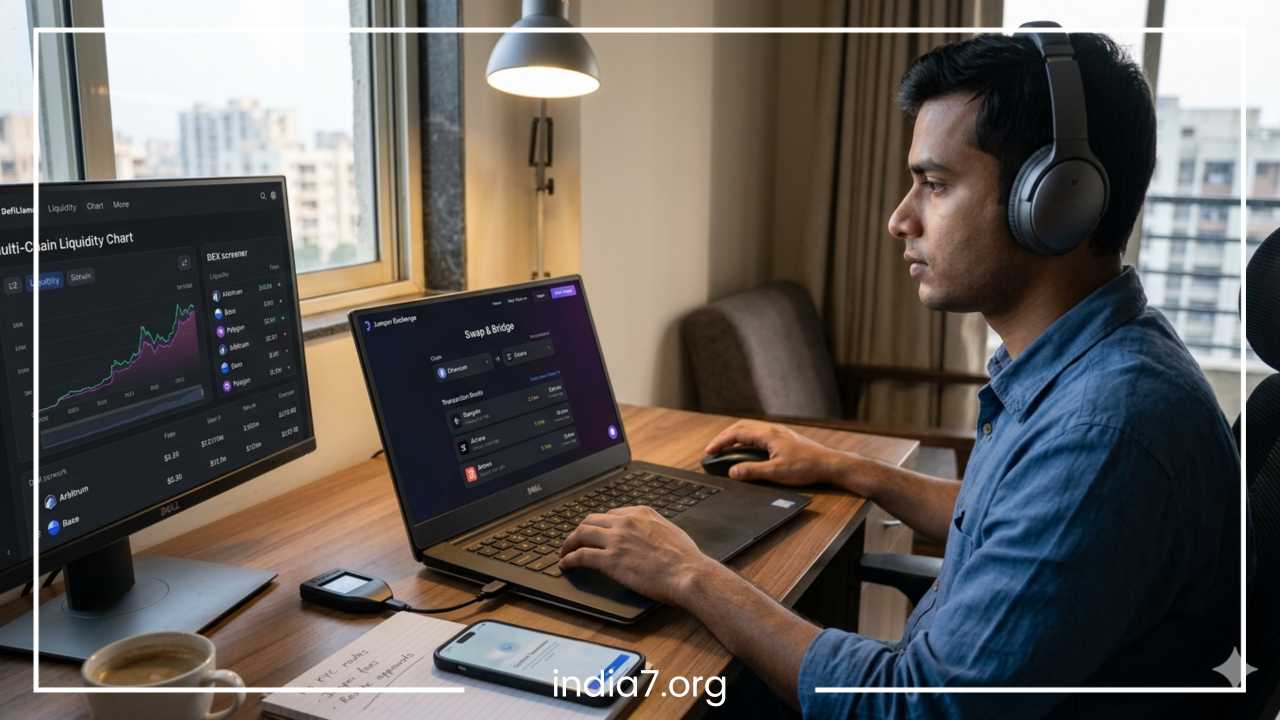
LI.FI is not just a bridge; it is a cross-chain liquidity protocol that acts as a middle-layer between bridges and DEXs. It aggregates nearly 20 bridges and over 30 DEXs. For the end-user, this manifests as Jumper Exchange, arguably the most comprehensive bridging interface in existence.
-
KYC Requirement: None. It is a decentralized, wallet-to-wallet protocol.
-
Unique Feature: “Multi-Route Optimization.” If the cheapest route is slow and the fastest route is expensive, Jumper shows you both alongside a “recommended” middle ground.
-
Pros: Supports nearly every major EVM and non-EVM chain; allows for “swap-and-bridge” (e.g., swapping ETH on Ethereum for SOL on Solana in one step).
-
Cons: Because it offers so many options, the interface can sometimes feel “busy” for a first-time user.
-
Ideal User: Anyone from beginners to advanced traders who want the absolute best rates and don’t mind a few extra buttons.
2. Socket (and Bungee Exchange)
Socket is a protocol that focuses on seamless cross-chain movement, and its consumer-facing app, Bungee, is a favorite among the DeFi community. Socket is particularly well-known for its integration with Layer 2s and its focus on the “developer experience,” which leads to very stable and reliable routes.
-
KYC Requirement: None.
-
Unique Feature: “Refuel.” This is a lifesaver for users. It allows you to bridge a tiny amount of native gas (like ETH or MATIC) to your destination chain so you can pay for your first transaction once you arrive.
-
Pros: Extremely fast interface; very high reliability; excellent gas optimization.
-
Cons: Historically more focused on EVM chains, though it is expanding its reach.
-
Ideal User: Power users moving frequently between Ethereum L2s like Arbitrum, Base, and ZK-EVMs who often forget to carry native gas.
3. Rango Exchange
Rango is the “universal” aggregator. While many platforms struggle to connect the Ethereum world with the Cosmos or Bitcoin worlds, Rango makes it look easy. It is one of the few places where you can bridge native BTC to an Ethereum L2 or move assets from the Cosmos ecosystem to Solana without using a centralized exchange.
-
KYC Requirement: None for decentralized routes.
-
Unique Feature: Support for over 40 blockchains, including very niche ones.
-
Pros: Massive chain support; handles complex “cross-ecosystem” swaps that Jumper or Bungee might miss.
-
Cons: The complexity of the routes means transactions can occasionally take longer to settle.
-
Ideal User: Multi-chain explorers who hold assets across varied, non-EVM ecosystems and want a single interface to manage them all.
4. Relay
Relay stands out for its focus on speed and “intent-based” bridging. It is designed for near-instant transfers, often completing bridges in under 60 seconds. It achieves this by using a network of liquidity providers who “fill” the user’s bridge request immediately on the destination chain, taking on the bridge risk themselves in exchange for a fee.
-
KYC Requirement: None.
-
Unique Feature: Ultra-low latency. It is often the fastest way to move USDC or ETH between popular L2s.
-
Pros: Near-instant settlement; very simple, clean UI that doesn’t distract with unnecessary data.
-
Cons: Limited liquidity for massive “whale” transactions compared to larger aggregators like LI.FI.
-
Ideal User: Users who prioritize time above all else and are moving moderate amounts of capital between popular networks.
5. Orbiter Finance
Orbiter is a decentralized cross-rollup bridge specifically optimized for Layer 2 scaling solutions. It uses a unique “Maker” model to facilitate transfers, making it one of the cheapest and fastest ways to move assets between the various “flavors” of Ethereum scaling (Optimistic Rollups vs. ZK-Rollups).
-
KYC Requirement: None.
-
Unique Feature: Specialization in the Ethereum L2 stack.
-
Pros: Extremely low fees; uses a security model that doesn’t rely on a central mint/burn mechanism, making it highly secure against traditional bridge hacks.
-
Cons: It is not a general-purpose aggregator; it is a specialist tool for L2s.
-
Ideal User: Ethereum enthusiasts who live almost entirely on Layer 2s and want the absolute lowest gas costs for internal moves.
Comparison Table: Top Bridge Aggregators
| Aggregator | Chains Supported | KYC Policy | Primary Strength | Speed |
| Jumper (LI.FI) | 20+ (EVM + Non-EVM) | None | Best Rates / Swap+Bridge | Moderate |
| Bungee (Socket) | 15+ (Mostly EVM) | None | Gas “Refuel” Feature | Fast |
| Rango | 40+ (BTC, Cosmos, etc.) | None | Universal Ecosystem Support | Variable |
| Relay | 10+ (Major L2s) | None | Speed and Simplicity | Very Fast |
| Orbiter | 15+ (L2 Focus) | None | Cheapest for L2 to L2 | Very Fast |
Risks of Using No-KYC or Minimal-KYC Bridges
While bridge aggregators offer immense convenience and privacy, users must remain vigilant. The decentralized nature of these platforms means there is no “undo” button and no corporate entity to bail you out if something goes wrong.
Smart Contract Exploits
Bridges are arguably the most targeted infrastructure in the crypto world. Because they hold large amounts of collateral in “lockboxes,” they are honeypots for hackers. If an underlying bridge (like Stargate or Across) is exploited while your transaction is in flight, your funds could be lost. Aggregators do not usually provide insurance for the bridges they aggregate.
The “Infinite Approval” Risk
When you use a bridge aggregator, you often have to grant the smart contract “approval” to spend a certain token in your wallet. If you grant an “infinite approval” and that aggregator’s contract is later compromised, an attacker could drain your wallet even if you haven’t used the bridge in months.
-
Best Practice: Use a tool like Revoke.cash or your wallet’s built-in permission manager to clear your token approvals regularly.
Phishing and URL Spoofing
Because these platforms do not require a username or password, scammers often create pixel-perfect clones of sites like Jumper or Bungee. If you connect your wallet to a fake site and sign a transaction, your funds will be drained immediately. Always double-check the URL and consider bookmarking the official site.
Liquidity and “Stuck” Transactions
Occasionally, a bridge may run out of native liquidity on the destination chain. For example, if everyone is trying to move USDC to a new chain at the same time, the bridge might “run dry.” In these cases, your transaction might be “stuck” for hours or even days until the bridge is rebalanced. In a no-KYC, decentralized environment, you must rely on the protocol’s Discord or community documentation to resolve these issues.
Security and Compliance Considerations
It is a common misconception that “No KYC” means “No Compliance.” Even the most decentralized protocols have measures in place to prevent the abuse of their infrastructure by malicious actors.
On-Chain Analytics and Screening
Most bridge aggregators integrate with on-chain analysis firms. If a wallet is flagged as being associated with a major hack (like the Lazarus Group) or is on a government sanctions list, the front-end interface will likely block that wallet from connecting. This is “compliance at the edge,” where the protocol remains decentralized, but the interface used to access it follows local laws.
Liquidity Provider (LP) Verification
While you, the user, do not need to provide ID, the professional market makers who provide the underlying liquidity for these bridges are often highly regulated entities. They undergo their own KYC and AML (Anti-Money Laundering) checks with their banking partners. This ensures that the “pool” of money you are interacting with is not tainted by illicit activity.
Zk-KYC: The Future?
The industry is moving toward “Zero-Knowledge KYC.” This would allow a user to prove they are a “real person” or “not from a sanctioned country” without actually revealing their name or passport details to the bridge. This would offer the best of both worlds: regulatory compliance and absolute user privacy.
Best Practices for Privacy-Conscious Bridging
To ensure your cross-chain journey is both private and secure, follow these industry best practices:
-
Use a Dedicated “Burner” Wallet: If you are moving funds for a specific, high-privacy purpose, don’t use your main “vault” wallet. Create a new address, bridge the funds, and use that address for your DeFi activity. This breaks the direct on-chain link between your main holdings and your active trading.
-
Start With a Test Transaction: Never bridge 100% of your desired amount in the first go. Send a small “test” amount to ensure the route is active, the gas is sufficient, and the funds arrive at the correct address.
-
Check the “Slippage” Settings: In times of high volatility, aggregators might set a high default slippage (e.g., 3%). For large trades, this can result in losing hundreds of dollars. Manually set your slippage to a lower, more reasonable level (like 0.5%) to protect your capital.
-
Monitor Network Status: Before bridging to a new Layer 2, check if that network is experiencing downtime. If the sequencer of an L2 is down, your bridged funds might be stuck in limbo until the network resumes.
-
Avoid Unnecessary Permissions: When an aggregator asks for permission to access your tokens, only approve the exact amount you intend to bridge. Avoid clicking “Max” or “Infinite” unless you plan on using that specific platform daily.
The Future of Intent-Based Bridging
The ultimate goal of bridge aggregators is to make the “bridge” part invisible. In the future, you won’t think about “bridging USDC from Ethereum to Solana.” You will simply open an app and say, “I want to buy this NFT on Solana using my ETH.”
Aggregators are the engines driving this “chain abstraction.” By removing the need for KYC and simplifying the technical hurdles of moving assets, these platforms are making the multi-chain world feel like a single, unified financial system.
Final Thoughts
The selection of a bridge aggregator depends entirely on your specific needs. However, for most users looking for a minimal-KYC experience, the choice is clear:
-
For the Best Overall Experience: Use Jumper Exchange (LI.FI). Its sheer volume of integrated bridges and DEXs ensures you are almost always getting the best price on the market.
-
For Speed and Reliability: Use Relay or Bungee. Their focus on intent-based routing and gas “refuel” features makes them the most user-friendly for daily DeFi tasks.
-
For Privacy and Multi-Chain Niche Moves: Use Rango Exchange. Its ability to touch almost every major blockchain in existence makes it the “Swiss Army Knife” of the crypto world.
Minimal-KYC bridging is a cornerstone of the decentralized economy. It preserves the user’s right to privacy while enabling the fluid movement of capital that DeFi requires to thrive. By using audited aggregators and following a strict security regimen, you can enjoy the benefits of a multi-chain world without sacrificing your data or your peace of mind. Conclude your bridging journey by always testing small, verifying URLs, and staying updated on the ever-changing landscape of cross-chain security.
Frequently Asked Questions
What is the best no KYC bridge for Ethereum to Solana?
The most reliable way to move assets between Ethereum and Solana without identity verification is using a cross-chain aggregator like Jumper (LI.FI) or Rango Exchange. These platforms connect EVM-compatible wallets (like MetaMask) with Solana wallets (like Phantom) in a single interface, routing your transaction through decentralized liquidity providers like Allbridge or DLN.
Can I bridge crypto without a centralized exchange?
Yes. Bridge aggregators allow for “wallet-to-wallet” transfers, meaning the assets never leave your custody to sit on an exchange’s server. By using decentralized protocols, you bypass the need for an account, email registration, or KYC documents, maintaining full control over your private keys throughout the process.
Are bridge aggregators safer than single bridges?
Aggregators can be considered safer in terms of liquidity risk because they offer multiple paths to your destination. If one underlying bridge has a technical issue or low liquidity, the aggregator will automatically suggest a different, healthier route. However, you are still interacting with smart contracts, so it is vital to use audited platforms with high transaction volumes.
How do I avoid high gas fees when bridging?
To minimize costs, use an aggregator that supports Layer 2 to Layer 2 bridging (e.g., Arbitrum to Base). Moving assets between L2s is significantly cheaper than starting or ending on the Ethereum Mainnet. Additionally, check for “Gas Refuel” features on platforms like Bungee, which provide you with a small amount of native gas on the destination chain to avoid being stranded.
Why does my bridge transaction take so long?
Bridging speed depends on the “finality” of the blockchains involved and the security mechanism of the bridge. Trustless bridges often wait for several confirmations to prevent “double-spend” attacks. If speed is your priority, look for intent-based aggregators like Relay, which use private market makers to fulfill your order almost instantly on the destination chain.
Is bridging crypto without KYC legal?
Using decentralized protocols for privacy and convenience is a standard practice in the DeFi ecosystem. Most bridge aggregators function as permissionless software. However, users should always comply with their local regulations and avoid using these tools for illicit activities, as on-chain analytics can still track the flow of funds between public wallet addresses.
What happens if my transaction gets stuck in a bridge?
If a transaction is delayed, you should find the “Transaction Hash” in your wallet and look it up on the bridge’s specific explorer (like the Axelarscan or Wormholescan). Most reputable aggregators have a “Help” or “Support” section in their Discord where community managers can help you manually trigger a claim if the automatic relay fails.
Can I bridge native Bitcoin to Ethereum without KYC?
Yes, but it requires a specialized aggregator like Rango Exchange or a protocol like THORChain. These platforms allow you to swap “Native” BTC from a Bitcoin wallet for “Wrapped” BTC or ETH on an Ethereum-compatible wallet without needing to send your coins to a centralized custodian.