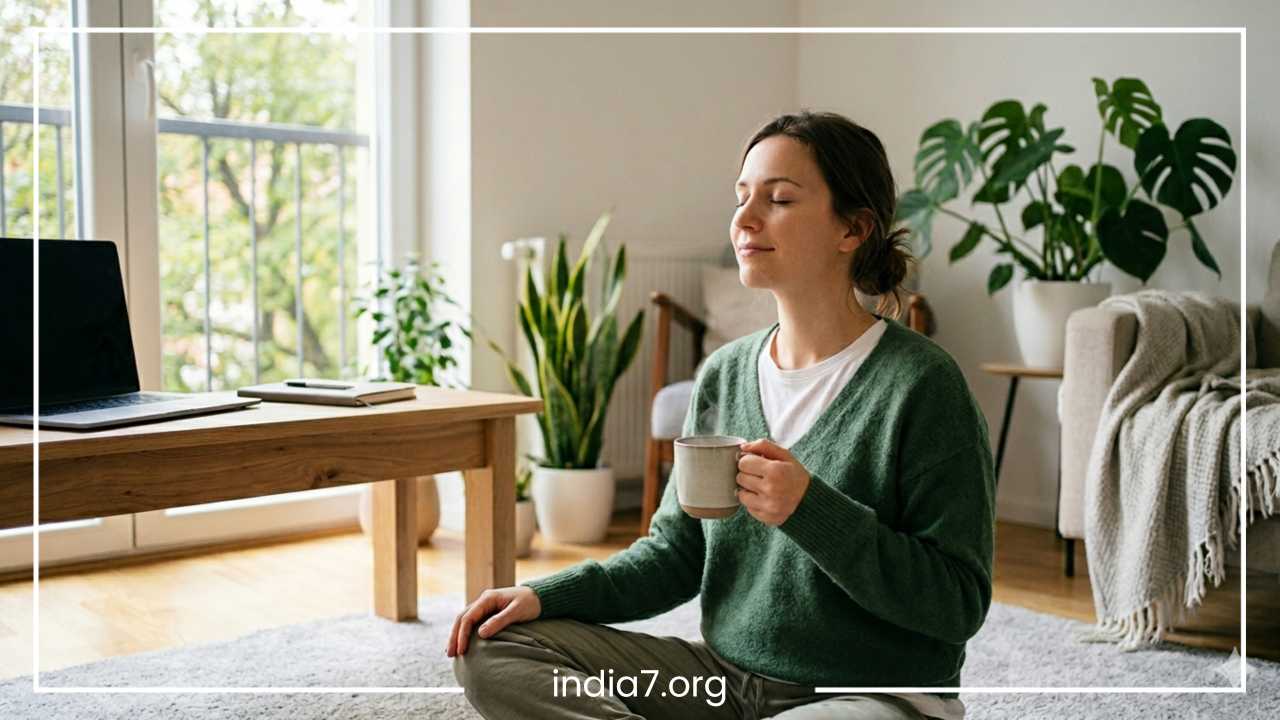
Best Ways to Improve Mental Health

Why Mental Health Matters More Than Ever
In the fast-paced, hyper-connected landscape of modern life, our psychological well-being can easily fall by the wayside. We meticulously plan our career milestones, curate our social calendars, manage our financial obligations, and track our physical metrics, yet we often relegate the state of our internal world to an afterthought. Mental health is not merely the absence of a diagnosed psychological condition or a state of temporary happiness; it is the fundamental foundation of our emotional, cognitive, and social well-being. It subtly influences how we perceive the world, process complex emotions, navigate acute stress, relate to other human beings, and make critical choices every single day.
When mental health is consistently neglected, the consequences are rarely confined to the mind alone; they ripple outward, fundamentally altering every single dimension of our lives. Chronic emotional distress, unmanaged anxiety, and persistent low mood can erode our physical vitality. This neglect manifests in tangible physiological symptoms, including cardiovascular strain, weakened immune responses, chronic inflammation, and persistent fatigue. Conversely, actively cultivating a healthy mind enhances our psychological resilience, equipping us with the internal tools necessary to bounce back from life’s inevitable setbacks and traumas. Prioritizing your psychological well-being is an profound act of self-compassion that infuses your life with clarity, direction, and a deeper sense of meaning. It creates the emotional and cognitive reserve required to pursue creative outlets, immerse oneself in nature, and build a lifestyle rooted in true balance.
Improving your mental health does not require a radical, overwhelming transformation that happens overnight. In fact, sustainable wellness is built through small, intentional, and incremental choices made consistently over long periods. By establishing healthy routines, setting firm personal boundaries, and consciously celebrating small wins along the way, you can build an unshakeable foundation for a happier, more fulfilling existence. The journey toward optimal mental wellness begins with a single, deliberate step. There are practical, actionable strategies you can implement right now to start cultivating peace of mind and transforming your reality today.
Read: How to Lose Arm Fat: Achieving Strong, Toned Arms
10 Best Ways to Improve Your Mental Health Today
Prioritize Quality Sleep
Sleep is the ultimate biological reset mechanism, playing an indispensable and non-negotiable role in emotional regulation, cellular repair, and cognitive processing. When you enter deep sleep stages, your brain actively processes the emotional experiences of the preceding day, filing away important memories while clearing out accumulated metabolic waste products. Chronic sleep deprivation fundamentally disrupts this delicate chemical balance. It significantly increases your vulnerability to psychological stress, chronic anxiety, and depressive symptoms by keeping the nervous system in a state of constant, low-grade alarm. Without sufficient, high-quality rest, the brain’s amygdala—the primary emotional control center—becomes hyper-reactive, making minor daily inconveniences feel like insurmountable crises.
To safeguard your psychological well-being from the toxic effects of fatigue, it is vital to practice strict and intentional sleep hygiene. This means transforming your approach to the final hours of the day, moving away from late-night stimulation and shifting toward a deliberate wind-down period that signals to your autonomic nervous system that it is safe to transition into a restful state.
| Sleep Hygiene Strategy | Actionable Step | Targeted Mental Health Benefit |
| Consistent Circadian Alignment | Wake up and go to bed at the exact same time every day, even on weekends. | Stabilizes mood-regulating hormones and minimizes morning cortisol spikes. |
| Environmental Optimization | Keep your bedroom entirely dark, completely quiet, and comfortably cool. | Prolongs the duration of deep and REM sleep cycles, maximizing emotional recovery. |
| Stimulant & Digestion Control | Avoid consuming caffeine, heavy meals, or alcohol within six hours of bedtime. | Prevents fragmented sleep architectures and reduces midnight anxiety episodes. |
By prioritizing restorative sleep as an essential pillar of your wellness routine, you build a resilient foundation for your mood, ensuring you wake up with the mental clarity, patience, and perspective needed to tackle the challenges of the day ahead.
Get Moving Every Day
Physical activity is one of the most powerful, immediate, and accessible natural mood enhancers available to mankind. When you engage in consistent physical movement, your body initiates a complex biochemical response, releasing a surge of endorphins, dopamine, and serotonin. These neurotransmitters are directly responsible for elevating mood, sharpening focus, and alleviating feelings of anxiety and depression. Furthermore, regular physical movement acts as an effective circuit breaker for stress, systematically lowering the body’s circulating levels of primary stress hormones, such as cortisol and adrenaline, which can otherwise accumulate and leave you feeling perpetually on edge.
The beauty of movement is that you do not need to train for an elite marathon or spend hours performing grueling workouts to reap these psychological rewards. The key to long-term success is consistency over intensity. Simple, low-impact activities that you can easily integrate into your current lifestyle can make an extraordinary difference in your daily outlook.
Consider taking a brisk twenty-minute walk through a local park, dancing freely to your favorite music in the comfort of your living room, or practicing a gentle yoga sequence to release physical tension. Reorienting your mindset to view movement as a rewarding form of self-care, rather than an arduous chore, fundamentally changes your relationship with your body. Aim to find physical activities that bring you genuine joy and satisfaction. By moving your body every single day, you cultivate physical stamina while actively clearing your mind of cognitive clutter, helping you build a healthy routine that supports long-term emotional and psychological stability.
Read: Best Way to Lose Belly Fat: A Science-Backed Guide
Practice Mindfulness and Meditation
Mindfulness is the practice of bringing your full, deliberate, and entirely non-judgmental awareness to the absolute present moment. A vast majority of daily psychological distress stems from cognitive time travel: either ruminating exhaustively over past events that cannot be changed or worrying about hypothetical future scenarios that may never occur. Mindfulness breaks this painful cycle of anxiety by firmly anchoring your awareness in the here and now, allowing you to observe your internal thoughts and external sensations without becoming emotionally overwhelmed or swept away by them.
Starting a dedicated mindfulness habit does not require you to spend hours in silent, isolated contemplation. You can easily begin with simple, structured breathing exercises that immediately soothe an overstimulated sympathetic nervous system.
For instance, you can try the box breathing technique: slowly inhale for four seconds, hold your breath for four seconds, exhale completely for four seconds, and hold the lungs empty for four seconds. Repeating this cycle just a few times slows your heart rate and signals safety to your brain. Regular meditation encourages a deep sense of self-compassion, helping you treat your internal dialogue with kindness rather than harsh, destructive criticism. By dedicating just five to ten minutes a day to sitting quietly, observing your thoughts, and focusing on the physical sensation of your breath, you can reduce emotional reactivity, lower psychological stress, and foster a deep, enduring sense of inner peace that remains with you throughout the day.
Read: Healthy Eating Recipes for Weight Loss
Strengthen Social Connections
Human beings are inherently social creatures, evolutionarily wired for deep connection, mutual cooperation, and community integration. Authentic, meaningful relationships provide us with an essential sense of belonging, identity, safety, and validation. Conversely, prolonged loneliness and social isolation can act as significant, dangerous catalysts for poor mental health, actively contributing to heightened social anxiety, low self-esteem, chronic stress, and depressive states.
Building and maintaining a robust social support network requires deliberate effort, but the emotional rewards are absolutely immense. Take a few minutes today to actively reconnect with friends, family members, or trusted colleagues. This does not have to be an elaborate gesture; it could be as simple as sending a thoughtful text message checking in on someone, scheduling a phone call during your commute, or meeting a loved one for a cup of tea.
When nurturing your relationships, always prioritize quality over quantity. True emotional support does not come from having hundreds of superficial connections; it comes from deep, authentic interactions where you feel truly heard, understood, respected, and valued. Additionally, opening up and sharing your vulnerabilities with trusted individuals dramatically alleviates the heavy internal burden of stress. By investing time and energy into your social bonds, you create a vital emotional safety net that lifts you up during challenging times and amplifies your joy during good times.
Limit Social Media and Digital Overload
While modern digital technology allows us to stay instantly connected across vast geographical distances, excessive screen time and constant connectivity can inadvertently degrade our mental well-being. Spending hours mindlessly scrolling through various social media platforms repeatedly exposes our minds to highly curated, unrealistic, and idealized versions of other people’s realities. This constant exposure frequently fuels a toxic comparison culture, leading to persistent feelings of personal inadequacy, low self-worth, fear of missing out, and heightened social anxiety.
To protect your mind from the exhausting effects of digital overload, it is essential to establish firm, healthy boundaries around your online habits. Consider implementing a regular digital detox routine, such as designating specific phone-free zones in your home, like the dining table or bedroom, or committing to a screen-free hour immediately after waking up in the morning.
-
Use built-in smartphone features to monitor your usage and set strict daily time limits on distracting applications.
-
Actively curate your social media feeds by unfollowing or muting accounts that trigger negative self-talk, body dissatisfaction, or material envy.
-
Replace passive digital scrolling with life-enriching, tangible activities, such as reading physical books, exploring a creative hobby, or going outside for a walk.
Minimizing digital noise helps clear the unnecessary clutter from your mind, opening up valuable mental space to engage fully, intentionally, and mindfully with the physical world and the people right in front of you.
Eat for Mental Well-Being
The complex relationship between your daily diet and your baseline mood is incredibly profound, largely driven by what scientists call the gut-brain axis. The gastrointestinal tract is lined with millions of interconnected nerve cells and is responsible for producing a vast majority of the body’s total serotonin, a critical neurotransmitter tasked with regulating mood, sleep patterns, appetite, and emotional stability. Consequently, the specific types of food you consume directly impact how your brain functions, how well it resists inflammation, and how you feel emotionally from hour to hour.
To optimally support your mental health, aim to nourish your body with whole, nutrient-dense foods that stabilize your blood sugar levels and actively reduce systemic inflammation. Incorporate plenty of leafy greens, vibrant berries, lean proteins, nuts, seeds, and fermented foods rich in beneficial probiotics into your daily meals.
| Essential Nutrient | Rich Dietary Source | Targeted Mental Health Benefit |
| Omega-3 Fatty Acids | Wild Salmon, Chia Seeds, Flaxseeds, Walnuts | Supports brain cell structural integrity and lowers neuroinflammation. |
| Complex Carbohydrates | Whole Oats, Quinoa, Brown Rice, Sweet Potatoes | Provides a steady, sustained release of glucose to prevent mood crashes. |
| Micronutrients & Folate | Spinach, Broccoli, Lentils, Avocado | Aids in the synthesis of neurotransmitters like dopamine and serotonin. |
Limiting your intake of ultra-processed foods, refined sugars, excess caffeine, and alcohol is equally vital. While these substances can provide temporary comfort or a brief energy spike, they frequently trigger steep blood sugar crashes and chemically alter your brain chemistry, significantly aggravating anxiety, irritability, and mood swings over time. Staying consistently hydrated by drinking plenty of pure water throughout the day is another simple yet life-changing habit that prevents fatigue and cognitive brain fog.
Manage Stress Before It Manages You
Stress is an completely unavoidable part of the human experience, but when left unmanaged and unchecked, chronic stress can severely compromise your long-term psychological well-being. Common, modern sources of stress—such as heavy professional workloads, financial obligations, family dynamics, and interpersonal conflicts—can keep the human body in a constant, destructive state of high alert. To prevent emotional exhaustion and eventual burnout, you must proactively implement healthy coping mechanisms that systematically disengage the body’s fight-or-flight response and activate the parasympathetic nervous system.
Effective stress management heavily relies on practical, realistic time management techniques. Breaking large, intimidating projects or life goals into smaller, manageable, and realistic tasks prevents you from feeling paralyzed by overwhelm. Learning to ruthlessly prioritize your daily responsibilities allows you to focus your limited energy where it matters most, reducing the chaotic, frantic feeling of rushing through life.
Incorporate dedicated, non-negotiable relaxation practices into your daily schedule. This could involve soaking in a warm bath, practicing progressive muscle relaxation, listening to calming music, or spending a quiet afternoon reading a book. By recognizing your personal stress triggers early—such as a tight jaw, shallow breathing, or increased irritability—you can take deliberate steps to calm your mind, ensuring that daily pressure does not spiral into chronic emotional distress.
Practice Gratitude and Positive Thinking
The human brain possesses an evolutionary survival mechanism known as a negativity bias, which naturally causes us to notice, remember, and focus more intensely on negative experiences or potential threats than positive ones. While this trait effectively protected our ancient ancestors from physical danger, in the modern world, it can easily lead to chronic pessimism, distorted thinking, and persistent anxiety. Practicing intentional gratitude is a scientifically proven method to consciously reframe your thought patterns, rewire your neural pathways, and build psychological resilience.
An exceptional and highly practical way to incorporate gratitude into your lifestyle is through regular journaling. Every single evening before bed, make it a habit to write down three specific things you are genuinely grateful for. They do not need to be monumental achievements or life-changing events; appreciating a delicious cup of coffee, a warm conversation with a coworker, or a beautiful sunset is highly effective.
Over time, this deliberate cognitive practice trains your brain to actively search for the positive aspects of your environment, permanently shifting your perspective from a mindset of scarcity to one of abundance. When negative thoughts do inevitably arise, practice cognitive reframing by gently challenging the objective validity of those thoughts and replacing them with more balanced, realistic, and compassionate perspectives. Celebrating small wins and acknowledging your personal progress helps cultivate an internal environment where mental wellness can truly thrive.
Set Healthy Boundaries
Many individuals suffer from chronic stress, resentment, and emotional exhaustion simply because they take on far too much responsibility. Saying yes to every single request from colleagues, managers, friends, and family circles can rapidly deplete your energetic and emotional reserves, leaving you with absolutely no time or energy to nurture your own mental health. Setting healthy boundaries is not a selfish act; it is a vital act of self-preservation that protects your peace of mind and prevents systemic burnout.
Learning to say no with absolute clarity, confidence, and kindness is an essential skill for long-term personal well-being. Understand that establishing a clear boundary is a necessary step to ensure you have the actual emotional capacity to show up fully and authentically for the things and people that matter most to you.
-
Clearly define your professional working hours and completely disconnect from occupational communication platforms when you are off the clock.
-
Communicate your emotional limits to friends and family members when you require quiet, uninterrupted time to recharge your mind.
-
Allocate structured, unmovable time blocks in your personal calendar exclusively for self-care, creativity, and rest.
By consciously balancing the external needs of others with your own internal requirements, you protect your precious mental energy and maintain the internal harmony necessary for long-term vitality.
Seek Professional Help When Needed
Despite growing global awareness surrounding the critical importance of mental wellness, a lingering social stigma can still unfortunately prevent people from seeking professional support. It is crucial to remember that seeking help is an undeniable sign of profound personal strength, self-awareness, and courage, rather than a mark of weakness or failure. Just as you would visit a medical doctor for a persistent physical injury or chronic illness, consulting a mental health professional is a completely logical, healthy step when navigating emotional difficulties.
If you experience persistent feelings of sadness, debilitating anxiety, sudden mood shifts, intrusive thoughts, or a general inability to cope with the demands of daily life, it is time to reach out for guidance. A licensed therapist, clinical counselor, or psychiatrist can offer a safe, confidential, and entirely non-judgmental environment to explore your feelings and provide customized, evidence-based coping strategies.
Early intervention can prevent mild emotional struggles from developing into more severe, deeply entrenched psychological conditions. Working alongside a professional offers invaluable clarity, helping you process past traumas, uncover your core values, dismantle maladaptive habits, and discover your true sense of purpose and meaning in life.
Small Changes Can Lead to Big Improvements in Mental Health
True, lasting mental wellness is not a static destination that you reach once and then forget about; it is a continuous, dynamic, and lifelong journey that unfolds day by day, moment by moment. Every single choice you make—from the food you choose to put on your plate, to the physical movement you engage in, to the internal thoughts you choose to actively cultivate—acts as a direct building block for your psychological well-being. By intentionally incorporating these ten core strategies into your daily life, you can actively build a sustainable framework for mental, emotional, and spiritual resilience.
As you embark on this path of self-improvement, remember to treat yourself with unconditional self-compassion and patience. There will undoubtedly be days when keeping up with your healthy routines feels difficult, frustrating, or altogether impossible, and that is a completely natural part of being human. Progress is rarely linear. What truly matters is your willingness to show up for yourself, honor your personal boundaries, and celebrate the small wins along the way.
Whether it is enjoying a peaceful walk in nature, cutting back on harmful substances, disconnecting from your phone, or setting aside twenty minutes for a creative hobby, every positive action counts toward your long-term growth. Start small today, protect your peace of mind at all costs, and trust that these minor, consistent shifts will ultimately blossom into profound, lasting transformations in your overall mental health.
Frequently Asked Questions
What are the most effective daily habits to improve mental health naturally?
Improving your mental health naturally relies heavily on establishing stable, daily routines that prioritize both your mind and body. The most effective habits include maintaining a consistent sleep schedule, engaging in daily physical movement (even a short walk), practicing mindfulness or breathing exercises to anchor your awareness, and nourishing your body with balanced nutrition. Cultivating a regular gratitude practice and spending time in nature are also excellent, evidence-based ways to lower baseline stress and improve mood naturally over time.
How do I know if I am experiencing temporary stress or chronic burnout?
While everyday stress is a temporary reaction to immediate pressures (like a work deadline or an argument), burnout is a state of chronic physical, emotional, and mental exhaustion caused by prolonged stress. Key indicators of burnout include a persistent sense of disillusionment, chronic fatigue that sleep doesn’t fix, emotional detachment from things you used to care about, and a noticeable drop in daily productivity. If you feel constantly overwhelmed and empty for weeks or months at a time, you are likely dealing with burnout rather than routine stress.
What are the psychological signs that it’s time to see a mental health professional?
It is time to consider seeking professional help when your emotional state begins to actively interfere with your ability to navigate daily life. Key psychological warning signs include persistent feelings of sadness or hopelessness, debilitating anxiety that prevents you from completing tasks, extreme mood swings, sudden changes in sleep or appetite, and an inability to find joy in your usual hobbies. If your normal coping strategies no longer provide relief, a licensed therapist or counselor can offer the necessary tools and support to help you process your experiences.
How does reducing social media usage improve your emotional well-being?
Limiting time spent on digital platforms directly improves your emotional health by interrupting the toxic “comparison culture.” Social media often displays highly curated, idealized versions of life, which can trigger feelings of inadequacy, isolation, and low self-worth. By stepping away from the screen, you reduce overstimulation, eliminate a major source of subconscious anxiety, and free up valuable cognitive space. This allows you to engage more mindfully with the physical world and cultivate authentic, real-life relationships.
What is the gut-brain connection and how does diet affect anxiety?
The gut and the brain are deeply connected through millions of nerves and biochemical pathways, often referred to as the gut-brain axis. A vast majority of the body’s serotonin—the neurotransmitter responsible for regulating mood and emotional stability—is produced in the gastrointestinal tract. When you consume a diet high in ultra-processed foods and refined sugars, it can cause systemic inflammation and blood sugar crashes, which directly exacerbate symptoms of anxiety and irritability. Conversely, whole, nutrient-dense foods support a healthy gut microbiome, leading to more stable energy and better emotional regulation.