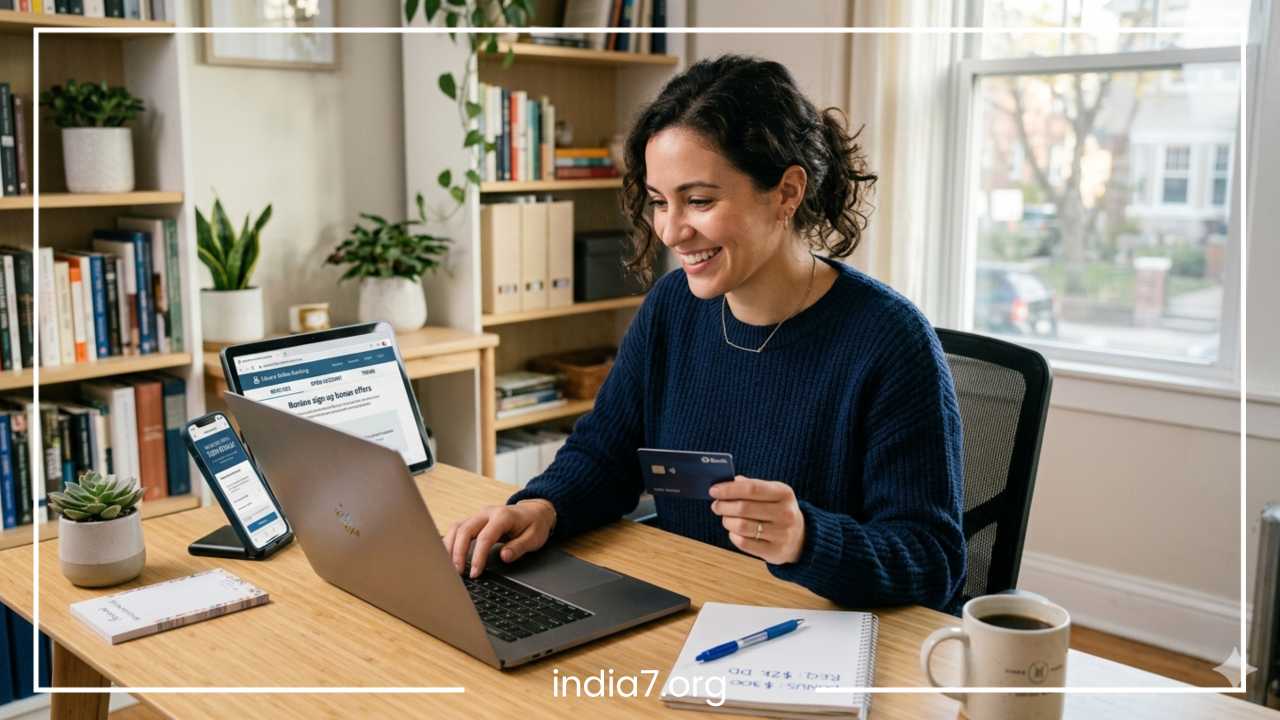
How to Set Up a Business Bank Account

How to Set Up a Business Bank Account (Step-by-Step Guide)
Establishing a clear boundary between your personal life and your professional endeavors is one of the most critical steps any entrepreneur can take. While it may be tempting to use a personal checking account when you are first starting out—especially as a freelancer or a solo practitioner—doing so can lead to significant administrative hurdles and legal risks. Setting up a dedicated business bank account is more than just a box to check on a startup to-do list; it is a fundamental pillar of sound financial management.
When you separate your finances, you are effectively creating a “corporate veil” that protects your personal assets from business liabilities. Beyond protection, a dedicated account offers immense tax benefits, making it significantly easier to track deductible expenses and prepare for audits. Furthermore, it projects an image of professionalism to your clients and vendors. Paying a supplier from a personal account looks amateurish, whereas a business-named account builds trust and credibility.
Whether you are a freelancer working from a home office, a tech startup seeking venture capital, or a small-to-medium enterprise (SME) with a physical storefront, a business bank account is the engine that drives your financial operations. It allows you to accept credit card payments, manage payroll, and eventually access credit lines that are essential for scaling. This article serves as a comprehensive guide to navigating the complexities of opening and managing your business banking infrastructure.
Read: Stop Debt Harassment by Legal Action
What Is a Business Bank Account?
A business bank account is a financial account intended solely for business-related transactions rather than personal ones. While it functions similarly to a personal account in terms of deposits and withdrawals, it is governed by different terms of service and often comes with features tailored to the needs of a commercial entity. Unlike personal accounts, which are designed for individual spending and saving, business accounts are built to handle higher transaction volumes, multiple users, and complex treasury management needs.
Types of Business Accounts
There are several varieties of accounts available to business owners, each serving a distinct purpose:
-
Business Current/Checking Account: This is the primary operational account. It is used for daily transactions, such as receiving payments from customers, paying bills, and managing payroll. These accounts often allow for a high volume of deposits and withdrawals.
-
Business Savings Account: Once a business begins to generate a profit, a savings account allows the company to set aside funds for future taxes, unexpected emergencies, or planned expansions. These accounts typically earn interest, though they may have more restrictions on how often you can move money out.
-
Merchant Accounts: If your business intends to accept credit and debit card payments directly, you will likely need a merchant account. This acts as a holding area for funds processed through card transactions before they are settled into your main business checking account.
Key Features and Differences
Business accounts often include features that personal accounts do not. For instance, multi-user access allows you to give your accountant or office manager specific permissions to view statements or initiate payments without giving them full control over the funds. Many business accounts also offer overdraft facilities or lines of credit specifically designed to help companies manage cash flow gaps. Additionally, these accounts often integrate directly with accounting software, allowing for real-time synchronization of financial data.
Read: Mobile Credit Card Processing Transforming Businesses
Benefits of Having a Business Bank Account
The advantages of maintaining a separate business account extend far beyond simple organization. It is a strategic move that impacts your legal standing and your ability to grow.
Legal Protection and the Corporate Veil
For business structures like Limited Liability Companies (LLCs) or Corporations, the primary benefit is the maintenance of limited liability. If you mix your personal and business funds (a practice known as “commingling”), a court could potentially “pierce the corporate veil” in the event of a lawsuit. This means your personal assets—like your home or personal savings—could be used to pay off business debts. A separate account is the most effective way to prove that the business is a distinct legal entity.
Simplified Tax Filing and Auditing
When tax season arrives, having a dedicated business account is a lifactor. Instead of manually sifting through hundreds of personal transactions to find business-related expenses, you have a clean, dedicated record. This ensures that you do not miss out on legitimate tax deductions. Furthermore, in the event of a government audit, a business account provides a transparent and professional trail of all income and expenditures, which can significantly reduce the duration and stress of the audit process.
Professionalism and Credibility
In the world of business, perception is reality. When you write a check or send an electronic transfer from an account in your business’s name, it signals to your clients that you are a legitimate, professional operation. It also allows you to accept payments made out to your business name rather than your personal name, which is often a requirement for corporate clients who have their own strict compliance and accounting standards.
Access to Capital
Rarely does a business grow solely on its initial cash reserves. Eventually, you may need a loan or a business credit card. Banks are much more likely to lend to a business that has a demonstrated history of managing a business bank account. The account acts as a financial resume, showing the bank your cash flow patterns and your ability to maintain a positive balance.
Read: Importance Of Travel Medical Insurance
Requirements to Open a Business Bank Account
The documentation required to open an account can be extensive, as banks are required by law to follow “Know Your Customer” (KYC) and anti-money laundering regulations. While specific requirements vary by country and financial institution, the following list covers the standard documentation you will likely need.
Business Registration Documents
The bank needs proof that your business is legally recognized.
-
Sole Proprietorships: You may only need a “Doing Business As” (DBA) certificate or a basic local business license.
-
Partnerships: A signed Partnership Agreement outlining the roles and ownership percentages of all partners is required.
-
LLCs and Corporations: You will need your Articles of Organization or Articles of Incorporation, as well as an Operating Agreement or Corporate Bylaws.
Tax Identification Numbers
In the United States, this is the Employer Identification Number (EIN). In India, it is the Permanent Account Number (PAN) and potentially a GST registration. This number acts as the social security number for your business and is mandatory for any account that is not a basic sole proprietorship using an individual’s social security number.
Personal Identification and Address Proof
The bank must verify the identity of the person opening the account and any “beneficial owners” (people who own more than a certain percentage of the company, usually 20-25%).
-
ID Proof: A valid passport, driver’s license, or national ID card (like Aadhaar).
-
Address Proof: Recent utility bills, lease agreements, or property tax receipts in the name of the individual or the business.
Additional Licenses and Permits
Depending on your industry, the bank may ask for specific professional licenses. For example, a restaurant may need to provide its health permit or liquor license, while a law firm would need to show bar association credentials. This ensures the bank is not facilitating an illegal or unlicensed operation.
Choosing the Right Bank
Not all banks are created equal when it comes to business services. The best choice for your personal savings might be the worst choice for your business operations.
Comparing Fees and Requirements
The cost of maintaining a business account can vary wildly. Look closely at the following:
-
Monthly Maintenance Fees: Many banks charge a monthly fee (often $15–$50) unless you maintain a high minimum balance.
-
Transaction Limits: Unlike personal accounts, many business accounts limit the number of free transactions you can make per month. If you exceed this limit, you might pay $0.20 to $0.50 per transaction.
-
Cash Deposit Limits: If you run a retail business that handles a lot of physical cash, check the limits on how much cash you can deposit for free each month.
Traditional Banks vs. Digital Banks
Traditional Banks (like Chase, HSBC, or ICICI) offer the benefit of physical branches, which is essential if you need to deposit cash or value face-to-face relationship management. They also tend to have a wider range of complex lending products.
Digital Banks or Neo Banks (like Revolut, Mercury, or Brex) are often better for tech-focused startups and freelancers. They usually offer lower fees, better mobile apps, and seamless integration with digital tools like Slack or Stripe. However, they rarely have physical locations and may not be able to handle physical cash deposits.
Industry-Specific Needs
Your choice should also be dictated by your business model. An eCommerce business should prioritize a bank with excellent international wire transfer rates and integration with payment gateways. A local landscaping company, on the other hand, should prioritize a bank with many local ATMs and easy mobile check deposit features.
Step-by-Step Process to Open an Account
Once you have chosen a bank and gathered your documents, follow these steps to get your account up and running.
1. Formally Register Your Business
You cannot open a business account for an entity that does not exist. Ensure you have filed the necessary paperwork with your state or national government and have received your official registration certificates and tax ID numbers.
2. Organize Your Documentation
Create a digital and physical folder containing all the items mentioned in the requirements section. Having these ready prevents delays. If you are applying in person, bring original documents; if applying online, ensure you have high-quality scans.
3. Schedule an Appointment or Start the Online Application
If you choose a traditional bank, it is often best to schedule an appointment with a small business banker. This allows you to ask questions and potentially get certain fees waived. For digital banks, the process is usually a self-guided online form that takes about 15–30 minutes to complete.
4. Submit Your Application and Wait for Verification
During the application, you will be asked about the nature of your business, your expected monthly volume, and where your customers are located. Be honest. Banks use this information to assess risk. After submission, the bank’s compliance team will review your documents. This can take anywhere from a few hours (for digital banks) to two weeks (for traditional banks).
5. Fund the Account
Most banks require an initial deposit to activate the account. This can range from $5 to $1,000. You can usually fund this via a transfer from your personal account or by depositing a check.
6. Set Up Your Digital Infrastructure
Once the account is active, immediately set up online banking. Download the bank’s app, set up your login credentials, and enable Multi-Factor Authentication (MFA). If you have employees who need access, set up their sub-accounts with limited permissions now.
7. Order and Activate Cards
Order your business debit or credit cards. Once they arrive in the mail, activate them immediately and update any recurring business subscriptions (like your website hosting or software tools) to use the new business card instead of your personal one.
Common Mistakes to Avoid
Even seasoned entrepreneurs make mistakes when setting up their banking. Awareness of these pitfalls can save you hours of administrative headaches.
Mixing Personal and Business Funds
The most common mistake is using the business account for a personal coffee or using a personal card for a business supply run. This “commingling” of funds creates a nightmare for your accountant and can jeopardize your legal liability protection. If you need to pay yourself, transfer a lump sum from the business account to your personal account and label it as “Owner’s Draw” or “Salary.”
Ignoring the “Fine Print” on Fees
Many business owners choose a bank because it offers “zero fees,” only to realize later that they are being charged for every incoming wire transfer or every deposit over a certain amount. Always ask for a “Schedule of Fees” document and read it thoroughly before signing.
Choosing Proximity Over Functionality
Just because a bank is across the street from your house doesn’t mean it is the best fit for your business. In the modern age, the quality of a bank’s online interface and its customer support is far more important than the physical location of its tellers.
Not Planning for Growth
You might start as a solo freelancer, but if you plan to hire employees in a year, you need an account that can handle payroll integrations. Changing banks is a massive chore involving updating every client and every automated payment; it is much better to choose a bank that can grow with you.
Costs and Fees Explained
Understanding the cost structure of business banking is essential for maintaining your margins.
Monthly Service Fees
This is a flat fee charged for keeping the account open. Many banks will waive this if you maintain a “Minimum Daily Balance” (e.g., $2,500) or if you spend a certain amount on your business debit card.
Transaction Charges
Standard in the business world, these fees apply once you exceed a monthly quota. For example, you might get 200 free transactions per month, after which you are charged for every check cleared or deposit made.
Wire Transfer and ACH Fees
If you are paying vendors or receiving international payments, these fees add up. An outgoing domestic wire might cost $25, while an international one could be $50 or more. Some modern banks offer free ACH (Automated Clearing House) transfers, which is a major cost-saver for routine payments.
Overdraft and NSF Fees
If your cash flow is tight and you accidentally spend more than you have, you will be hit with an Overdraft fee or a Non-Sufficient Funds (NSF) fee. These are typically around $35 per occurrence. Some banks offer “Overdraft Protection,” which links your savings account to your checking account to prevent these fees.
Managing Your Business Bank Account Effectively
Once your account is open, the work of financial management begins. Consistent habits are the key to success.
Regular Reconciliation
At the end of every month, compare your bank statement to your internal accounting records. This process, called reconciliation, ensures that every penny is accounted for and helps you catch bank errors or fraudulent transactions early.
Use Accounting Software
Integrate your bank account with software like QuickBooks, Xero, or FreshBooks. These tools automatically pull your transaction data, allowing you to categorize expenses with a single click. This makes tax season a breeze and gives you real-time insights into your business’s health.
Implement Security Protocols
Business accounts are frequent targets for fraud.
-
Enable Alerts: Set up SMS or email alerts for any transaction over a certain dollar amount.
-
Use MFA: Never use a bank that does not offer Multi-Factor Authentication.
-
Separate Duties: If you have a team, the person who records the transactions should not be the same person who has the authority to authorize payments. This is a classic internal control to prevent embezzlement.
FAQs Section
Can I use a personal account for business?
Technically, if you are a sole proprietor, you can, but it is highly discouraged. It makes tax preparation difficult, looks unprofessional, and offers no legal protection. For LLCs and Corporations, a separate business account is legally required to maintain limited liability.
How long does it take to open a business account?
Digital banks can often open an account within 24 to 48 hours. Traditional banks may take anywhere from 3 to 10 business days, especially if they need to verify complex corporate structures or international owners.
Can I open a business bank account online?
Yes, most modern banks and all neo-banks allow for 100% online applications. However, some traditional banks may still require a physical visit to a branch to sign signature cards or verify original documents.
What is the minimum deposit?
This varies by bank. Many online-only banks have a $0 minimum deposit. Traditional “Big Banks” often require between $100 and $1,000 to open the account.
Do freelancers need a business account?
While not always legally required for freelancers, it is highly recommended. It allows you to track your “cost of goods sold” and business expenses separately from your groceries and rent, which is vital for accurate tax reporting.
Final Thoughts
Setting up a business bank account is a milestone in the journey of any entrepreneur. It marks the transition from a hobby or a side-hustle to a formal, organized enterprise. While the process of gathering documents and comparing fee structures can feel tedious, the long-term benefits—legal protection, tax efficiency, and professional credibility—far outweigh the initial effort.
By choosing the right banking partner and implementing disciplined management habits, you create a solid financial foundation for your business. This foundation not only protects you in the present but also paves the way for future growth, whether that involves taking out your first business loan or expanding into international markets. Do not wait until tax season or a legal dispute to realize the importance of financial separation. Take the step today to secure your business’s financial future.