Spinach: All its Health Benefits and Properties
Spinach: Health Benefits, Nutrition Facts & Powerful Properties Explained
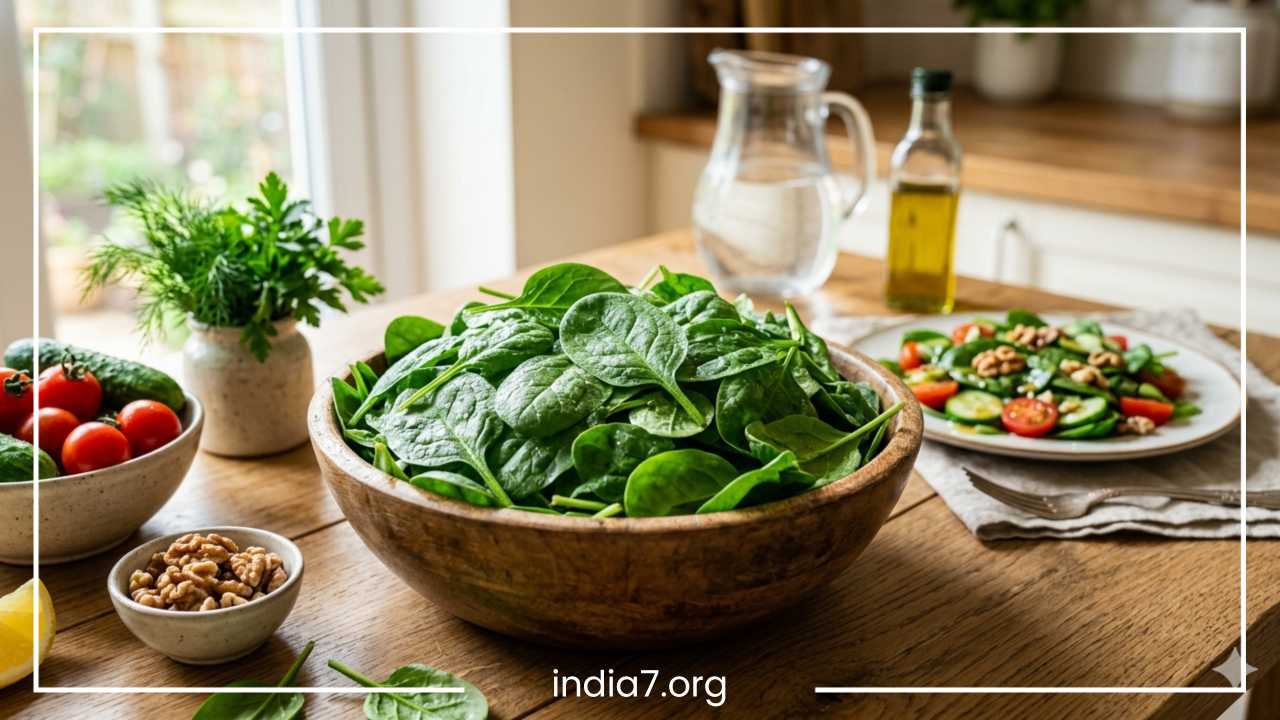
Spinach, scientifically known as Spinacia oleracea, stands as one of the most revered leafy green vegetables in the global culinary landscape. Recognized for its vibrant emerald hue and tender texture, it has transitioned from a regional specialty to a worldwide dietary staple. Its journey across different cultures is a testament to its resilience and the universal recognition of its nutritional value. Whether tucked into a rustic flatbread, blended into a contemporary green smoothie, or lightly sautéed with aromatic spices, spinach offers a unique combination of culinary flexibility and profound wellness support.
Historically, spinach has been a cornerstone of various traditional cuisines, prized for its ability to grow in diverse climates and its capacity to provide essential nourishment. In the modern era, it is frequently categorized as a “nutrient-dense” food. This term refers to the high ratio of essential vitamins, minerals, and phytonutrients relative to its caloric content. For individuals seeking to maximize their nutritional intake without significantly increasing their energy consumption, spinach represents an ideal choice. It provides a concentrated source of wellness-promoting compounds that are easily integrated into a wide array of recipes.
Read: How to Lose Stomach Fat: Strategies for a Flatter Stomach
The versatility of spinach is perhaps its greatest asset in a busy, modern world. It can be consumed raw in refreshing salads, where its mild, slightly metallic sweetness shines. When cooked, it shrinks in volume but intensifies in flavor, making it an excellent addition to warm dishes, sauces, and stews. Because it pairs so well with both savory and slightly sweet ingredients, it remains a go-to ingredient for home cooks and professional chefs alike. As we explore the depths of its nutritional profile and health benefits, it becomes clear why this humble leaf has earned its reputation as a powerhouse of vitality.
Nutritional Profile of Spinach
To understand why spinach is so highly regarded, one must look at its complex and impressive nutritional architecture. It is a biological warehouse of vitamins and minerals that are critical for the daily functioning of the human body. One of the most prominent components is Vitamin K, a fat-soluble vitamin that plays a foundational role in various physiological processes. Alongside this, spinach is rich in Vitamin A (in the form of carotenoids), which the body uses for maintaining various tissues, and Vitamin C, a powerful antioxidant known for its role in cellular health.
The mineral content of spinach is equally noteworthy. It is a significant source of iron, a mineral essential for the transport of oxygen throughout the bloodstream. It also provides calcium, which is vital for structural integrity within the body, and magnesium, a mineral involved in hundreds of biochemical reactions, including those related to nerve and muscle function. Potassium, another key mineral found in spinach, acts as an electrolyte, helping to manage fluid balance and support the electrical activity of the heart.
Read: How to Get Rid of Love Handles: Diet, Exercise & More
Beyond vitamins and minerals, spinach is an excellent source of dietary fiber. Fiber is the non-digestible part of plant foods that facilitates the movement of food through the digestive system and supports the growth of beneficial gut bacteria. Additionally, spinach contains a high concentration of antioxidants, specifically lutein and zeaxanthin. These compounds are plant pigments that help neutralize unstable molecules in the body, protecting cells from the wear and tear of daily life.
Two of the most practical aspects of spinach nutrition are its low calorie density and high water content. Because spinach is roughly 91% water, it is naturally hydrating and allows for large portions to be consumed with very little caloric impact. This makes it an exceptional tool for those looking to maintain a balanced intake of nutrients while feeling satisfied after a meal. In simple terms, eating spinach is an efficient way to flood the body with the “building blocks” of health without the heavy burden of excess fats or sugars.
Read: Belly Fat Diet & Lifestyle Tips
Health Benefits of Spinach
The consumption of spinach is linked to a multitude of health advantages that span across nearly every system in the body. By providing the raw materials necessary for cellular repair and metabolic function, spinach acts as a natural supporter of long-term wellness.
Supports Overall Immunity
A robust immune system is the body’s primary defense against environmental stressors and everyday challenges. Spinach contributes to this defense mechanism through its high concentration of Vitamin C and a variety of antioxidants. Vitamin C is known to support the production and function of white blood cells, which are the frontline soldiers of the immune system. Furthermore, the antioxidants found in these leafy greens help protect immune cells from oxidative damage, ensuring they can function at peak efficiency. By including spinach in a regular rotation of meals, individuals can provide their bodies with a steady supply of the micronutrients required to maintain a resilient and responsive immune barrier.
Promotes Healthy Digestion
Digestive wellness is the foundation of overall health, as it dictates how well we absorb nutrients from our food. Spinach is rich in insoluble fiber, which adds bulk to the stool and helps food pass more quickly through the stomach and intestines. This process is essential for maintaining regularity and preventing the discomfort associated with a sluggish digestive tract. The high water content in spinach also works in tandem with fiber to keep the digestive lining hydrated and functioning smoothly. A healthy gut is also home to a complex ecosystem of bacteria; the fiber in spinach serves as a food source for these beneficial microbes, promoting a balanced microbiome.
Supports Eye Health
In an age dominated by digital screens, eye health has become a paramount concern. Spinach is one of the best dietary sources of lutein and zeaxanthin. These are carotenoids that accumulate in the retina of the eye, where they act as a natural “sunscreen,” filtering out harmful blue light and protecting the delicate ocular tissues from oxidative stress. Regular intake of these pigments is associated with a reduction in the strain caused by prolonged exposure to electronic devices and environmental pollutants. Furthermore, the high Vitamin A content in spinach is crucial for maintaining the health of the cornea and ensuring clear vision in low-light conditions.
Helps Maintain Healthy Blood Function
The blood is the body’s internal transport system, carrying oxygen and nutrients to every cell. Spinach supports this system primarily through its iron and folate content. Iron is a key component of hemoglobin, the protein in red blood cells that binds to oxygen. Without sufficient iron, the body cannot produce enough healthy oxygen-carrying red blood cells, which can lead to feelings of lethargy and weakness. Folate, or Vitamin B9, is equally important as it aids in the formation of DNA and the production of new cells, including red blood cells. Together, these nutrients ensure that the circulatory system remains vibrant and capable of meeting the body’s metabolic demands.
Supports Bone Strength
While many people associate bone health exclusively with dairy products, leafy greens like spinach play a vital supporting role. Spinach provides a combination of Vitamin K and calcium. Vitamin K is essential for bone metabolism, as it acts as a modifier of bone matrix proteins, effectively “locking” calcium into the bone structure. This helps maintain the density and strength of the skeletal system throughout all stages of life. While spinach also contains oxalates, which can limit the absorption of some of its calcium, it remains a valuable contributor to a diverse intake of minerals that support skeletal integrity.
Promotes Heart and Circulatory Wellness
Cardiovascular wellness is heavily influenced by mineral balance and the health of the blood vessels. Spinach is an excellent source of potassium, a mineral that helps the body manage sodium levels. By easing the tension in the walls of the blood vessels, potassium helps maintain a healthy blood pressure balance. Furthermore, the antioxidants and naturally occurring nitrates in spinach support the health of the endothelium—the thin membrane lining the inside of the heart and blood vessels. Healthy endothelial function is crucial for proper blood flow and overall circulatory efficiency.
Helps Reduce Oxidative Stress
Every day, the body’s cells are exposed to oxidative stress, a process caused by free radicals—unstable molecules produced by normal metabolism and environmental factors like pollution. Over time, oxidative stress can lead to cellular damage. Spinach is packed with a variety of antioxidants, including kaempferol, quercetin, and alpha-lipoic acid. These compounds seek out and neutralize free radicals, thereby protecting the body’s internal structures. This general support for cellular integrity is a key component of long-term wellness and helps the body maintain its natural balance as the years progress.
Spinach and Weight Management
When discussing weight management, the focus should always be on sustainability, satiety, and nutrient density rather than restrictive habits. Spinach is an exceptional ally in this regard. Because it is incredibly low in calories—containing only about 23 calories per 100 grams—it allows individuals to consume large volumes of food without a high energy intake. This is often referred to as “volumetric eating,” a strategy that helps the brain and stomach feel satisfied through the physical presence of food.
The high fiber content in spinach plays a significant role in promoting fullness. Fiber slows down the rate of digestion, which means that energy is released more steadily into the bloodstream. This helps to prevent the sharp spikes and crashes in blood sugar that often lead to sudden hunger or cravings for sugary snacks. By including a large portion of spinach in a lunch or dinner, you are more likely to feel “full” for a longer period, naturally reducing the urge for unnecessary snacking between meals.
One of the best things about spinach is that it doesn’t require a radical change in eating patterns to be effective. It can be “hidden” or integrated into existing favorites. Adding a handful of leaves to a soup, folding them into a wrap, or blending them into a morning smoothie increases the nutritional value and volume of the meal without significantly altering the taste profile. This approach focuses on supporting healthy habits and satiety, making it much easier to maintain a balanced weight over the long term. It is about adding more of the “good stuff” rather than focusing on what to take away.
Spinach for Skin and Hair Health
The benefits of spinach are not just internal; they are often reflected in a person’s outward appearance. The skin and hair require a constant supply of specific vitamins and minerals to repair themselves and grow. Vitamin A, found in abundance in spinach, is essential for the production of sebum, the natural oil that keeps hair moisturized and skin supple. It also plays a role in the growth and repair of skin tissues.
Vitamin C is another critical nutrient for aesthetics, as it is a necessary co-factor in the synthesis of collagen. Collagen is the structural protein that gives skin its elasticity and strength. As we age, collagen production naturally slows down, so providing the body with the Vitamin C found in spinach can help support the skin’s natural resilience and glow. Furthermore, the iron in spinach ensures that hair follicles receive an adequate supply of oxygenated blood, which is vital for maintaining hair strength and preventing premature thinning. The array of antioxidants also helps protect the skin from the damaging effects of environmental exposure, helping to maintain a clear and healthy complexion.
How Spinach Supports Everyday Energy Levels
Many people experience mid-afternoon slumps or general fatigue, often linked to minor nutritional gaps. Spinach can help bridge these gaps, particularly through its iron and magnesium content. Iron is the vehicle that delivers oxygen to the brain and muscles. When oxygen delivery is optimal, physical activity feels less taxing and mental alertness is sharpened.
Magnesium, on the other hand, is essential for energy metabolism. It helps convert the food we eat into usable energy (ATP) that powers our cells. A deficiency in magnesium can often manifest as a feeling of tiredness or muscle cramps. By regularly consuming spinach, you provide your body with the minerals necessary to maintain a steady flow of energy throughout the day. This supports not only physical exercise but also the cognitive endurance needed for work and daily problem-solving.
Ways to Include Spinach in Daily Meals
The beauty of spinach lies in its simplicity. You do not need to be an expert chef to make it a part of your daily routine. Here are several practical ways to incorporate this leafy green into your meals:
-
Fresh Salads: Use baby spinach as a base for salads. Its mild flavor pairs perfectly with citrus dressings, toasted seeds, and various fruits like sliced pears or pomegranate seeds.
-
Light Sautéed Dishes: Briefly cook spinach in a pan with a little olive oil, garlic, and a pinch of salt. This makes for a quick and nutritious side dish that complements almost any main course.
-
Soups and Broths: Toss a handful of chopped spinach into a vegetable soup or lentil broth during the last few minutes of cooking. It wilts quickly and adds a burst of color and nutrition.
-
Smoothies: Blend fresh spinach with frozen bananas, a splash of water or a creamy yogurt-alternative, and a bit of ginger. The fruit masks the flavor of the spinach, making it an easy way to get a serving of greens in the morning.
-
Stuffed Flatbreads or Wraps: Finely chop spinach and mix it with traditional fillings for savory pancakes, flatbreads, or wraps. It adds moisture and texture to the dough or filling.
-
Blended Sauces or Dips: Puree cooked spinach with herbs and sunflower seeds to create a vibrant green sauce for pasta or a nutritious dip for crackers and vegetable sticks.
The key is to think of spinach as an “easy addition.” You don’t have to build a meal around it; you can simply include it in what you are already making.
Precautions and Considerations
While spinach is an incredible food, there are a few things to keep in mind to get the most benefit from it. Spinach contains oxalates, which are naturally occurring substances that can bind to calcium. For most people, this is not an issue, but individuals with a history of certain types of kidney stones may need to monitor their intake of high-oxalate foods. Lightly cooking or steaming spinach can help reduce the oxalate content significantly.
It is also important to wash spinach thoroughly. Because it grows close to the ground, the leaves can trap soil and grit. Even “pre-washed” varieties benefit from a quick rinse to ensure they are clean. For those with sensitive digestion, consuming large amounts of raw spinach might occasionally cause bloating due to its high fiber content. In such cases, opting for cooked spinach is a gentler way to enjoy its benefits. As with all foods, moderation and variety are the keys to a balanced approach to wellness.
Is Spinach Better Raw or Cooked?
A common question is whether it is better to eat spinach raw or cooked. The answer is that both methods offer unique advantages. Raw spinach preserves its high Vitamin C content, which can be sensitive to heat. It also provides a crisp texture and a fresh flavor profile.
On the other hand, cooked spinach allows the body to absorb certain nutrients more effectively. For example, the heat breaks down the cell walls of the leaves, making the antioxidants like lutein and the minerals like iron more “bioavailable” or easier for the body to use. Additionally, cooking reduces the volume of the leaves, allowing you to consume a much larger quantity of spinach—and therefore more nutrients—than you could eat raw. For the best results, include a mix of both raw and cooked spinach in your weekly menu.
Best Time to Eat Spinach
There is no “wrong” time to eat spinach, but certain times may offer specific perks. Eating spinach in the morning, such as in a smoothie or a breakfast wrap, can provide an early boost of iron and magnesium to set a positive tone for your energy levels throughout the day. Consuming it during lunch or dinner is excellent for weight management, as the fiber helps you feel full and prevents overeating later in the evening. Because it is light and easy to digest when cooked, it also makes for a wonderful addition to a late dinner.
Spinach Nutrition Facts per 100g
For those who appreciate the hard data, here is a breakdown of what approximately 100 grams of raw spinach provides:
-
Calories: 23
-
Water: 91%
-
Protein: 2.9 grams
-
Carbohydrates: 3.6 grams
-
Sugar: 0.4 grams
-
Fiber: 2.2 grams
-
Fat: 0.4 grams
-
Vitamin A: 188% of the Daily Value (DV)
-
Vitamin C: 47% of the DV
-
Vitamin K: 604% of the DV
-
Folate: 48% of the DV
-
Iron: 15% of the DV
-
Calcium: 10% of the DV
These figures highlight why spinach is often referred to as a “superfood.” The sheer volume of Vitamin K and Vitamin A in such a small caloric package is almost unparalleled among other common vegetables.
Final Thoughts
Spinach is far more than just a simple side dish; it is a foundational food for anyone interested in maintaining long-term health and vitality. From its ability to support the immune system and promote bone strength to its role in maintaining healthy skin and steady energy levels, its benefits are wide-ranging and scientifically backed. Its nutritional density makes it one of the most efficient foods available, providing a massive amount of “wellness value” for very little effort.
The beauty of spinach is that it is accessible, affordable, and incredibly easy to prepare. Whether you are adding it to a morning smoothie, a hearty soup, or a fresh salad, you are making a conscious choice to nourish your body with essential vitamins, minerals, and antioxidants. By incorporating this versatile green into your daily meals, you can enjoy a delicious way to support your body’s natural functions and move toward a more balanced, energetic, and healthy lifestyle. Embrace the vibrant green power of spinach and make it a permanent, evergreen part of your kitchen repertoire.