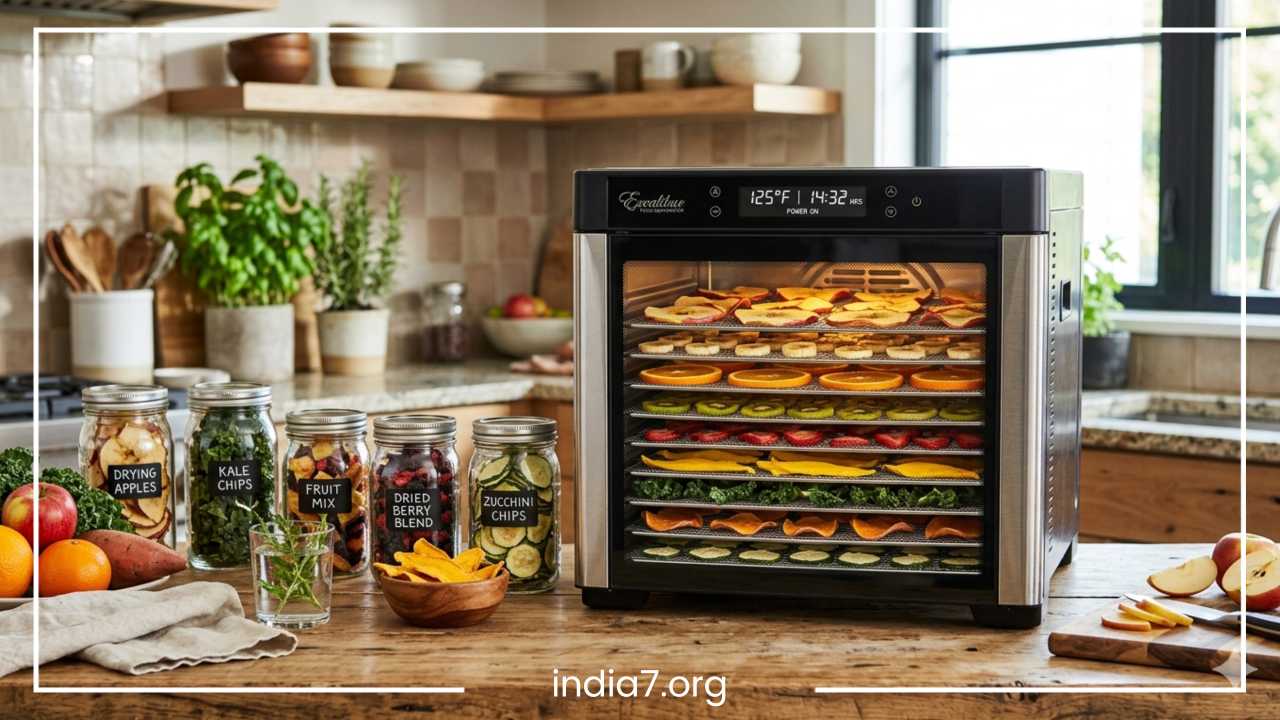
In an era where the focus on health, sustainability, and fiscal responsibility is more prominent than ever, the tools we use in our kitchens have taken center stage. Among these, the food dehydrator stands out as a versatile, efficient, and transformative appliance. While it might seem like a niche gadget reserved for avid hikers or gardening enthusiasts, the modern dehydrator is a powerhouse that offers significant advantages to almost any household. At its core, a food dehydrator is a device that uses low temperatures and consistent airflow to remove moisture from food. This simple process, known as dehydration, has been used for millennia by civilizations around the world, though modern technology has refined it into a precise science.
The importance of food preservation cannot be overstated. With rising grocery costs and a growing awareness of the environmental impact of food waste, finding ways to make fresh produce last longer is both a financial and ethical win. Dehydration effectively halts the growth of bacteria, yeast, and mold by removing the water they need to survive, resulting in shelf-stable products that retain their flavor and nutritional integrity.
Beyond mere preservation, the benefits of owning a dehydrator span several categories: improved health through better snack choices, significant cost savings, enhanced convenience for busy lifestyles, and a reduced carbon footprint. Whether you are looking to manage your weight more effectively, reduce your weekly trash, or simply enjoy the intense flavors of seasonal fruit year-round, a dehydrator offers a practical and rewarding solution. This article explores the multifaceted advantages of dehydration and why this appliance deserves a permanent spot on your kitchen counter.
What Is a Food Dehydrator and How Does It Work?
To appreciate the benefits of a dehydrator, it is helpful to understand the mechanics behind it. Dehydration is the process of removing moisture from food to a point where it is no longer susceptible to spoilage. Unlike an oven, which typically cooks food at high temperatures, a dehydrator operates at much lower temperatures—usually between 95°F and 160°F. This low-and-slow approach ensures that the food dries out without actually “cooking,” which helps preserve its enzyme content and raw nutritional profile.
The magic happens through a combination of three essential components: a heating element, a fan, and a series of trays. The heating element warms the air inside the unit to a specific, controlled temperature. The fan then circulates this warm air evenly across the trays where the food is laid out. This constant airflow whisks away the moisture as it evaporates from the surface of the food.
There are two primary styles of dehydrators available today:
Stackable Dehydrators: These usually feature round trays that stack on top of one another. The fan and heating element are often located at the bottom (vertical flow). These are generally more affordable and can be expanded by adding more trays, though they sometimes require tray rotation for even drying.
Shelf or Tray-Style Dehydrators: These resemble a small countertop oven with a door and removable trays that slide in and out like shelves. The fan is typically located at the back (horizontal flow), which ensures more uniform drying across all levels without the need to rotate trays manually.
Compared to traditional methods like sun-drying, which is dependent on weather conditions and carries a risk of contamination from insects or dust, a dedicated dehydrator provides a controlled, hygienic environment. Oven-drying is another alternative, but most household ovens cannot maintain the low, consistent temperatures required for true dehydration, often leading to food that is “case hardened”—dry on the outside but still moist on the inside.
One of the most compelling reasons to use a dehydrator is the superior nutritional quality of the resulting food. When food is canned or frozen, it often undergoes significant processing that can degrade its vitamin and mineral content. High-heat canning, in particular, can destroy heat-sensitive vitamins like Vitamin C and certain B vitamins. Dehydration, because it uses such low temperatures, is incredibly gentle on these nutrients.
When you dehydrate a piece of fruit or a vegetable, you are essentially concentrating its components. As the water leaves, the vitamins, minerals, and fibers remain behind in a more dense form. For example, a handful of dried apricots provides a more concentrated source of potassium and iron than a single fresh apricot. This makes dehydrated snacks a “nutrient-dense” choice, providing more goodness per gram than many other snack alternatives.
Furthermore, a dehydrator gives you total control over what goes into your body. Store-bought dried fruits are notoriously laden with additives. To maintain a bright color and extend shelf life, manufacturers often add sulfur dioxide, which can cause sensitivities in some people. Additionally, many commercial brands coat their dried fruits in refined sugars or fruit juice concentrates to make them sweeter, and some “veggie chips” are actually deep-fried and heavily salted.
By making your own snacks at home, you eliminate the need for:
Refined sugars and corn syrups.
Excessive sodium.
Artificial colorings and flavorings.
Chemical preservatives.
You are left with 100% pure food, allowing the natural sweetness and savory notes of the produce to shine through. For those focusing on clean eating, a dehydrator is an indispensable tool for maintaining a high-quality diet.
For many people, the biggest hurdle in maintaining a healthy lifestyle is the “snack trap.” When hunger strikes between meals, it is all too easy to reach for a bag of processed chips or a sugary granola bar. These items are often high in empty calories and low in satiety, leading to overeating. A dehydrator helps solve this problem by providing a steady supply of whole-food snacks that are both satisfying and nutritionally sound.
Dehydrated foods are excellent for weight management for several reasons. First, they encourage the consumption of whole fruits and vegetables. Instead of greasy potato chips, you can enjoy crisp kale chips or thinly sliced zucchini rounds seasoned with herbs. These options are naturally lower in calories and higher in fiber. Fiber is a crucial component of weight loss because it slows digestion and helps you feel full for longer periods, reducing the urge to graze.
Portion control also becomes much easier with dehydrated foods. Because the food is lightweight and compact, it is easy to pack into small, pre-measured containers for work or school. It provides the “crunch” that many people crave in a snack without the inflammatory oils found in fried products.
Replacing ultra-processed foods with home-dehydrated alternatives can lead to a significant reduction in caloric intake over time. Since the water is removed, the flavors are intensified, meaning a smaller portion can often satisfy a craving for something sweet or savory. This natural intensity helps retrain the palate to appreciate real food flavors rather than the artificial flavor enhancers found in industrial snack foods.
Extends Shelf Life of Foods
The primary historical purpose of dehydration was survival, and that benefit remains just as relevant today. Moisture is the enemy of food longevity; it is the medium through which bacteria and mold thrive. By removing approximately 80% to 95% of the water content, a dehydrator effectively puts the spoilage process on pause.
Properly dehydrated and stored foods can last anywhere from several months to several years. This is a game-changer for household management. When you have a surplus of produce—perhaps a bumper crop of tomatoes from a summer garden or a bulk purchase of berries that were on sale—a dehydrator ensures that none of it goes to waste.
This extended shelf life offers several practical advantages:
Seasonal Eating Year-Round: You can enjoy the taste of summer peaches in the middle of winter or use dried spring herbs in your autumn stews.
Emergency Preparedness: Having a pantry stocked with lightweight, shelf-stable, nutrient-dense food is an excellent way to ensure your family is prepared for power outages or other disruptions.
Reduced Grocery Frequency: When you have a stock of dried staples, you may find yourself needing fewer trips to the store for fresh produce that might otherwise spoil before you can use it.
By taking control of the preservation process, you move away from the “buy and burn” cycle of fresh produce and toward a more sustainable, long-term pantry strategy.
Reduces Food Waste
Food waste is a global crisis, with a significant portion of household waste consisting of perfectly edible produce that simply sat in the refrigerator too long. A dehydrator is one of the best tools available to combat this issue. It allows you to intervene right before food loses its peak freshness.
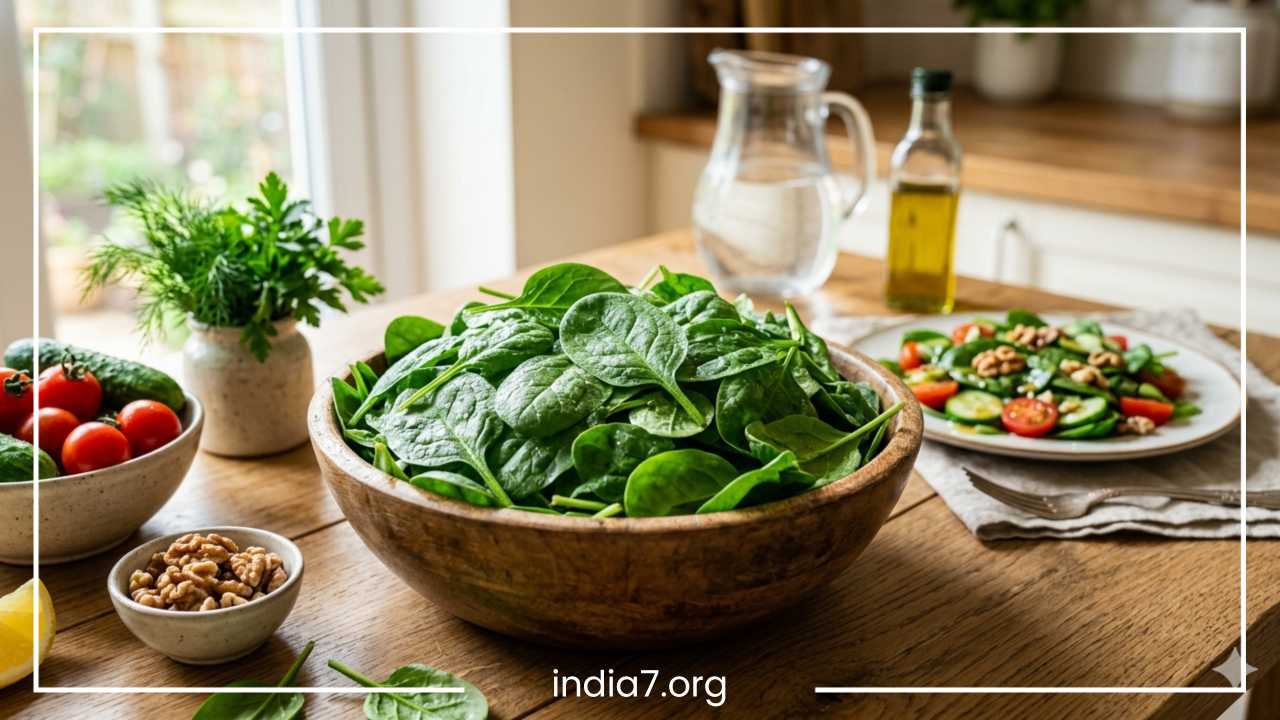
Have you ever looked at a bunch of bananas that have turned spotty or a bag of spinach that is starting to wilt? Usually, these items end up in the trash. With a dehydrator, those bananas can be sliced into sweet chips, and that spinach can be dried and ground into a nutritious green powder to be added to smoothies or soups.
Other ways a dehydrator reduces waste include:
Preserving Leftovers: If you have cooked too much of a grain-based dish or a hearty vegetable stew, some components can be dehydrated and rehydrated later for a quick meal.
Using “Ugly” Produce: Fruit that is bruised or oddly shaped is often rejected by consumers, but it dehydrates just as well as “perfect” produce.
Stem-to-Root Utilization: Many parts of vegetables that are usually discarded, like broccoli stalks or herb stems, can be dehydrated and pulverized into seasoning powders.
By adopting a “dehydrate rather than discard” mindset, the average household can significantly reduce its environmental footprint and make the most of every dollar spent at the market.
Cost Savings Over Time
While there is an initial investment required to purchase a high-quality dehydrator, the appliance typically pays for itself within the first year of regular use. The cost savings come from multiple directions.
The most obvious saving is in the price of the snacks themselves. If you look at the price per ounce of organic dried mango or kale chips at a specialty grocery store, the markup is staggering. You are paying for the processing, the packaging, the marketing, and the shipping. When you make these items at home, you are only paying for the raw produce.
Furthermore, a dehydrator allows you to take advantage of bulk pricing. You can buy a flat of strawberries at the height of their season when they are cheapest and most flavorful, then dehydrate them for pennies on the dollar compared to buying them out of season.
Consider these financial benefits:
Buying in Bulk: Purchasing large quantities of produce from farmers’ markets or wholesale clubs becomes viable because you have a way to preserve it.
Eliminating Pre-Packaged Snacks: Replacing expensive boxed crackers and fruit snacks with homemade versions saves a significant amount on the monthly grocery bill.
Saving the “Forgotten” Food: By dehydrating produce before it spoils, you are essentially saving money that would otherwise have been thrown in the garbage.
When viewed as a long-term investment in your kitchen infrastructure, a dehydrator is a fiscally responsible choice that promotes a more economical way of living.
Convenience and Portability
One of the most underrated benefits of dehydrated food is how perfectly it fits into a modern, mobile lifestyle. Fresh fruit is heavy, fragile, and prone to bruising in a bag. Dehydrated fruit, however, is lightweight, durable, and takes up a fraction of the space.
For people who travel frequently for work, or for students who need a quick energy boost between classes, dehydrated snacks are the ultimate convenience food. They don’t require refrigeration, so they can be kept in a desk drawer, a glove compartment, or a backpack for weeks without any issue.
This portability is also a major advantage for outdoor enthusiasts. Whether you are hiking, camping, or cycling, every ounce of weight in your pack matters. Dehydrated vegetables and fruits provide the necessary calories and nutrients without the water weight, making it possible to carry several days’ worth of food with minimal effort.
The convenience also extends to the kitchen. Having a jar of dried onions or peppers ready to go means you can skip the chopping and sautéing on a busy weeknight. Simply toss the dried vegetables into a simmering soup or sauce, and they will rehydrate as they cook, providing all the flavor of fresh produce with none of the prep time.
Versatility: What You Can Make with a Dehydrator
The versatility of a dehydrator is limited only by your imagination. While fruit is the most common starting point, the range of possibilities is vast. Because this appliance is strictly for plant-based and non-meat items in this context, we can focus on the incredible variety found in the world of fruits, vegetables, grains, and herbs.
Dried Fruits
This is the gateway for most dehydrator owners. You can create everything from chewy apple rings and crispy banana coins to succulent dried mango and tart berries. Fruit leathers, made by pureeing fruit and spreading it thin on a solid sheet, are a massive hit with children and a healthy alternative to gummy candies.
Vegetable Chips
For those who prefer savory snacks, the dehydrator turns vegetables into gourmet treats.
Kale Chips: Seasoned with lemon and nutritional yeast.
Sweet Potato Chips: Sliced thin and dried until crunchy.
Zucchini Rounds: A light, low-calorie alternative to crackers.
Beet Chips: Naturally sweet and earthy.
Herbs and Spices
If you grow your own herbs or buy them in large bunches, a dehydrator is the best way to preserve their aromatic oils. Dried basil, oregano, thyme, and rosemary from a dehydrator are far more potent than the dusty versions found in grocery store jars. You can also dry chili peppers to make your own crushed red pepper or chili powder.
Grains and Nuts
A dehydrator can be used to make homemade granola or “activated” nuts. By soaking nuts and then drying them at a low temperature, you can achieve a wonderful crunch while maintaining their nutritional profile. You can also dry sprouted grains to make your own sprouted flour.
Homemade Powders
One of the most advanced uses for a dehydrator is creating custom powders. You can dehydrate garlic, onions, or even tomato sauce and then grind the results into a fine powder. These are incredible for adding concentrated flavor to spice rubs, soups, and dressings without adding extra liquid.
Eco-Friendly and Sustainable Benefits
Using a food dehydrator aligns perfectly with a more sustainable and eco-conscious lifestyle. In a world of over-packaging, making your own food at home significantly reduces the amount of plastic and cardboard that enters the waste stream. Every bag of kale chips you make at home is one less plastic bag in the landfill.
The energy efficiency of a dehydrator is also worth noting. While it may run for several hours, it pulls very little power—often about the same as a few incandescent light bulbs. Compared to running a large electric oven for the same amount of time, a dehydrator is much more efficient at removing moisture because it is a small, enclosed space designed specifically for that purpose.
Furthermore, by preserving local, seasonal produce, you are reducing the “food miles” associated with your diet. Instead of buying berries shipped from thousands of miles away in the winter, you can eat the ones you dried from a local farm during the summer. This supports local agriculture and reduces the carbon emissions associated with long-distance food transport.
Finally, the reduction in food waste mentioned earlier has a direct environmental impact. When food rots in a landfill, it produces methane, a potent greenhouse gas. By dehydrating food instead of tossing it, you are actively participating in a more circular and responsible food system.
Easy to Use and Beginner-Friendly
One of the reasons many people hesitate to try food preservation is the perceived complexity. Fermenting or pressure canning can be intimidating for beginners because of the strict safety protocols required. Dehydration, by contrast, is one of the most forgiving and accessible ways to preserve food.
The process is remarkably simple:
Slice: Cut your produce into even pieces.
Arrange: Place them on the trays, ensuring they don’t overlap.
Set: Choose the appropriate temperature and time.
Wait: Let the machine do the work.
There is very little that can go wrong. If the food isn’t dry enough, you simply leave it in for a few more hours. Because you aren’t dealing with high pressures or complex chemical balances, it is a safe and low-stress way to get started with home food preservation. Most modern dehydrators come with clear guides on temperatures and times, making it a “set it and forget it” appliance that requires minimal supervision.
Tips for Getting Started with a Dehydrator
To get the most out of your new appliance, a few simple tips can ensure success from your very first batch.
Quality In, Quality Out: Dehydration concentrates flavors, but it won’t make bad food taste good. Use fresh, ripe produce for the best results.
Uniformity is Key: Use a mandoline slicer if possible to ensure all your slices are the same thickness. This ensures they all dry at the same rate.
The “Leathery” Test: Most fruits should be dried until they are leathery and no longer tacky to the touch. Vegetables should usually be dried until they are brittle or “snap.”
Cool Before Storing: Always let your food cool completely before putting it in a container. If you pack it while it’s still warm, it can create condensation, which will lead to spoilage.
Conditioning Fruit: For dried fruit, it is a good idea to “condition” it by putting it in a glass jar for a few days and shaking it. If you see any moisture on the glass, put it back in the dehydrator.
Airtight Storage: Store your finished products in airtight containers (glass jars work best) in a cool, dark place to maintain their color and flavor.
Starting with simple items like apple slices or bananas is a great way to build confidence before moving on to more complex projects like fruit leathers or vegetable powders.
Potential Drawbacks to Consider
To provide a balanced view, it is worth noting a few potential drawbacks of owning a dehydrator. For most, these are minor inconveniences compared to the benefits, but they are worth considering.
The first is the initial cost. A high-quality, reliable dehydrator can be an investment. While budget models exist, they may lack features like adjustable thermostats or timers which are crucial for consistent results. However, as discussed, the savings on groceries usually offset this cost over time.
The second factor is time. Dehydration is not an instant process. Depending on the water content of the food and the humidity in your home, it can take anywhere from 4 to 24 hours to finish a batch. This requires a bit of forward planning.
Lastly, there is the space requirement. Dehydrators can be somewhat bulky, especially the shelf-style models. You will need a dedicated spot on your counter or a place in a pantry to store it when not in use. Additionally, you need to ensure there is enough clearance around the machine while it is running so the air can circulate properly.
Conclusion
The food dehydrator is far more than a simple kitchen gadget; it is a gateway to a healthier, more sustainable, and more economical lifestyle. By harnessing the power of low heat and airflow, this appliance allows you to take full control of your food supply. From the nutritional benefits of raw, additive-free snacks to the significant reduction in household food waste, the advantages are clear.
For those looking to manage their weight, the dehydrator provides a constant supply of fiber-rich, satisfying alternatives to processed junk food. For the budget-conscious, it offers a way to stretch grocery dollars and capitalize on seasonal abundance. And for the environmentally minded, it offers a practical way to reduce plastic waste and lower one’s carbon footprint.
Whether you are an experienced cook or a complete kitchen novice, the ease of use and versatility of a dehydrator make it an invaluable addition to any home. By investing in this one tool, you are investing in your health, your wallet, and the planet. There has never been a better time to explore the art of dehydration and discover just how much flavor and nutrition can be packed into a single, concentrated bite.