How Can Sports Nutrition Benefit You in Your Sports?

How Sports Nutrition Benefits Performance, Recovery and Weight Management
The pursuit of physical excellence, whether you are a professional athlete or a weekend warrior, is often viewed through the lens of training intensity and sheer willpower. However, there is a silent partner in every successful fitness journey that dictates the ceiling of your potential: nutrition. Sports nutrition is the specialized study and practice of nutrition and diet as it relates to athletic performance. It is not a niche concept reserved only for elite marathoners or Olympic lifters; rather, it is a fundamental pillar of health for anyone who engages in regular physical activity.
At its core, sports nutrition is about understanding how the food we consume affects our body’s ability to move, recover, and adapt. When you align your eating habits with your physical goals, you unlock a level of performance that training alone cannot provide. It is the fuel that keeps the engine running and the raw material that repairs the vehicle after a long journey. By focusing on the right balance of nutrients, you can experience sustained energy levels, faster recovery times, and a more favorable body composition.
Read: How to Lose 20 Pounds in 30 Days
This article explores the multifaceted benefits of sports nutrition, breaking down complex concepts into practical, everyday advice. We will delve into how specific nutrients drive performance, the critical role of timing, and how a strategic approach to eating can support long-term wellness and weight management for a general audience. Whether your goal is to run a faster mile, stay energized during a yoga session, or simply feel better in your daily life, understanding the principles of sports nutrition is your first step toward success.
What Is Sports Nutrition?
To understand sports nutrition, one must first distinguish it from general nutrition. While general nutrition focuses on health maintenance, disease prevention, and providing the body with the basic requirements for daily living, sports nutrition takes those foundations and layers on specific requirements based on physical exertion. It is a more dynamic approach that considers the intensity, duration, and frequency of your activity.
The primary difference lies in the three pillars of sports nutrition: quantity, quality, and timing. In general nutrition, you might focus on getting enough vitamins throughout the day. In sports nutrition, you focus on getting the right amount of energy before a workout to prevent fatigue, and the right amount of repair nutrients afterward to ensure your muscles grow stronger. It is a proactive strategy rather than a passive one.
When we exercise, our body undergoes physiological stress. Our muscles use stored energy, our sweat glands release fluids and minerals to keep us cool, and our muscle fibers sustain microscopic tears. Sports nutrition provides the biological “tools” to manage these processes. The body uses carbohydrates for immediate and high-intensity fuel, fats for long-duration energy, and proteins for structural integrity.
The ultimate goal of a sports nutrition plan is to support the following:
-
Energy Production: Ensuring you have enough fuel to complete your sessions without hitting a “wall.”
-
Recovery: Speeding up the process of muscle repair so you can train again sooner.
-
Hydration: Maintaining fluid balance to protect organ function and temperature regulation.
-
Body Composition: Helping you achieve a healthy balance of muscle and fat that suits your specific physical goals.
Read: How to Get Rid of Belly Fat
Key Nutrients for Athletic Performance
The food we eat is made up of macronutrients and micronutrients, each playing a specialized role in how we perform. Understanding these categories is essential for building a diet that supports your active lifestyle.
Carbohydrates
Carbohydrates are the body’s preferred source of energy, especially during high-intensity exercise. When consumed, they are broken down into glucose, which circulates in the blood, or stored as glycogen in the muscles and liver. During a workout, your body taps into these glycogen stores to power your movements.
For endurance sports or high-intensity interval training, carbohydrates are non-negotiable. Without adequate intake, you may experience “bonking” or extreme fatigue, as your brain and muscles run out of their primary fuel. Excellent sources of carbohydrates include:
-
Whole Grains: Brown rice, oats, quinoa, and whole-wheat bread provide sustained energy release.
-
Starchy Vegetables: Potatoes and sweet potatoes are dense energy sources.
-
Fruits: Bananas, apples, and berries offer quick-digesting sugars and essential antioxidants.
-
Legumes: Lentils and beans provide a mix of carbohydrates and fiber for steady blood sugar levels.
Protein
While carbohydrates are for fuel, protein is for “building.” Protein is composed of amino acids, which are the building blocks of muscle tissue, enzymes, and hormones. When you exercise, you create small tears in your muscle fibers. Protein is what the body uses to “patch” these tears, making the muscle stronger than it was before.
It is a common misconception that only bodybuilders need high protein. Anyone who is active requires protein to maintain lean muscle mass and support metabolic health. For those avoiding meat and eggs, there are abundant high-quality sources:
-
Dairy Products: Milk, yogurt, and cottage cheese are rich in leucine, an amino acid that triggers muscle protein synthesis.
-
Legumes and Lentils: Chickpeas, kidney beans, and various dals are staples for recovery.
-
Soy-Based Foods: Tofu, tempeh, and edamame are complete proteins, meaning they contain all essential amino acids.
-
Seeds and Nuts: Pumpkin seeds, almonds, and walnuts provide protein along with healthy fats.
Healthy Fats
Fats have historically been misunderstood, but in sports nutrition, they are vital for long-term health and low-intensity endurance. Fats help the body absorb fat-soluble vitamins (A, D, E, and K) and play a key role in hormone production, including those that regulate growth and metabolism.
During long, low-intensity activities (like a steady walk or an easy hike), the body shifts from burning mostly carbohydrates to burning a higher percentage of fat. To support this, focus on unsaturated fats:
-
Nuts and Butters: Peanut butter, cashew butter, and walnuts.
-
Seeds: Chia seeds, flaxseeds, and sunflower seeds.
-
Plant Oils: Olive oil and avocado oil.
Vitamins & Minerals
Micronutrients do not provide energy directly, but they are the “spark plugs” that allow the body to convert food into energy.
-
Iron: Essential for transporting oxygen in the blood to working muscles. Sources include spinach and lentils.
-
Calcium and Vitamin D: Critical for bone health and muscle contractions. Found in fortified dairy and leafy greens.
-
Magnesium: Helps with muscle relaxation and prevents cramping. Found in pumpkin seeds and dark chocolate.
Read: How to Lose Belly Fat Fast
How Sports Nutrition Improves Performance
The most immediate benefit of adopting a sports nutrition strategy is the noticeable shift in how your body feels during activity. Good nutrition acts as a performance enhancer that is both natural and sustainable.
Sustained Energy Levels
Have you ever started a workout feeling great, only to feel your energy plummet halfway through? This is often a result of poor blood sugar management or depleted glycogen stores. By consuming the right balance of complex carbohydrates and fiber before activity, you provide your body with a slow-release energy source. This prevents the “spike and crash” cycle, allowing you to maintain a consistent level of effort from the start of your session to the end.
Better Focus and Coordination
The brain is the most energy-demanding organ in the body, and it runs almost exclusively on glucose. Physical performance isn’t just about muscles; it’s about the nervous system and cognitive focus. When you are well-nourished, your reaction times are faster, and your coordination is sharper. This is particularly important in sports that require technical skills, such as tennis, basketball, or even navigating a complex trail while running.
Delayed Fatigue
Fatigue is the body’s way of saying it can no longer maintain the current level of output. While training improves your threshold for fatigue, nutrition can delay its onset. By staying hydrated and ensuring your mineral levels (electrolytes) are balanced, you prevent the premature “burning” sensation in muscles and the mental fog that often accompanies exhaustion.
Consistency in Training
The best way to see results in any sport is through consistency. However, you cannot be consistent if you are constantly too tired to train or if you are sidelined by minor injuries. Sports nutrition supports the immune system and bone density, reducing the risk of illness and stress fractures. When you feel good every day, you are more likely to stick to your routine, leading to better long-term results.
The Role of Nutrition in Recovery
The time you spend away from your sport is just as important as the time you spend practicing it. Recovery is where the actual “progress” happens. During exercise, you are breaking the body down; during recovery, you are building it back up.
Muscle Repair and Growth
Immediately following a workout, your muscles are in a state of heightened sensitivity to nutrients. Consuming protein during this “recovery window” provides the amino acids necessary to repair the structural damage caused by exercise. This process, known as muscle protein synthesis, is what leads to increased strength and improved muscle tone over time.
Replenishing Energy Stores
If you have a high-active lifestyle and train multiple days a week, your glycogen stores need to be replenished after every session. If you skip post-workout carbohydrates, you will likely start your next session already in a deficit, leading to a “heavy” feeling in your limbs and reduced power output.
Reducing Soreness
Proper nutrition can actually mitigate the effects of Delayed Onset Muscle Soreness (DOMS). Nutrients with anti-inflammatory properties, such as those found in colorful fruits and healthy fats, help clear out the metabolic waste products that accumulate during exercise. This means less stiffness the day after a hard session.
The Ideal Recovery Meal
A simple rule of thumb for recovery is to combine a source of protein with a source of carbohydrates within 60 to 90 minutes of finishing your activity.
-
Example 1: A bowl of Greek yogurt with berries and a sprinkle of granola.
-
Example 2: A stir-fry with tofu, plenty of vegetables, and a serving of brown rice.
-
Example 3: A smoothie made with milk, a banana, and a tablespoon of almond butter.
Hydration: The Overlooked Factor
You can have the perfect meal plan, but if you are dehydrated, your performance will suffer. Water is essential for almost every chemical reaction in the human body. For athletes, it is particularly critical for temperature regulation and joint lubrication.
The Dangers of Dehydration
Even a small loss of body weight through sweat (as little as 2%) can lead to a significant decline in physical and mental performance. Symptoms of dehydration include:
-
Increased heart rate as the blood becomes thicker and harder to pump.
-
Muscle cramps and spasms.
-
Dizziness and loss of balance.
-
Early onset of fatigue.
Tips for Staying Hydrated
Hydration is not just about drinking water when you feel thirsty; thirst is actually a late-stage signal that you are already dehydrated.
-
Pre-Hydrate: Drink about 500ml of water in the two hours leading up to your activity.
-
Sip During Activity: If your session lasts longer than 45 minutes, aim for small, frequent sips rather than gulping a large amount at once.
-
Replenish Electrolytes: For intense or very sweaty sessions, water alone might not be enough. Your body also loses sodium, potassium, and magnesium through sweat. You can find these in coconut water or by adding a pinch of salt and a squeeze of lemon to your water.
-
Monitor Your Progress: A simple way to check your hydration is the color of your urine. A light, pale straw color is ideal.
Nutrition Timing: When You Eat Matters
In sports nutrition, the “when” is often as important as the “what.” Strategic timing helps you maximize energy during your sport and maximize repair afterward.
Pre-Workout Meals
The goal of the pre-workout meal is to top off your energy stores without causing digestive distress.
-
Timing: Eat a full meal 2 to 3 hours before exercise. If you are eating 30 to 60 minutes before, choose a small snack.
-
Focus: High carbohydrates, moderate protein, and low fiber/fat (to avoid stomach upset).
-
Choices: A piece of fruit, a slice of toast with honey, or a small bowl of cereal.
During Activity
Most people do not need to eat during a workout if it lasts less than an hour. However, for sessions exceeding 90 minutes (like a long bike ride or a hike), consuming small amounts of quick-digesting carbohydrates can help maintain blood glucose levels.
Post-Workout
As discussed in the recovery section, the focus here is repair and replenishment. This is the time when your body is most efficient at absorbing nutrients. Even if you don’t feel hungry immediately after exercise, try to have a small liquid snack like a glass of milk or a protein shake to kickstart the recovery process.
Sports Nutrition for Weight Management
Many people engage in sports or exercise with the goal of weight loss. While the “calories in vs. calories out” formula is a basic truth, sports nutrition provides a more sophisticated and sustainable way to manage weight for the general audience.
Supporting Fat Loss While Protecting Muscle
When people try to lose weight by simply eating less, they often lose muscle mass along with fat. This is counterproductive because muscle is metabolically active—it helps you burn more calories even at rest. Sports nutrition emphasizes keeping protein intake high while moderately reducing calories, ensuring that the weight lost comes primarily from fat stores.
Avoiding the “Starvation” Trap
Skipping meals or severely restricting calories before a workout is a common mistake. This leads to poor performance and often causes intense hunger later in the day, leading to overeating. A better approach is to fuel your workouts properly so you can burn more calories through high-quality movement, and then manage your portions during your non-active hours.
Sustainable Habits Over Extremes
Weight management is a long-term journey. Sports nutrition encourages balanced meals that include all food groups. Instead of following restrictive trends that label certain foods as “bad,” focus on:
-
Portion Control: Using smaller plates or measuring calorie-dense foods like oils and nuts.
-
Consistent Eating Patterns: Eating at regular intervals to keep metabolism steady and prevent blood sugar drops.
-
Mindful Eating: Paying attention to hunger and fullness cues rather than eating out of boredom or stress.
By viewing food as fuel for your favorite activities, you develop a positive relationship with eating. Instead of seeing a meal as something that “hinders” weight loss, you see it as the energy that allows you to be active and healthy.
Common Mistakes in Sports Nutrition
Even with the best intentions, it is easy to fall into certain traps. Recognizing these common errors can help you stay on track.
Not Eating Enough
This is the most frequent mistake made by active individuals. If you are training hard but not eating enough to cover your energy expenditure, your body will enter a state of “low energy availability.” This can lead to hormonal imbalances, bone density loss, and chronic fatigue. Ensure your intake matches your output.
Over-Reliance on Supplements
The supplement industry is massive, but as the name suggests, these products are meant to supplement a diet, not replace it. No powder or pill can make up for a lack of whole foods, sleep, and proper hydration. Focus on your “food first” strategy before looking at supplements.
Ignoring Hydration
Many people focus so much on their macros (protein, carbs, fats) that they forget the most basic nutrient of all: water. As discussed, even mild dehydration can negate all the hard work you put into your meal planning.
Following Trends Blindly
What works for a professional endurance runner might not work for someone doing heavy weightlifting or a beginner starting a walking program. Avoid “copy-pasting” diets from the internet. Instead, listen to how your body responds to different foods and adjust accordingly.
Poor Meal Timing
Eating a heavy, high-fat meal right before a run is a recipe for stomach cramps and sluggishness. Similarly, waiting five hours after a workout to eat can stall your recovery. Respect the timing of your body’s needs.
Practical Tips for Everyday Athletes
You don’t need a degree in biochemistry to benefit from sports nutrition. Small, practical changes can yield big results.
-
Plan Ahead: Spend a few minutes on Sunday planning your meals for the week. Knowing what you will eat after a workout prevents you from reaching for less nutritious “convenience” foods.
-
Keep Snacks Ready: Have a stash of almonds, dried fruit, or roasted chickpeas in your bag. These are great for pre-workout energy or post-workout hunger.
-
Stay Consistent: It is better to have a “good” diet consistently than a “perfect” diet for three days followed by a binge. Aim for the 80/20 rule: 80% whole, nutritious foods, and 20% for your favorite treats.
-
Listen to Your Body: If you feel unusually tired or sore, it might be a sign you need more carbohydrates or more rest. Your body provides constant feedback; make sure you’re listening.
-
Adjust for Your Activity: On days when you are very active, you need more food. On rest days, you can scale back slightly on carbohydrates while keeping protein steady.
Sample Daily Eating Pattern
To give you an idea of how this looks in practice, here is a balanced day of eating that supports an active lifestyle.
-
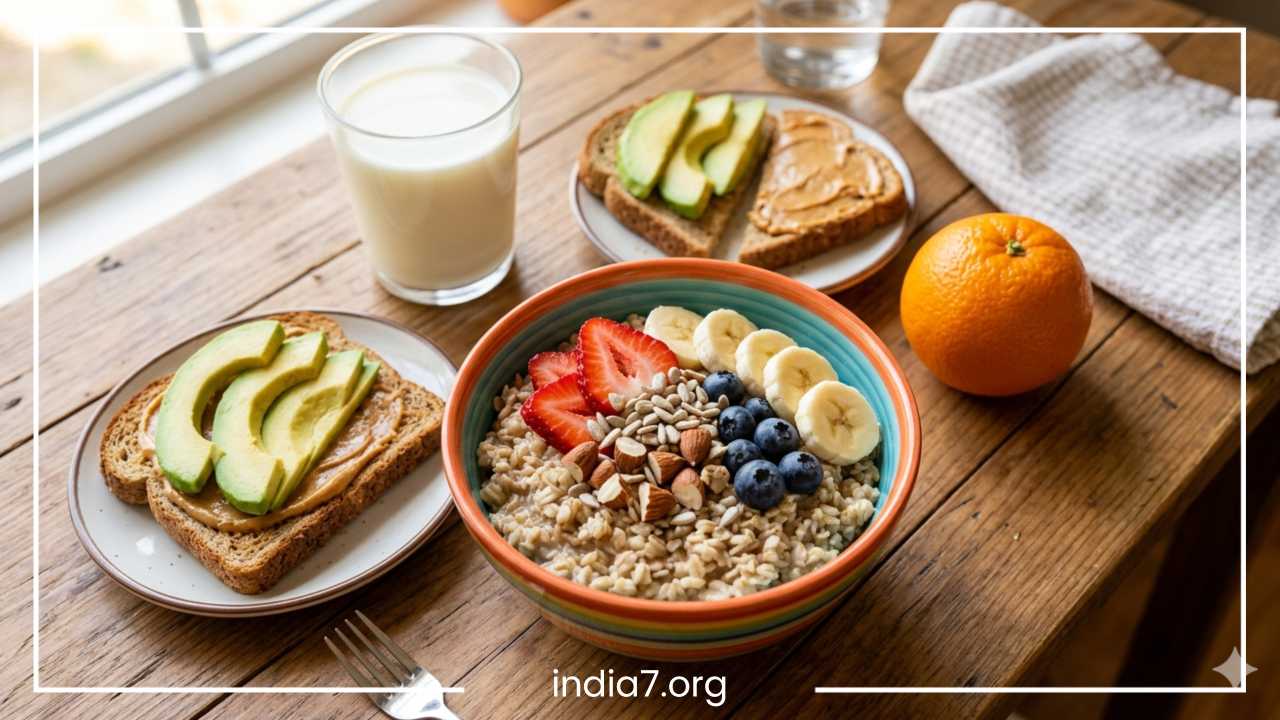
Breakfast: A bowl of oatmeal made with milk or a soy alternative, topped with sliced banana, a handful of walnuts, and a dash of cinnamon. This provides complex carbs and healthy fats for a morning energy boost.
-
Mid-Morning Snack (Pre-Workout): An apple or a slice of whole-grain toast with a small amount of almond butter.
-
Post-Workout Lunch: A large bowl of lentil soup or dal with a side of brown rice and a fresh spinach salad. This replenishes glycogen and provides protein for muscle repair.
-
Afternoon Snack: A cup of Greek yogurt or a handful of roasted makhana (fox nuts).
-
Dinner: Stir-fried tofu with broccoli, bell peppers, and carrots, served over quinoa or rice noodles. This meal is light enough for good sleep but nutrient-dense enough to continue the recovery process.
-
Hydration: Water throughout the day, with a glass of coconut water during or after your main physical activity.
Final Thoughts
Sports nutrition is a powerful tool that transforms the way you approach your physical goals. It moves the conversation away from “restriction” and toward “empowerment.” By viewing food as a strategic ally, you can improve every aspect of your performance, from the energy you bring to your sport to the speed at which you recover from it.
The benefits are clear: sustained energy, better mental focus, reduced risk of injury, and an easier path to weight management. However, the most important thing to remember is that nutrition is a personal journey. There is no one-size-fits-all solution because every body is unique and every sport has different demands.
Start by making small, consistent changes. Focus on staying hydrated, timing your meals around your activity, and prioritizing high-quality sources of carbohydrates, protein, and fats. Over time, these habits will become second nature, and you will find yourself not just performing better in your sport, but feeling stronger and more energized in every part of your life. Your body is an incredible machine; give it the high-quality fuel it deserves, and it will take you further than you ever thought possible.