Nutritional Tips For A Healthy Diet
Nutritional Tips for a Healthy Diet: Simple Guide for Better Health & Weight Loss
Why Nutrition Matters
The foundation of a vibrant, energetic life is built upon the food we consume every day. Nutrition is far more than just a means to satisfy hunger; it is the fundamental fuel that powers every cellular process in the body. From the way our brain processes information to the efficiency of our immune system and the strength of our muscles, everything is dictated by the quality of nutrients we provide ourselves. In an era where convenience often trumps quality, understanding the core principles of a healthy diet has never been more critical.
A well-balanced diet is the primary defense against chronic illnesses and a key contributor to mental well-being. When we nourish our bodies correctly, we notice an immediate shift in our energy levels, mood stability, and cognitive clarity. Furthermore, nutrition plays a central role in weight management. While many approach weight loss through the lens of restriction and deprivation, the most successful and sustainable results come from a place of abundance—focusing on nutrient-dense foods that satisfy the body’s needs.
Read: Yoga for Weight Loss: Transform Your Body & Mind
This article serves as a comprehensive guide to navigating the world of nutrition. We will move away from “fad” diets and extreme measures, focusing instead on simple, sustainable habits that can be integrated into any lifestyle. Whether your goal is to lose weight, gain energy, or simply ensure you are living your healthiest life, the following principles of balanced eating and mindful habits will provide the roadmap you need for long-term success.
Understanding the Basics of Nutrition
To make informed decisions about what to eat, it is essential to understand the basic components of food. Nutrients are generally divided into two categories: macronutrients and micronutrients.
Macronutrients
Macronutrients are the nutrients the body needs in large amounts to function. These include carbohydrates, proteins, and fats.
-
Carbohydrates: These are the body’s preferred source of energy. When consumed, they are broken down into glucose, which fuels our brain and muscles. Choosing complex carbohydrates like whole grains ensures a steady release of energy rather than the “spikes and crashes” associated with refined sugars.
-
Proteins: Often called the building blocks of the body, proteins are essential for the repair and growth of tissues. They play a vital role in hormone production and immune function. Even in a general diet, ensuring adequate protein is key to maintaining muscle mass and feeling full after meals.
-
Fats: Dietary fats are necessary for brain health, the absorption of certain vitamins (A, D, E, and K), and the production of hormones. The focus should be on unsaturated fats, which support heart health, rather than trans fats found in many processed snacks.
Micronutrients
Micronutrients consist of vitamins and minerals. While the body needs them in smaller quantities compared to macronutrients, their impact is massive. They act as catalysts for chemical reactions, support bone density, facilitate oxygen transport in the blood, and protect cells from oxidative stress. A colorful plate is usually the best indicator that you are receiving a wide spectrum of these essential elements.
Fiber and Water
Fiber is a type of carbohydrate that the body cannot digest. Instead of being absorbed, it passes through the digestive system, promoting regularity and helping to regulate blood sugar. Water, the most overlooked nutrient, is vital for every single bodily function. It aids digestion, transports nutrients, and regulates body temperature. Staying hydrated is often the simplest yet most effective way to improve overall health and manage appetite.
Read: Why Extreme Weight Loss Doesn’t Work (and What Actually Does)
Building a Balanced Plate
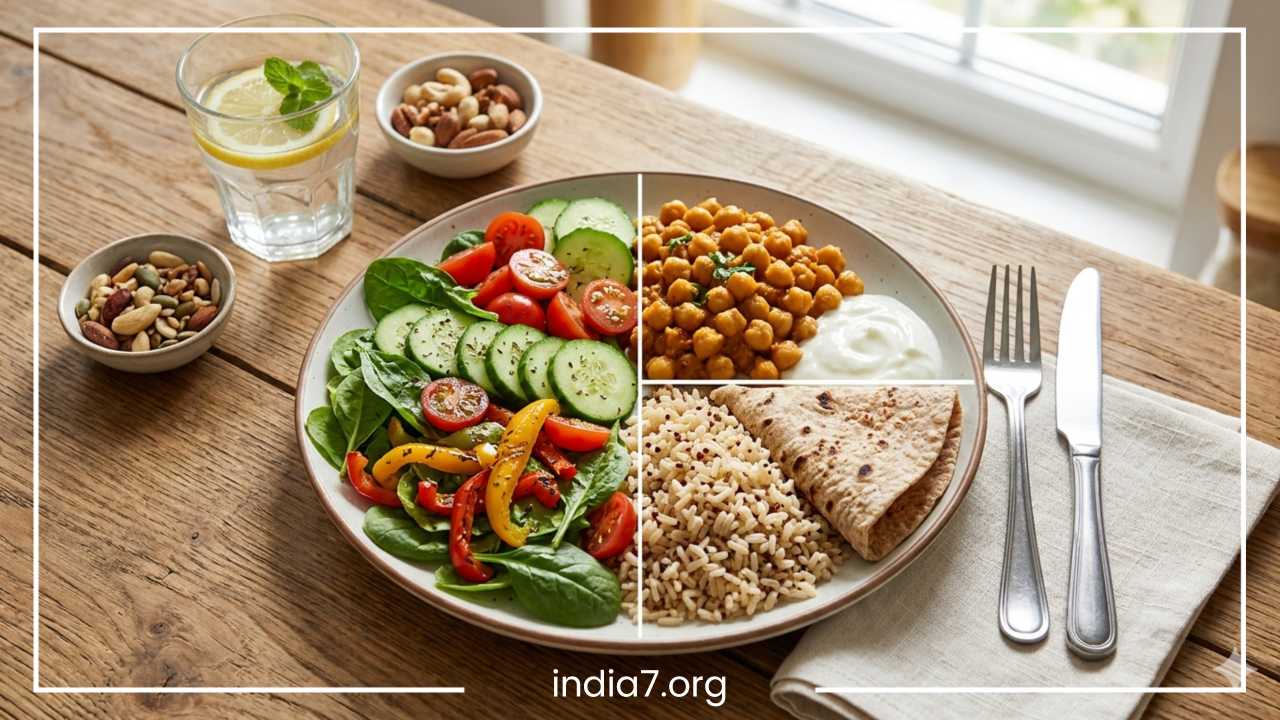
One of the most effective ways to ensure you are getting the right mix of nutrients without counting every calorie is the “Plate Method.” This visual tool helps you portion your meals to maximize nutrition and satiety.
Ideal Meal Composition
A balanced plate should generally follow these proportions:
-
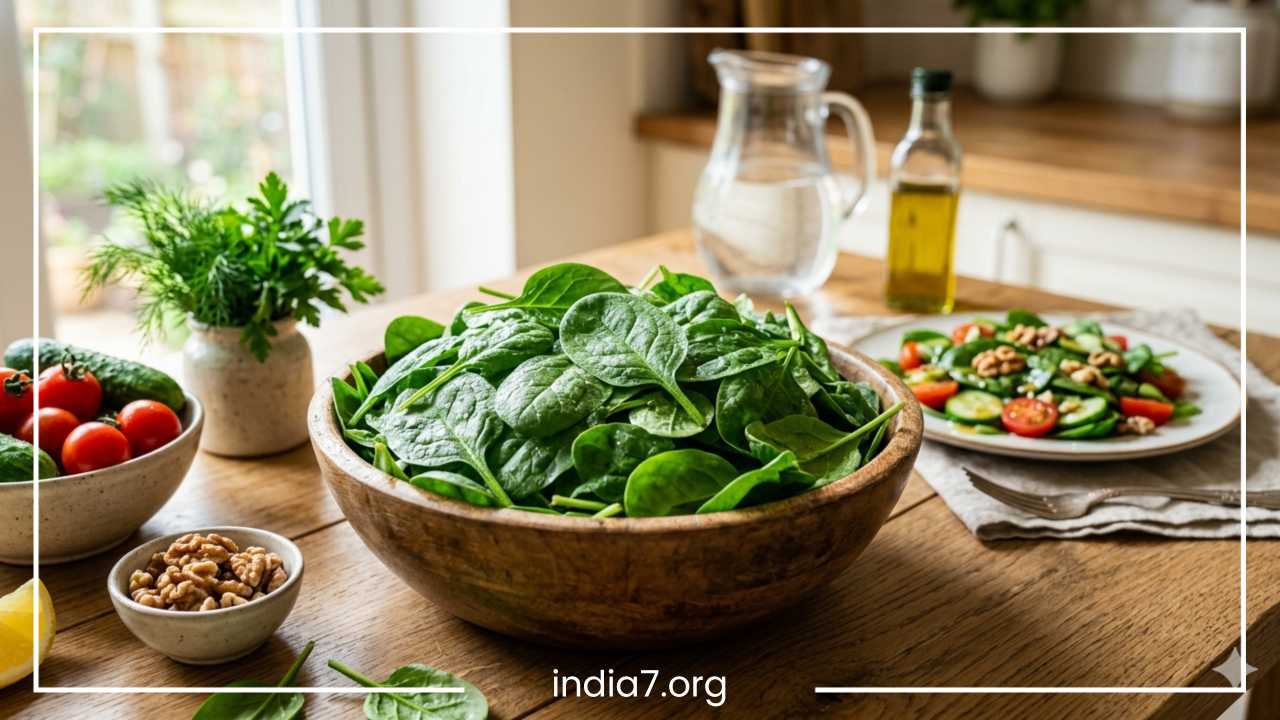
Half of the Plate: Vegetables. Focus on a variety of colors and textures. Leafy greens, cruciferous vegetables like broccoli, and colorful peppers should take up the most space. They are high in volume and nutrients but low in calories.
-
One-Quarter of the Plate: Whole Grains. Options such as brown rice, whole-wheat roti, oats, quinoa, or millets provide sustained energy and essential fiber.
-
One-Quarter of the Plate: Protein. Focus on sources like lentils (dal), beans (rajma, chickpeas), dairy products (yogurt, paneer), or nuts and seeds. These help in tissue repair and keep hunger at bay.
Portion Balance Over Restriction
Rather than strictly weighing food, focusing on these ratios naturally leads to better calorie management. When you fill half your plate with vegetables, you are automatically reducing the caloric density of the meal while increasing the nutrient density. This allows you to eat a satisfying volume of food while supporting weight loss or maintenance goals.
Read: Fasting for Weight Loss: Benefits, Methods & What to Know
Smart Eating Habits
How you eat is often just as important as what you eat. Developing healthy habits around the act of consumption can significantly impact how your body processes food and how many calories you ultimately ingest.
Regular Intervals
Eating at regular times throughout the day helps keep blood sugar levels stable. When we skip meals, our blood sugar drops, often leading to intense cravings for high-sugar or high-fat foods later in the day. By providing the body with consistent fuel, you reduce the likelihood of “emergency” snacking.
Mindful Eating
In our fast-paced world, many of us eat while distracted by phones, television, or work. This leads to mindless consumption, where the brain does not register the signals of fullness until we are uncomfortably stuffed.
-
Eat Slowly: It takes about 20 minutes for the brain to receive signals from the stomach that it is full. Chewing thoroughly and pausing between bites allows this communication to happen.
-
Recognize Hunger vs. Cravings: Before reaching for a snack, ask yourself if you are truly hungry (physical sensation in the stomach) or if you are bored, stressed, or thirsty.
-
Reduce Distractions: Make mealtime a dedicated activity. Focus on the flavor, texture, and aroma of your food. This increases satisfaction and prevents overeating.
Choosing Whole Foods Over Processed Foods
The modern food environment is filled with ultra-processed options designed to be “hyper-palatable”—meaning they are engineered to make you want to keep eating them.
Defining Processed Foods
Processed foods are those that have been significantly altered from their natural state, often containing added sugars, unhealthy fats, and high levels of sodium. These include packaged chips, sugary cereals, and instant noodles. Because these foods are often stripped of fiber and protein, they digest quickly, leaving you hungry shortly after eating.
The Benefits of Whole Foods
Whole foods—such as fresh fruits, vegetables, whole grains, and legumes—remain close to their natural form. They contain the full package of fiber, vitamins, and minerals that nature intended.
-
Simple Swap: Packaged Snacks for Fruits and Nuts. Instead of a bag of chips, a handful of almonds and an apple provide healthy fats, fiber, and vitamins that keep you energized.
-
Simple Swap: Sugary Drinks for Water or Herbal Tea. Liquid calories are one of the biggest contributors to weight gain because they don’t trigger the same “fullness” signals as solid food.
Portion Control and Calorie Awareness
While the quality of food is paramount, the quantity still matters, especially for weight management. Understanding portion sizes can prevent “health food” from contributing to weight gain.
Why Portions Matter
Even nutritious foods like nuts, oils, and grains are calorie-dense. It is easy to consume twice the recommended serving size without realizing it. For example, a “serving” of peanut butter is only two tablespoons, which can look surprisingly small on a plate.
Practical Tips for Control
-
Use Smaller Plates: This is a psychological trick that works. A smaller plate looks full with less food, tricking the brain into feeling more satisfied.
-
Wait Before Seconds: If you feel like you want a second helping, wait ten minutes. Often, the feeling of hunger will dissipate as the first serving begins to digest.
-
Be Mindful of Hidden Calories: Dressings, sauces, and cooking oils can add hundreds of calories to an otherwise healthy meal. Measure these rather than pouring them freely.
Healthy Snacking Strategies
Snacking is not inherently bad; in fact, it can be a helpful tool to prevent overeating at main meals. The key is to choose snacks that provide nutritional value rather than empty calories.
The Power of Protein and Fiber
The best snacks combine a source of protein with fiber. This combination slows digestion and provides a steady stream of energy.
-
Yogurt with Berries: Provides protein and antioxidants.
-
Roasted Legumes: Roasted chickpeas or makhana (fox nuts) are crunchy, satisfying, and high in fiber.
-
Nuts and Seeds: A small handful of walnuts, almonds, or pumpkin seeds offers healthy fats and minerals.
-
Sliced Vegetables with Hummus: A great way to increase vegetable intake while getting protein from the chickpeas in the hummus.
By planning your snacks, you avoid the temptation of the office vending machine or the convenience store shelf.
Hydration and Its Role in Weight Management
Water is the most fundamental component of a healthy diet. Every chemical reaction in your body, including the breakdown of fat for energy, requires water.
Appetite Control
Often, the brain confuses the signal for thirst with the signal for hunger. Many people eat when they are actually just mildly dehydrated. Drinking a glass of water before a meal can help you feel more satisfied and prevent overconsumption.
Signs of Dehydration
If you wait until you are parched, you are already dehydrated. Other signs include dark-colored urine, fatigue, and difficulty concentrating. Aim to drink consistently throughout the day. If plain water feels boring, try infusing it with slices of lemon, cucumber, or mint to make it more palatable without adding sugar.
Reducing Sugar and Refined Carbohydrates
Excessive sugar consumption is one of the leading drivers of weight gain and metabolic issues. Refined carbohydrates, like white bread and white rice, act similarly to sugar in the body because they lack fiber and are broken down very quickly.
The Impact of Sugar
When we consume high amounts of sugar, the body releases a surge of insulin to manage the glucose. This can lead to energy crashes, leaving you feeling tired and craving even more sugar. Over time, high sugar intake can lead to insulin resistance.
Identifying Hidden Sugars
Sugar hides in unexpected places, such as salad dressings, flavored yogurts, bread, and “healthy” granola bars. Reading food labels is the only way to truly know what you are consuming. Look for ingredients ending in “-ose” (like fructose or maltose) or terms like corn syrup and nectar. For a healthier alternative, rely on the natural sweetness of whole fruits, which come packaged with the fiber needed to slow down sugar absorption.
The Role of Fiber in a Healthy Diet
Fiber is the “secret weapon” for both digestive health and weight loss. Because fiber cannot be digested, it adds bulk to your diet without adding calories.
Satiety and Gut Health
Fiber slows down the rate at which food leaves your stomach, which keeps you feeling full for a longer period. Furthermore, certain types of fiber act as prebiotics, feeding the beneficial bacteria in your gut. A healthy gut microbiome is linked to better immunity and even improved mood.
Best Sources of Fiber
-
Whole Grains: Brown rice, whole-wheat bread, and oats.
-
Legumes: Lentils, black beans, and kidney beans are incredibly fiber-dense.
-
Fruits and Vegetables: Berries, pears, broccoli, and carrots are excellent choices.
Aim to gradually increase your fiber intake to avoid digestive discomfort, and always pair increased fiber with plenty of water.
Protein Intake for Satiety and Strength
Protein is often misunderstood as something only athletes need to worry about. In reality, protein is vital for everyone, particularly those looking to manage their weight.
Metabolism and Hunger
Protein has a higher “thermic effect” than carbohydrates or fats, meaning your body burns more calories simply trying to digest it. More importantly, protein is the most satiating macronutrient. It suppresses the hunger hormone ghrelin and stimulates hormones that make you feel full.
Everyday Sources
You don’t need meat to get high-quality protein. Focus on:
-
Lentils and Beans: A staple in many cultures that provides a massive protein boost along with fiber.
-
Dairy: Greek yogurt, paneer, and milk are excellent sources of calcium and protein.
-
Nuts and Seeds: Chia seeds, hemp seeds, and almonds are great for adding protein to breakfasts or snacks.
Healthy Cooking Methods
The way you prepare your food can drastically change its nutritional profile. A healthy vegetable can become a high-calorie burden if it is deep-fried.
Better Alternatives
-
Steaming and Boiling: These methods preserve the most nutrients in vegetables without adding any fat.
-
Sautéing: Use a small amount of healthy oil (like olive or cold-pressed oils) to cook food quickly over medium heat.
-
Roasting or Grilling: These methods enhance the natural flavors of vegetables and proteins through caramelization without requiring excessive oil.
Oil Control
While healthy fats are necessary, oil is pure fat and very calorie-dense. Instead of pouring oil directly from the bottle, use a measuring spoon or a spray bottle to ensure you are using only what is necessary for the cooking process.
Meal Planning and Consistency
The biggest obstacle to a healthy diet is often a lack of preparation. When you are tired after a long day and there is nothing ready to eat, you are far more likely to order takeout or reach for processed convenience foods.
Benefits of Planning
Meal planning doesn’t have to be complicated. Simply deciding what you will eat for the next two or three days can reduce decision fatigue.
-
Batch Cook: Prepare large quantities of grains or lentils at the beginning of the week. These can be used as bases for different meals.
-
Pre-cut Vegetables: Having washed and chopped vegetables in the fridge makes it much easier to toss together a quick salad or stir-fry.
-
Stock Your Pantry: Keep staples like dried beans, whole grains, and nuts on hand so you always have the ingredients for a healthy meal.
Lifestyle Factors That Support a Healthy Diet
Diet does not exist in a vacuum. Your lifestyle choices heavily influence your eating habits and how your body utilizes nutrients.
The Sleep Connection
Sleep deprivation disrupts the hormones that regulate hunger. When you are tired, your levels of ghrelin (the hunger hormone) rise, and your levels of leptin (the fullness hormone) fall. This is why you often crave sugary, high-calorie foods after a poor night’s sleep.
Stress Management
Stress triggers the release of cortisol, which can increase appetite and encourage the body to store fat, particularly in the abdominal area. Many people turn to “comfort foods” to cope with emotional stress. Finding non-food ways to manage stress—such as walking, meditation, or reading—is crucial for maintaining a healthy diet.
Physical Activity
While you cannot “out-exercise” a poor diet, physical activity and nutrition work synergistically. Exercise helps improve insulin sensitivity, meaning your body becomes better at using the carbohydrates you eat for energy rather than storing them as fat.
Common Diet Mistakes to Avoid
In the pursuit of health, it is easy to fall into traps that actually hinder progress.
-
Skipping Meals: This usually backfires by causing extreme hunger later, leading to binge eating at night.
-
Extreme Restriction: Cutting out entire food groups or eating too few calories is unsustainable and can lead to nutrient deficiencies and a slowed metabolism.
-
“Diet” Products: Many foods labeled as “low-fat” or “sugar-free” are highly processed and contain artificial additives to compensate for the loss of flavor. Stick to whole, natural foods whenever possible.
-
The “All or Nothing” Mentality: Having one unhealthy meal doesn’t ruin your progress. The mistake is letting that one meal turn into an entire week of poor choices.
Sustainable Weight Loss Tips for Everyone
If weight loss is a goal, the focus must be on longevity. Any change you make should be something you can see yourself doing a year from now.
-
Focus on Trends, Not Daily Fluctuation: Your weight will fluctuate daily based on water retention and digestion. Focus on the overall trend over weeks and months.
-
Gradual Changes: Instead of changing your entire diet overnight, start by adding one serving of vegetables to every meal. Once that’s a habit, work on reducing sugary drinks.
-
Listen to Your Body: Learn to distinguish between the desire to eat and the physical need for fuel.
-
Celebrate Non-Scale Victories: Better sleep, more energy, and clothes fitting better are just as important as the number on the scale.
Sample Day of Balanced Eating
To see how these principles come together, here is a general example of a balanced day:
-
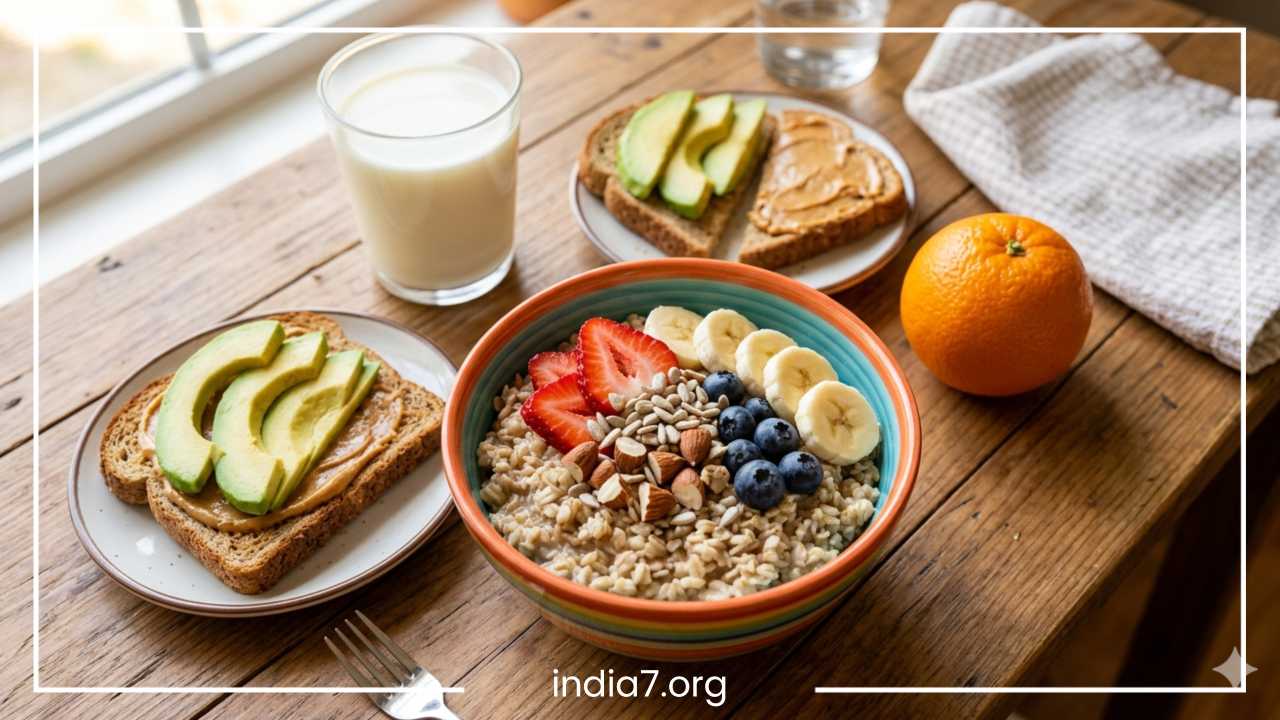
Morning: Start with a glass of warm water. For breakfast, have a bowl of oatmeal topped with walnuts and fresh fruit, or a savory option like a vegetable poha or moong dal chilla.
-
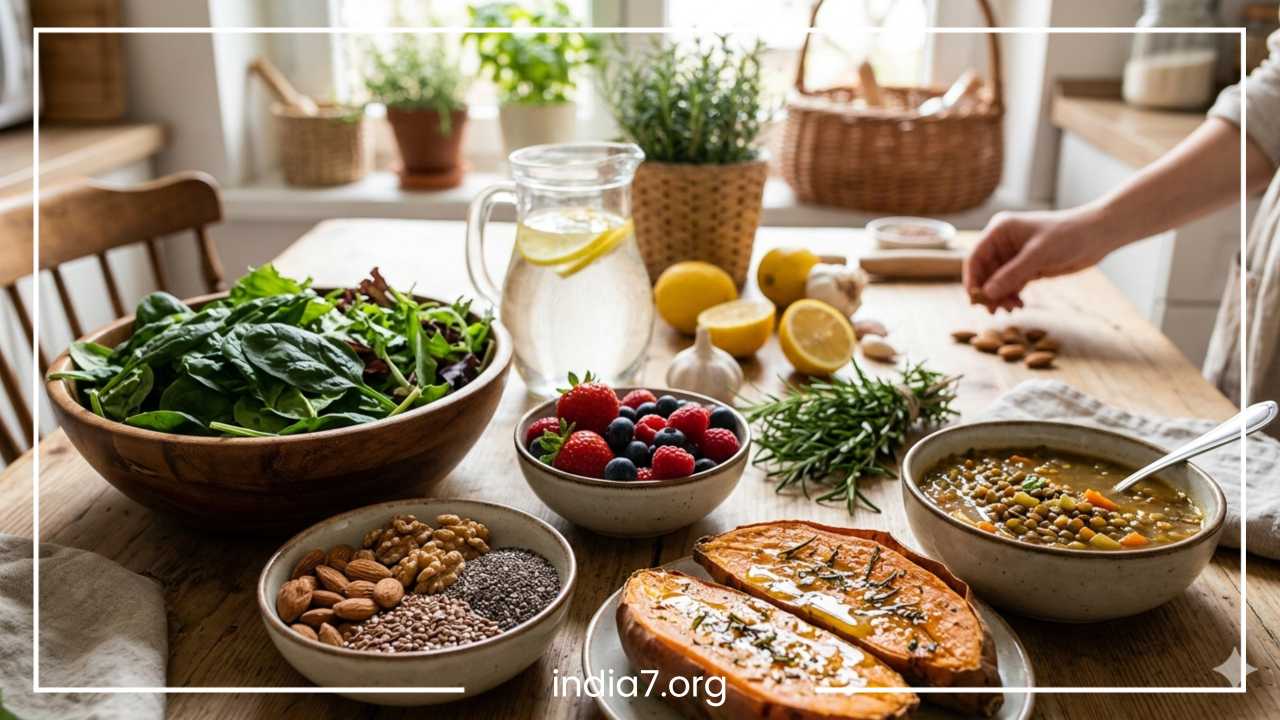
Lunch: A large bowl of mixed salad or cooked green vegetables, a serving of dal or chickpeas, and a small portion of brown rice or a whole-wheat roti.
-
Afternoon Snack: A small bowl of plain yogurt or a handful of roasted makhana and some seeds.
-
Dinner: A lighter meal such as a vegetable stir-fry with tofu or paneer, or a hearty lentil soup with plenty of chopped carrots and spinach.
-
Throughout the Day: Drink plenty of water and herbal teas.
Conclusion
A healthy diet is not a destination or a temporary fix; it is a continuous journey of making better choices. By focusing on whole foods, understanding the balance of nutrients, and developing mindful eating habits, you can transform your relationship with food.
True health comes from consistency rather than perfection. Small, daily decisions—like choosing water over soda, opting for whole grains, or filling half your plate with vegetables—accumulate over time to create significant, lasting changes in your physical and mental well-being. Nutrition is an act of self-care. When you nourish your body with the respect and quality it deserves, you unlock the potential for a more vibrant, energetic, and fulfilling life. Start where you are, use what you have, and focus on the long-term rewards of a balanced lifestyle.