5 Healthy Ways To Strengthen Your Immune System

5 Healthy Ways to Strengthen Your Immune System Naturally | Simple Lifestyle Tips
The immune system is often described as the body’s internal security force, a complex and tireless network of cells, tissues, and organs that work in unison to defend you against environmental threats. While we often only think about our immunity when we feel a scratchy throat or a sudden chill, the truth is that your immune system is active every second of every day. It is the silent engine of your health, managing everything from wound healing to the detection of cellular abnormalities. Understanding how to support this system is not just about avoiding the occasional seasonal sniffle; it is about building a foundation for long-term vitality and resilience.
At its core, the immune system distinguishes between “self” and “non-self.” When it encounters a foreign invader—such as a virus, bacterium, or toxin—it launches a coordinated attack to neutralize the threat. This process is highly sophisticated, involving a memory component that allows the body to recognize and fight off repeat offenders more efficiently. However, like any complex machine, the immune system requires the right fuel, maintenance, and environment to function at its peak. If we neglect our bodies through poor nutrition, chronic stress, or lack of rest, this “security force” can become sluggish or overreactive.
Read: Beyond the Scale: Unexpected Benefits of Losing Weight
The link between lifestyle habits and immune strength is profound. Science increasingly shows that our daily choices—what we eat, how much we move, and how we handle pressure—directly dictate the efficacy of our immune response. The good news is that you do not need a complete life overhaul to see results. Small, consistent daily habits can make a significant difference. By focusing on a few key pillars of health, you can empower your body to defend itself more effectively. In this article, we will explore five fundamental ways to strengthen your immune system naturally: nourishing your body with nutrient-dense foods, prioritizing quality sleep, staying physically active, managing stress, and maintaining healthy daily hygiene.
Read: Live Healthier: Essential Weight Loss Tips
Nourish Your Body with Balanced, Nutrient-Rich Foods
The most direct way to influence your immune health is through the fuel you provide your body. Every bite you take is an opportunity to either support or hinder your immune function. A well-balanced diet provides the essential vitamins, minerals, and antioxidants that act as the building blocks for immune cells. Without these micronutrients, the production and activity of white blood cells can be compromised, leaving the body vulnerable.
The Power of Vitamins and Minerals
Certain nutrients play starring roles in the theater of immunity. Vitamin C is perhaps the most famous, known for its ability to stimulate the production of white blood cells and act as a potent antioxidant. Vitamin D is equally critical; it helps modulate the immune response and deficiency in this “sunshine vitamin” has been linked to increased susceptibility to infection. Zinc is a mineral essential for immune cell development and communication, while Iron helps carry oxygen to cells, ensuring they have the energy to perform their defensive duties.
Antioxidants are another crucial component. These molecules neutralize free radicals—unstable atoms that can damage cells and lead to chronic inflammation. By consuming a wide variety of colorful plant foods, you flood your system with different antioxidants, each offering a unique layer of protection.
Gut Health: The Immune System’s Headquarters
It may surprise many to learn that a vast majority of the immune system—roughly 70% to 80%—resides in the gut. The gut microbiome, a diverse community of trillions of bacteria, interacts constantly with immune cells. A healthy, diverse microbiome helps “train” the immune system to distinguish between harmless substances and dangerous pathogens. To support this, it is essential to consume fermented foods and plenty of fiber.
Essential Food Categories for Strength
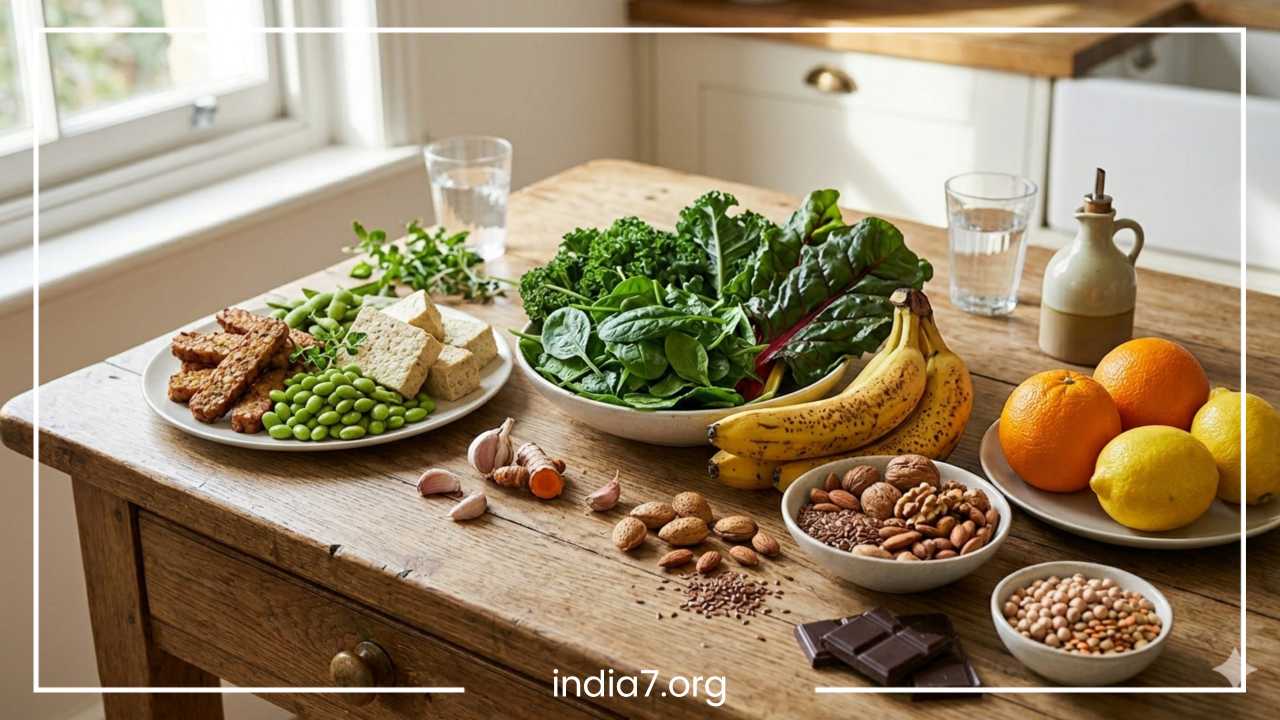
To ensure you are getting a full spectrum of nutrients, focus on incorporating these categories into your daily meals:
-
Fruits: Focus on citrus fruits like oranges and lemons for Vitamin C, but also include berries (blueberries, strawberries) for their high antioxidant content. Guava is an often-overlooked powerhouse, containing significantly more Vitamin C than many citrus fruits.
-
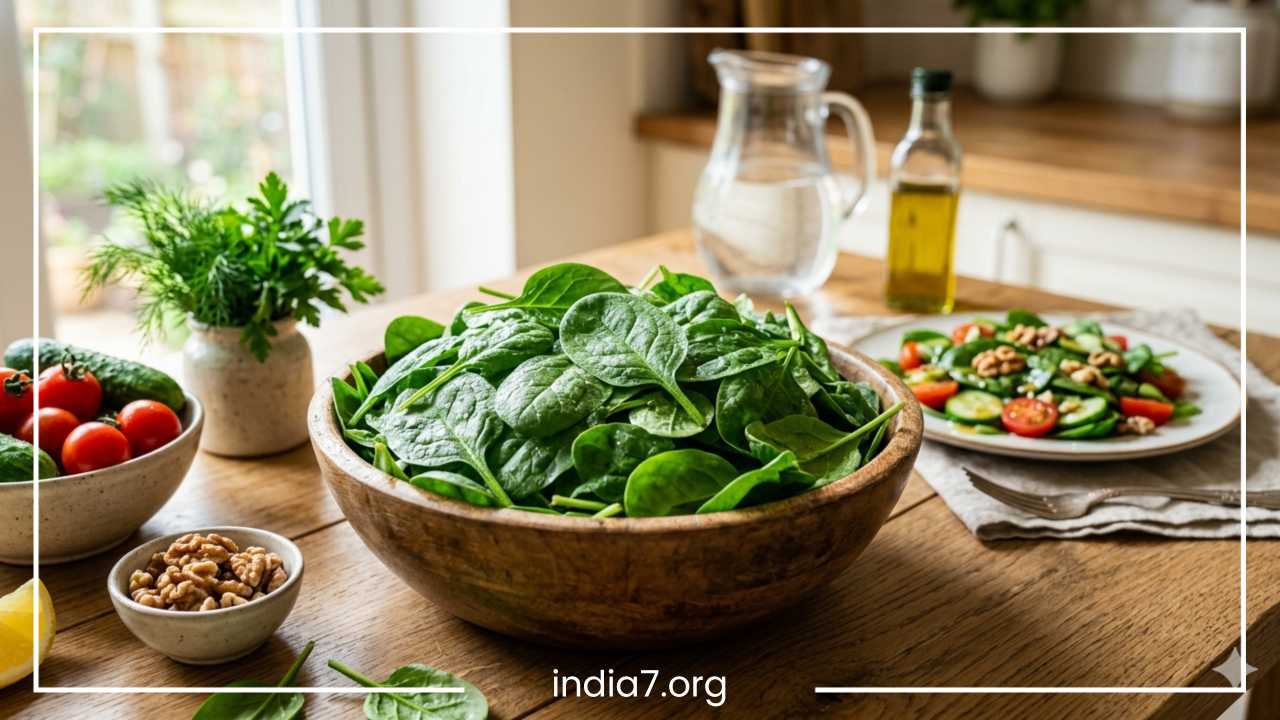
Vegetables: Leafy greens such as spinach and kale are rich in folate and Vitamin C. Carrots and bell peppers provide beta-carotene, which the body converts to Vitamin A (essential for healthy skin and mucus membranes, our first line of defense). Broccoli is a nutrient-dense vegetable packed with vitamins and fiber.
-
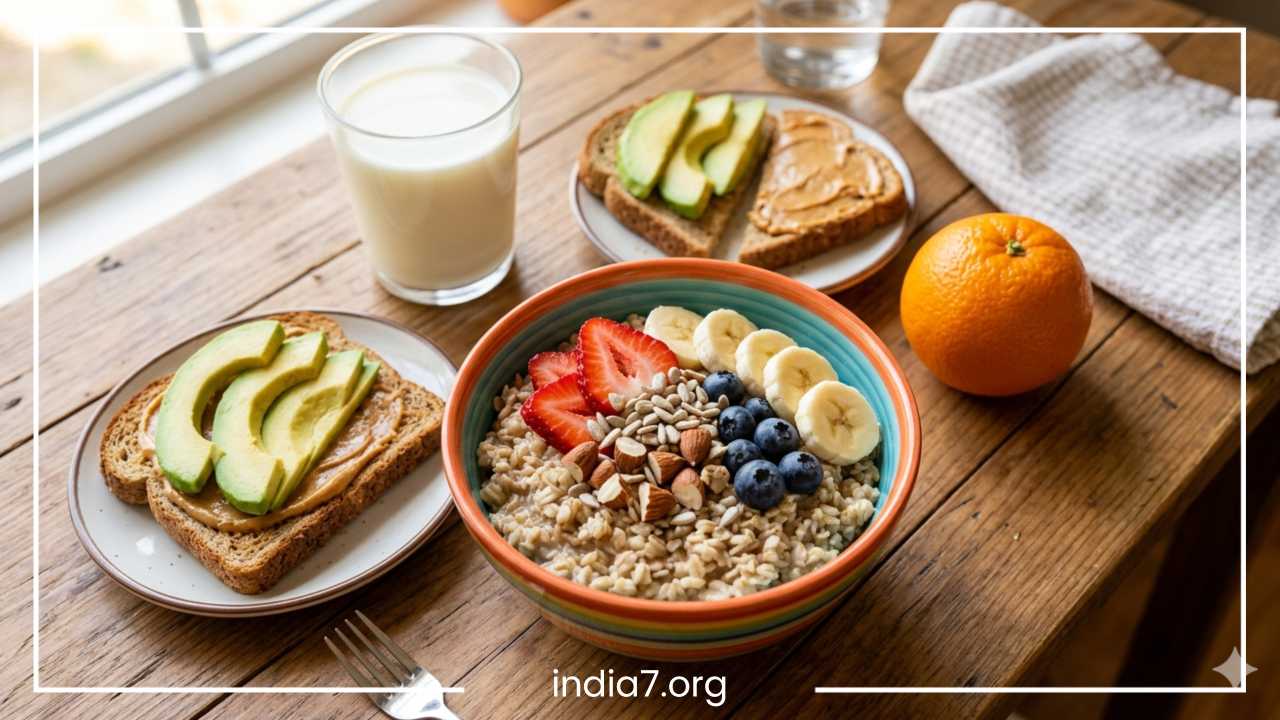
Whole Grains: Oats, brown rice, and quinoa provide B vitamins and fiber, which help sustain energy levels and support a healthy gut.
-
Legumes: Lentils, chickpeas, and various beans are excellent sources of plant-based protein, iron, and zinc. They are the backbone of a hearty, immune-supporting diet.
-
Nuts and Seeds: Almonds and walnuts provide Vitamin E and healthy fats, while sunflower seeds and flaxseeds offer selenium and omega-3 fatty acids, which help regulate inflammation.
-
Fermented Foods: Yogurt and buttermilk are accessible sources of probiotics. Traditional fermented dishes, such as naturally pickled vegetables (without excess salt/preservatives), can also boost gut diversity.
Hydration and Variety
Hydration is often the forgotten element of nutrition. Water is essential for the production of lymph, the fluid that carries immune cells throughout the body. Aim for pure water, but supplement with herbal drinks like ginger or chamomile tea, and coconut water for natural electrolytes. Furthermore, strive for a “rainbow” on your plate. Different colors usually indicate different phytochemicals; the more colors you eat, the broader your defensive shield.
Weight Loss and Nutrition
Maintaining a healthy weight is closely tied to immune function, as excess adipose tissue (body fat) can promote low-grade chronic inflammation, which distracts and exhausts the immune system. A nutrient-rich diet naturally aids in weight management. By focusing on whole foods like legumes, grains, and vegetables, you consume high-volume, low-calorie meals that keep you full.
Practicing portion control and mindful eating—paying attention to hunger cues rather than eating out of boredom—prevents the overconsumption of processed sugars and refined flours. These processed items can cause blood sugar spikes that temporarily suppress immune activity. By nourishing yourself correctly, you achieve a double benefit: a leaner body and a stronger defense system.
Read: Are You Ready to Lose Weight
Prioritize Quality Sleep
In our fast-paced world, sleep is often viewed as a luxury or a negotiable part of our schedule. However, from a biological standpoint, sleep is a non-negotiable requirement for immune health. While you sleep, your body is anything but idle. It undergoes a series of restorative processes that are vital for physical and mental recovery.
The Sleep-Immunity Connection
During deep sleep, your immune system releases proteins called cytokines. Some of these cytokines help promote sleep, while others are needed specifically when you have an infection or inflammation, or when you are under stress. Sleep deprivation decreases the production of these protective cytokines. Furthermore, infection-fighting antibodies and cells are reduced during periods when you don’t get enough sleep.
The immune system also has a “memory” that is consolidated during sleep. Just as the brain moves short-term memories into long-term storage at night, the immune system uses sleep to record information about the pathogens it encountered during the day, making it more effective at recognizing them in the future.
Sleep Duration and Cycles
For most adults, the “sweet spot” for sleep is between 7 and 9 hours per night. It is not just about the total hours, but the quality of the sleep cycles. Interrupted sleep prevents the body from entering the deeper stages of REM and non-REM sleep where the most significant immune repair occurs. Chronic “sleep debt” creates a state of systemic inflammation and makes you more likely to get sick after being exposed to a virus.
Practical Tips for Better Sleep
Improving your sleep often requires environmental and behavioral shifts:
-
Consistency is Key: Try to go to bed and wake up at the same time every day, even on weekends. This regulates your body’s internal clock (circadian rhythm).
-
The Golden Hour: Reduce exposure to blue light from screens (phones, tablets, computers) at least an hour before bed. Blue light suppresses melatonin, the hormone that signals to your brain that it is time to sleep.
-
Caffeine Management: Limit caffeine intake to the morning hours. Caffeine has a long half-life and can stay in your system for up to 8 hours, making it difficult for your brain to enter deep sleep.
-
Create a Sanctuary: Ensure your bedroom is cool, dark, and quiet. A comfortable environment reduces the likelihood of midnight awakenings.
Weight Loss and Sleep
There is a significant hormonal link between sleep and weight management. Lack of sleep disrupts the balance of two key hormones: ghrelin (the hormone that tells you when you’re hungry) and leptin (the hormone that tells you when you’re full). When you are sleep-deprived, ghrelin levels rise and leptin levels fall. This leads to increased cravings, particularly for high-calorie, sugary foods, as your brain searches for a quick energy fix. By prioritizing sleep, you keep these hormones in check, making it much easier to stick to a healthy eating plan and maintain a healthy weight.
Stay Physically Active
Regular physical activity is one of the pillars of a healthy lifestyle and a powerful modulator of the immune system. Exercise is not just about building muscle or improving cardiovascular endurance; it is about keeping the “machinery” of your body well-oiled and responsive.
How Exercise Boosts Immunity
Physical activity helps the immune system in several ways. First, it improves circulation. The increased blood flow allows immune cells—like T-cells and natural killer cells—to travel more rapidly throughout the body, enabling them to detect and attack pathogens more efficiently. Think of it as increasing the number of “patrol cars” on the road and ensuring they can reach their destination faster.
Second, exercise helps to temporarily raise body temperature, which may inhibit the growth of certain bacteria. Third, regular, moderate exercise reduces systemic inflammation. While intense, prolonged exercise can temporarily stress the body, consistent moderate activity acts as an anti-inflammatory, keeping the immune system from becoming over-reactive.
Types of Recommended Activity
You do not need to train for a marathon to reap the immune benefits. In fact, consistency is far more important than intensity.
-
Walking: A brisk 30-minute walk daily is one of the best things you can do for your health. It is low-impact and accessible to almost everyone.
-
Strength Training: Lifting weights or using bodyweight exercises (like squats or planks) helps maintain muscle mass, which is metabolically active and supports overall systemic health.
-
Yoga and Stretching: These practices combine movement with deep breathing, which helps lower stress hormones while maintaining flexibility and lymphatic flow.
-
Moderate Cardio: Activities like cycling or swimming improve lung capacity and heart health, contributing to a more resilient constitution.
Practical Suggestions for Beginners
If you are just starting, the goal is to make movement a habit. Aim for at least 150 minutes of moderate activity per week. This can be broken down into 30 minutes, five days a week. If 30 minutes feels daunting, even three 10-minute walks spread throughout the day provide significant benefits. The key is to find an activity you enjoy so that it becomes a permanent part of your routine rather than a temporary chore.
Weight Loss and Physical Activity
Exercise is a critical component of weight management. It burns calories during the activity and, more importantly, boosts your basal metabolic rate (the calories you burn at rest) by increasing lean body mass. Maintaining a healthy weight through activity reduces the burden on your heart and joints and, as mentioned previously, prevents the chronic inflammation associated with excess body fat. A physically active body is a more efficient body, better equipped to allocate energy toward defense and repair.
Manage Stress Effectively
The mind and the body are not separate entities; they are deeply intertwined. This is nowhere more evident than in the relationship between stress and the immune system. In the short term, the “fight or flight” response is a survival mechanism. However, when stress becomes a chronic part of daily life, it becomes a major threat to our internal defenses.
The Cortisol Effect
When you are stressed, your adrenal glands release a hormone called cortisol. In brief bursts, cortisol is helpful. But when cortisol levels remain high for long periods, it actually suppresses the immune system. It reduces the number of lymphocytes (white blood cells) available to fight off infection. Chronic stress also makes the body “resistant” to cortisol, which can lead to runaway inflammation. This is why people often find themselves getting sick right after a high-pressure project at work or a period of emotional upheaval.
Stress Management Techniques
Managing stress is not about eliminating all pressure from your life—which is often impossible—but about changing how your body reacts to it.
-
Meditation and Deep Breathing: Even five minutes of focused breathing can lower your heart rate and signal to your nervous system that you are safe. This reduces the production of stress hormones.
-
Journaling: Putting your thoughts on paper can help process emotions and reduce the mental “clutter” that contributes to anxiety.
-
Spending Time in Nature: Research shows that being in green spaces lowers cortisol levels and improves mood.
-
Hobbies and Relaxation: Engaging in activities you love—whether it’s gardening, reading, or painting—provides a necessary mental break and fosters a sense of well-being.
-
Social Connections: Strong relationships and a sense of community are powerful buffers against stress. Talking to a friend or family member can provide perspective and emotional relief.
Weight Loss and Stress
Stress is a major contributor to weight gain through a phenomenon known as emotional eating. Under stress, many people turn to “comfort foods” that are high in sugar and fat, as these provide a temporary dopamine hit. Furthermore, high cortisol levels encourage the body to store fat, particularly in the abdominal area. By managing stress effectively, you remove one of the primary drivers of unhealthy cravings, making it easier to maintain a balanced weight and a robust immune system.
Maintain Healthy Daily Habits and Hygiene
While internal factors like nutrition and sleep are vital, we must also consider the external environment. Practicing good hygiene and maintaining healthy daily structures are the simplest, most effective ways to reduce the load on your immune system by preventing pathogens from entering the body in the first place.
The Foundation of Hygiene
The most basic habit remains the most important: hand washing. Regularly washing your hands with soap and water, especially before meals and after being in public spaces, significantly reduces the transfer of germs. It is a simple barrier that prevents your immune system from having to fight unnecessary battles.
Additionally, don’t forget the importance of oral hygiene. The mouth is a major entry point for bacteria; regular brushing and flossing help maintain a healthy oral microbiome, which is linked to overall systemic health.
Sunshine and Routine
Getting adequate sun exposure is a vital daily habit. Sunlight is the primary source of Vitamin D for most people. Aim for 10–20 minutes of midday sun on your arms and face several times a week, depending on your skin type and location. This natural boost is essential for bone health and immune regulation.
A structured daily routine also supports health. When your body knows when it will be fed, when it will move, and when it will rest, it can manage its energy more efficiently. This stability reduces the internal “stress” of unpredictability, allowing the immune system to remain in a state of readiness.
Avoiding Harmful Substances
To keep your defenses strong, it is important to avoid habits that actively weaken them. Smoking damages the lungs and the mucus membranes, making it easier for respiratory infections to take hold. Excessive alcohol consumption can also impair immune cells and disrupt the gut lining. While complete abstinence isn’t always the goal for everyone, moderation is key to ensuring your body isn’t constantly trying to repair self-inflicted damage.
Weight Loss and Daily Habits
Structure is the friend of weight management. When you have a routine that includes regular meal times and consistent hydration, you are much less likely to engage in impulsive snacking. Staying hydrated, in particular, is a powerful tool; often, our brains confuse thirst with hunger. By drinking enough water and following a predictable daily schedule, you create an environment where healthy weight maintenance becomes the path of least resistance.
Final Thoughts
Strengthening your immune system is not a one-time event or the result of a “miracle” supplement. It is a lifelong journey built upon the foundation of consistent, healthy choices. By nourishing your body with a diverse range of plant-based foods, you provide the essential tools your cells need to function. By prioritizing sleep, you allow for the deep repair and memory consolidation necessary for a smart immune response. Physical activity ensures that your defensive cells are circulating and ready, while stress management prevents your own hormones from working against you. Finally, simple hygiene and daily routines provide a protective barrier against the outside world.
It is important to remember that immunity is built over time. You do not need to be perfect in every category every day. Instead, focus on making small, sustainable changes. Perhaps this week you commit to an extra hour of sleep, or you swap a processed snack for a piece of fruit. Over weeks and months, these actions compound into a state of long-term resilience. Your immune system is your body’s greatest ally; by treating it with care and respect, you empower yourself to live a more vibrant, healthy, and energetic life. Consistency, not perfection, is the key to a strong and capable defense.