What is Zeolite? What Are the Health Benefits?
What Is Zeolite? Health Benefits, Uses & Weight Management Explained
The quest for optimal wellness has led many individuals to explore the depths of the earth, literally. Among the various minerals and natural elements that have surfaced in the health and wellness industry, zeolite has emerged as a significant player. Known for its unique structure and remarkable ability to interact with the body’s internal environment, this volcanic mineral is frequently discussed in the context of detoxification and systemic balance.
Zeolite is not a new discovery; it has been used in industrial and agricultural settings for decades. However, its application in human health has gained substantial momentum as more people seek natural ways to manage the environmental stressors of modern life. Formed over millions of years, this mineral represents a bridge between ancient geological processes and contemporary health science.
Read: Can You Lose Weight by Walking
In this comprehensive guide, we will explore the intricate world of zeolite. We will look at what it is from a scientific perspective, how it functions within the human body, and the various health benefits it may offer—from supporting gut health to assisting in general weight management. Whether you are a seasoned wellness enthusiast or someone curious about natural supplements, understanding zeolite is key to navigating the modern landscape of natural health.
What is Zeolite?
To understand zeolite, one must first understand its origins. The name “zeolite” comes from the Greek words zeo, meaning “to boil,” and lithos, meaning “stone.” This “boiling stone” was named because of its ability to release steam when heated. Geologically, zeolites are microporous, aluminosilicate minerals. They are primarily formed when volcanic ash reacts with alkaline groundwater or seawater over thousands, or even millions, of years.
The defining characteristic of zeolite is its sophisticated, three-dimensional “cage-like” crystalline structure. Imagine a microscopic honeycomb or a series of interconnected rooms. This framework is composed of aluminum and silica tetrahedra, which are linked together by shared oxygen atoms. This structure is not just a physical trait; it is the source of the mineral’s most valuable properties.
There are over 40 naturally occurring types of zeolite, but the one most commonly used for human health is clinoptilolite. Clinoptilolite is favored because of its high stability and its specific pore size, which is perfectly suited for trapping various molecules. It is important to distinguish between industrial-grade zeolite—used in water filtration, laundry detergents, and soil treatment—and health-grade or “activated” zeolite. Health-grade zeolite undergoes rigorous cleaning and micronization processes to ensure it is pure and safe for internal consumption.
Read: How to Increase Metabolism
How Zeolite Works in the Body
The mechanism behind zeolite is fascinating and sets it apart from many other supplements. While most supplements provide nutrients that the body absorbs, zeolite works primarily through adsorption and ion exchange.
It is vital to understand the difference between absorption and adsorption. Absorption is like a sponge soaking up water into its entire mass. Adsorption, however, is a surface-level phenomenon where atoms, ions, or molecules from a substance (like a toxin) adhere to the surface of the adsorbent (the zeolite). Because zeolite is highly porous, it has a massive surface area relative to its size, allowing it to “trap” unwanted particles within its cage-like structure.
The second key mechanism is ion exchange. The zeolite framework carries a natural negative charge. In nature, most harmful substances, such as heavy metals (lead, mercury, cadmium) and various environmental pollutants, carry a positive charge. Because opposites attract, these positively charged toxins are drawn into the zeolite cage. Once inside, they are bound tightly. In exchange, the zeolite releases “healthy” ions, such as calcium, magnesium, or potassium, which were originally sitting in the framework.
Once these toxins are trapped inside the zeolite structure, they are effectively neutralized. Because the human body does not digest or “break down” zeolite, the mineral simply passes through the digestive tract, carrying the trapped toxins out of the body through normal elimination processes. This makes zeolite a passive yet effective tool for supporting the body’s natural detoxification pathways without placing additional strain on the liver or kidneys.
Read: The Quick Weight Loss Diet: Fact or Fiction?
Nutritional and Chemical Composition
Zeolite is not a “nutrient” in the traditional sense. You won’t find it on a nutrition label providing calories, proteins, or fats. Instead, its value lies in its chemical stability and its mineral framework.
The primary components of zeolite are silicon, aluminum, and oxygen. While the mention of aluminum often raises concerns, it is crucial to note that in zeolite, the aluminum is a structural part of the mineral cage. It is chemically bound and does not “leach” into the body. In fact, zeolite is highly stable and resistant to the acidic environment of the stomach.
In addition to its structural elements, zeolite often contains trace amounts of essential minerals within its pores, such as:
-
Potassium
-
Calcium
-
Magnesium
-
Sodium
These minerals participate in the ion-exchange process mentioned earlier. As the zeolite moves through the body and encounters toxins, it swaps these beneficial minerals for the harmful ones. While zeolite does not replace a healthy diet, this exchange provides a small, secondary benefit of releasing trace electrolytes into the system.
Potential Health Benefits of Zeolite
The primary reason for the popularity of zeolite is its wide-ranging potential for health support. While research is ongoing, many users and practitioners point to several core areas where zeolite may make a difference.
Detoxification Support
The most well-known benefit of zeolite is its role in detoxification. In a world where we are constantly exposed to environmental pollutants—from the air we breathe to the products we use—supporting the body’s natural detox systems is a priority for many. Zeolite’s ability to bind to heavy metals like lead, mercury, and arsenic is its most studied attribute. By reducing the overall “toxic load” on the body, zeolite allows the liver and kidneys to function more efficiently.
Gut Health Support
Recent scientific interest has focused heavily on the gut-zeolite connection. The integrity of the intestinal lining is essential for health; a compromised lining can lead to increased permeability. Some studies suggest that zeolite may help strengthen the gut wall by supporting the “tight junctions” between cells. Additionally, by removing certain toxins and ammonium from the digestive tract, zeolite may create a more hospitable environment for beneficial gut bacteria to thrive.
Immune System Support
Zeolite does not necessarily “stimulate” the immune system in the way an herb might. Instead, it supports the immune system indirectly. By removing heavy metals and toxins that can suppress immune function, zeolite frees up the body’s resources. When the body is not constantly fighting off low-level environmental stressors, the immune system can be more vigilant and responsive to actual threats.
Antioxidant Properties
Oxidative stress is a primary driver of aging and various wellness challenges. It occurs when there is an imbalance between free radicals and antioxidants in the body. Zeolite has been shown in some laboratory settings to act as a mild antioxidant, helping to neutralize free radicals. Furthermore, by binding to metals that catalyze oxidative reactions, zeolite may help prevent the formation of free radicals in the first place.
Digestive Comfort
Many users report improved digestive comfort when using zeolite. This may be due to its ability to bind to excess gases or its role in balancing the pH levels within the digestive tract. By assisting in the removal of metabolic waste products, it can help reduce feelings of bloating and general digestive sluggishness.
Energy and General Wellness
While not a stimulant, many people report an increase in vitality and mental clarity after incorporating zeolite into their routine. This is often attributed to the reduction of the systemic burden of toxins. When the body is “cleaner” at a cellular level, energy production can become more efficient, leading to a general sense of well-being.
Zeolite and Weight Management
Weight management is a complex journey that involves various physiological and lifestyle factors. It is important to state clearly: zeolite is not a magic weight-loss supplement. It does not burn fat directly, nor does it suppress appetite in a pharmacological way. However, it can be a supportive tool within a broader weight management strategy.
How it Supports the Process
One theory regarding weight and toxins is that the body often stores certain pollutants in fat cells to protect vital organs. During weight loss, as fat cells shrink, these stored toxins can be released back into the bloodstream, sometimes causing people to feel unwell or hitting a “plateau.” By acting as a binder, zeolite can help capture these released toxins, making the weight loss process smoother and more comfortable for the system.
Furthermore, by supporting gut health and reducing inflammation associated with toxin exposure, zeolite can help optimize the body’s metabolic environment. A healthy gut is increasingly recognized as a cornerstone of maintaining a healthy weight.
General Weight Management Advice for Everyone
Regardless of whether one uses supplements like zeolite, sustainable weight management relies on a foundation of healthy habits:
-
Balanced Eating: Focus on a variety of whole foods, including grains, legumes, fruits, and vegetables. Be mindful of portion sizes and listen to your body’s hunger cues.
-
Hydration: Water is essential for every metabolic process, including the breakdown of fat and the flushing of toxins.
-
Physical Activity: Regular movement—whether it’s walking, swimming, or gardening—supports cardiovascular health and muscle maintenance.
-
Consistency: Small, sustainable changes over a long period are far more effective than “crash” methods. Focus on building a lifestyle you enjoy.
Forms of Zeolite Supplements
If you are considering adding zeolite to your wellness routine, you will find it in several different forms. Each has its advantages depending on your lifestyle and goals.
-
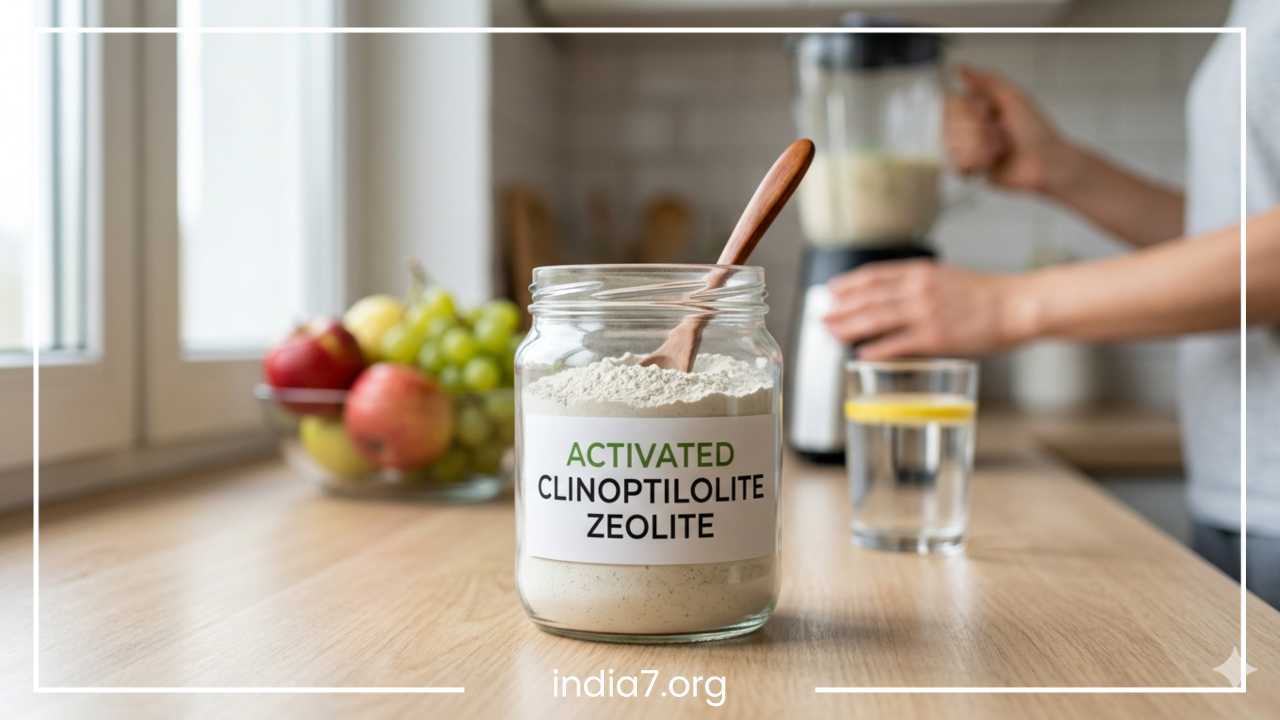
Powder: This is often considered the most cost-effective form. Zeolite powder can be mixed into water or juice. It allows for easy dose adjustment but can have a slightly “gritty” texture if not micronized properly.
-
Liquid: Liquid zeolite supplements are usually suspensions of micronized zeolite in purified water. These are convenient for those who don’t like mixing powders and are often marketed as having better systemic absorption.
-
Capsules: Capsules are the most convenient for travel and for those who want a tasteless option. They provide a precise dose every time.
When choosing a supplement, look for terms like “micronized” or “activated.” Micronization involves breaking the zeolite particles down into very small sizes (often measured in microns). This increases the surface area and allows the mineral to move more effectively through the body. Activation usually refers to a process of heating and cleaning the mineral to ensure the “cages” are empty and ready to trap toxins.
How to Use Zeolite Safely
Safety and quality are paramount when dealing with mineral supplements. Because zeolite is so effective at trapping substances, you want to ensure the product you buy hasn’t already “trapped” environmental toxins before it reaches you.
-
Purity is Key: Only purchase zeolite from reputable sources that provide third-party lab testing for purity. Ensure the product is free from heavy metal contamination.
-
Hydration: Because zeolite moves through the digestive system and encourages the removal of waste, it is essential to drink plenty of water. Proper hydration ensures that the zeolite (and the toxins it carries) can be eliminated easily.
-
Start Slowly: If you are new to zeolite, it is often recommended to start with a smaller serving and gradually increase it. This allows your body to adjust to the detoxification process.
-
Timing: Since zeolite is a powerful binder, it is generally advised to take it at least one to two hours away from medications or other nutritional supplements to ensure it doesn’t inadvertently bind to the things you want to keep.
Side Effects and Safety Considerations
For most people, zeolite is well-tolerated and considered safe. However, like any supplement, it can have side effects, especially during the initial phases of use.
The most common side effect is a mild “detox reaction.” As the body begins to move toxins, some people may experience temporary headaches, fatigue, or slight changes in digestive patterns. This is usually a sign that the zeolite is working and typically resolves within a few days as long as water intake is sufficient.
Some individuals may experience constipation if they do not drink enough water while taking zeolite. Because the mineral can absorb water in the gut, staying hydrated is the best way to prevent this.
Who should be cautious?
-
Pregnant and Nursing Individuals: There is limited research on the use of zeolite during pregnancy or breastfeeding. It is always best to err on the side of caution and consult a healthcare professional.
-
People on Medication: Because zeolite is an ion-exchanger and binder, it could potentially interact with certain medications, particularly those containing metals (like lithium) or certain chemotherapy drugs.
-
Chronic Health Conditions: Individuals with kidney disease or other serious health issues should always seek medical advice before starting a new supplement regimen.
Scientific Evidence and Research
The scientific community has been studying zeolites for decades, though much of the early research was focused on veterinary or industrial applications. In the animal kingdom, zeolite has been used to improve gut health and protect livestock from mycotoxins (toxins produced by fungi).
In terms of human trials, the evidence is growing but still considered emerging. There have been promising studies regarding zeolite’s ability to reduce urea levels in the blood and support the intestinal barrier in athletes. Other research has looked at its role in supporting the body’s response to environmental lead exposure.
However, it is important to maintain a balanced perspective. While the “cage-like” mechanism is well-documented in chemistry, more large-scale human clinical trials are needed to fully understand the long-term effects and the full range of therapeutic benefits. Zeolite should be viewed as a supportive tool for wellness rather than a primary treatment for any specific medical condition.
Myths and Misconceptions
As with any popular wellness trend, myths often circulate about zeolite. Clearing these up helps set realistic expectations.
Myth 1: “Zeolite is a cure-all.”
Zeolite is a specialized tool for binding and detoxification. It is not a replacement for medical care, a healthy diet, or exercise. It supports the body’s natural processes but is not a “miracle” fix for chronic illness.
Myth 2: “All zeolites are the same.”
There are many types of zeolite. Using industrial-grade zeolite meant for a fish tank in your smoothie would be dangerous. Always ensure you are using high-quality, clinoptilolite zeolite specifically processed for human consumption.
Myth 3: “You will see results instantly.”
Detoxification is a gradual process. While some people feel a difference in their energy or digestion within days, for many, the benefits are subtle and accumulate over weeks of consistent use.
Final Thoughts
Zeolite represents a unique intersection of geology and health. Its ability to act as a molecular sieve—trapping harmful positively charged ions while releasing beneficial ones—makes it a fascinating addition to the world of natural wellness. By supporting the body’s innate detoxification pathways, improving gut integrity, and providing antioxidant support, zeolite offers a multi-faceted approach to maintaining health in a modern environment.
However, the most effective path to wellness is a holistic one. Zeolite works best when it is part of a lifestyle that prioritizes balanced nutrition, consistent physical activity, and mindfulness. It is a supportive partner in your health journey, helping to clear the path so your body can do what it does best: maintain balance and vitality.
As you explore the potential of zeolite, remember to prioritize quality, stay hydrated, and listen to your body. With the right approach, this ancient volcanic mineral can be a valuable asset in your quest for a cleaner, more vibrant life.
Frequently Asked Questions
Is it safe to take zeolite every day?
Many people incorporate zeolite into their daily routine for ongoing detoxification support. However, some prefer to use it in cycles (e.g., 30 days on, 10 days off). As long as you are using a high-quality, pure product and staying hydrated, daily use is generally considered safe for most healthy adults.
How long does it take for zeolite to work?
The timeline varies from person to person. Some people notice improved digestion or mental clarity within a week. For systemic detoxification of heavy metals, it may take several months of consistent use to see significant changes in lab results.
Can zeolite help with bloating?
Yes, many users find that zeolite helps reduce bloating. This may be due to its ability to bind to various gases and toxins in the digestive tract that contribute to discomfort.
Does zeolite remove good minerals too?
The ion-exchange process of zeolite is selective. It has a much higher affinity for heavy, positively charged toxins (like lead and mercury) than it does for smaller, essential minerals. While it may bind to some beneficial minerals, its structure is designed to “swap” the minerals it carries (like magnesium and calcium) for the toxins it encounters.
Can I take zeolite with food?
Zeolite can be taken with or without food. However, taking it on an empty stomach (about 30 minutes before a meal) may allow it to move through the digestive tract more efficiently without competing with food particles.
How should I store zeolite?
Keep your zeolite in a cool, dry place, away from strong odors or chemicals. Because zeolite is an adsorbent, it can pick up scents or moisture from the air if the container is not sealed properly.
Is zeolite the same as activated charcoal?
While both are used as binders, they work differently. Activated charcoal has a very large, “nobby” surface area that binds to a wide variety of substances, including many medications and nutrients. Zeolite has a specific cage-like structure and uses ion exchange, making it more selective for certain types of toxins, particularly heavy metals and ammonium. Some people use both in a rotation for a more comprehensive detox.