Top Budget Travel Destinations | Affordable Vacation Guide
The dream of traversing the globe often feels tethered to a hefty price tag. Many prospective travelers find themselves scrolling through social media, looking at pristine beaches and historic cityscapes, only to be discouraged by the perceived cost of flights, hotels, and dining. However, the landscape of global tourism has shifted. Budget travel is no longer just a niche for backpackers; it is a sophisticated movement embraced by families, digital nomads, and solo adventurers alike who realize that luxury is found in the experience, not just the expense.
While global inflation has impacted various sectors, the world remains full of regions where the cost of living—and traveling—is remarkably low. By choosing destinations where your home currency holds more weight and by adopting strategic planning habits, you can see the world without compromising your financial stability. This guide explores how to identify high-value locations and provides a deep dive into the most affordable gems across every major continent.
What Makes a Destination Budget-Friendly
Defining a budget destination requires looking beyond just the price of a flight. A cheap ticket to an expensive city can quickly become a financial burden once you land. To truly categorize a location as “budget-friendly,” several economic factors must align. Understanding these criteria allows you to evaluate any potential trip through a lens of value rather than just cost.
Cost of Accommodation
In a budget-friendly destination, the price for a clean, safe, and centrally located room should be significantly lower than in major global hubs like New York, London, or Tokyo. This includes a healthy inventory of hostels, locally owned guesthouses, and affordable boutique hotels. When accommodation costs are low, your daily “burn rate” drops significantly, allowing you to extend your trip or spend more on unique experiences.
Food Affordability
A major portion of any travel budget is consumed by dining. Destinations that excel in affordability usually have a vibrant street food culture or local eateries where a filling meal costs the same as a cup of coffee in a Western capital. The availability of fresh, local produce at markets also allows travelers to save by occasionally preparing their own meals.
Transportation Costs
How much does it cost to get from the airport to your hotel? Is there a reliable metro system, or are you forced to rely on expensive private taxis? Budget-friendly spots typically offer low-cost public transit, affordable ride-sharing apps, or are compact enough to be explored on foot. Furthermore, regional transport—such as trains or buses between cities—should be priced for locals, not just tourists.
Currency Exchange Advantages
The strength of your home currency relative to the local currency is a primary driver of affordability. When the exchange rate is in your favor, your purchasing power increases across the board. Monitoring these fluctuations can help you pick the right moment to visit a specific region.
Free or Low-Cost Attractions
A destination is only a “deal” if there is actually something to do there. The best budget locations offer a wealth of free attractions, including public parks, historic walking districts, religious sites, and natural wonders like beaches or hiking trails that do not require an entrance fee.
Top Budget Travel Destinations
The world is vast, but certain regions consistently offer the best “bang for your buck.” By focusing on these areas, you can ensure that your travel fund lasts twice as long as it would elsewhere.
Asia
Asia has long been the gold standard for affordable travel. With its combination of ancient history, rapid modernization, and diverse landscapes, it offers something for every type of traveler at a fraction of the cost found in the West.
Bali
Bali remains an iconic destination for those seeking a mix of spiritual wellness and tropical beauty. While certain areas have become more upscale, the island still offers incredible value for those who venture beyond the high-end resorts.
Average Daily Budget: For a modest traveler, a budget of $30 to $50 can cover a comfortable guesthouse, three local meals, and scooter rental.
Best Cheap Experiences: Exploring the Tegallalang Rice Terraces, visiting the water palace of Tirta Gangpul, and watching the sunset at Uluwatu Temple are all high-value, low-cost activities.
Affordable Food Highlights: Look for “Warungs,” which are small, family-run businesses. A plate of Nasi Campur (mixed rice with various vegetable portions) is both nutritious and incredibly inexpensive.
Budget Accommodation Tips: Stay in Ubud for a more cultural and affordable experience, or look for homestays in Canggu that are tucked away from the main streets.
Hanoi
Vietnam’s capital is a sensory marvel that is famously kind to the wallet. Hanoi is a city where history is lived on the sidewalk, and the cost of daily life is among the lowest in Southeast Asia.
Average Daily Budget: It is entirely possible to enjoy Hanoi on $25 to $40 per day.
Best Cheap Experiences: Walking around Hoan Kiem Lake, exploring the vibrant Old Quarter, and visiting the Temple of Literature are essential and affordable.
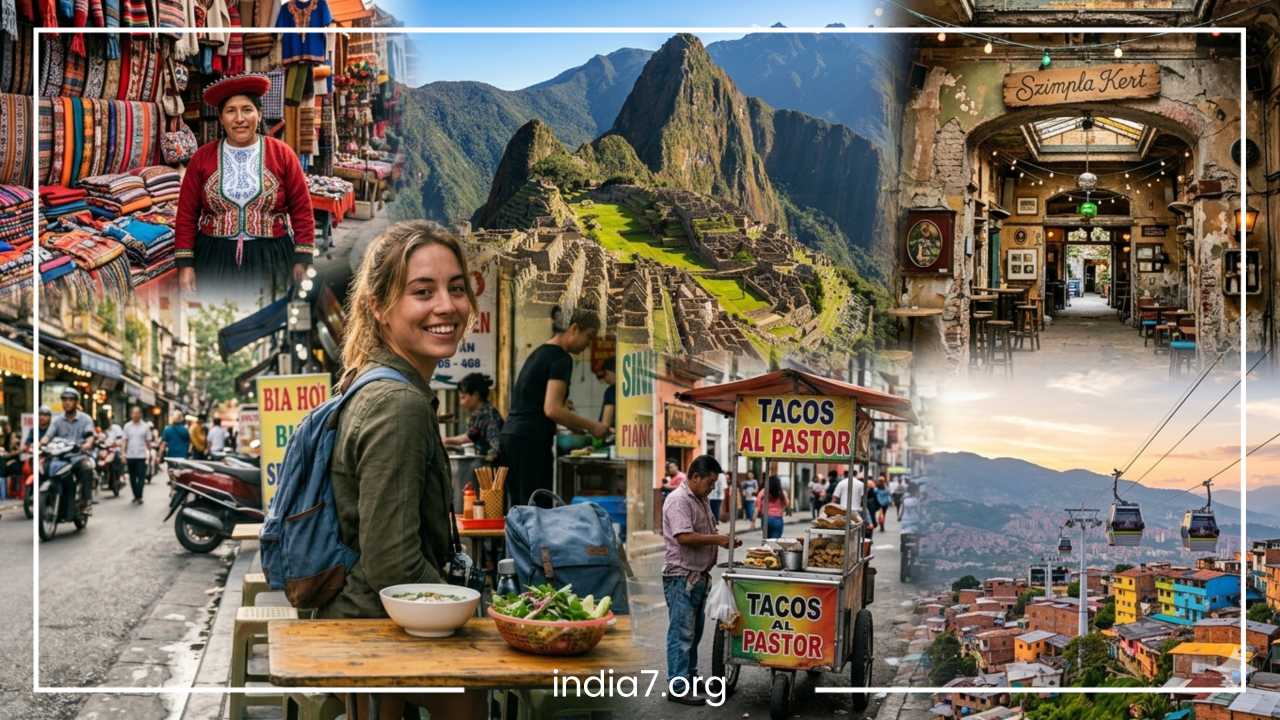
Affordable Food Highlights: Hanoi is the world capital of street food. Do not miss Bun Cha or a steaming bowl of Pho at a street-side stall. The local “Bia Hoi” (fresh beer) is famously cheap, often costing less than fifty cents a glass.
Budget Accommodation Tips: The Old Quarter is packed with budget hostels and hotels. Many offer free breakfast and walking tours, adding even more value to your stay.
Goa
For those looking for a coastal escape, Goa offers a unique blend of Indian culture and Portuguese heritage. It is a place where time slows down, and the cost of living follows suit.
Average Daily Budget: $30 to $45 is a solid range for a mid-tier budget experience.
Best Cheap Experiences: Beach hopping is the primary activity. From the lively sands of Baga to the quiet shores of Palolem, the beaches are free and beautiful. Exploring the UNESCO-listed churches of Old Goa is another must-do.
Affordable Food Highlights: Freshly prepared vegetable curries, dal, and local bread are staples. Beach shacks offer a variety of options, but eating at small inland taverns often yields the best prices.
Budget Accommodation Tips: Visit during the shoulder season (just before or after the monsoon) to find luxury villas and guesthouses at a fraction of their peak-season prices.
Europe
While Western Europe is known for being expensive, Central and Eastern Europe offer historic architecture, rich culture, and vibrant nightlife for a significantly lower price point.
Budapest
The “Paris of the East” provides all the architectural grandeur of its French counterpart but at a much more accessible price. Budapest is split by the Danube River, offering two distinct atmospheres for the price of one.
Free Walking Tours: Budapest has some of the best free walking tours in Europe, covering the history of the Castle District and the Jewish Quarter.
Public Transport Savings: The city is highly walkable, but a multi-day transit pass is very affordable and covers trams, buses, and the historic metro.
Cheap Local Eats: Visit the Great Market Hall for affordable local snacks like Langos (fried dough with toppings). The city’s famous “Ruin Bars” provide a unique nightlife experience without the high cover charges of other European capitals.
Krakow
Krakow is often cited as one of the most affordable city breaks in Europe. Its medieval square is one of the largest and most beautiful in the world, yet a pint of local beer or a hearty meal remains shockingly cheap.
Free Walking Tours: Many local guides offer “pay-what-you-want” tours that provide deep insights into Poland’s complex history.
Public Transport Savings: The city’s tram system is efficient and inexpensive. Most of the main attractions are located within the Old Town or the nearby Kazimierz district, making it easy to save on transport by walking.
Cheap Local Eats: Seek out a “Milk Bar” (Bar Mleczny). These are government-subsidized cafeterias that serve traditional Polish food like pierogi and borscht at incredibly low prices.
Lisbon
Portugal remains one of the best values in Western Europe. Lisbon, with its yellow trams and tiled facades, offers a Mediterranean lifestyle without the price tag of Italy or Spain.
Free Walking Tours: Wandering through the Alfama district is free and provides endless photo opportunities.
Public Transport Savings: Purchase a “Viva Viagem” card for easy and cheap access to the trams and the iconic Santa Justa Lift.
Cheap Local Eats: Grilled sardines and “Pastel de Nata” are affordable staples. Eating at “Tascas” (small local taverns) ensures you get authentic food at local prices.
Latin America
Latin America is a land of vibrant colors, mountainous landscapes, and deep cultural roots. It is a region where your dollar or euro can go incredibly far.
Mexico City
Mexico City is a global culinary and cultural powerhouse. It is a massive metropolis where high-end luxury coexists with incredibly affordable local life.
Culture and Affordability: Many of the city’s top museums, including the Soumaya, are free. The murals by Diego Rivera in public buildings are also accessible for little to no cost.
Budget-Friendly Excursions: Taking the metro to the ancient pyramids of Teotihuacan is a cheap way to see one of the world’s most impressive archaeological sites.
Medellin
Once a hidden gem, Medellin has transformed into a favorite for digital nomads and travelers. Known as the “City of Eternal Spring,” its climate is as pleasant as its prices.
Culture and Affordability: Use the city’s innovative cable car system (part of the metro) to get incredible views of the valley for the price of a standard transit ticket.
Budget-Friendly Excursions: A day trip to the colorful town of Guatape and the rock of El Penol is highly affordable if done via the local bus system.
Cusco
As the gateway to Machu Picchu, Cusco is a high-altitude city rich in Incan and colonial history. While the trek to the ruins can be pricey, the city itself is very manageable on a budget.
Culture and Affordability: The San Pedro Market is a great place to see local life and eat a large lunch for just a few dollars.
Budget-Friendly Excursions: Many Incan ruins surrounding the city can be visited on foot or via a cheap “collectivo” (shared van).
Africa and Middle East
For those looking for something truly different, these regions offer ancient wonders and bustling markets that feel a world away from the familiar.
Marrakech
Marrakech is an assault on the senses in the best way possible. The “Red City” is a labyrinth of souks, palaces, and gardens.
Daily Budget: A mid-range traveler can comfortably get by on $40 to $60.
Experiences: Getting lost in the Medina and watching the performers in Jemaa el-Fnaa square are iconic and free experiences. Staying in a traditional Riad (guesthouse) often includes a lavish breakfast, saving you money on your first meal of the day.
Cairo
Cairo is home to the last remaining Wonder of the Ancient World. It is a city of immense history and very low costs for Western visitors.
Daily Budget: $30 to $50 can cover your needs, including guided tours.
Experiences: While the Giza Pyramids have an entrance fee, it is modest compared to Western attractions. Local transport via Uber or the metro is very inexpensive, as is the delicious street food like Koshary.
Cheapest Time to Travel
Timing is perhaps the most significant variable in the cost of a trip. Understanding the seasonal cycles of your destination can save you hundreds of dollars on airfare and hotels.
Off-Season vs Shoulder Season
The “Peak Season” is when the weather is perfect and everyone is on holiday. Prices are at their highest, and crowds are at their peak. Conversely, the “Off-Season” usually coincides with less desirable weather (the rainy season in Asia or winter in Europe). While prices are lowest then, some attractions may be closed.
The “Shoulder Season”—the period between peak and off-peak—is the “sweet spot” for budget travelers. You often get 80% of the good weather for 50% of the price. For example, visiting the Mediterranean in May or September offers warm days and much lower hotel rates than July or August.
How Timing Impacts Flights and Hotels
Airlines use dynamic pricing; the more demand there is, the higher the price. Booking your flight for a mid-week departure (Tuesday or Wednesday) is almost always cheaper than flying on a Friday or Sunday. Similarly, hotels in business-centric cities (like Frankfurt or Brussels) are often cheaper on weekends, while leisure destinations are cheaper during the week.
Budget Travel Tips That Actually Work
Beyond choosing a cheap destination, how you conduct yourself on the ground determines your final bill. These practical tips can help shave off unnecessary expenses.
Booking Flights Wisely
Use flight aggregators like Google Flights or Skyscanner to track prices over time. Setting up price alerts allows you to jump on a deal the moment it appears. While last-minute deals exist, they are increasingly rare; booking 2 to 4 months in advance is generally the safest bet for international travel.
Staying in Hostels and Local Rentals
Hostels are no longer just for students. Many offer private rooms that are cheaper than hotels but provide a social atmosphere and a shared kitchen. Using platforms like Airbnb or local equivalents can also save money, especially for longer stays where you can benefit from weekly discounts and the ability to cook your own meals.
Eating Like a Local
If a restaurant has a menu in five different languages and a person outside waving you in, it is likely a tourist trap. Instead, walk two blocks away from the main square. Look for places where locals are lining up. Not only will the food be better and more authentic, but the prices will be significantly lower.
Public Transport vs Taxis
Taxis are a major “budget killer.” Most international airports are connected to city centers by trains or express buses. Once in the city, embrace the local metro, trams, or even bicycles. If you must use a car, use ride-sharing apps which provide upfront pricing and prevent the “tourist tax” often associated with unmetered taxis.
Sample Budget Breakdown
To visualize how these tips come together, let’s look at a typical day for a budget traveler in a destination like Hanoi or Krakow.
Accommodation: $15–$20 (A high-quality hostel bed or a basic private guesthouse).
Food: $10–$15 (Street food breakfast, a local cafe lunch, and a modest sit-down dinner).
Activities: $5–$10 (Entry to one museum or a tip for a free walking tour).
Transport: $2–$5 (Walking combined with a few bus or metro rides).
Daily Total: $32–$50.
At this rate, a two-week trip would cost between $448 and $700 (excluding international flights). This is often less than the cost of a single weekend in a city like Paris or New York.
Mistakes to Avoid When Traveling Cheap
In the quest for savings, it is easy to make mistakes that actually end up costing you more in the long run or ruining your experience.
Choosing Unsafe Areas
The cheapest hotel in town is often cheap for a reason. Always prioritize safety. Saving $10 a night is not worth staying in an area where you feel uncomfortable walking at night or where your belongings are at risk. Read recent reviews carefully.
Ignoring Visa Costs
Always check the visa requirements for your nationality before booking a flight. Some “cheap” destinations have expensive visa fees or complex application processes that can add a hundred dollars or more to your budget before you even arrive.
Overpacking and Extra Fees
Budget airlines make their profit on “ancillary fees.” If you book a $50 flight but have to pay $60 for a checked bag, you haven’t saved money. Travel with a carry-on whenever possible and weigh your bag before heading to the airport to avoid heavy overage charges.
Not Having Travel Insurance
This is the most common mistake made by budget travelers. Insurance might seem like an unnecessary expense, but a single medical emergency or a stolen laptop can cost thousands. Many budget-friendly countries have excellent but expensive private healthcare for tourists; being insured ensures a mishap doesn’t turn into a financial catastrophe.
Final Thoughts
Travel is one of the few things you can buy that makes you richer. By shifting your focus toward value and authenticity rather than luxury and status, the entire world opens up to you. Whether it is eating street food in the alleys of Hanoi, wandering the historic streets of Krakow, or watching a sunset over a Moroccan desert, the most profound memories are often the ones that cost the least.
Successful budget travel requires a blend of planning and flexibility. It is about knowing when to save—like taking the bus instead of a taxi—and knowing when to spend, like paying for a once-in-a-lifetime guided tour of ancient ruins. With the right mindset and a bit of research, you can build an affordable vacation that provides a wealth of stories without breaking the bank. The world is waiting, and it is more accessible than you think.
Frequently Asked Questions About Budget Travel
To help you plan your next journey efficiently, we have compiled the most common questions travelers ask when looking for affordable adventures. These insights focus on practical strategies to maximize your experiences while minimizing costs.
What are the cheapest countries to visit for a two week vacation?
For a 14-day trip, Southeast Asia and Central Europe consistently offer the best value. Countries like Vietnam, Laos, and Cambodia allow travelers to enjoy a full two-week itinerary for a fraction of the cost of a week in Western Europe. In Europe, Poland, Hungary, and Romania provide a rich cultural experience with affordable lodging and dining. If you are looking for beach vibes, the coastal regions of Albania are emerging as a high-value alternative to the more expensive Mediterranean spots.
How can I find the best flight deals for budget travel?
Finding affordable airfare requires a mix of timing and the right tools. Use aggregators like Google Flights or Skyscanner to view price trends across an entire month rather than specific dates. Setting up price alerts is essential for catching sudden drops. Additionally, consider flying into secondary airports; for example, flying into London Gatwick instead of Heathrow, or choosing a flight to a nearby city and taking a regional bus or train to your final destination, can save significant amounts of money.
Is it cheaper to book a holiday package or travel independently?
Independent travel is almost always cheaper for those willing to do the research. While packages offer convenience, they often include markups for the service. By booking your own hostels or local guesthouses and eating at local markets, you control every dollar spent. Independent travel also allows for more flexibility, such as staying longer in a place where costs are lower or moving on if a destination feels too expensive.
What are the best free things to do in major cities?
Every major city has a wealth of free activities if you know where to look. Free walking tours (where you only pay a small tip) are available in almost every European and South American capital. Public parks, botanical gardens, and historic religious sites like cathedrals or temples usually offer free entry. Many world-class museums also have “free admission days” once a month or during specific evening hours—always check their official websites before you go.
How much should I budget for daily expenses in Southeast Asia?
While costs vary by lifestyle, a comfortable budget for Southeast Asia is typically between $30 and $50 per day. This budget usually covers a clean bed in a highly-rated hostel or a basic guesthouse, three delicious meals from local vendors, scooter rentals or public transit, and entry fees for one or two attractions. If you prioritize street food and limit alcohol consumption, you can even drop this closer to $25 per day without sacrificing the quality of your experience.
What are some effective ways to save money on food while traveling?
Eating like a local is the golden rule of budget travel. Avoid restaurants with English-only menus located directly on main tourist squares. Instead, seek out street food stalls and “hole-in-the-wall” eateries where residents eat. Shopping at local grocery stores for snacks and breakfast items can also save a lot. Additionally, carrying a reusable water bottle with a filter can save you several dollars every day and reduces plastic waste.