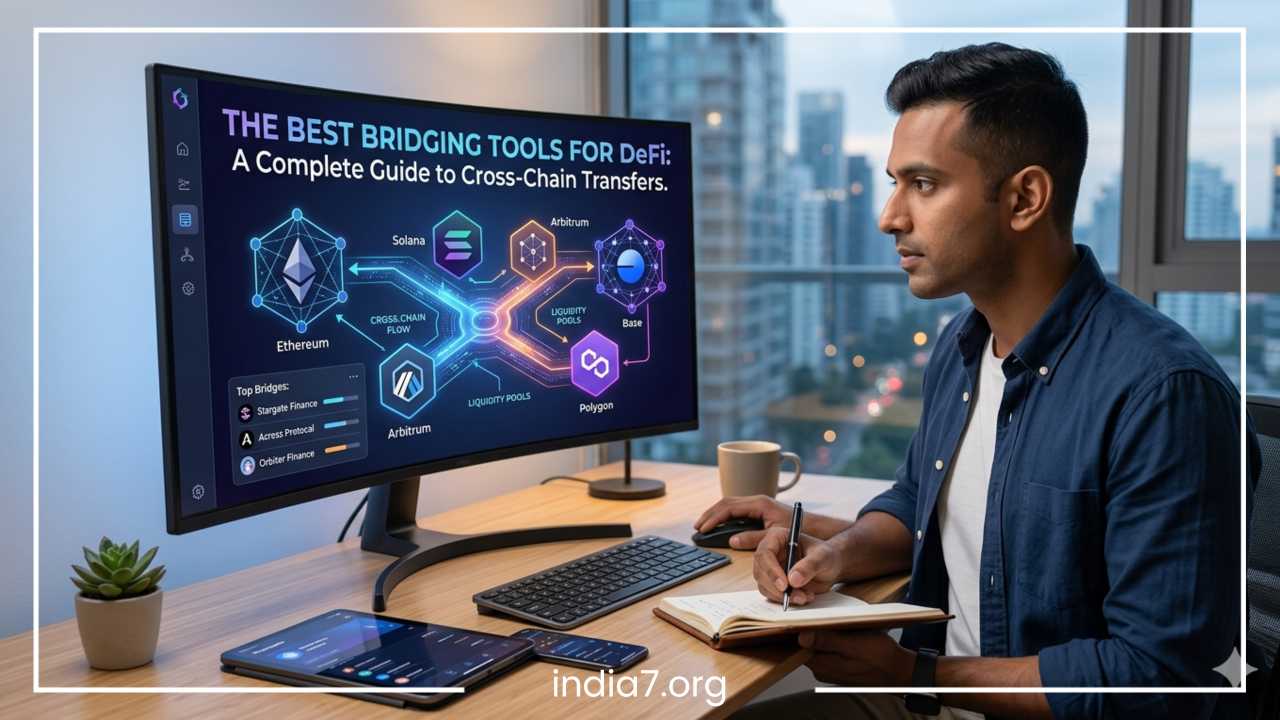
Best Cross-Chain Bridging Solutions
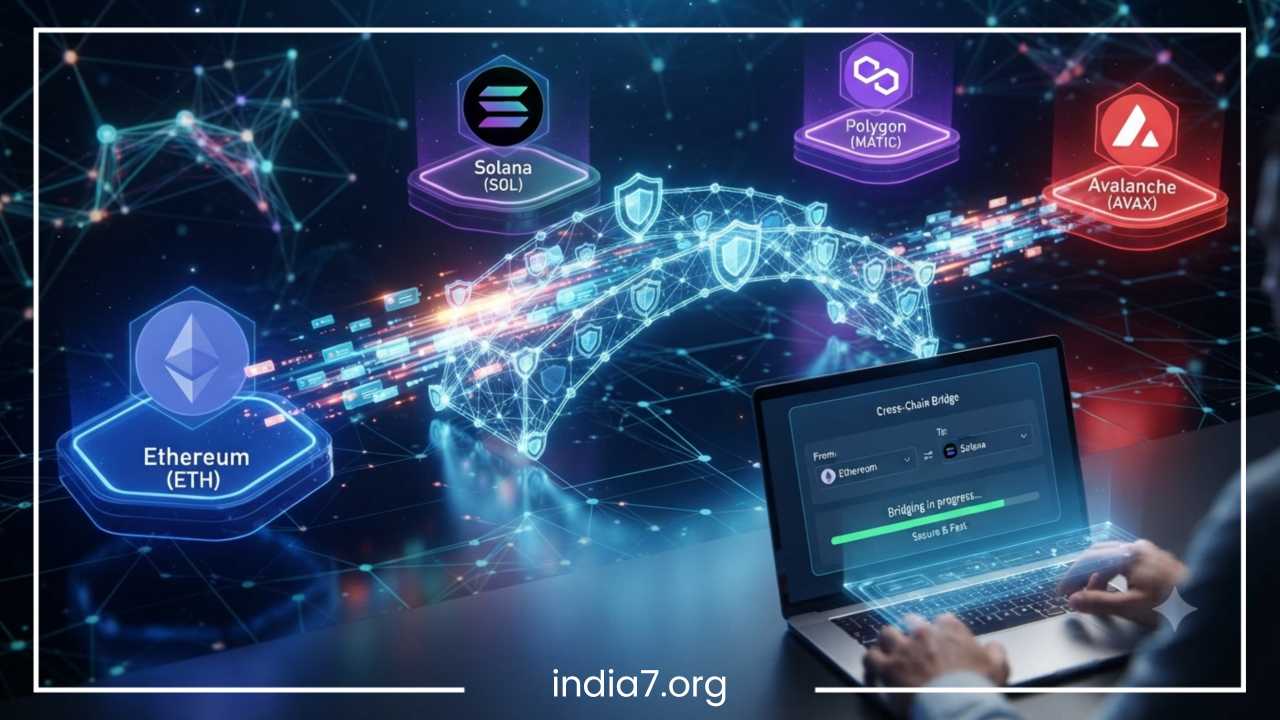
Best Cross-Chain Bridging Solutions | Secure & Fast Blockchain Bridges
The blockchain ecosystem has evolved from a single dominant network into a thriving, multi-chain landscape. While Bitcoin and Ethereum laid the groundwork, the proliferation of alternative Layer 1 chains and Layer 2 scaling solutions has transformed decentralized finance. Today, users regularly interact with diverse environments, including Ethereum, Solana, BNB Chain, Arbitrum, Polygon, Base, and Avalanche.
However, this multi-chain expansion introduces a critical fragmentation challenge. Blockchains are inherently isolated databases designed with distinct consensus mechanisms, cryptographic rules, and state management systems. An asset native to the Ethereum Mainnet cannot natively exist on Solana or Avalanche. Without a mechanism to bridge these networks, liquidity becomes trapped in siloes, and user capital efficiency plummets.
This is where cross-chain interoperability becomes vital. A crypto bridge serves as the digital infrastructure connecting these independent ecosystems, allowing users to transfer assets and data across disparate networks.
In this comprehensive guide, we will analyze the best cross-chain bridging solutions available today. You will learn exactly how these systems function, the fundamental architectural differences that govern them, the key security considerations to keep in mind, and a detailed breakdown of the top platforms driving the future of blockchain interoperability.
Read: Making a PPI Claim Through Expert Assistance
What Are Cross-Chain Bridging Solutions?
A cross-chain bridge is a protocol that enables the transfer of assets, data, or smart contract instructions between two or more independent blockchain networks. Instead of locking users into a single environment, these solutions create pathways for cross-chain interoperability, allowing value and logic to flow freely across the broader Web3 landscape.
To understand how a cross-chain bridge functions, it helps to look at the underlying mechanisms that govern asset transfers. Blockchains cannot literally “send” a cryptocurrency token from one ledger to another. Instead, they rely on several core operational models to achieve the same result:
-
Token Wrapping (Lock-and-Mint): In a traditional lock-and-mint model, the user deposits a native token into a smart contract or vault on the source chain (e.g., Ethereum). Once the deposit is verified, the bridge mints an equivalent amount of a synthetic asset, known as a wrapped token (e.g., Wrapped BTC or Wrapped ETH), on the destination chain (e.g., Solana).
-
Burn-and-Release: When a user wants to move their assets back to the original network, they initiate a transaction that destroys or burns the wrapped tokens on the destination chain. Upon receiving proof of this burn, the smart contract on the source chain unlocks and releases the original native assets back to the user’s wallet.
-
Native Asset Transfers via Liquidity Pools: Instead of creating synthetic or wrapped assets, some modern bridging solutions maintain deeply funded pools of native assets on multiple chains. When a user transfers capital, they deposit a native token into the source chain pool, and the bridge releases the corresponding native token from its pool on the destination chain.
By orchestrating these mechanisms, cross-chain bridging solutions facilitate seamless asset transfers, promote fluid liquidity movement, and eliminate the friction associated with moving capital across the decentralized economy.
Read: How to Become a Financial Advisor: It is Easier than You Thought!
Why Cross-Chain Bridges Matter
The need for robust cross-chain bridging solutions stems directly from the rapid diversification of the decentralized web. As developers launch specialized blockchains optimized for speed, low cost, or specific use cases, users require reliable pathways to navigate between them. Bridges offer several critical advantages:
-
Access DeFi Across Multiple Chains: Decentralized finance is no longer exclusive to Ethereum. Yield opportunities, decentralized exchanges, and lending protocols exist across dozens of platforms. Bridges allow users to move capital to wherever the most lucrative opportunities reside.
-
NFT Transfers and Gaming Ecosystems: Digital collectibles and Web3 gaming ecosystems are spread across networks like Polygon, Immutable, Solana, and Base. Cross-chain solutions allow players to migrate their non-fungible tokens or in-game currencies between platforms seamlessly.
-
Lower Transaction Fees and Faster Processing: High gas fees on Ethereum Mainnet can price out retail participants. By utilizing a Layer 2 bridge, users can efficiently shift their assets to low-cost networks like Arbitrum, Optimism, or Base to conduct transactions for pennies, before bridging back if necessary.
-
Optimized Multi-Chain Portfolios: Investors can diversify their holdings across different ecosystems, leveraging the unique strengths of various networks without needing to continuously convert their assets back into fiat currency or centralized stablecoins.
Ultimately, bridges turn isolated ledger architectures into an interconnected global web of value, dramatically improving capital efficiency and accelerating the adoption of decentralized applications.
Read: Managing Money Efficiently – How is This Possible in a Tough Economy?
Types of Cross-Chain Bridges
Not all blockchain bridges are designed equally. Their underlying architecture dictates how transactions are verified, who controls the assets, and what trust assumptions a user must accept. The four primary models include:
Trusted (Custodial) Bridges
Trusted bridges rely on a centralized entity, federation, or set of operators to manage the funds. When you use a trusted bridge, you deposit your assets into a wallet controlled by a custodian, who then issues the corresponding assets on the destination network.
-
Pros: Generally offer high transaction speed, low user fees, and simple user interfaces.
-
Cons: Users must surrender custody of their private keys. The central operator represents a single point of failure and a potential regulatory or security risk.
-
Examples: Centralized exchange withdrawal routing, Wrapped Bitcoin (wBTC) managed by BitGo, and official corporate-backed bridges.
Trustless Bridges
Trustless bridges eliminate the middleman by replacing human custodians with smart contracts, decentralized validator networks, and cryptographic proofs. Security is enforced directly by the mathematical rules of the underlying protocols.
-
Pros: Users maintain self-custody of their funds throughout the entire transaction. Higher transparency and censorship resistance.
-
Cons: Heavily reliant on the absolute security of the smart contract code. If the code contains a vulnerability, it can be exploited regardless of the network’s decentralization.
-
Examples: Native Layer 2 roll-up bridges (such as the Arbitrum Bridge or Optimism Portal), and light-client based validation systems.
Liquidity Network Bridges
Liquidity networks operate via peer-to-peer or router-based systems. Instead of minting synthetic wrapped tokens, these networks utilize pools of native assets established across different chains. Market makers or independent routers fulfill the user’s transaction on the target chain in exchange for a small rebalancing fee.
-
How they work: If you want to bridge native USDC from Ethereum to Arbitrum, you send USDC to a router on Ethereum. The system alerts a corresponding router on Arbitrum, which immediately sends native USDC to your destination address from its own reserves.
Messaging Protocol Bridges
Messaging protocols represent a broader evolution in cross-chain design. Rather than merely moving tokens, these platforms focus on general message passing. They allow distinct smart contracts on completely different blockchains to communicate and trigger actions directly with one another. This enables cross-chain borrowing, multi-chain governance voting, and uniform applications that exist natively on multiple networks simultaneously.
Key Features to Look for in a Cross-Chain Bridge
When selecting a multi-chain bridge to bridge cryptocurrency, you should evaluate several operational and security factors to ensure your capital remains safe and your transactions remain cost-effective.
Security and Smart Contract Audits
Security is the absolute priority when choosing a crypto bridge. Because bridges hold massive amounts of capital locked in smart contracts, they are premier targets for malicious actors. Always check if the protocol undergoes continuous, rigorous smart contract audits by reputable third-party cybersecurity firms.
Supported Networks and Assets
A bridge is only as valuable as the networks it connects. Ensure the platform natively supports your specific target routes, whether you need to bridge ETH to Base, move stablecoins to Solana, or interact with Cosmos app-chains.
Transaction Speed and Liquidity
The time it takes to complete a cross-chain transfer varies heavily by bridge design. Liquidity networks can often complete transfers in seconds or minutes, whereas certain native trustless bridges (like Optimistic Rollup exit paths) can take up to seven days due to dispute challenge windows. Deep liquidity ensures that large transactions do not suffer from significant slippage.
Fees and User Experience
Bridge fees typically consist of source chain gas fees, destination chain execution fees, and protocol processing fees. Look for platforms that optimize gas usage and provide clear, transparent upfront breakdowns of all costs. The user interface should be intuitive, offering real-time transaction tracking and clear status indicators.
Best Cross-Chain Bridging Solutions
Across Protocol
Across Protocol is an intent-based bridging solution optimized for Layer 2 networks and Ethereum. It relies on an innovative architecture where independent relayers fulfill user intents immediately using their own capital, taking on the short-term settlement risk in exchange for a fee. The system is secured by a decentralized optimistic oracle, which verifies the validity of the relayers’ claims after the fact.
-
Pros: Exceptionally fast transfer speeds (often under a minute) and incredibly low gas fees due to optimized capital efficiency. Excellent protection against MEV (Maximal Extractable Value) exploitation.
-
Cons: Primarily focused on the Ethereum ecosystem and EVM-compatible Layer 2s; limited support for non-EVM chains.
-
Best For: Fast, cost-efficient native asset transfers between Ethereum, Arbitrum, Optimism, Base, Polygon, and Linea.
-
Supported Chains: Ethereum, Arbitrum, Optimism, Base, Polygon, zkSync, Linea, and other major EVM rollups.
Stargate Finance
Built on top of LayerZero’s messaging infrastructure, Stargate Finance is a fully composable liquidity transport protocol. It solves the “bridging trilemma” by offering instant guaranteed finality, unified liquidity pools across multiple chains, and the ability to handle native asset transfers without relying on intermediate wrapped tokens.
-
Strengths: Highly secure, deeply liquid stablecoin pools (USDC, USDT), and native cross-chain asset swaps. It allows decentralized applications to embed Stargate directly into their interfaces, allowing users to swap assets across chains in a single click.
-
Supported Chains: Ethereum, BNB Chain, Avalanche, Polygon, Arbitrum, Optimism, Base, Fantom, and Metis.
-
Pros & Cons: The user interface is clean and accessible for beginners, and native token transfers eliminate wrapped asset smart contract risks. However, transaction fees can occasionally scale upward during periods of high Ethereum mainnet congestion.
Synapse Protocol
Synapse Protocol is an extensible cross-chain communication framework that supports both general message passing and asset bridging. It utilizes an optimistic security model where a network of validators monitors cross-chain transactions, supplemented by independent actors who can flag fraudulent activity before final settlement occurs.
-
Overview: Synapse features an integrated decentralized exchange (AMM) functionality, allowing the protocol to swap assets dynamically during the bridging process. For example, you can swap AVAX on Avalanche directly into ETH on Arbitrum within a single transaction sequence.
-
Security: Multi-layered verification combining cryptographic signatures with economic incentives for honest validation.
-
Supported Chains: Over 30 networks, including Ethereum, Arbitrum, Optimism, Base, Solana, BNB Chain, Avalanche, Polygon, and Canto.
-
Use Cases: Capital reallocation, multi-chain yield farming, and direct cross-chain asset swaps between diverse execution environments.
Hop Protocol
Hop Protocol pioneered the concept of using automated market makers (AMMs) and intermediate tokens called “hTokens” to facilitate rapid asset transfers between Ethereum Layer 2 networks. Hop uses “Bonders” who front the required liquidity on the destination chain, allowing users to bypass the standard exit waiting periods imposed by rollup architectures.
-
Overview: Hop focuses strictly on scaling solutions anchored to the Ethereum mainnet. The protocol mints hTokens (e.g., hUSDC, hETH) which can be quickly moved between chains and then swapped for native tokens via local liquidity pools.
-
Ethereum Layer 2 Support: Exceptional depth for core Ethereum rollups.
-
Pros: Highly secure architecture with predictable settlement times; completely bypasses the seven-day withdrawal delay of optimistic rollups.
-
Cons: UI can occasionally feel technical for new users; liquidity pools for smaller assets can sometimes experience temporary imbalances.
Orbiter Finance
Orbiter Finance is a decentralized cross-chain bridge specifically tailored for Ethereum Layer 2 scaling networks. It utilizes a decentralized network of “Makers” who supply liquidity to fulfill transactions. Orbiter uses an optimistic aggregation model, completely eliminating the need for traditional smart-contract-based minting and burning processes during individual transfers.
-
Focus Areas: Ethereum Layer 2 ecosystems, with specialized optimization for Base, Arbitrum, Optimism, Linea, Scroll, Loopring, and zkSync.
-
Key Features: Near-instantaneous execution times (frequently under 30 seconds) and ultra-low interface fees. Because the transfer goes directly to a Maker’s address, gas consumption is minimal.
-
Limitations: Transaction amounts are sometimes subject to maximum caps imposed by individual Maker pool allocations to maintain safety standards.
deBridge
deBridge acts as a high-performance cross-chain interoperability and messaging layer that enables the secure transfer of arbitrary data and assets. It operates via a dedicated network of independent validators elected by governance.
-
Cross-Chain Messaging: deBridge allows developers to build cross-chain smart contracts where an action on Chain A triggers an instant execution on Chain B.
-
Institutional Support & Developer Features: Features specialized APIs and SDKs designed for institutional liquid yield routing and enterprise integrations. It enables zero-slippage transfers via its dePort infrastructure.
-
Supported Ecosystems: EVM chains seamlessly connected to non-EVM environments, including native support for Solana.
Wormhole
Wormhole is a foundational, decentralized cross-chain messaging protocol that connects high-value blockchain networks. It uses a network of distributed nodes known as “Guardians” who monitor state changes across supported blockchains and sign messages to confirm cross-chain transactions.
-
Solana Ecosystem Integration: Wormhole is historically recognized as the primary gateway connecting the Solana ecosystem to the Ethereum Virtual Machine (EVM) world.
-
Cross-Chain Messaging Capability: Beyond simple token transfers, Wormhole supports full generic messaging, allowing developers to construct cross-chain decentralized applications (xApps).
-
Core Infrastructure: Powers the Portal Bridge, a popular consumer-facing web interface used to bridge crypto assets between diverse ecosystems seamlessly.
LayerZero
LayerZero is an omnichain interoperability protocol designed for lightweight, secure message passing across distinct blockchains. It avoids the traditional reliance on an intermediate chain or heavy on-chain light clients. Instead, LayerZero splits the validation responsibility between two independent entities: an Oracle and a Relayer.
-
Omnichain Interoperability: By ensuring that the Oracle and Relayer do not collude, LayerZero achieves immediate, highly secure message validation.
-
Omnichain Fungible Tokens (OFTs): LayerZero introduced the OFT standard, which allows token issuers to launch a single cryptocurrency token that can exist natively across multiple blockchains without wrapping. The token is burned on the source chain and minted on the destination chain natively.
-
Developer Ecosystem: Thousands of applications use LayerZero as their underlying infrastructure to power cross-chain governance, multi-chain lending, and unified gaming architectures.
Comparison Table
| Bridge | Supported Chains | Fees | Speed | Security Model | Best For |
| Across Protocol | Ethereum, Arbitrum, Optimism, Base, Polygon | Very Low | Fast (~1 min) | Intent-based with Optimistic Oracle | High-speed, low-cost L2 transfers |
| Stargate Finance | EVM Ecosystem (Ethereum, BNB, Avalanche, Base) | Moderate | Moderate (2–5 mins) | LayerZero Oracle/Relayer architecture | Native stablecoin transfers and swaps |
| Synapse Protocol | EVM Networks, Solana | Moderate | Fast (3–5 mins) | Optimistic verification with validators | Swapping disparate assets across chains |
| Hop Protocol | Ethereum, Arbitrum, Optimism, Polygon | Moderate | Fast (5–10 mins) | Liquidity Bonders & AMM pools | Bypassing standard L2 exit delays |
| Orbiter Finance | Focus on L2s (Base, Arbitrum, zkSync, Scroll) | Low | Ultra-Fast (<1 min) | Maker-based optimistic transfer model | Retail users seeking fast L2 asset moves |
| deBridge | EVM Chains and Solana | Low | Fast (<2 mins) | Distributed Guardian validator network | High-performance Solana-to-EVM bridging |
| Wormhole | Ethereum, Solana, Cosmos, Suite of EVM chains | Moderate | Moderate (3–10 mins) | Guardian Node signature verification | Connecting Solana to the EVM landscape |
| LayerZero | Comprehensive Omnichain (EVM, Non-EVM) | Variable | Dependent on Chain | Decentralized Oracle and Relayer split | Omnichain application development (OFTs) |
Security Risks of Blockchain Bridges
While cross-chain bridging solutions offer immense freedom, they represent one of the most structurally vulnerable areas in the Web3 landscape. Because bridges act as massive honeypots holding millions of dollars in locked value, they are frequent targets for highly sophisticated exploits. Understanding these risks is crucial:
Technical and Operational Risks
-
Smart Contract Exploits: If code logic contains minor oversights, attackers can manipulate the lock-and-mint variables to mint synthetic tokens without depositing actual collateral on the source chain.
-
Validator and Guardian Compromise: Bridges that rely on a small multi-signature or validation set can be subverted if an attacker gains access to a threshold number of private keys.
-
Slippage and Liquidity Risks: During periods of intense market volatility, bridge liquidity pools can become heavily unbalanced. If you attempt a large transfer through an underfunded pool, you may experience heavy slippage, receiving far fewer tokens on the destination chain than anticipated.
User Vulnerabilities and Scams
-
Fake Bridge Websites and Phishing: Malicious actors frequently launch exact visual clones of popular platforms like Orbiter, Stargate, or Across via sponsored search results. Connecting your wallet to a phishing clone can grant bad actors permission to drain your entire balance.
-
Malicious Address Spoofing: Always visually double-check your destination wallet address before executing a transfer to ensure malware has not modified your clipboard details.
Best Practices for Safe Bridging
To protect your capital while utilizing a multi-chain bridge, incorporate these safety habits into your regular workflow:
-
Verify the URL Destined for Asset Transfers: Never click on sponsored ads or unverified social media links. Bookmark the official documentation pages of the bridge you intend to use.
-
Utilize Hardware Wallets: Keep your primary funds secured on a hardware wallet, and only authorize individual transactions manually after reviewing the contract parameters.
-
Start with a Small Test Transfer: Before moving substantial capital across a bridge, execute a minor transaction first. Confirm that the funds successfully arrive in your destination wallet before sending the remainder.
-
Revoke Token Approvals Permanently: After completing a cross-chain transfer, use tools like Revoke.cash to cancel unlimited spending permissions previously granted to the bridge’s smart contracts.
How to Choose the Right Cross-Chain Bridge
Selecting the perfect bridge depends entirely on your immediate transactional goals and risk tolerance. Consider these variables when deciding:
-
Assess the Specific Assets and Target Networks: If you are interacting exclusively with Ethereum Layer 2s like Arbitrum or Base, highly specialized L2 solutions like Across Protocol or Orbiter Finance are optimal. If you need to jump between Solana and EVM chains, Wormhole or deBridge provide dedicated infrastructure.
-
Balance Speed Requirements Against Costs: When execution speed is vital, intent-based networks or liquidity networks will deliver results in seconds. If you are moving massive amounts of capital where minor percentage fees outweigh timing concerns, look for deeply liquid protocols that guarantee minimal slippage.
-
Factor in Governance and Decentralization: Institutional users or individuals prioritizing structural longevity may prefer fully decentralized, open-source trustless options or native rollup bridges over federated multi-sig systems, accepting slightly longer confirmation windows in exchange for maximized security assurances.
Future of Cross-Chain Interoperability
The cross-chain space is moving rapidly toward a future where the complexities of individual blockchains are hidden entirely from the end user. Several emerging trends are shaping this landscape:
-
Intent-Based Bridging: Instead of specifying every technical step of a cross-chain transaction, users simply state their desired outcome (e.g., “Buy this NFT on Arbitrum using my ETH on Mainnet”). Professional solvers then compete to execute the request instantly, absorbing the complex routing paths behind the scenes.
-
Chain Abstraction: The industry is progressing toward a model where users do not need to manually switch network settings in their wallets or constantly bridge cryptocurrency. Applications will handle multi-chain deployment natively, providing a smooth user experience reminiscent of traditional web applications.
-
Zero-Knowledge (ZK) Interoperability: Future bridging infrastructure will heavily integrate zero-knowledge proofs. By generating mathematical proofs of state changes on a source chain, bridges can verify transfers on a destination chain without relying on trusted validator subsets or lengthy optimistic challenge periods.
Final Thoughts
Cross-chain bridging solutions are the connective tissue of the modern decentralized web. By breaking down the barriers between isolated networks, they empower users to navigate the multi-chain ecosystem with unprecedented freedom, moving capital efficiently to capture yield, trade assets, or engage with decentralized applications.
However, cross-chain exploration requires caution. Because bridges face distinct security threats, you must always prioritize protocol security over sheer speed or marginal cost savings. By selecting established, thoroughly audited platforms like Across, Stargate, Synapse, or LayerZero, and adhering strictly to safety best practices, you can confidently navigate the multi-chain future securely and efficiently. Always research supported networks and verify smart contract details before initiating an asset transfer.
Frequently Asked Questions (FAQ)
What is the safest cross-chain bridge for crypto?
The safest cross-chain bridges are native trustless bridges (such as the official Arbitrum Bridge or Optimism Portal) and high-performance protocols like Across Protocol or Stargate Finance that utilize advanced smart contract auditing, optimistic validation, or decentralized messaging systems. While no bridge is completely free of risk, avoiding centralized, custodial bridges reduces the chance of counterparty collapse, and sticking to protocols with large Total Value Locked (TVL) and historical resilience offers the best protection.
How do I bridge ETH to Base network safely?
To bridge ETH to the Base network safely, you can use the official Base Bridge or high-speed third-party platforms like Across Protocol and Orbiter Finance. Connect your Web3 wallet (such as MetaMask or Coinbase Wallet), set Ethereum as your source network and Base as your destination network, enter the amount of ETH, and confirm the transaction. Always verify the platform’s URL carefully to prevent falling victim to phishing clones.
What are the cheapest blockchain bridges with low gas fees?
The cheapest blockchain bridges that prioritize low transaction fees include Across Protocol, Orbiter Finance, and deBridge. These platforms avoid expensive on-chain operations by using intent-based architectures or liquidity networks. Instead of executing heavy smart contract minting on the Ethereum Mainnet, independent relayers fulfill your transaction immediately on the destination Layer 2 network, keeping your network gas fees minimal.
Can you bridge crypto from Ethereum to Solana directly?
Yes, you can bridge crypto from Ethereum to Solana directly using interoperability protocols like Wormhole (via Portal Bridge) or deBridge. Because Solana is fundamentally a non-EVM (Ethereum Virtual Machine) blockchain with distinct token standards, these bridges handle the complex cross-chain infrastructure behind the scenes, allowing you to move assets like USDC, USDT, and ETH into native Solana spl-tokens seamlessly.
What happens if a crypto bridge transaction fails or gets stuck?
If a crypto bridge transaction gets stuck, your funds are rarely lost permanently; they are typically held safely in the source network’s deposit contract or an intermediate liquidity router. Transactions generally stall due to low gas parameters or sudden destination network congestion. Most top-tier bridging platforms offer an on-site transaction tracker where you can claim your assets manually or submit a supplementary execution fee to push the transaction through.
Why do some cross-chain bridges require a 7-day withdrawal period?
The seven-day withdrawal delay is a native security feature built specifically into Optimistic Rollup bridges (such as the native Arbitrum and Optimism bridges). This structural window gives network validators ample time to submit a “fraud proof” if someone tries to broadcast an invalid transaction. If you need to bypass this security window to withdraw capital quickly, you can use liquidity networks like Hop Protocol or Across Protocol, where market makers front you the native funds instantly for a small premium.