Best Banks for Multiple Currency Accounts

Best Banks for Multiple Currency Accounts | Top Multi-Currency Banking Options
Managing money across borders used to be a privilege reserved for multinational corporations and the ultra-wealthy. Today, globalization and digital infrastructure have fundamentally decentralized the way we live and work. A freelancer in Mumbai can easily design a website for a tech startup in London, while an import-export business in Miami routinely coordinates inventory orders from manufacturers based across Western Europe.
As the borders of the professional and consumer markets continue to blur, standard banking frameworks often struggle to keep pace. Relying on a traditional, single-currency bank account to process global transactions usually means dealing with slow processing times and hefty foreign exchange fees.
Multi-currency accounts offer a practical solution to these issues. By allowing account holders to hold, manage, send, and receive various currencies under a single banking umbrella, these financial tools minimize friction and protect your bottom line from market volatility. This comprehensive guide details the best banks for multiple currency accounts, analyzes top multi-currency banking options, and breaks down the exact features you should look for to secure the right fit for your personal or commercial needs.
Read: Prioritize the Needs & Wants for Building Your Dream Home
What Is a Multi-Currency Account?
A multi-currency account is a specialized financial arrangement that allows you to store, manage, and transact in more than one currency within a single account infrastructure. Instead of opening distinct, isolated bank accounts in every country where you conduct business, a multi-currency account assigns you a single account number or unified portal containing multiple currency wallets or sub-accounts.
Understanding how a multi-currency account differs from alternative international financial instruments is essential for making an informed choice.
Multi-Currency Accounts vs. Regular Savings Accounts
A standard local savings or checking account is built to operate inside a single domestic sovereign currency. When foreign currency enters a regular account, the bank automatically converts those funds into your local currency at their proprietary, retail exchange rate. This process strips away your control over conversion timing. In contrast, a multi-currency account lets you retain incoming foreign funds in their original form indefinitely.
Multi-Currency Accounts vs. Forex Cards
Forex cards are pre-paid instruments built primarily for tourists. You load them with a set amount of foreign cash before a trip to freeze the exchange rate for holiday retail spending. However, forex cards are highly restrictive. They generally cannot accept incoming wire transfers from third-party global clients, nor do they provide you with native routing and account numbers to run an ongoing business or freelance operation.
Multi-Currency Accounts vs. International Remittance Services
Traditional remittance companies are designed purely for point-to-point transactional movement. They move money from point A to point B, executing a forced conversion along the way. They do not offer a storage mechanism. A multi-currency account functions as a complete banking ecosystem where storage, optimization, collection, and distribution occur in one centralized place.
When you open a multi-currency account, funds are segregated into individual currency balances (such as US Dollars, Euros, British Pounds, and Singapore Dollars). You can swap balances internally whenever market rates lean in your favor, or deploy them directly into international payment networks without triggering automatic, costly currency conversions.
Read: Effective Informative Ideas About PPI Claims
Key Benefits of Multi-Currency Accounts
Operating through multi-currency banking architecture provides concrete operational advantages that elevate both personal financial flexibility and business profitability.
Avoiding Conversion Fees
Every time a traditional banking institution converts money, they take a percentage slice through a retail markup added to the interbank exchange rate. By retaining capital in its native currency, you bypass this conversion cycle entirely. If you receive US Dollars from a client, you can store those dollars and use them directly to pay a vendor who bills in US Dollars.
Faster International Payments
Traditional cross-border wire transfers can take anywhere from three to five business days to clear as they move through various intermediary clearing houses. Multi-currency accounts frequently leverage local clearing networks (like SEPA in Europe or ACH in the United States), turning slow cross-border transfers into fast, near-instantaneous domestic payments.
Better Exchange Rate Control
Currency values fluctuate constantly due to geopolitical shifts and macroeconomic indicators. Multi-currency accounts allow you to hold onto foreign capital and wait out temporary market drops. This gives you the freedom to convert your funds only when macro exchange rates align with your target profit targets.
Ideal for Freelancers and Remote Workers
Independent professionals often lose a sizeable chunk of their hard-earned income to platform conversion penalties. Holding a multi-currency account allows a freelancer to supply international clients with native bank routing details, making the payment experience seamless for the employer and far more lucrative for the worker.
Benefits for Businesses and Import-Export Companies
For corporate entities dealing with international supply chains, multi-currency accounts serve as a vital tool for managing financial risk. Paying foreign manufacturing facilities and collecting revenues from global wholesale distributors out of a single hub protects corporate profit margins from sudden, adverse currency drops.
Read: Low Rate Finance Looks Like it Will be Here for Some Time to Come
How Multi-Currency Accounts Work
While managing multiple currency portfolios might sound highly complex, modern banking technology has streamlined the entire day-to-day workflow.
The journey starts with the account opening process and mandatory regulatory compliance. Whether you approach a legacy international commercial bank or a digital-first financial technology firm, you must complete standard Know Your Customer (KYC) protocols. This requires providing verified proof of identity, tax registration details, domestic residency documents, and clear explanations regarding the primary economic purpose of the account.
Once your profile is fully verified, your digital platform displays a dashboard containing separate wallets for your selected global currencies. Each major currency wallet often comes equipped with its own specific, localized banking details. For example, your Euro wallet will feature a European IBAN, while your US Dollar wallet will display a traditional American routing number and ACH transit code.
When an international transfer is initiated, the transaction route depends on the layout of the sending institution:
-
The SWIFT Network: For legacy global banking networks, the account handles inbound wires through the Society for Worldwide Interbank Financial Telecommunications (SWIFT) system, routing funds safely through established global clearing channels.
-
Local Clearing Corridors: Whenever possible, advanced multi-currency platforms bypass SWIFT completely, routing the transaction directly through local domestic infrastructure like Faster Payments in the United Kingdom or FedNow/ACH in the United States.
To make these accounts even more practical, banks frequently link them to an integrated multi-currency debit card. This smart card automatically detects the geographical point-of-sale location during a transaction. If you step off a flight in Paris and purchase an espresso, the card scans your internal wallets, recognizes the domestic transaction demand, and deducts the funds directly from your Euro balance without charging any foreign transaction fees.
Features to Look for in the Best Multi-Currency Banks
Not all multi-currency accounts are constructed equally. To separate high-performing platforms from restrictive options, keep these key criteria in mind:
-
Number of Supported Currencies: Ensure the institution supports both primary global anchor currencies (USD, EUR, GBP, CAD, AUD, JPY) and the specific regional currencies required by your personal or business operations.
-
Exchange Rates and Hidden Fees: Look closely at how exchange rates are calculated. Platforms using the mid-market rate (the real midpoint between global buy and sell volumes) are almost always more economical than traditional institutions using retail markups.
-
Monthly Maintenance Charges: Some legacy institutions demand hefty monthly maintenance fees unless you keep a large amount of capital locked in their accounts.
-
International Transfer Fees: Review the explicit cost schedules for both incoming and outgoing international wire transactions, focusing on hidden intermediary bank fees.
-
Ease of Account Opening: Traditional corporate banking onboarding can take weeks and require in-person branch visits, whereas modern fintech providers often wrap up digital onboarding in a matter of hours.
-
Mobile Banking Experience: Since global financial moves happen around the clock, a smooth, reliable mobile app with biometric security and instant alerts is essential.
-
Debit Card Availability: Confirm whether the institution provides a physical or virtual debit card capable of multi-asset auto-switching during travel.
-
Security and Fraud Protection: Look for institutional guardrails like corporate deposit insurance (FDIC in the United States, FSCS in the United Kingdom) and advanced, end-to-end data encryption.
-
Integration with Business Tools: For business owners and independent contractors, check if the banking backend connects smoothly with accounting software like Xero or QuickBooks.
Best Banks for Multi-Currency Accounts
The global multi-currency banking sector is broadly divided into two camps: established legacy multinational banks and agile digital financial technology firms. Below is a detailed breakdown of the premier options leading the market today.
HSBC Global Money Account
HSBC is an international banking heavyweight with an expansive brick-and-mortar presence stretching across continents. Its Global Money Account is integrated directly into the standard HSBC mobile app for existing retail checking clients.
-
Supported Currencies: Allows accounts holders to hold, manage, and spend in up to 19 popular currencies including USD, EUR, GBP, CAD, AUD, HKD, and SGD.
-
Key Features: Offers instant, fee-free transfers between individual HSBC accounts worldwide through their Global View asset link. It also includes a dedicated multi-currency debit card that integrates easily with mobile wallets.
-
Fees: There are no monthly maintenance fees or direct transaction fees when executing transfers to other HSBC accounts.
-
Pros: Backed by full regulatory asset protection; ideal for moving money within HSBC’s extensive global retail network.
-
Cons: Access is restricted solely to individuals who already hold an eligible primary checking account with HSBC.
-
Best Use Case: Highly recommended for affluent expatriates, international students, and frequent travelers who prefer the security of a historic, traditional global banking institution.
Citibank Global Accounts
Citibank stands out for its sophisticated wealth management solutions and seamless cross-border corporate banking capabilities designed for high-net-worth individuals and scaling businesses.
-
Supported Currencies: Provides robust banking capabilities covering more than 50 distinct foreign currencies via specialized banking tiers.
-
Key Features: Features the Citi Global Transfers network, enabling instantaneous cross-border account transfers. Higher wealth tiers unlock dedicated international premium lounges and waived foreign transaction fees.
-
Fees: Standard account packages carry monthly service fees ranging from 5 USD to 15 USD unless specific enhanced direct deposit or average monthly balance triggers are met. High-tier accounts require significant balances to stay fee-free.
-
Pros: Unmatched institutional stability, premium global customer care, and an incredibly deep physical network in major international financial hubs.
-
Cons: Demands high capital deposits to unlock the best fee waivers, making it less accessible for early-stage freelancers.
-
Best Use Case: Tailored for corporate executives, high-earning remote professionals, and established businesses looking for an institutional banking partner.
Standard Chartered Multi-Currency Account
Standard Chartered specializes in emerging market corridors, offering excellent financial coverage across Asia, Africa, and the Middle East.
-
Supported Currencies: Focuses on roughly 10 to 14 core transaction currencies, with a strong emphasis on regional options like HKD, SGD, and AED alongside standard global currencies.
-
Key Features: Integrates online currency investment suites alongside standard multi-asset holdings, allowing users to earn interest yields on various foreign balances.
-
Fees: Operates on tiered minimum average monthly balance models, with non-compliance penalties if accounts drop below baseline limits.
-
Pros: Excellent customer service and smooth localized transaction handling across Asian and Middle Eastern trade routes.
-
Cons: Minimal retail branch coverage across North America and Europe, and stricter baseline balance requirements compared to digital competitors.
-
Best Use Case: Perfect for import-export firms and professionals whose primary commercial activities are tied to major Asian and Middle Eastern financial hubs.
Wise Multi-Currency Account
Wise (formerly TransferWise) disrupted global banking by prioritizing radical transparency, flat pricing structures, and an entirely digital user experience.
-
Supported Currencies: Allows users to hold and manage balances in more than 40 currencies simultaneously, while providing native domestic routing details for over 9 major global currencies.
-
Key Features: Issues dedicated local bank details (such as a US routing number, UK sort code, and European IBAN) even to non-residents. Transactions are processed using the exact mid-market exchange rate.
-
Fees: Zero monthly account maintenance fees. Small, fully transparent variable fees are charged per transaction during live conversion processes.
-
Pros: Incredibly affordable, simple setup process, and seamlessly integrates with popular business accounting software.
-
Cons: Because it operates as a specialized payment institution rather than a licensed depository bank, it does not offer overdraft protection or traditional business lending lines.
-
Best Use Case: The undisputed industry gold standard for freelancers, digital nomads, and small to medium e-commerce business owners selling globally.
Revolut
Revolut is a prominent financial technology app that has rapidly expanded from a travel-focused card into a versatile global financial super-app.
-
Supported Currencies: Supports holding, converting, and transacting in more than 30 global fiat currencies.
-
Key Features: Offers clear, tiered account plans (from Free accounts to Premium options). Paid tiers unlock useful lifestyle perks like lounge access, comprehensive travel insurance, and higher fee-free ATM limits.
-
Fees: The basic account tier is free. Paid subscription plans range from roughly 4 USD to 17 USD per month, depending on your location and chosen plan tier.
-
Pros: Striking modern user interface, built-in budgeting tools, and generous fee-free currency exchange quotas during standard foreign exchange market hours.
-
Cons: Charges additional percentage markups on weekend transactions when global currency markets are closed.
-
Best Use Case: Excellent for modern travelers, tech-focused expats, and lifestyle-oriented digital nomads who appreciate smart budgeting and spending tools.
Regional Traditional Banks (ICICI, HDFC, Axis Bank)
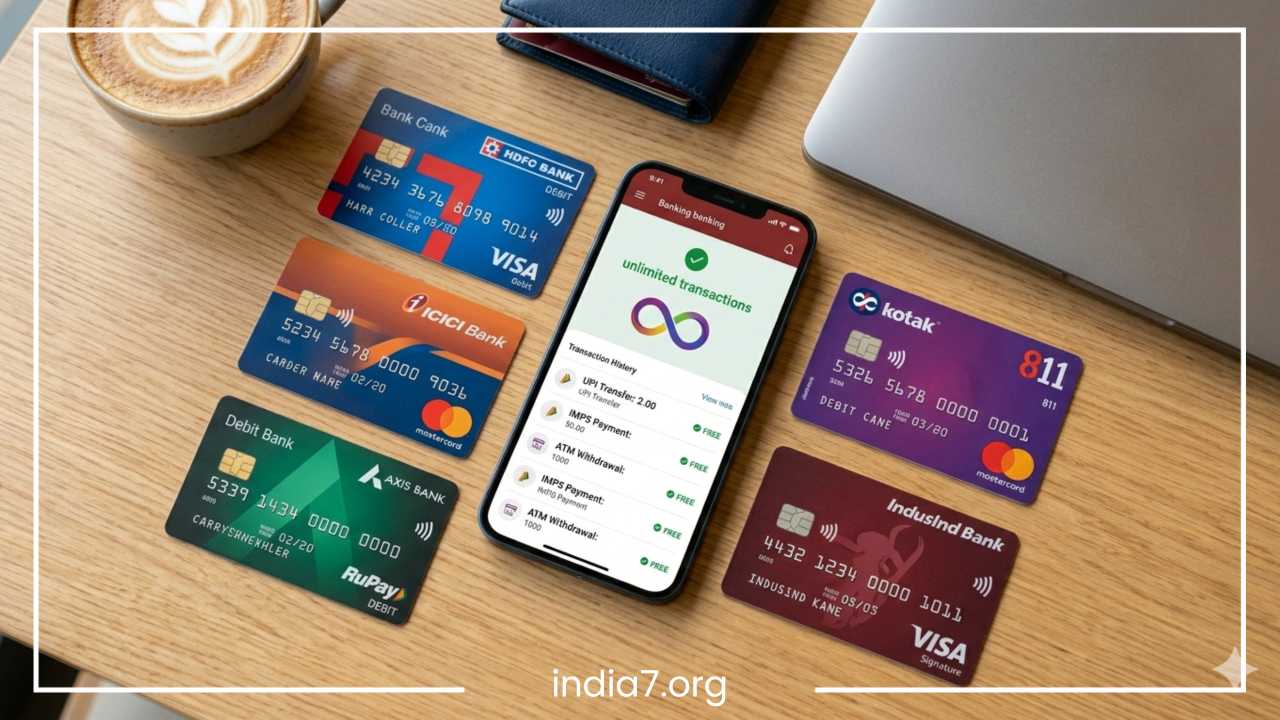
For residents and non-residents managing capital flowing into and out of South Asia, major regional banks like ICICI, HDFC, and Axis Bank provide specialized multi-currency products, typically structured as multi-currency forex cards or specialized NRI accounts.
-
Supported Currencies: Typically support 15 to 22 global currencies, focusing heavily on major trade corridors (USD, EUR, GBP, CAD, AUD, SGD, AED).
-
Key Features: These accounts are closely aligned with domestic capital controls and central bank compliance guidelines. They offer a secure bridge for managing foreign earnings alongside domestic assets.
-
Fees: Subject to structured foreign exchange margins and flat outward remittance fees, along with explicit tax handling charges dictated by local regulatory frameworks.
-
Pros: Complete compliance with domestic banking laws, making it easy to seamlessly move foreign income into local savings assets.
-
Cons: Less flexible than global fintech platforms, with higher overall transaction friction and more conservative digital account interfaces.
-
Best Use Case: Highly recommended for Non-Resident Indians sending money back home, or domestic businesses managing traditional international trade workflows under local currency rules.
Comparison Table
| Bank Name | Number of Currencies | Maintenance Fees | Best For | Card Availability |
| HSBC Global Money | Up to 19 | None (For account holders) | Existing HSBC clients and expatriates | Yes (Physical & Virtual) |
| Citibank Global | More than 50 | Balance-dependent waivers | High-net-worth individuals and corporations | Yes (Physical) |
| Standard Chartered | 10 to 14 | Minimum balance criteria applies | Asian and Middle Eastern trade lanes | Yes (Physical) |
| Wise Account | More than 40 | None | Freelancers and modern e-commerce | Yes (Physical & Virtual) |
| Revolut | More than 30 | Tiered models (Free to Paid) | Tech-focused travelers and digital nomads | Yes (Physical & Virtual) |
| Regional Options | 15 to 22 | Varies by account structure | South Asian expat corridors and trade | Yes (Forex Card options) |
Who Should Use a Multi-Currency Account?
Multi-currency banking is no longer a niche financial tool; it has become an essential asset for a wide range of global users.
Freelancers
Independent contractors working with clients across different time zones often face significant income loss from platform exchange markups. A multi-currency account allows them to bill international clients like a local, saving a substantial amount on every invoice.
Digital Nomads
Professionals who frequently change their geographic location need a banking hub that works wherever they go. Holding multiple currency balances allows them to avoid local currency conversion fees every time they cross a border.
Export and Import Businesses
Companies managing global supply chains use multi-currency setups to pay international factories and collect wholesale revenue. This protects their profit margins from sudden shifts in the currency markets.
Students Abroad
Students pursuing degrees in foreign countries can use these accounts to receive tuition and living allowances from their families back home, avoiding high international wire fees and retail currency markups.
Remote Employees
Professionals working directly for foreign companies can receive their full salaries in the employer’s native currency, giving them complete control over when and how they convert their earnings into their local currency.
Fees and Hidden Costs Explained
To accurately calculate the true cost of a multi-currency account, you need to look past advertising headlines and understand the underlying fee structures.
Currency Conversion Spreads
The absolute largest hidden cost in banking is the currency conversion spread. The interbank or mid-market rate is the real exchange rate traded between large financial institutions. Most traditional retail banks add a silent markup—often between 1% and 5%—to this rate. When you review a bank’s terms, always compare their quoted rate against the independent mid-market rate to see exactly how much markup is built-in.
ATM Withdrawal Charges Abroad
Even if an account supports a local currency, the issuing bank or the foreign ATM operator may charge flat fees per cash withdrawal once you leave your home country. Many digital banks offer a set amount of fee-free global ATM withdrawals each month, after which a flat percentage fee applies.
Inactivity Fees
Certain institutions implement maintenance penalties if an account sits dormant without any transaction volume over a long period. This is an important consideration if you only intend to use the account for occasional, seasonal travel.
SWIFT Charges
When money moves through the traditional SWIFT network, it often travels through multiple third-party intermediary banks. Each of these intermediary institutions can deduct an automated handling fee from the main transfer amount before it reaches the final destination.
Here is a clear look at how traditional banks differ from modern fintech platforms across these fee categories:
| Fee Category | Traditional Global Banks | Fintech Platforms |
| FX Conversion Method | Retail rate markup (higher cost) | Mid-market rate + transparent fee |
| Onboarding Cost | Free, but requires high entry deposits | Free, with low or no deposit minimums |
| Transfer Architecture | Relies heavily on the SWIFT network | Uses local domestic clearing corridors |
Pros and Cons of Multi-Currency Accounts
Pros
-
Unmatched Transactional Convenience: Manage all your international assets and payments through a single digital dashboard.
-
Substantial Cost Savings: Bypassing unnecessary conversion cycles protects your income from expensive retail exchange markups.
-
Faster Processing Times: Utilizing local clearing systems allows you to send and receive funds much faster than traditional international wires.
Cons
-
Minimum Balance Rules: Legacy commercial banks often require you to maintain large balances to waive their monthly account fees.
-
Geographic Availability Restrictions: Due to strict international financial regulations, certain platforms cannot offer local banking details to residents of specific countries.
-
Strict Regulatory Checks: Because these accounts cross borders, they are subject to rigorous anti-money laundering compliance audits, which can occasionally lead to unexpected transaction delays.
How to Choose the Right Multi-Currency Bank
Finding the right multi-currency banking partner depends heavily on your specific financial situation and daily transactional workflows.
First, take a close look at your primary use case. If you are an independent freelancer or own a growing e-commerce brand, your priority should be minimizing conversion spreads and securing native local routing numbers to collect client payments smoothly. In this scenario, digital-first fintech platforms are typically the most efficient and cost-effective choice. However, if you are an affluent expat managing long-term investments, high-value real estate purchases, or cross-border wealth transfers, the asset security and premium customer support of a traditional multinational bank are often worth the higher balance requirements.
Next, analyze your exact geographical requirements and the specific currencies you need to handle. Make sure the provider you choose fully supports your core currencies and offers cost-effective access to the regional payment networks you use most.
Finally, weigh the balance between traditional, established institutions and digital-first alternatives. Traditional banks offer full deposit insurance and an extensive network of physical branches, but they often come with slower digital tools and higher overall fee structures. On the flip side, fintech providers deliver a fast, user-friendly mobile experience and transparent, low-cost pricing, but they lack physical branch locations and traditional loan services.
Alternatives to Multi-Currency Accounts
If a full multi-currency account feels more complex than what you currently need, there are several alternative options available for handling international payments.
Specialized Transfer Providers
Platforms focused solely on digital money transfers allow you to execute single, point-to-point cross-border payments directly into a recipient’s local bank account. This is a simple option if you just need to send money abroad occasionally and don’t need a way to store foreign currency long-term.
Payoneer
Payoneer is a popular choice for marketplace sellers and international freelancers. It provides localized collection accounts to receive corporate payouts from major global platforms, though it generally carries higher conversion fees than dedicated multi-currency accounts when moving money to your local bank.
PayPal Business Accounts
PayPal has an incredibly wide global reach and integrates smoothly into almost any e-commerce checkout flow. However, it is also known for charging significant currency conversion spreads and cross-border transfer fees, which can quickly add up for high-volume merchants.
Standard Forex Cards
A prepaid forex card is a practical, straightforward option for vacationers who simply want to lock in an exchange rate and manage their holiday spending money without worrying about unexpected transaction fees while abroad.
Traditional Wire Transfers
You can always send a standard international wire transfer directly from your regular local checking account. While this is a highly secure and reliable method, it remains one of the most expensive options due to high upfront bank fees and unfavorable retail exchange rates.
FAQs
Which is the best bank for multi-currency accounts?
The best option depends entirely on how you plan to use the account. For freelancers, remote workers, and online businesses looking for low fees and a smooth digital experience, fintech platforms like Wise or Revolut are generally the top choices. If you prefer deep institutional security, carry large balances, and want premium wealth management tools, major traditional institutions like HSBC or Citibank are excellent options.
Are multi-currency accounts safe?
Yes, provided you choose a well-regulated provider. Traditional legacy banks carry full government-backed deposit insurance (like the FDIC in the United States or the FSCS in the United Kingdom). Licensed fintech firms secure customer funds through a process called safeguarding, which means your money is kept completely separate from the provider’s operating capital in low-risk, protected accounts at major partner banks.
Can I receive my salary in a foreign currency?
Yes. By using a multi-currency account that provides native local routing and account details (such as a UK sort code or a US ACH routing number), your foreign employer can deposit your salary just like a local employee. This allows you to hold the funds in that foreign currency and convert them only when you choose.
Do I need a registered business to open one?
No. Most multi-currency providers offer distinct account types tailored for different needs: personal accounts for travelers, students, and expats, and dedicated business accounts designed for freelancers, independent contractors, and registered corporate entities.
Which is cheaper: Wise or traditional banks?
For day-to-day currency conversion and standard international transfers, digital-first fintech platforms are almost always significantly cheaper than traditional legacy banks. Fintechs typically use the real mid-market exchange rate and charge small, transparent upfront fees, whereas traditional banks usually build a costly markup into their retail exchange rates.
Final Thoughts
The demand for flexible, cross-border financial tools continues to grow as the global economy becomes more interconnected. Managing multiple currencies is no longer just a requirement for major corporations; it is a practical necessity for independent freelancers, remote workers, and modern travelers alike.
Choosing the right multi-currency platform comes down to evaluating your personal transaction volumes, the specific currencies you use most, and whether you prefer the tech-forward features of a digital app or the structural security of a traditional multinational bank. By moving away from restrictive single-currency accounts, you gain much greater control over your global earnings, protect your capital from unnecessary conversion fees, and can move money across borders with confidence.