
Best Metaverse Land to Buy
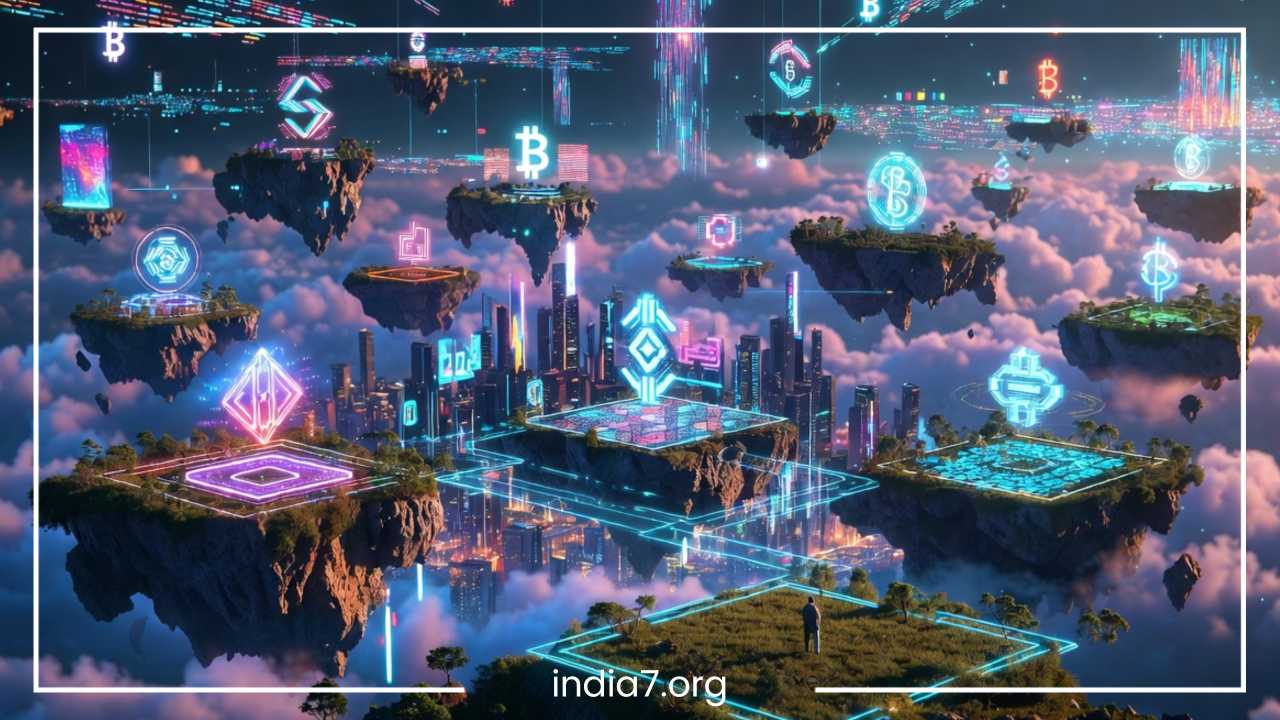
Best Metaverse Land to Buy: Top Virtual Real Estate Picks & Guide
The digital landscape is undergoing a profound paradigm shift, transforming from static pages and two-dimensional screens into a vast, interconnected network of immersive three-dimensional environments known collectively as the metaverse. Within this burgeoning digital frontier, a novel asset class has captured the imagination of technology enthusiasts, institutional investors, and global brands alike: metaverse land, or virtual real estate. No longer confined to the realms of science fiction or niche gaming communities, digital plots of land are being bought, sold, and developed for millions of dollars, establishing a sophisticated economy built entirely on blockchain technology.
This sudden and explosive interest is rooted deeply in the mechanics of Web3, non-fungible tokens (NFTs), and the fundamental human desire for ownership. In the traditional internet, users occupy spaces owned entirely by centralized tech conglomerates. In contrast, the blockchain-powered metaverse introduces true digital ownership, enabling users to possess, build upon, and monetize their virtual property without relying on a central authority. This breakthrough has rewritten the rules of digital scarcity and property rights, turning virtual land into a highly sought-after commodity.
The demographic driving this digital land rush is diverse and rapidly expanding. On one front, passionate gamers and digital creators seek space to build custom interactive experiences, social clubs, and competitive gaming arenas. On another front, blue-chip brands, corporate entities, and luxury fashion houses are acquiring premium digital plots to establish flagship virtual stores, interactive marketing campaigns, and global event spaces. Concurrently, real estate speculators and venture capitalists are accumulating land portfolios, anticipating long-term capital appreciation and recurring rental yields. This guide offers an exhaustive exploration of the virtual real estate landscape, examining how these platforms function, analyzing the top metaverse projects to buy land, providing a step-by-step purchasing framework, and outlining the critical risks and strategic factors every investor must evaluate.
Read: Do You Know These 8 Factors That Affect Your Car Insurance Premium?
What is Metaverse Land?
Metaverse land refers to distinct, individual parcels of digital space within a blockchain-based virtual world. Unlike traditional video games where virtual territory is merely a visual graphic stored on a company’s private servers, metaverse land is structured as an immutable digital asset. Each plot is uniquely identifiable, delimited by specific cartographic coordinates within its respective digital environment, and completely owned by the purchaser.
The underlying infrastructure that makes this possible is the blockchain, specifically through the implementation of non-fungible tokens and smart contracts. When an individual purchases a piece of virtual land, the transaction is permanently recorded on a public ledger. This ledger acts as an unalterable title deed, proving ownership, tracing the historical chain of custody, and executing automated agreements via smart contracts. Because the land exists as an NFT, the owner possesses the unilateral right to sell, lease, transfer, or modify the property without needing permission from the platform creators.
To understand the revolutionary nature of metaverse real estate, it is essential to distinguish between true metaverse platforms and traditional, centralized video games. In conventional multiplayer online games, players may purchase houses or territories using in-game currency, but these assets remain the intellectual property of the game developer. If the developer shuts down the game servers, modifies the code, or bans a player’s account, the virtual property vanishes instantly. True metaverse platforms decouple the asset from the platform operator, ensuring the property remains securely within the user’s crypto wallet regardless of the platform’s immediate actions.
The utility of this digital land extends far beyond passive holding. Owners are actively transforming their plots into multifaceted ecosystems. The primary use cases include:
-
Virtual Events and Entertainment: Hosting live concerts, festivals, art gallery openings, and corporate conferences where global audiences attend via customizable avatars.
-
Immersive Advertising and Marketing: Constructing three-dimensional billboards, experiential pop-up shops, and interactive brand activations that engage consumers in ways static web ads cannot.
-
Gaming Spaces: Developing independent, monetized mini-games or play-to-earn environments directly on top of owned parcels.
-
Social Hubs: Building digital clubhouses, community headquarters, and virtual meeting rooms for decentralized autonomous organizations (DAOs), NFT communities, and social circles.
Read: The 6 Crucial Steps to Navigate an Accident with Composure
How Metaverse Real Estate Works
The operational mechanics of metaverse real estate rest on the intersection of cryptography, decentralized networks, and digital scarcity. At its core, a plot of land is an NFT, typically conforming to token standards like Ethereum’s ERC-721 or ERC-1155. This cryptographic token contains metadata that specifies the exact size, elevation, borders, and position of the land parcel within the grid of the virtual world.
To interact with this ecosystem, prospective investors must utilize cryptocurrency wallets, which serve as the gateway to the Web3 economy. These wallets do not store the physical digital land, but rather hold the private cryptographic keys that grant access and ownership rights to the corresponding NFT on the blockchain. Transactions are executed using the native cryptocurrency of the specific platform or the broader blockchain network, such as Ether (ETH) or Polygon (MATIC).
The virtual real estate market operates across two distinct layers: primary marketplaces and secondary marketplaces. The primary market consists of initial land sales, often called “land mints,” conducted directly by the metaverse platform developers. During these events, unowned parcels are sold to the public for a fixed initial price. Once the primary supply is exhausted, all subsequent buying and selling activity migrates to secondary marketplaces. These secondary platforms, such as OpenSea, LooksRare, or native in-world marketplaces, operate as peer-to-peer trading hubs where prices fluctuate dynamically based on open-market demand, location, and speculative interest.
A cornerstone of the metaverse real estate economic model is programmatic scarcity. Unlike the physical world, where land supply can occasionally be expanded through reclamation or vertical development, most prominent metaverse platforms hardcode a strict, finite limit on the total number of land parcels that will ever exist. This fixed supply ensures that as demand for space within the virtual world grows, the scarcity of available plots naturally intensifies, creating a deflationary economic environment.
Decentralization plays a vital role in ensuring the integrity and longevity of these real estate networks. Many advanced metaverse platforms are governed by a Decentralized Autonomous Organization. In this model, land ownership often doubles as a governance token, giving landlords voting rights over platform upgrades, layout changes, economic policies, and community fund allocations. This shifts the power dynamics away from corporate boardrooms and places it directly into the hands of the property owners.
Read: Make the Best Use of Your Annual Financial Allowance With a Stocks and Shares Isa
Why People Invest in Metaverse Land
The motivations driving investment into virtual real estate are multifaceted, blending principles of traditional property investment with speculative technology venture capital. For many, the primary catalyst is the potential for exponential capital appreciation. Early buyers in pioneering platforms have witnessed the value of their digital plots increase significantly as the broader Web3 ecosystem has matured. Because land supply is strictly capped, any surge in platform adoption or cultural relevance directly exerts upward pressure on real estate valuations.
Beyond pure speculation, metaverse land offers robust avenues for generating recurring cash flow and rental income. Just as physical landlords lease commercial properties to retail businesses, digital landowners can rent their high-traffic parcels to brands, game developers, or event coordinators. A company wishing to host a temporary product launch or a three-day music festival may lack the capital or desire to purchase a permanent plot of land; instead, they will execute a digital lease agreement via smart contracts, providing the landowner with predictable, passive cryptographic revenue.
Furthermore, virtual real estate introduces unparalleled marketing opportunities for corporations and digital native brands. The metaverse breaks down geographic barriers, allowing a storefront located on a digital avenue to attract visitors from every corner of the globe simultaneously. Brands can build fully interactive, gamified experiences that foster deep consumer engagement, sell digital apparel (wearables) as NFTs, and seamlessly link virtual interactions to physical e-commerce purchases.
Investing in virtual real estate also grants a distinct early adopter advantage. Acquiring land in the foundational stages of a highly anticipated virtual world allows investors to secure premium, strategically vital locations—such as central plazas, spawn points, or commercial thoroughfares—at a fraction of their future market value. This combination of speculative potential, real-world corporate utility, and innovative monetization models transforms virtual land from a novel digital collectible into a functional, yield-bearing financial asset.
Best Metaverse Platforms to Buy Land
Choosing where to deploy capital requires an in-depth understanding of the distinct architectures, audiences, and value propositions offered by the leading virtual worlds. The following platforms represent the most established and promising ecosystems in the virtual real estate sector.
Decentraland
Decentraland is one of the longest-running and most thoroughly decentralized virtual worlds in existence. Built on the Ethereum blockchain, it is governed entirely by its community through a DAO. The world is divided into a finite grid of 92,600 individual parcels of LAND. Each parcel measures 16 meters by 16 meters, and multiple adjacent parcels can be combined into larger estates. The economy is powered by MANA, the platform’s native utility token used for land purchases, services, and in-world transactions.
The widespread popularity of Decentraland stems from its accessibility and its status as a pioneer in the Web3 space. Because it runs directly in a web browser without requiring specialized hardware or software downloads, it boasts a low barrier to entry for casual users. The platform has successfully attracted major mainstream institutions, including multinational banks, global fashion brands, and tech giants, all of whom have established virtual offices or hosted high-profile digital events within its borders.
Land usage in Decentraland is highly diverse. Owners can utilize simple drag-and-drop builder tools to create basic structures, or employ the advanced Decentraland Software Development Kit (SDK) to program complex interactive applications, multiplayer games, and dynamic art galleries. The world is organized into specialized thematic districts, such as fashion, gambling, and cyberpunk aesthetics, allowing landowners to capitalize on concentrated consumer foot traffic.
| Aspect | Description |
| Pros | Fully decentralized governance model via an active DAO; proven track record with high brand adoption; low entry barrier via browser access; established secondary market liquidity. |
| Cons | Graphical fidelity is relatively basic and cartoonish; browser performance can stutter during high-traffic events; high Ethereum gas fees for on-chain transactions unless utilizing layer-2 solutions. |
The Sandbox
The Sandbox is an expansive, gaming-centric metaverse that places user-generated content and creator monetization at the core of its philosophy. Also operating on the Ethereum ecosystem (with significant integrations on the Polygon network), The Sandbox maps out its world into a grid of 166,464 individual LAND parcels. These parcels can be grouped into ESTATES or mega-ESTATES. The native ecosystem token, SAND, acts as the medium of exchange, governance mechanism, and staking asset.
What distinguishes The Sandbox is its robust suite of free, intuitive creator tools. The platform provides VoxEdit, a voxel-based 3D modeling software that allows users to create and animate digital items, and the Game Maker, a visual scripting tool that enables anyone to build complex interactive games without writing a single line of code. This heavy focus on gaming utility has turned the platform into a massive collaborative ecosystem where players can explore hundreds of unique, community-made role-playing games, obstacle courses, and social quests.
The Sandbox has secured an unprecedented array of high-profile intellectual property partnerships. Entertainment giants, gaming companies, celebrity musicians, and global lifestyle brands have purchased massive land segments to build curated virtual theme parks and experiential zones. These high-caliber partnerships create powerful anchor properties that consistently draw users into adjacent, privately owned land plots.
| Aspect | Description |
| Pros | Advanced and intuitive game-building software; stellar lineup of mainstream intellectual property partnerships; migration to Polygon drastically reduces transaction costs; highly engaging play-to-earn mechanics. |
| Cons | The world is highly segmented into individual loading experiences rather than a singular continuous map; voxel graphics may not appeal to users seeking hyper-realism; heavily dependent on continuous gaming engagement. |
Otherside
Otherside is the highly anticipated, deeply capitalized metaverse platform developed by Yuga Labs, the creative powerhouse behind the Bored Ape Yacht Club (BAYC) ecosystem. Launched with immense market enthusiasm, Otherside is designed as a massive multiplayer online role-playing game (MMORPG) that seamlessly blends web3 ownership with deep narrative-driven gameplay. The world consists of 200,000 plots of land known as Otherdeeds, with the ecosystem powered dynamically by ApeCoin (APE).
The primary investment appeal of Otherside lies in the sheer scale and cultural dominance of the Yuga Labs brand. Otherdeeds are not just static plots of land; they represent dynamic environments containing unique resources, rare artifacts, and mysterious creatures known as Kodas. Every piece of land has distinct evolutionary properties and resource generation capabilities, which are essential for crafting items, progressing through the overarching storyline, and participating in collaborative world-building initiatives.
Unlike traditional virtual spaces that resemble empty digital canvases, Otherside provides an immediate, highly engaging gamified context. It offers cross-platform interoperability, aiming to allow users to bring their existing 2D and 3D NFT avatars from various external collections directly into a unified, high-fidelity three-dimensional realm. This positions Otherside as a central cultural hub for the broader premium NFT community.
| Aspect | Description |
| Pros | Backed by Yuga Labs, an industry leader in Web3 branding; rich, narrative-driven utility with built-in resource harvesting; massive, highly passionate community of collectors; high-fidelity physics engines. |
| Cons | Deeply tied to the volatility of the premium NFT market; high initial entry barriers regarding asset prices; full world features are rolling out in iterative phases rather than a single complete release. |
Somnium Space
Somnium Space takes a distinctly different architectural approach by prioritizing deep immersion, high-end virtual reality (VR) engineering, and persistent world design. It is a completely open, interconnected, and perpetual virtual reality world built primarily on Ethereum and Solana. The world is comprised of 5,000 individual land parcels of varying sizes. The native currency, CUBE, facilitates the platform’s internal economic transactions and monetization structures.
The core strength of Somnium Space is its uncompromising commitment to cutting-edge technology. The platform is fully optimized for virtual reality headsets, allowing users to experience the digital world with an unparalleled sense of presence, scale, and spatial audio depth. Unlike platforms that rely on instanced or isolated spaces, Somnium Space features a completely seamless map; users can stand on a mountain plot and look across the horizon to see real-time developments on land parcels miles away.
This immersive focus makes Somnium Space highly attractive for specialized, high-end digital experiences. It has become a premier destination for hyper-realistic virtual architecture, professional digital art museums, live holographic music performances, and sophisticated social simulations. Furthermore, the platform supports advanced scripting and custom avatar uploads, appealing directly to technical developers and hardcore VR enthusiasts.
| Aspect | Description |
| Pros | Unparalleled immersion via advanced VR integration; seamless, persistent world design with no loading screens between plots; cross-chain compatibility; high graphical potential. |
| Cons | Smaller total addressable user base due to the requirement of specialized VR hardware for the optimal experience; smaller overall land supply limits broad retail market participation. |
Axie Infinity Lands
Axie Infinity, the pioneer of the play-to-earn blockchain gaming model, features a specialized land ecosystem within its fantasy world of Lunacia. The continent of Lunacia is divided into 90,601 tokenized land plots, categorized into distinct terrain types such as Savannah, Forest, Arctic, Mystic, and Genesis. Land in the Axie universe is designed to act as a core utility layer that enhances and expands the core tactical battling gameplay of the primary Axie Infinity franchise.
Landowners in Lunacia can build customized bases, harvest essential game progression resources, fight non-player characters (NPCs) for rare items, and uncover tokens like Smooth Love Potion (SLP) and Axie Infinity Shards (AXS). The land gameplay introduces a strategic, management-style layer where players must collaborate with neighbors to defend territory, build infrastructure, and optimize resource output, creating a deeply integrated economy where land directly impacts gaming progression and profitability.
| Aspect | Description |
| Pros | Direct, functional utility within an established, high-traffic gaming franchise; strong resource-generation capabilities; dedicated, highly active player base. |
| Cons | Economic stability is highly dependent on the broader balancing loops of the Axie game economy; less appeal for traditional corporate advertising or non-endemic brands. |
How to Buy Metaverse Land
Navigating the process of purchasing virtual real estate requires careful adherence to secure Web3 protocols. The following step-by-step framework outlines the standard procedure for safely acquiring digital land.
Step 1: Set Up a Cryptocurrency Wallet
Before interacting with any decentralized platform, you must establish a secure non-custodial cryptocurrency wallet. This software serves as your digital identity and repository for assets. MetaMask is the industry standard for Ethereum-compatible platforms, while Phantom is widely used for Solana-based projects. Ensure you download the wallet exclusively from the official website, secure it with a strong password, and write down the seed phrase on a physical piece of paper stored securely offline.
Step 2: Acquire Cryptocurrency
Identify the specific token required for your chosen metaverse platform (e.g., ETH for general marketplaces, MANA for Decentraland, or SAND for The Sandbox). Purchase these tokens on a reputable centralized cryptocurrency exchange, such as Coinbase, Binance, or Kraken. Once purchased, withdraw the funds from the exchange into the public address of your newly created non-custodial wallet. Always perform a small test transfer before moving substantial capital.
Step 3: Select a Target Platform
Conduct thorough research to determine which metaverse matches your investment objectives, budget, and risk tolerance. Review the platform’s documentation, map layout, historical sales data, and community activity across social channels.
Step 4: Access an Official Marketplace
To avoid phishing scams and fraudulent listings, always access marketplaces through official, verified links. You can choose the platform’s native internal marketplace (such as the Decentraland Marketplace) or a premier secondary NFT aggregator like OpenSea. Verify that the collection you are browsing possesses a blue verification badge indicating its authenticity.
Step 5: Connect Wallet and Filter Listings
Click the “Connect Wallet” button on the marketplace interface and authorize the connection via your browser extension. Use the marketplace’s filtering tools to browse available plots. You can sort listings by price, proximity to high-traffic landmarks, specific world districts, or land size configurations.
Step 6: Execute the Purchase Transaction
Once you locate an appropriate parcel, click “Buy Now” or submit an open bid if the land is listed as an auction. Your wallet extension will generate a pop-up window detailing the transaction cost and the network gas fee required to process the trade. Review these details carefully, approve the transaction, and wait for the blockchain network to confirm the block.
Step 7: Secure and Manage Assets
Once confirmed, the land NFT will be transferred directly to your wallet. You can verify ownership by checking your wallet address on blockchain explorers like Etherscan. You can now log into the respective metaverse world with your wallet to begin building, leasing, or holding your property.
Factors to Consider Before Buying
Investing in virtual real estate demands an analytical approach similar to evaluating physical property. To maximize the probability of a successful investment, you must analyze several key variables.
First and foremost is location within the digital map. Just as location dictates value in physical cities, positioning is paramount in the metaverse. Plots situated adjacent to central spawn points, popular event venues, famous brand headquarters, or major transportation corridors naturally experience higher organic user traffic. High-foot-traffic areas command substantial premiums because they offer superior advertising visibility and commercial viability, whereas isolated plots on the periphery of the map may struggle to attract attention or maintain liquidity.
Second, closely evaluate the platform’s active user metrics and community engagement. A virtual world may possess beautiful aesthetics and sophisticated tools, but if it lacks a consistent, growing user base, the underlying real estate will ultimately depreciate. Look beyond raw registration numbers and focus on Daily Active Users (DAU), retention rates, and the volume of community-hosted events. A passionate, highly active community is a strong indicator of long-term platform viability.
Third, assess the precise utility and developer support provided by the platform. Investigate what can actually be built on the land, the limitations of the development engine, and how easily creators can monetize their builds. Furthermore, analyze the macroeconomic stability of the platform’s native token ecosystem and the clarity of the project’s long-term roadmap. Platforms with transparent development milestones, robust corporate backing, and a clear vision for cross-platform interoperability present far safer investment profiles than projects driven purely by marketing hype.
Risks of Investing in Metaverse Land
While the prospects of virtual real estate are compelling, the market is characterized by a high degree of risk and structural volatility that investors must not overlook.
-
Extreme Market Volatility: The valuation of virtual land is tightly correlated with the broader, highly cyclical cryptocurrency markets. Macroeconomic shifts, regulatory announcements, or shifts in technology sentiment can trigger rapid, severe price contractions, erasing asset valuations overnight.
-
Hype-Driven Speculative Bubbles: Virtual real estate has historically been prone to intense cycles of speculative mania. When a platform gains sudden mainstream media attention, prices can skyrocket to unsustainable levels driven by the Fear of Missing Out (FOMO). When the initial hype dissipates, late-stage investors are often left holding illiquid, overvalued assets.
-
Platform Obsolescence and Failure Risk: Unlike physical land, which exists permanently, virtual land is completely dependent on the software architecture and ongoing maintenance of its parent platform. If a platform loses its user base, suffers a catastrophic smart contract hack, or runs out of development funding, the virtual world can effectively cease to function, rendering the associated land tokens entirely worthless.
-
Liquidity Constraints: The real estate market in the metaverse is inherently non-fungible and illiquid. Unlike standard cryptocurrencies that can be traded instantly on open exchanges, selling an individual plot of land requires finding a specific buyer willing to pay your exact asking price for that specific location. During market downturns, liquidity can dry up completely, making it difficult to exit positions quickly.
-
Regulatory Uncertainty: The global legal framework surrounding crypto assets, NFTs, and virtual economies remains highly fluid. Future securities regulations, tax obligations, or compliance mandates imposed by international governing bodies could severely restrict the operation, transferability, or monetization models of metaverse real estate.
Future of Metaverse Real Estate
The long-term trajectory of virtual real estate will be shaped by the convergence of advanced software engineering, changing societal habits, and deeper corporate integration. As underlying technologies mature, the artificial barriers separating the digital and physical worlds will continue to dissolve.
A primary catalyst for future growth is the integration of Artificial Intelligence (AI) and advanced spatial computing hardware. AI-driven development tools will soon allow landowners to generate complex 3D environments, interactive NPCs, and customized gaming experiences using simple natural language prompts, radically lowering the technical barrier to property development. Concurrently, the mass adoption of lighter, more affordable virtual reality and augmented reality (AR) headsets will transform how users experience these worlds, shifting the metaverse from a niche computer-screen experience into a truly immersive, everyday alternative reality.
The nature of brand adoption is also poised to evolve from temporary marketing stunts into permanent infrastructure. Forward-thinking enterprises are starting to view the metaverse not merely as a billboard, but as a critical operational layer for remote work collaboration, digital twin manufacturing simulations, and global loyalty programs. However, a balanced view also admits the possibility of market consolidation. It is highly probable that the market will eventually consolidate around a few dominant, highly interoperable Web3 protocols, while hundreds of under-capitalized, copycat virtual worlds will slowly fade into obsolescence. The survival of virtual real estate platforms will depend entirely on their ability to cultivate genuine utility, seamless interoperability, and compelling digital experiences that keep users returning day after day.
Tips for Beginners
Entering the virtual real estate market requires a disciplined, risk-mitigated strategy. Use the following foundational practices to navigate your initial investments safely.
-
Start Small and Allocate Judiciously: Never deploy capital that you cannot afford to lose entirely. Treat your initial virtual real estate acquisitions as speculative educational experiments, allocating only a small, minor percentage of your overall investment portfolio to this asset class.
-
Conduct Independent, Exhaustive Research: Never base your investment decisions on social media hype, influencer endorsements, or promotional marketing materials. Dive deeply into whitepapers, analyze historical sales trends on open analytics platforms, and spend hours exploring the actual virtual worlds as a free user before committing any funds.
-
Prioritize Utility and Community Over Hype: Focus on buying land within platforms that demonstrate tangible, functional use cases, robust building tools, and an active, organic community of developers and players. Speculative land flips based purely on temporary trends rarely yield sustainable long-term success.
-
Diversify Across Independent Ecosystems: Avoid concentrating all your capital into a single virtual world. Spreading your investments across platforms with differing focuses—such as one gaming-centric world, one VR-centric world, and one commercially focused world—insulates your portfolio from the failure or decline of any individual project.
-
Utilize Strict Security Protocols: Only interact with official, verified marketplaces and thoroughly audit every smart contract transaction before signing it with your wallet. Use hardware wallets (cold storage) to store high-value land NFTs, and never share your private keys or seed phrase under any circumstances.
Final Thoughts
Metaverse land represents an audacious and fascinating evolution in the history of property ownership, transposing the time-tested principles of real estate scarcity, location value, and commercial leasing into a limitless digital realm. Driven by the architectural breakthroughs of blockchain technology and Web3, virtual real estate has grown from an experimental concept into a vibrant, multi-billion-dollar economy that bridges the gap between technology, finance, and human social interaction.
However, navigating this landscape successfully requires an ongoing, careful balance between visionary optimism and rigorous, calculated pragmatism. The potential for immense capital appreciation, innovative global brand marketing, and passive rental generation is undeniably real, but it is accompanied by equally real market volatility, platform risks, and technological fluidities. For the informed investor who approaches the market with deep research, strict operational security, a clear understanding of location dynamics, and a long-term strategic horizon, the virtual frontier offers an unparalleled opportunity to claim a stake in the infrastructure of the future internet.
Frequently Asked Questions
Is buying virtual real estate in the metaverse a good investment?
Buying virtual real estate in the metaverse carries both high reward potential and significant risk. As an investment, its success depends entirely on platform adoption, community utility, and overall market liquidity. If a platform grows its active user base and attracts major brands, early land buyers can see substantial capital appreciation and rental yields. However, because it is a highly speculative asset class tied to volatile cryptocurrency markets, it should only represent a small, risk-adjusted portion of your overall investment portfolio.
How do I buy land in the metaverse without crypto?
Currently, the vast majority of decentralized metaverse platforms require cryptocurrency (such as ETH, MANA, or SAND) and a non-custodial Web3 wallet to complete a purchase. However, if you want to avoid handling crypto directly, you can use specialized third-party virtual real estate brokers or platforms that accept traditional fiat currencies (like credit cards or bank wires) and handle the underlying blockchain transactions on your behalf. Alternatively, investing in publicly traded companies building metaverse infrastructure or buying land in centralized platforms like Roblox provides exposure without needing cryptocurrency.
What is the cheapest metaverse land to buy right now?
The cheapest metaverse land, often referred to as the “floor price,” varies wildly depending on the platform’s current popularity and market conditions. Generally, individual plots located on the outer perimeters or remote corners of established worlds like The Sandbox or Decentraland serve as the entry point for budget investors. Newer, emerging blockchain virtual worlds or game-centric platforms that are still in their initial alpha or beta testing phases typically offer the lowest asset prices, though these carry a much higher risk of project obsolescence.
Can you make money renting out virtual land in the metaverse?
Yes, renting out virtual land is becoming one of the most popular methods for generating passive income in Web3. Just like physical commercial real estate, landowners can draft digital lease agreements via smart contracts to rent their plots to brands, indie game developers, or digital event coordinators. High-traffic locations near central hubs or popular plazas command premium rental rates from companies looking to host temporary pop-up shops, product launches, or virtual music festivals without purchasing the land outright.
What happens if a metaverse platform goes out of business?
If a metaverse platform goes out of business or shuts down its servers, the underlying virtual land token (the NFT) will technically remain inside your private crypto wallet because it exists independently on a public blockchain ledger. However, because the visual architecture, software engine, and user base associated with that token no longer exist, the land plot loses all its practical utility, rendering the asset effectively worthless on the secondary market. This is why evaluating a project’s long-term roadmap and developer funding is critical before buying.
How is metaverse land value calculated by investors?
Investors calculate the value of metaverse land using several core metrics borrowed from traditional real estate and digital analytics:
-
Location and Proximity: Plots located near the central spawn points, major thoroughfares, or celebrity-owned estates command the highest premiums due to organic user foot traffic.
-
Scarcity and Parcel Size: Platforms with a strictly capped, finite supply of land naturally maintain better value retention than worlds with infinite expansion models.
-
Built-in Utility: Properties that generate passive resources, feature advanced scripting capabilities, or support high-end VR integration are valued higher than static visual plots.
-
Historical Sales Data: Analysts track the platform’s floor price trends and peak historical sales on secondary marketplaces like OpenSea to establish a fair market baseline.
What are the tax implications of buying and selling virtual real estate?
The tax implications of virtual real estate transactions vary heavily by geographic jurisdiction, but most major regulatory bodies treat metaverse land as property or digital assets. Capital gains taxes typically apply when you sell a land NFT for a profit on a secondary marketplace, calculated using the difference between your purchase price (cost basis) and the sale price. Additionally, any cryptocurrency earned from renting out your digital space or hosting monetized events is generally treated as ordinary income and must be reported based on its fair market value at the time of receipt.