Best Natural Remedies for Headaches
Best Natural Remedies for Headaches: Effective Home Solutions for Fast Relief
Headaches are among the most common physical ailments experienced by people worldwide, affecting nearly every demographic regardless of age, gender, or geographic location. Almost everyone, at some point in their lives, has felt that familiar throbbing, dull ache, or sharp pressure behind the eyes or across the forehead. For many, headaches are more than a minor inconvenience; they are a frequent visitor, interfering with work productivity, social commitments, and overall quality of life. In a fast-paced world defined by constant connectivity and high stress, the prevalence of headaches has only seemed to increase.
While modern medicine offers a wide array of over-the-counter and prescription medications to combat this pain, there is a growing movement toward natural remedies. The shift toward home-based, holistic solutions is driven by several factors. Many individuals are concerned about the side effects of frequent painkiller use, such as “rebound headaches”—where the medication itself causes more pain once it wears off—or long-term digestive and liver issues.
Read: Weight Loss for Busy People: It Works!
Others simply prefer a more sustainable, “back-to-basics” approach to health. Natural remedies often address the root cause of the headache—such as dehydration, chronic stress, or muscle tension—rather than just masking the symptoms for a few hours. By understanding the body’s signals and responding with natural interventions, you can create a long-term strategy for wellness. In this comprehensive guide, we will explore the most effective natural strategies for managing headaches, providing you with the tools to reclaim your day without relying solely on a pill bottle.
Read: Running for Weight Loss
Understanding Headaches
Before diving into the remedies, it is crucial to understand what you are dealing with. Not all headaches are created equal, and knowing the specific type you are experiencing can help you choose the most effective natural treatment. Treating a sinus headache with a remedy meant for a tension headache may provide some relief, but it won’t address the underlying issue.
Common Types of Headaches
-
Tension Headaches: This is the most common type of headache. It often feels like a tight band is wrapped around your head, squeezing the temples and the back of the skull. The pain is usually dull and aching, often stemming from muscle tightness in the neck, jaw, and scalp. These are frequently triggered by stress or poor ergonomics.
-
Migraines: These are complex neurological events that are far more intense than a standard headache. Migraines often involve intense, pulsing pain on one side of the head and are frequently accompanied by sensitivity to light and sound, as well as nausea or vomiting. Some people experience an “aura”—visual disturbances like flashing lights—before the pain hits.
-
Cluster Headaches: These are rare but extremely painful. They occur in cyclical patterns or “clusters,” often waking a person in the middle of the night. They are characterized by severe, piercing pain, typically located around or behind one eye.
-
Sinus Headaches: These happen when the sinus cavities in the face become inflamed, often due to infection, allergies, or changes in barometric pressure. The pain is usually felt as a deep pressure in the cheekbones, forehead, or bridge of the nose.
Common Causes and Triggers
Understanding why headaches happen is the first step in prevention. While some causes are biological or genetic, many are environmental or lifestyle-related:
-
Stress: Emotional or physical stress causes the body to release chemicals that tighten muscles and change blood flow, leading to tension-type pain.
-
Dehydration: When the body lacks sufficient fluids, brain tissue can temporarily shrink and pull away from the skull, causing pain. Even a 1% to 2% loss in body water can trigger symptoms.
-
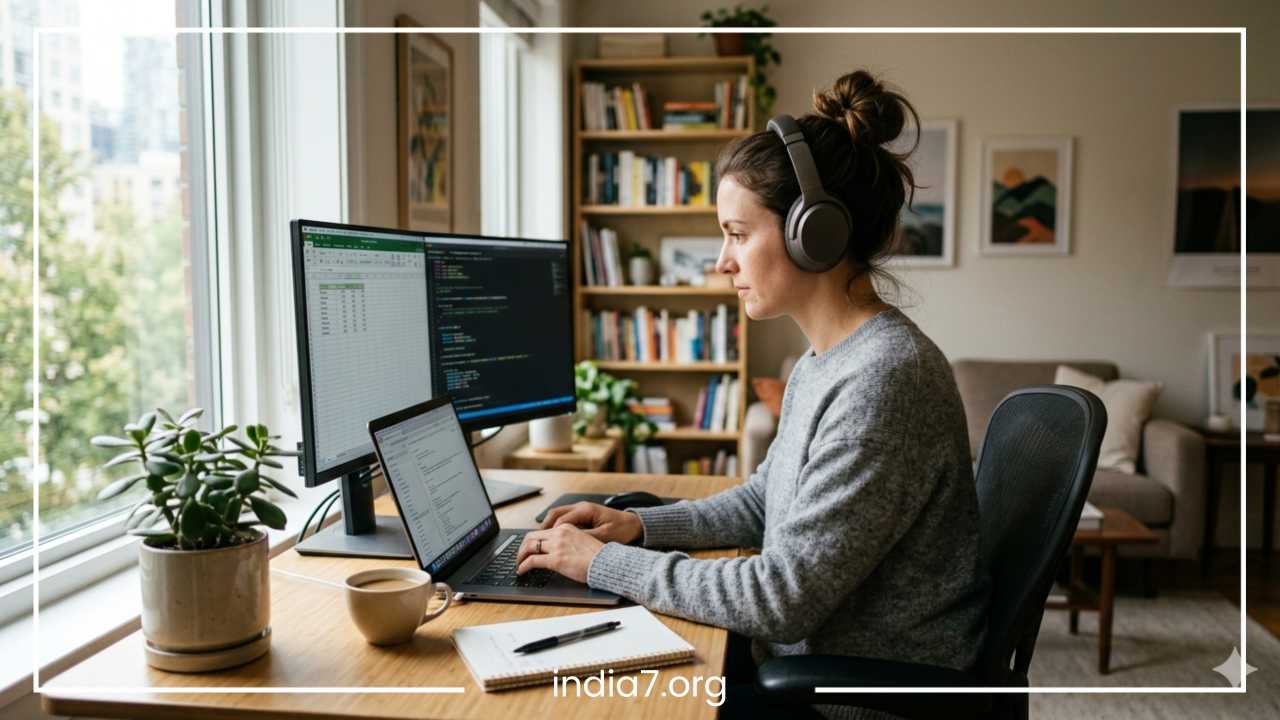
Poor Posture: Slumping over a desk, “tech neck” from looking at phones, or sleeping in an awkward position puts immense strain on the upper back and neck muscles.
-
Lack of Sleep: Sleep deprivation lowers the pain threshold and increases the frequency of migraine attacks. Conversely, oversleeping can also be a trigger for some.
-
Screen Time: The blue light and constant focal shifting associated with digital devices are modern catalysts for frequent eye strain and headaches.
Read: Foods That Speed Up Metabolism
Why Choose Natural Remedies?
Opting for natural solutions over pharmaceutical interventions offers several distinct advantages. For one, natural remedies generally carry fewer side effects. Long-term use of Non-Steroidal Anti-Inflammatory Drugs (NSAIDs) like ibuprofen or aspirin can sometimes lead to stomach irritation, ulcers, or kidney concerns if used excessively. Natural methods like hydration, herbal teas, or peppermint oil are much gentler on the body’s internal systems.
Furthermore, these remedies are highly accessible. Most of the tools you need—such as water, ginger, a dark room, or simple breathing techniques—are already available in your home. This makes them an immediate first line of defense the moment you feel a headache starting. They are also cost-effective, saving you money on frequent pharmacy visits and expensive prescriptions.
Finally, natural remedies promote a holistic connection with your body. Instead of simply “shutting off” the pain, these methods encourage you to look at your diet, your sleep, and your environment. While you should always consult a professional for severe or chronic conditions, these holistic methods often complement traditional medicine by improving your body’s overall resilience and stress response.
Best Natural Remedies for Headaches
1. Stay Hydrated
Dehydration is perhaps the most frequent yet overlooked cause of headaches in the modern world. Most people operate in a state of mild dehydration without even realizing it. A dehydration headache often feels like a dull, generalized throb that worsens with physical movement or bending over.
The Science of Hydration:
Your brain is roughly 75% water. When you are dehydrated, your blood volume drops, which reduces the flow of oxygen and blood to the brain. In an effort to maintain functionality, the blood vessels in the brain dilate, resulting in swelling and pressure against the skull. Furthermore, dehydration causes an electrolyte imbalance, which affects how nerves send pain signals.
Tips for Proper Hydration:
-
The 8×8 Rule: Aim for at least eight 8-ounce glasses of water a day, though your needs may increase based on your weight and activity levels.
-
Eat Your Water: Incorporate water-rich foods like watermelon, cucumbers, strawberries, and celery into your diet. These provide hydration along with essential minerals.
-
Monitor Urine Color: A simple way to check hydration is by the color of your urine; it should ideally be a pale straw color. Dark yellow is a sign you need to drink more immediately.
-
Avoid Diuretics: If you have a headache, try to limit coffee and alcohol, which can further dehydrate the body.
2. Cold or Warm Compress
Temperature therapy is a time-tested method for altering blood flow and numbing pain receptors without the use of chemicals.
-
Cold Compresses for Migraines: If you suffer from migraines, cold is usually the answer. Applying a cold pack to your forehead, temples, or the back of your neck can be incredibly soothing. The cold constricts blood vessels (vasoconstriction) and slows down nerve conduction, which helps dull the pulsing sensation.
-
Warm Compresses for Tension: For tension headaches, heat is generally more effective. A warm towel, a heating pad, or a warm shower helps relax tight muscles in the neck and shoulders. When these muscles relax, they stop pulling on the fascia of the scalp, which often ends the headache.
-
Proper Application: Always wrap ice or heat packs in a thin cloth to protect your skin from burns or frostbite. Apply the compress for 15 to 20 minutes at a time, followed by a break of equal length.
3. Herbal Teas
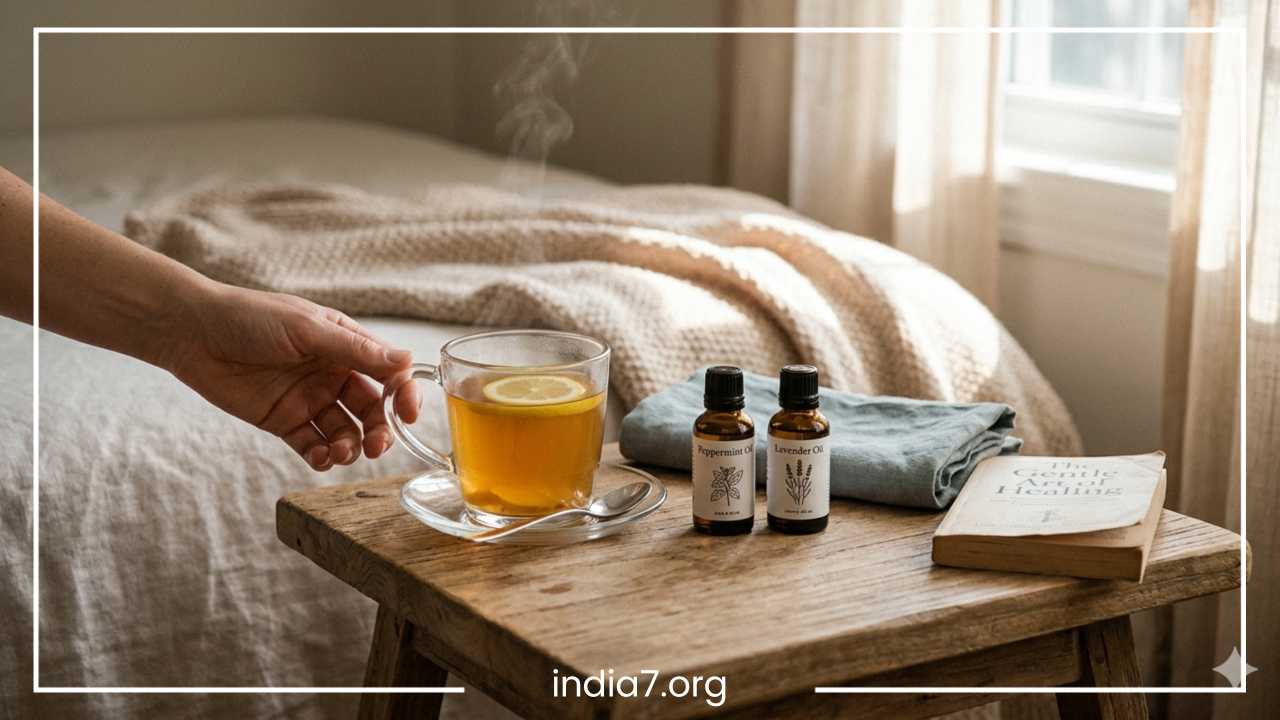
Drinking herbal tea provides a dual benefit: the medicinal properties of the herbs themselves and the psychological benefit of the soothing ritual. The warmth and hydration of the tea can also help relax the digestive system, which is often tied to headache symptoms.
-
Peppermint Tea: Peppermint contains menthol, which acts as a natural muscle relaxant. It has been used for centuries to treat tension headaches and digestive upsets that often accompany pain.
-
Ginger Tea: Ginger is a biological powerhouse. It contains compounds that inhibit prostaglandin synthesis, a process that triggers inflammation and pain. It is particularly effective for migraines because it can help reduce the nausea that often follows.
-
Chamomile Tea: If your headache is born from anxiety or a stressful day, chamomile is the best choice. It contains apigenin, an antioxidant that binds to certain receptors in your brain that may promote sleepiness and reduce anxiety.
-
Feverfew: While often taken as a supplement, feverfew can be brewed into a tea. It has a long history of use for preventing migraines by reducing inflammation.
4. Essential Oils
Aromatherapy is not just about pleasant smells; it involves the use of volatile plant compounds that can cross the blood-brain barrier or affect the nervous system through the olfactory bulb.
-
Peppermint Oil: This is one of the most studied essential oils for headache relief. The menthol in peppermint oil provides a cooling sensation and helps increase blood flow to the area when applied topically. A study published in “The Lancet” suggested that peppermint oil applied to the temples was as effective as acetaminophen (paracetamol) for tension headaches.
-
Lavender Oil: Lavender is synonymous with relaxation. Inhaling the scent of lavender for 15 minutes during a migraine attack has been shown to significantly reduce the severity of symptoms compared to a placebo.
-
Eucalyptus Oil: If your headache is caused by sinus congestion, eucalyptus oil can help open up the nasal passages and reduce the pressure in your facial cavities.
-
Usage Safety: Essential oils are highly concentrated. Never apply them “neat” (undiluted) to the skin. Mix 2-3 drops with a tablespoon of carrier oil like coconut, almond, or jojoba oil. Alternatively, use a high-quality diffuser to disperse the oil into the air.
5. Proper Rest and Sleep
Sleep and headaches exist in a complex, circular relationship. A lack of sleep can trigger a headache, while a headache can make it nearly impossible to fall asleep. Chronic sleep issues are one of the leading predictors of frequent migraine attacks.
The Importance of REM Sleep:
Research suggests that a lack of REM (Rapid Eye Movement) sleep is linked to the production of proteins in the body that cause chronic pain. When you don’t get through all your sleep cycles, your body remains in a state of high alert.
Sleep Hygiene Tips:
-
Darkness is Key: Use blackout curtains or an eye mask. Light exposure at night suppresses melatonin, the hormone that regulates sleep-wake cycles.
-
Cool Temperature: The body needs to drop its core temperature to enter deep sleep. Aim for a bedroom temperature around 18 degrees Celsius.
-
Consistency: Try to go to bed and wake up at the same time every day—even on weekends. This stabilizes your “circadian rhythm,” which helps prevent “weekend headaches” caused by sleeping in too late.
6. Manage Stress through Mindfulness
Since stress is a primary trigger for the majority of tension headaches, learning how to manage your body’s “fight or flight” response is essential.
-
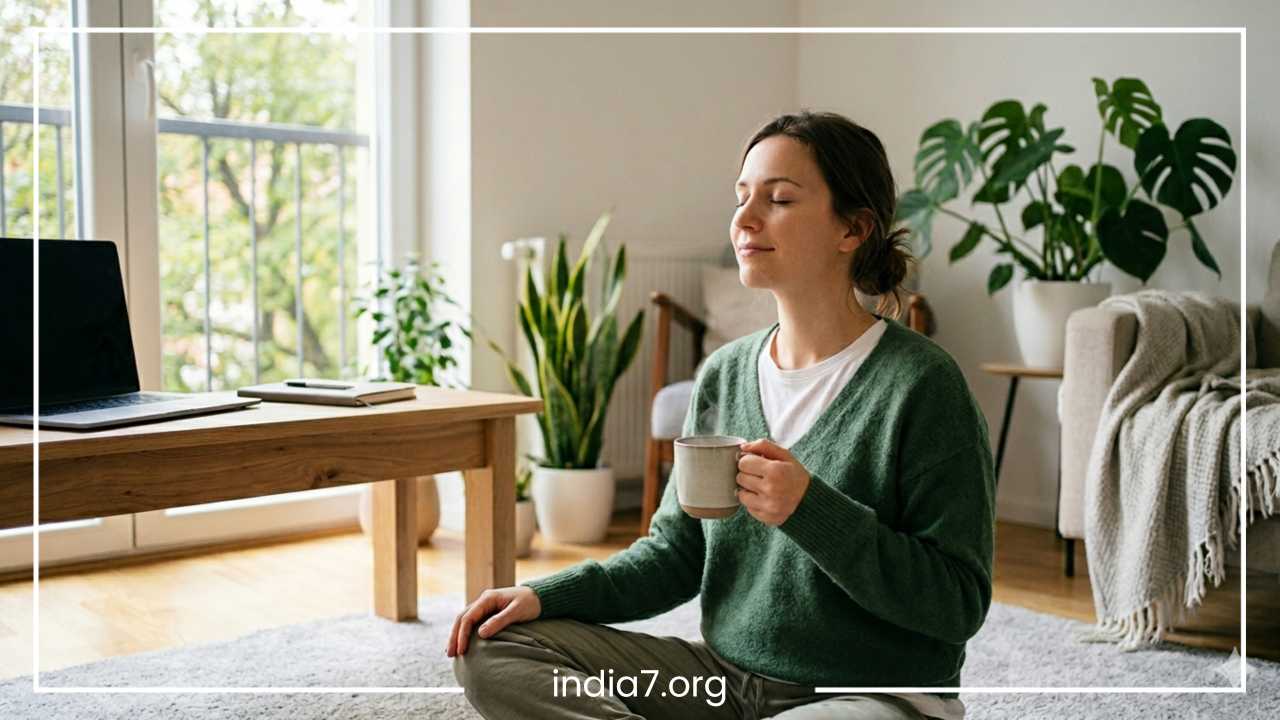
Deep Breathing: When we are stressed, we breathe shallowly from the chest. Diaphragmatic breathing (belly breathing) stimulates the vagus nerve, which tells the brain to switch from the sympathetic nervous system (stress) to the parasympathetic nervous system (relaxation).
-
Meditation: Mindfulness meditation teaches you to acknowledge the sensation of pain without becoming emotionally reactive to it. This can lower the perceived intensity of the headache.
-
Yoga: Gentle stretching, especially poses like “Child’s Pose,” “Cat-Cow,” and “Forward Fold,” helps release the physical manifestations of stress stored in the neck, jaw, and upper back.
7. Magnesium-Rich Foods and Supplements
Magnesium is a vital mineral that helps regulate muscle and nerve function, blood sugar levels, and blood pressure. Clinical studies have shown that people who suffer from frequent migraines often have lower levels of magnesium than those who do not.
The Role of Magnesium:
Magnesium helps prevent the “cortical spreading depression” in the brain that leads to the visual and sensory changes common in migraines. It also blocks pain-transmitting chemicals in the brain.
Top Magnesium Sources:
-
Almonds and Cashews: A handful of nuts can provide a significant portion of your daily requirement.
-
Spinach and Chard: Dark leafy greens are the best vegetable sources.
-
Legumes: Black beans, lentils, and chickpeas are excellent for long-term magnesium maintenance.
-
Dark Chocolate: High-quality dark chocolate (above 70% cocoa) is rich in magnesium and antioxidants, though it should be consumed in moderation as caffeine can be a trigger for some.
8. Caffeine (Use with Caution)
Caffeine is a complex tool in the world of headache management. It is a “vasoconstrictor,” meaning it narrows the blood vessels. Since many headaches involve the swelling of blood vessels, caffeine can provide rapid relief.
The Pros:
A small cup of strong coffee or black tea can stop a headache in its tracks by boosting the effectiveness of other remedies and providing a quick hit of vasoconstriction. This is why caffeine is an ingredient in many pharmaceutical migraine medications.
The Cons:
The danger lies in “caffeine rebound.” If you consume caffeine every day, your brain becomes used to it. When you miss a dose, the blood vessels dilate significantly, leading to a severe withdrawal headache. To use caffeine as a remedy, it should be an occasional tool, not a daily necessity.
9. Acupressure Techniques
Acupressure is based on the principles of Traditional Chinese Medicine. It involves applying physical pressure to specific points (meridians) to clear “blockages” and promote the body’s natural healing abilities.
-
He Gu (LI4): This is the most famous point for headache relief. It is located in the fleshy webbing between your thumb and index finger. Squeeze this area firmly with the opposite thumb and finger for 2-3 minutes while taking deep breaths. Note: This point should be avoided by pregnant women.
-
Zuan Zhu (B2): Located at the inner corners of the eyebrows, right where the bridge of the nose meets the brow bone. Applying pressure here is especially effective for sinus headaches and eye strain from computer use.
-
Gates of Consciousness (GB20): These points are located at the base of the skull, in the hollows on either side of the large vertical neck muscles. Massaging these points helps with tension headaches and neck stiffness.
10. Improve Posture and Ergonomics
In an era where many people spend eight hours a day at a desk and another four hours looking down at a smartphone, “postural headaches” are reaching epidemic levels.
The Mechanics of Posture:
For every inch your head moves forward from its neutral position, the muscles in your neck and upper back have to work significantly harder to keep your head upright. This constant strain leads to trigger points in the muscles that refer pain directly to the forehead and eyes.
Posture Correction Tips:
-
The 20-20-20 Rule: Every 20 minutes, look at something 20 feet away for 20 seconds. This relaxes the ciliary muscles in the eyes.
-
Shoulder Blade Squeezes: Periodically pull your shoulder blades back and down as if you are trying to put them in your back pockets. This opens the chest and reduces neck strain.
-
Phone Level: Raise your phone to eye level rather than bending your neck down to look at your lap.
Lifestyle Changes to Prevent Headaches
While the remedies above are excellent for addressing pain once it has started, the ultimate goal is to reduce the frequency of headaches through lifestyle design. Prevention is always more effective than a cure.
Regular Physical Activity
Moderate aerobic exercise can be a powerful preventative measure. When you exercise, your body releases endorphins, which are your internal “feel-good” chemicals and natural painkillers. Activities like walking, cycling, or swimming improve blood circulation and help stabilize your nervous system. However, be mindful of “exercise headaches”—if you are not used to it, a sudden burst of high-intensity activity can trigger a headache. Always warm up for at least 10 minutes.
Dietary Consistency
Fluctuations in blood sugar are a major headache trigger. When your blood sugar drops (hypoglycemia), your brain is the first organ to feel the energy deficit, which often results in a headache. To prevent this, avoid skipping meals. Focus on a diet rich in whole foods, avoiding highly processed snacks that cause a “spike and crash” cycle.
Identify Your Food Triggers
Many people have specific “trigger foods” that cause a chemical reaction leading to a headache. Common culprits include:
-
Tyramine: Found in aged cheeses and red wine.
-
Nitrates: Found in processed meats like hot dogs and bacon.
-
MSG: A flavor enhancer often found in fast food and packaged snacks.
-
Artificial Sweeteners: Some people find that aspartame is a direct trigger for migraines.
The Headache Diary
If you suffer from frequent headaches, start a journal. Record the date, the time the pain started, what you ate in the 12 hours prior, how much sleep you had, the weather (barometric pressure changes are a major factor), and your stress levels. Over a month or two, you will likely see patterns you never noticed before. Perhaps you always get a headache on Tuesdays (after a specific high-stress meeting) or after eating a specific type of yogurt. Knowledge is power.
When to See a Doctor
While natural remedies are highly effective for most people, it is vital to know when a headache is a symptom of something more serious. Please consult a healthcare professional if you experience the following:
-
Sudden Intensity: A “thunderclap” headache that is the worst pain of your life and comes on within seconds.
-
Frequency: If you find yourself needing natural remedies or over-the-counter meds more than two or three times a week.
-
Associated Symptoms: If the headache is accompanied by high fever, a stiff neck, confusion, seizures, or fainting.
-
Neurological Changes: Numbness or weakness in any part of the body, difficulty speaking, or persistent vision loss.
-
Change in Pattern: If you are over 50 and suddenly start getting a new type of headache you’ve never had before.
A doctor can provide a proper diagnosis to rule out secondary causes and ensure that your natural approach is safe for your specific health profile.
Tips for Quick Relief: The “First Response” Protocol
When you feel a headache coming on, acting in the first 15 minutes can often prevent the pain from becoming full-blown. Follow this quick protocol for fast relief:
-
Hydrate Immediately: Drink 16 ounces of cool water.
-
Dim the Environment: Turn off overhead lights and close your eyes.
-
Apply Peppermint: Rub a diluted peppermint oil blend onto your temples and the back of your jaw.
-
Temperature Therapy: Place a cold pack on your forehead or a warm cloth on your neck.
-
Breathe: Perform five minutes of slow, deep belly breathing to lower your blood pressure and heart rate.
Final Thoughts
Natural remedies for headaches offer a powerful, sustainable, and gentle way to manage pain and improve your overall well-being. By focusing on hydration, herbal support, proper rest, and stress management, you are not just treating a symptom; you are nurturing your entire body.
While the convenience of a quick pill is tempting, the long-term benefits of understanding your body’s triggers and responding with holistic care are far greater. It takes time to learn which remedies work best for your specific body chemistry, but the result is a life with fewer interruptions, more clarity, and a deeper sense of health.
Consistency is the bridge between the occasional relief and a headache-free lifestyle. Start small—perhaps by drinking more water today or practicing a few minutes of yoga tonight—and build from there. Your head (and your body) will thank you.